
Language
Views: 222 Author: Edvo Publish Time: 2025-09-28 Origin: Site


Content Menu
>> How Memory Foam Works in Insoles
● Benefits of Memory Foam Insoles
>> Superior Comfort and Cushioning
>> Pain Relief for Foot Conditions
>> Pressure Point Redistribution
● Are Memory Foam Insoles Suitable for Everyone?
>> Ideal Users
● Comparing Memory Foam Insoles with Other Types
● How to Choose the Right Memory Foam Insoles
>> Step 2: Match Your Shoe Type
>> Step 3: Consider Insole Thickness
>> Step 4: Check Breathability and Anti-Microbial Features
● Maintenance and Longevity of Memory Foam Insoles
● Are Memory Foam Insoles Good for People with Diabetes?
● Memory Foam Insoles for Different Shoe Types
>> Work Boots
>> Dress Shoes
● Environmental Considerations of Memory Foam Insoles
● FAQ
>> 1. Are memory foam insoles suitable for running?
>> 2. How long do memory foam insoles last?
>> 3. Can memory foam insoles help with plantar fasciitis?
>> 4. Do memory foam insoles cause feet to sweat?
>> 5. Can I use memory foam insoles in dress shoes?
Memory foam insoles have become increasingly popular in the footwear market, promising comfort and support for various foot problems. But are they truly worth the hype? This comprehensive article explores the benefits, drawbacks, and practical applications of memory foam insoles, helping you decide if they are the right choice for your feet.
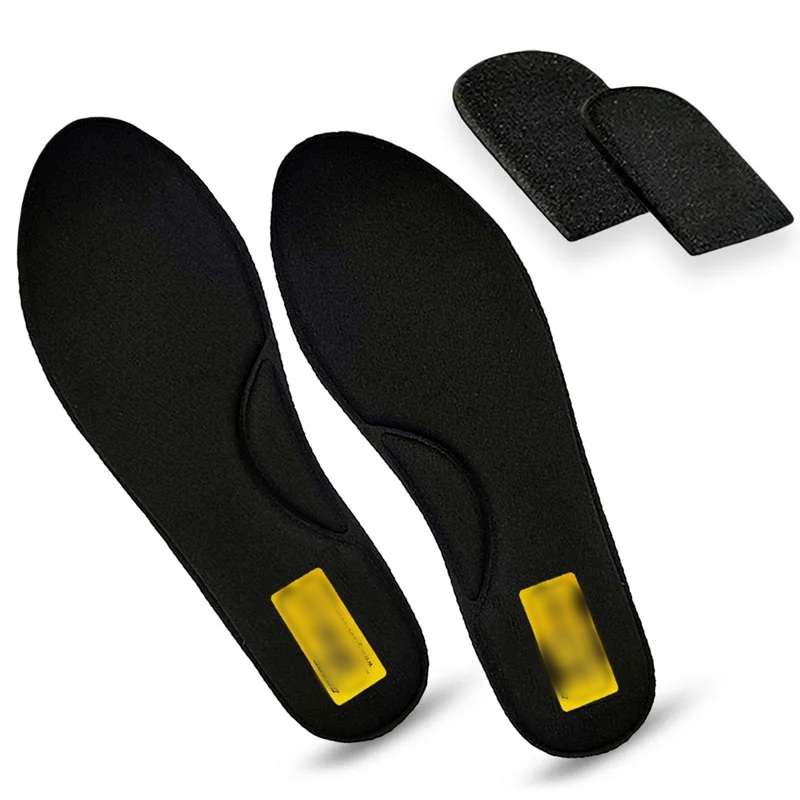
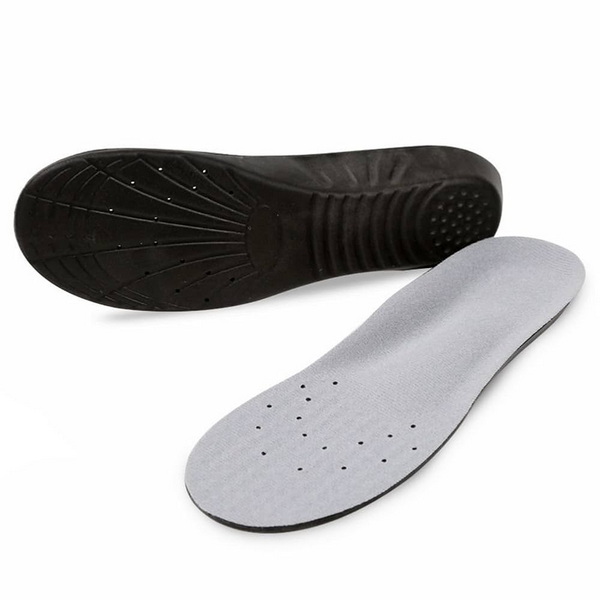
Memory foam, originally developed by NASA in the 1960s, is a high-density polyurethane material that molds to the shape of the body in response to heat and pressure. When used in insoles, memory foam cushions your feet by conforming snugly to arch contours and pressure points, offering personalized comfort and shock absorption.
Memory foam insoles respond to body heat, softening around the foot's shape and providing tailored support where it's most needed. This pressure redistribution helps minimize foot fatigue during prolonged standing or walking. The ability to absorb and retain heat allows memory foam to adapt and create a customized fit, making each step more comfortable.
Memory foam insoles come with several advantages for users seeking improved comfort and foot health.
Memory foam's unique ability to mold around your foot helps reduce pressure points, providing relief from soreness and discomfort caused by hard surfaces or poor shoe fit. This benefit is especially noticeable for people who stand for long hours or walk extensively, as the cushioning eases the constant impact on feet.
The viscoelastic properties of memory foam absorb shock from walking or running, protecting joints and reducing the impact on your feet. This can decrease the strain not only on feet but also on knees and lower back, making memory foam insoles beneficial for overall mobility and comfort.
Memory foam insoles can alleviate symptoms related to plantar fasciitis, flat feet, arthritis, and heel spurs by distributing weight evenly across the foot and reducing stress. The foam's cushioning properties help reduce inflammation and discomfort associated with these conditions, often making walking less painful.
Uneven pressure can cause blisters and calluses. Memory foam helps smooth out uneven foot mechanics, preventing such issues by spreading pressure more evenly. By adapting to the height and shape of different parts of the foot, it reduces the risk of developing pressure-related skin problems.
While memory foam insoles offer many benefits, their suitability depends on individual needs.
- People with foot pain or soreness due to prolonged standing
- Individuals suffering from mild plantar fasciitis or heel pain
- Those seeking additional cushioning in sports or casual footwear
- People looking to improve comfort in everyday shoes without orthopedic needs
- High-performance athletes requiring stability and rigid support might find memory foam too soft for their needs, potentially leading to improper foot alignment.
- People with pronation issues or structural foot deformities may need custom orthotics instead, which provide targeted corrective support that memory foam cannot offer.
- Those needing firm arch support might find memory foam insoles insufficient, as they primarily provide cushioning rather than rigidity.
| Insole Type | Firmness | Support Level | Cushioning | Best For |
|---|---|---|---|---|
| Memory Foam | Soft to Medium | Medium to Low | High | Comfort, pain relief |
| Gel Insoles | Soft to Medium | Medium | High | Shock absorption |
| EVA Foam | Medium to Firm | Medium to High | Moderate | Sports, active use |
| Cork | Firm | High | Low to Moderate | Arch support, durability |
| Custom Orthotics | Varies | High | Varies | Structural foot issues |
Memory foam insoles generally surpass gel and EVA in softness and cushioning, making them ideal for everyday comfort, but less suited for intensive athletic activity where stability is crucial.
Are you looking for general comfort or addressing specific foot pain? Memory foam insoles excel in comfort and mild pain relief but may not correct severe biomechanical problems.
Use insoles designed for your shoe style, such as athletic shoes, casual sneakers, or work boots. Insoles for different shoes may have varied thickness and shape to accommodate the shoe's design and intended use.
Thicker insoles offer more cushioning but might affect shoe fit. It's important not to choose insoles too thick for your shoes, as this can cause discomfort by reducing space or crowding the toes.
Memory foam insoles can retain heat, which may lead to sweaty feet and odor buildup. Look for insoles with ventilated designs or antimicrobial coatings to keep feet fresh and dry— especially if you wear shoes for extended periods.
Memory foam insoles require proper care to maintain comfort and durability.
- Air Dry Regularly: Avoid washing them frequently; instead, allow them to air dry to prevent breakdown of the foam material. Direct sunlight or heat sources should be avoided as they can degrade the foam.
- Replace Periodically: Memory foam compresses over time and loses effectiveness. For most users, replacement every 6-12 months is recommended depending on usage intensity.
- Keep Shoes Clean: Wearing clean shoes helps reduce bacteria and odor build-up on insoles, contributing to a healthier foot environment.
People with diabetes require insoles that provide cushioning while protecting against foot injuries and ulcers caused by poor circulation and neuropathy. Memory foam insoles can help by cushioning sensitive feet and reducing pressure points, but they should be used as part of a comprehensive diabetic foot care plan.
Specialized diabetic insoles often combine memory foam with additional protective layers and antimicrobial treatments to enhance comfort and foot health. It's advisable for diabetics to consult healthcare providers before choosing any insoles.
Memory foam insoles effectively boost softness and comfort in casual shoes. They create a cozy fit for everyday activities like running errands or light walking.
For running or cross-training, memory foam insoles add cushioning but may lack the responsiveness or support needed for vigorous sports. Some athletes prefer hybrid insoles combining foam cushioning with firmer arch support.
Workers on their feet all day benefit from memory foam's pain-relieving properties. Insoles reduce fatigue in physically demanding jobs such as retail, hospitality, or construction.
Memory foam insoles can be used in dress shoes if slim enough, improving comfort without sacrificing style. Look for thinner, low-profile options designed specifically for formal footwear.
Memory foam is a synthetic material often made with petrochemicals, meaning it is not biodegradable. When considering sustainable footwear options, look for brands that incorporate eco-friendly practices in manufacturing or offer recycling programs for used insoles.
Innovations are emerging with bio-based memory foams or recycled content to reduce environmental impact, but such products are still limited in availability.
Many users praise memory foam insoles for transforming uncomfortable shoes into supportive, comfortable ones suitable for prolonged wear. Common positive feedback highlights reduced foot pain and increased energy after a long day.
However, users with high arches or specific structural foot problems sometimes report that memory foam insoles do not provide enough support, requiring alternative or custom options instead.
Memory foam insoles offer excellent cushioning, pressure relief, and comfort for a wide range of users, especially those who spend long hours on their feet or suffer from mild foot pain. Their ability to mold to the shape of your feet ensures personalized support and shock absorption, reducing fatigue and soreness. However, they are not a one-size-fits-all solution. People needing firm arch support or corrective orthotics may require more specialized products.
Selecting memory foam insoles that suit your shoe type, foot condition, and wearing habits—combined with proper care—can enhance their benefits. For many users, memory foam insoles provide a simple and effective way to improve everyday comfort and foot health.

Memory foam insoles provide cushioning but may be too soft for high-impact running, where firmer support and responsive materials are preferred.
Typically, 6 to 12 months depending on usage and care. Heavy users may need to replace them more frequently.
Yes, they offer cushioning and pressure relief that can reduce pain associated with mild plantar fasciitis.
Memory foam retains heat, which can increase sweating. Look for ventilated or antimicrobial versions to combat this.
Yes, but ensure the insoles are slim enough to fit comfortably without tightness, as memory foam tends to be thicker.


