
Language
3BU Technology is a professional Eva Insole manufacturer based in Dongguan, China. Since our inception in 2012, we have been committed to creating, designing, and manufacturing high-quality insoles for global brands. With over 12 years of industry experience, a 5000㎡ advanced workshop, and over 100 skilled workers, we can support large-scale production while also providing flexibility for small order OEM and ODM services.
As a leading Eva Insole Manufacturer, we focus not only on producing long-lasting and functional insoles, but also on providing innovative solutions that improve foot comfort, performance, and support. We are proud to serve both international brands such as Sidas, Footlogstics, and VKTRY, as well as emerging footwear businesses seeking dependable custom insole production.
EVA (Ethylene-Vinyl Acetate) is one of the most popular materials used in footwear manufacturing today. Known for its lightweight nature and excellent cushioning, EVA has become a go-to choice for insole production. As a specialized Eva Insole Manufacturer, we fully understand the unique properties that make EVA ideal for insoles.
Key advantages of EVA for insoles include:
Lightweight structure – significantly reduces shoe weight without compromising durability.
Superior cushioning – absorbs impact and provides a soft yet supportive feel.
Shock absorption – protects joints and feet from stress caused by walking, running, or standing for long hours.
Flexibility – adapts well to different foot shapes and shoe types.
Durability – maintains structural integrity even with long-term use.
Moisture resistance – helps keep insoles hygienic and prevents odor build-up.
Thanks to these benefits, EVA has become the preferred choice for sports shoes, casual footwear, orthopedic insoles, and custom-designed footbeds.

At 3BU Technology, we ensure that every EVA insole we produce meets the highest standards of comfort and performance. As a professional Eva Insole Manufacturer, we highlight the following features:
EVA insoles are significantly lighter than many other insole materials, reducing overall shoe weight and preventing fatigue.
The foam-like structure of EVA distributes pressure evenly, making it ideal for high-impact activities such as running, hiking, or sports.
Unlike traditional foam materials, EVA maintains its shape and cushioning properties over extended use.
EVA is less likely to absorb sweat, which helps maintain freshness and comfort during daily wear.
As an Eva Insole Manufacturer, we provide various customization options, including density, thickness, hardness, and design shapes tailored for specific applications.
The versatility of EVA makes it a leading choice across industries. Our EVA insoles are widely applied in:
Sports and Athletic Footwear – Provides cushioning for runners, athletes, and fitness enthusiasts.
Casual Shoes and Sneakers – Enhances all-day comfort for everyday wear.
Orthopedic and Medical Use – Supports custom orthotics for people with foot conditions or post-injury recovery.
Work Shoes and Safety Footwear – Reduces fatigue for workers who spend long hours standing.
Children’s Shoes – Lightweight support suitable for growing feet.
Fashion and Lifestyle Footwear – Ensures comfort without compromising style.
By offering multiple applications, we help footwear brands and businesses expand their product lines with functional and comfortable insoles.
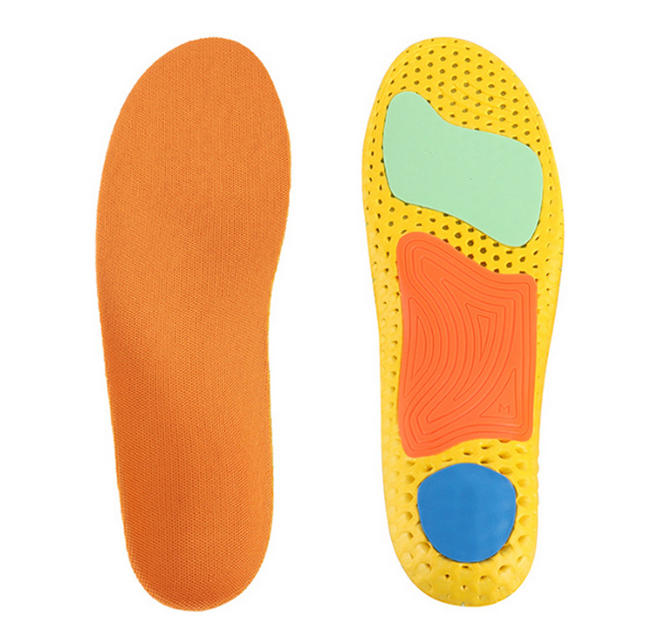
Yes, EVA is considered one of the best materials for insoles. As an Eva Insole Manufacturer, we have seen EVA’s advantages in action across thousands of product lines. Its ability to balance softness with resilience makes it superior to many alternatives. EVA’s lightweight nature ensures that shoes do not feel bulky, while its cushioning effect significantly reduces foot fatigue. For customers looking for cost-effective, durable, and versatile insole materials, EVA remains the top choice.
When choosing between EVA and PU (Polyurethane) insoles, many customers wonder which is better. As an experienced Eva Insole Manufacturer, we provide insights into the key differences:
Feature |
EVA Insoles |
PU Insoles |
Weight |
Lightweight |
Heavier |
Cushioning |
Soft, flexible, absorbs shock well |
Denser, provides firmer support |
Durability |
Long-lasting, resists deformation |
Highly durable, but can be heavier |
Moisture Resistance |
Excellent, does not absorb water easily |
May absorb moisture over time |
Comfort |
Provides soft cushioning for all-day wear |
Firmer, more stable for high-load use |
Best for |
Sports shoes, casual wear, orthopedics |
Work boots, hiking shoes, heavy-duty footwear |
Both EVA and PU have their advantages. EVA is preferred for lightweight comfort and flexibility, while PU is chosen for maximum durability and stability. Depending on the target audience, brands may choose one or even combine both materials in hybrid insole designs.
At 3BU Technology, we follow a strict and professional production process to ensure every EVA insole meets global standards.
High-quality EVA sheets are sourced with strict quality control. Different densities and hardness levels are chosen based on application.
The EVA material is cut into specific shapes using advanced CNC and molding machines, ensuring precision and consistency.
Heat and pressure are applied to form the EVA into durable, long-lasting insoles.
Optional fabric, mesh, or antimicrobial layers can be laminated onto the insole for enhanced comfort and hygiene.
Each insole undergoes strict testing for thickness, hardness, elasticity, and durability before shipping.
Customized packaging solutions are available to meet branding requirements.
This streamlined process ensures that we remain a reliable Eva Insole Manufacturer for businesses worldwide.

12+ Years of Experience – Specialized in insole R&D and production.
5000㎡ Workshop – Equipped with advanced machinery for high-capacity manufacturing.
100+ Skilled Workers – Professional team ensures consistency and precision.
Customization Options – From EVA density to surface fabric, every detail can be tailored.
Global Partnerships – Trusted by international brands and small businesses alike.
Flexible MOQ – We support both bulk and small-batch OEM & ODM orders.
When partnering with us, you gain more than just a supplier – you gain a professional Eva Insole Manufacturer committed to your brand’s success.
EVA provides more structural support and durability compared to memory foam. Memory foam may feel softer at first, but EVA maintains cushioning for longer periods.
Yes, as an Eva Insole Manufacturer, we offer orthopedic-grade EVA insoles designed for conditions such as flat feet, plantar fasciitis, and arch support needs.
On average, EVA insoles can last between 6 months to over a year depending on usage and intensity.
EVA can be produced with eco-conscious processes, and we also offer recyclable EVA options for brands focusing on sustainability.
Yes, we support small order OEM & ODM services, making it easier for new brands or startups to launch customized products.
If you are looking for a professional Eva Insole Manufacturer with strong production capability, innovative R&D, and a customer-focused approach, 3BU Technology is your ideal partner. Whether you need sports insoles, orthopedic insoles, or lifestyle comfort insoles, our team will work closely with you to create the perfect solution. Contact us today to discuss your requirements and let us help you bring your footwear products to the next level.


