
Views: 222 Author: Amanda Publish Time: 2025-09-10 Origin: Site


Content Menu
● What Are Orthopedic Insoles?
● Common Foot Conditions Addressed by Orthopedic Insoles
● Expanded Types of Orthopedic Insoles
>> Custom-Made Orthopedic Insoles
● Materials and Construction of Orthopedic Insoles
● Long-Term Benefits of Orthopedic Insoles
● Who Benefits Most from Orthopedic Insoles?
● Choosing the Best Orthopedic Insoles for Your Needs
● Proper Use, Care, and Maintenance
● Scientific Evidence Supporting Orthopedic Insoles
● Addressing Common Misconceptions
● FAQ About Orthopedic Insoles
>> 1. What foot conditions can orthopedic insoles help with?
>> 2. How often should orthopedic insoles be replaced?
>> 3. Can orthopedic insoles be worn with all types of shoes?
>> 4. Are custom orthopedic insoles better than off-the-shelf options?
>> 5. How to determine if I need orthopedic insoles?
Orthopedic insoles have become increasingly vital for those seeking relief from foot pain, improved posture, and enhanced comfort during daily activities. As a leading Chinese manufacturer specializing in high-quality orthopedic insoles and providing OEM services for international brands, wholesalers, and manufacturers, we will explore the comprehensive benefits and considerations involved with orthopedic insoles. This article offers an in-depth look at how orthopedic insoles function, their advantages, types, proper use, and scientific backing to help you decide if they are worth investing in for your foot health.
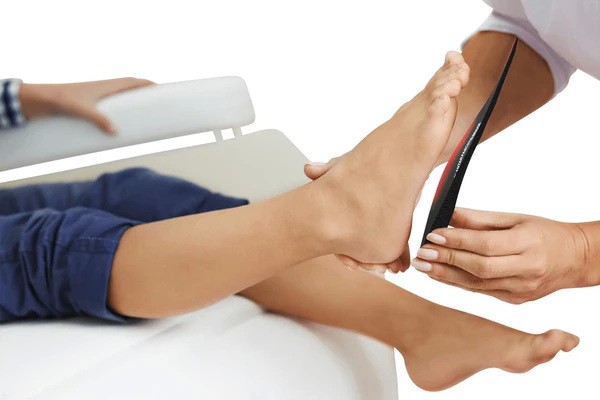
Orthopedic insoles, sometimes referred to as orthotic insoles, are specially engineered shoe inserts designed to correct foot alignment, provide structural support, and relieve pain associated with various foot conditions. Unlike regular cushioning insoles, these orthotic solutions are crafted to address biomechanical imbalances by supporting arches, redistributing pressure, and stabilizing the foot and ankle.
The core function of orthopedic insoles is to stabilize the foot's natural arches and reduce excess stress on muscles, ligaments, and joints. By realigning foot position, these insoles enhance weight distribution during standing, walking, or running. This correction can alleviate abnormal strain on the knees, hips, and lower back, improving overall posture and movement efficiency.
Orthopedic insoles are beneficial in managing a wide range of foot problems, including:
- Plantar Fasciitis: Reduces inflammation and heel pain by supporting the arch and absorbing shock.
- Flat Feet (Pes Planus): Helps create an arch to prevent overpronation and related discomfort.
- High Arches (Pes Cavus): Provides cushioning and support to distribute pressure more evenly.
- Heel Spurs: Minimizes pain through shock absorption and pressure redistribution.
- Bunions: Reduces pressure on the bunion area and enhances balance.
- Overpronation and Supination: Corrects abnormal foot rolling faults for better gait.
- Metatarsalgia: Alleviates pain on the ball of the foot by cushioning and support.
- Arthritis-Related Foot Pain: Offers cushioning and stability to reduce discomfort from joint inflammation.
Orthopedic insoles are available in various forms tailored to meet different needs and budgets:
These mass-produced insoles are designed for general foot shapes and offer moderate arch support and cushioning. They are an accessible, cost-effective option for those with mild foot conditions or who want a basic level of support.
A middle ground between prefabricated and custom-made, semi-custom insoles allow for some degree of adjustment or molding to better fit an individual's foot shape. They can be ideal for users needing more precise support without the greater expense of full customization.
Custom insoles are crafted using detailed foot scans, molds, or measurements to address specific structural deviations and biomechanical issues. Typically prescribed by podiatrists, these insoles provide maximum therapeutic benefit for complex foot problems, offering tailored support that improves gait and reduces pain significantly.
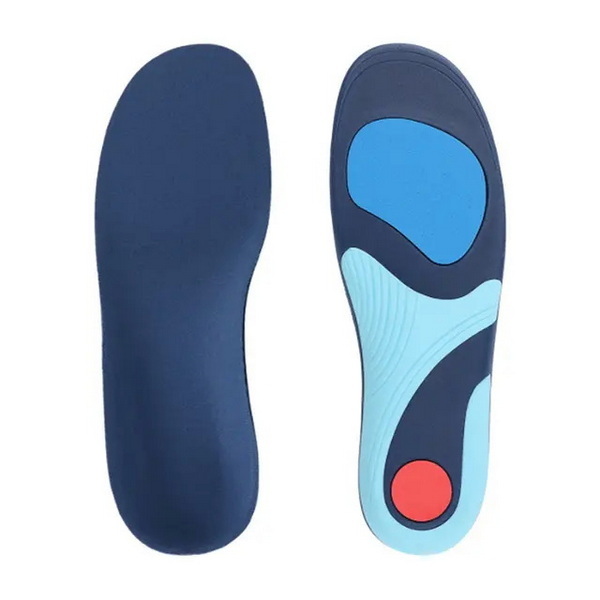
Modern orthopedic insoles employ diverse materials engineered for specific functional benefits:
- EVA Foam: Lightweight foam recognized for shock absorption and durability.
- Polyurethane: Provides resilience and long-lasting support for dynamic foot movement.
- Carbon Fiber or Composite Materials: Extremely rigid yet lightweight, ideal for significant arch correction.
- Gel Inserts: Offer additional cushioning in pressure points such as the heel or ball of the foot.
- Cork and Leather: Natural materials that mold to the foot shape for personalized comfort and insulation.
The positive effects of orthopedic insoles extend beyond immediate foot comfort:
- Chronic Pain Management: Consistent use mitigates pain from various chronic foot conditions, improving quality of life.
- Posture and Balance: Better foot alignment leads to enhanced overall posture and stability, reducing compensatory stresses in other body areas.
- Reduced Risk of Injury: By correcting abnormal gait patterns, orthopedic insoles lessen the likelihood of injuries in feet, ankles, knees, and hips.
- Enhanced Mobility: Individuals with foot deformities or pain often experience improved movement and endurance.
- Improved Athletic Performance: Athletes benefit from shock absorption and biomechanical corrections that optimize foot and leg function during strenuous activities.
Orthopedic insoles are highly recommended for:
- People with diagnosed foot deformities or abnormal biomechanics.
- Individuals experiencing chronic foot, leg, or lower back pain.
- Professionals who spend prolonged hours standing or walking, such as healthcare workers, teachers, and retail employees.
- Athletes and physically active individuals prone to overuse injuries.
- The elderly population experiencing decreased foot function and balance.
- Post-surgery or injury patients needing rehabilitative foot support.
Selecting the right orthotic insole is critical to achieving maximum benefit.
- Identify Your Foot Arch Type: Determining whether you have flat feet, normal arches, or high arches helps guide appropriate support selection.
- Evaluate Any Foot Pain or Conditions: Understanding your symptoms will narrow down the type of insole required.
- Consult a Specialist: Podiatrists or orthopedic doctors can provide advice on whether prefabricated or custom insoles suit your condition.
- Consider Activity Levels: Daily wear might need durable, breathable materials, while athletic insoles require greater shock absorption.
- Fit and Comfort: Ensuring insoles fit securely in your footwear without causing discomfort is essential.
To ensure longevity and effectiveness:
- Rotate insoles between different pairs of shoes to reduce wear.
- Keep insoles dry and air them out regularly to avoid odors and bacteria buildup.
- Clean using mild soap and water; avoid machine washing or harsh chemicals.
- Replace insoles once they show signs of compression, wear, or reduced support—typically every 6 to 12 months.
- Regularly reassess foot comfort and fit, especially if any changes in activity or health occur.
Numerous clinical studies validate the benefits of orthopedic insoles:
- Research published in the Journal of Foot and Ankle Research demonstrates that custom-made insoles reduce plantar pressure and alleviate pain in flat-footed patients more effectively than standard insoles.
- Studies show that insoles improve gait symmetry and reduce joint impact forces in individuals with arthritis, contributing to decreased pain and improved function.
- Several randomized controlled trials confirm that orthopedic insoles significantly decrease symptoms of plantar fasciitis compared to placebo insoles, proving their therapeutic value.
Understanding facts helps make better decisions about orthopedic insoles:
- Orthopedic insoles are not only for elderly people; individuals of all ages with foot pain or biomechanical disorders can benefit.
- Insoles are not a standalone cure; they are often part of a comprehensive approach including exercises, footwear modifications, and medical treatment.
- The quality and fit of orthopedic insoles are paramount; poorly fitting insoles can worsen problems instead of improving them.
Orthopedic insoles represent a sound and scientifically validated investment for individuals battling foot pain, posture problems, or biomechanical inefficiencies. Whether chosen as economical prefabricated versions or premium custom designs, they provide essential support that promotes foot health and overall musculoskeletal balance. As a reputable Chinese orthopedic insole manufacturer dedicated to OEM partnerships worldwide, we stress the importance of selecting well-made insoles tailored to one's unique needs for optimal results. Their benefits extend beyond mere comfort to encompass injury prevention, chronic pain relief, and improved mobility—making them truly worth considering for anyone prioritizing foot wellness.
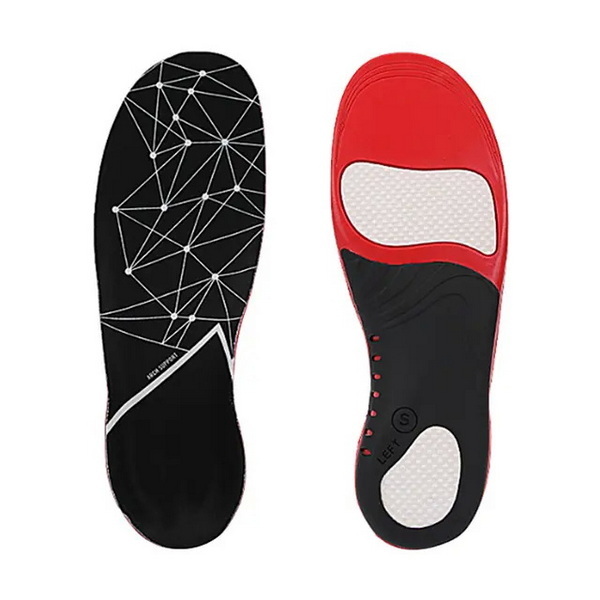
Orthopedic insoles assist with many conditions, including plantar fasciitis, flat feet, high arches, heel spurs, bunions, overpronation, metatarsalgia, and arthritis-related foot discomfort.
Typically, insoles last 6 to 12 months depending on usage, activity levels, and material durability. Signs of wear or reduced support indicate replacement is necessary.
They fit well in many shoes such as athletic, casual, and some dress shoes; however, shoe style and insole thickness compatibility should be checked before purchase.
For severe or specific foot problems, custom insoles offer precise corrective support. Prefabricated insoles suit mild or general support needs more affordably.
Chronic foot, knee, or back pain, poor posture, or diagnosed foot abnormalities are good indicators to consult a healthcare professional about orthopedic insoles.


