
Views: 222 Author: Edvo Publish Time: 2025-11-05 Origin: Site


Content Menu
● Understanding Foot Arch Types
>> How Insole Arch Support Works
● High Arch Insoles: Structure and Benefits
● When Medium Arch Feet May Benefit from High Arch Insoles
● Key Factors for Optimizing Comfort
● The Science Behind Insole Adaptation
● Choosing the Right Insole: Steps and Considerations
>> Match the Insole to Your Activities
>> Monitor for Change Over Time
● Special Considerations: Unique Situations
● Custom vs. Standardized Insoles
● OEM Solutions for Global Brands
>> 1. What is the main difference between high arch and medium arch insoles?
>> 2. Can high arch insoles hurt my medium arch feet?
>> 3. Are there adjustable insoles for arch support?
>> 4. How do I know if an insole suits my foot type?
>> 5. Is it necessary to use insoles for medium arch feet?
Selecting the right insole can make an enormous difference for foot health and comfort, whether you are an athlete, a busy professional, or anyone prioritizing wellness during daily movement. Many individuals with medium arch feet want to know if high arch insoles could improve their support or, conversely, lead to pain or problems. This article examines whether high arch insoles are suitable for medium arch feet, taking you through detailed foot anatomy, insole technology, advantages, risks, and useful tips for practical daily wear.
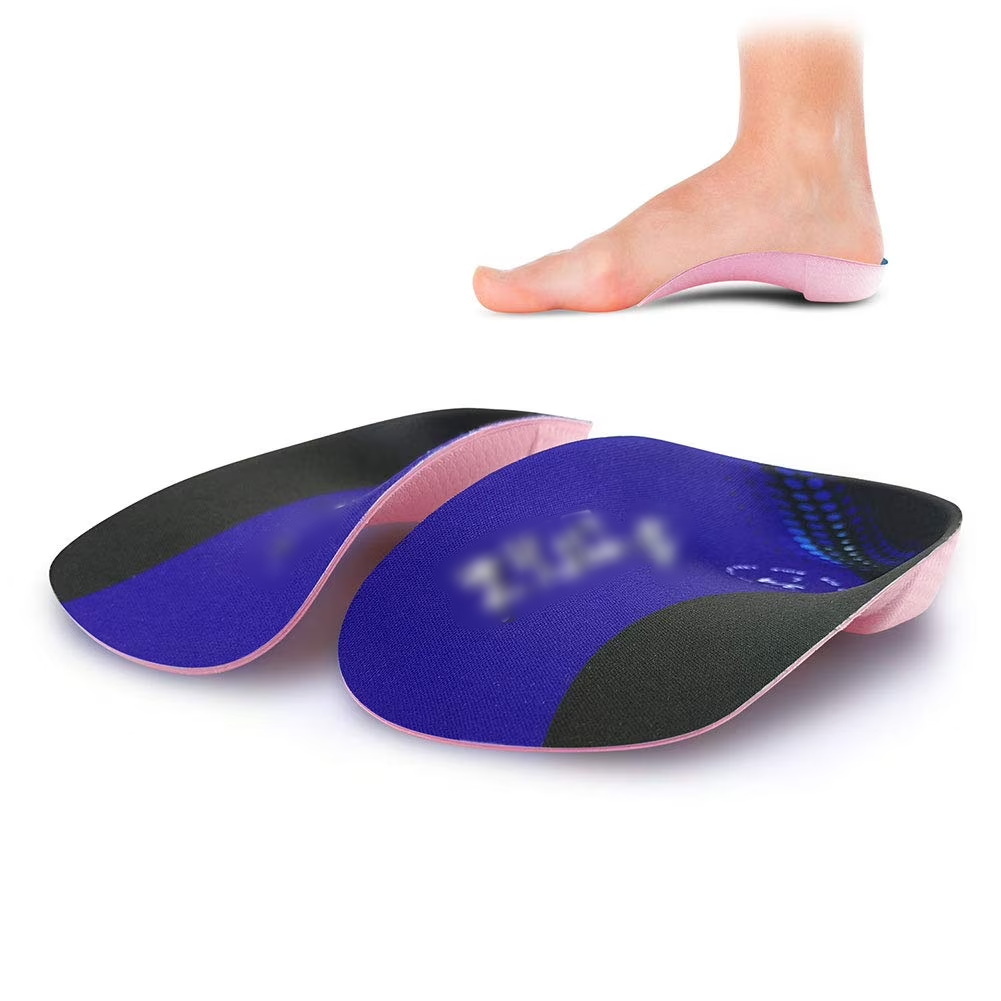
Feet are usually classified into three categories: high, medium, and low arches. High arches display a notable curve between the heel and ball, often leaving most of the midfoot off the ground. Medium arches, the most common type, provide a balanced structure and usually alleviate excess strain. Low arches, or flat feet, have a minimal in-step and often require creative solutions for stability and comfort.
Recognizing your foot arch type is foundational before making any insole choice. While medium arches accommodate most shoe designs naturally, changing activity level or body type sometimes calls for enhanced support.
Insoles are shaped to offer more supportive, anatomical contouring to the arch of your foot. High arch insoles use denser materials and aggressive shaping for maximum lift. Medium arch insoles use moderate contouring with greater flexibility. Low arch insoles generally emphasize soft cushioning and mild elevation.
Well-chosen insoles distribute foot pressure evenly, bolster comfort, and can help resolve conditions like plantar fasciitis, fatigue, or instability. However, mismatched support may produce discomfort or even exacerbate existing foot issues.
High arch insoles are designed for feet with a pronounced midfoot curve. They feature elevated midfoot contouring, increased rigidity, and targeted cushioning beneath the arch. This boosts stability, reduces pressure on balls and heels, and helps the arch maintain its natural position during movement.
The benefits of high arch insoles extend beyond comfort to structural health, shielding tendons and ligaments from excessive stress and providing shock absorption during active use. Athletes, workers on hard surfaces, or anyone with high arches stand to gain from this enhanced support.
Despite traditional recommendations, high arch insoles have increasingly gained traction with medium arch users, especially those exposed to greater load or longer periods of activity. The additional support can help minimize fatigue, promote proper gait alignment, and even decrease discomfort in related joints such as knees and hips.
For medium arch feet that are slightly flexible or collapsing inward during movement, the rigid structure of high arch insoles can gently stabilize the midfoot. Furthermore, those who struggle with intermittent arch pain or find typical medium arch designs insufficient may discover renewed comfort by trying higher support insoles for specific activities.
The ultimate success of high arch insoles worn by medium arch feet depends on several vital considerations:
- Soft vs. Firm Materials: Medium arch feet may respond better to high arch insoles that use flexible foams, gels, or memory compounds, striking a balance between support and gentle adaptation.
- Incremental Use: Begin with short wear periods, monitoring for any pain, hot spots, or cramping before transitioning to full-day use.
- Precision Fitting: Ensure full contact with the insole's support curve without forcing the arch excessively high.
- Alignment Check: Careful fitting helps keep the ankle, heel, and toes in a natural line, avoiding unwanted gait changes or joint stress.
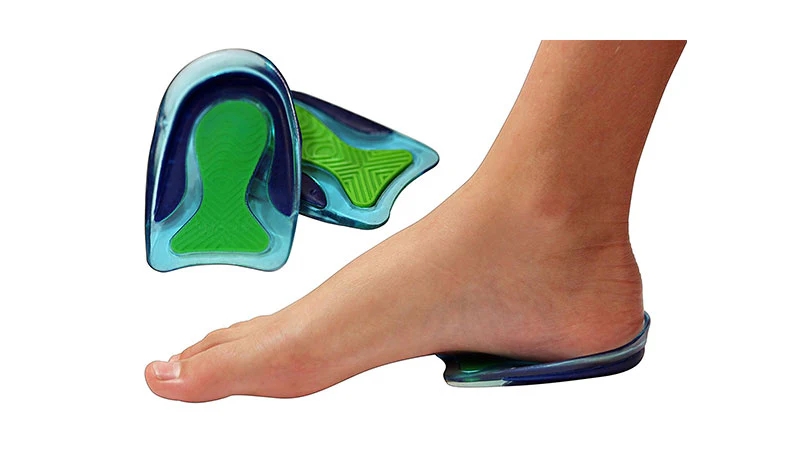
Modern research shows that foot structure, muscle strength, and connective tissue flexibility all influence response to arch support. Insoles exert force on the plantar fascia and may alter pressure patterns when walking or running. While medium arch feet generally have strong intrinsic support, temporarily adding high arch insoles can help during high-impact sport, recovery from injury, or new demands such as long-distance hiking.
Be aware that the foot adapts over time. Transitioning from a minimal or flat insole to a higher arch variant may require several days or weeks for the tissue to adjust, particularly for those who have never used structured insoles before.
Over-supporting the arch is one of the main risks for medium arch feet using high arch insoles. Problems can include cramping, excessive pressure under the arch, stress in the ankle or heel, or unwanted changes to gait and balance. These symptoms signal a poor match and require adjustment, a switch to a moderate support, or consultation with a podiatrist.
People with sensitive skin or a history of blisters should monitor closely for irritation, especially when using rigid or synthetic materials.
The “wet test” is a simple home method — wet your foot and step on a paper bag. The shape left behind gives clues about your arch height. For best results, professional gait analysis or physical evaluation provides a more accurate match.
Choose insoles based on your activity profile: higher support for running, hiking, or extended standing; softer, more flexible designs for casual wear.
Always trial high arch insoles for several days with normal footwear. Monitor the sensation, focus on arch response, and pay attention to fatigue.
Some premium insoles feature adjustable height inserts or customizable arch pads, allowing fine-tuning for individual comfort.
Feet change due to age, injury, training, or health conditions. Periodically reassess your needs and adjust insole choices accordingly for best comfort and foot health.
Medium arch athletes sometimes benefit from high arch insoles during periods of high intensity, extended training, or recovering from injury due to extra stabilization.
Those standing for long hours (e.g., retail staff, healthcare professionals, factory workers) may find occasional relief and improved energy from switching to higher arch support during long shifts.
Arch height and flexibility alter as people age, especially in active children and teenagers as well as older adults facing decreased elasticity. Regular assessment and adaptation of insole type can prevent long-term issues.
If comfort, fit, or performance is mission-critical, custom-made insoles offer the best anatomical match, though they typically cost more and require professional fitting.
Modern materials and manufacturing allow off-the-shelf high arch insoles to provide solid comfort, especially with the addition of memory foam, antibacterial linings, and ergonomic shaping. For medium arch users, finding a flexible high arch variant ensures support without rigidity.
As a leading Chinese insole manufacturer, our facility delivers a complete range of industrial and retail insole solutions, including:
- Precision design to match arch height and contour
- Custom materials and finishes
- Private-label branding
- Large-scale automated production for consistent quality
Clients worldwide rely on our expertise to create innovative, ergonomic insoles suited to all arch types and footwear categories.
While high arch insoles are typically targeted at people with distinctly elevated arches, they can offer benefits to medium arch users, provided that fit, material, and comfort are all considered. Medium arch feet facing high activity, changing demands, or periodic discomfort may respond well to increased support, but gradual testing and feedback are essential. Ultimately, foot health depends not just on insole shape, but also on individual needs, daily adaptation, and ongoing care.
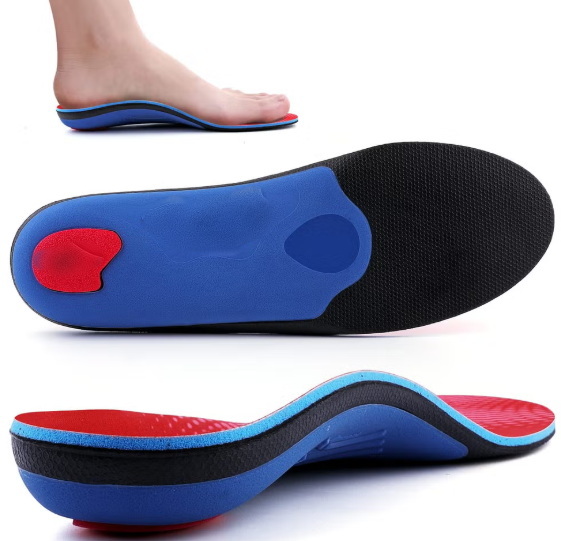
High arch insoles provide pronounced molding and rigid support, ideal for feet with significantly elevated arches. Medium arch insoles balance support and flexibility, adapting comfortably to the widest range of feet.
If the insole is too rigid or aggressive, it may cause pain, pressure, or instability. Always begin with short trial periods and stop if discomfort develops.
Yes, some insole brands feature modular pads or adjustable arch supports, making them suitable for people with medium, high, or even low arches.
Perform a simple wet test, seek professional advice, or rely on comfort after trial use. A suitable insole will avoid new pain, pressure, or instability.
Not always — healthy medium arch feet may not require special insoles unless activity rate, discomfort, or injury demand extra support or protection.


