
Language
Views: 222 Author: Edvo Publish Time: 2025-10-15 Origin: Site


Content Menu
● Understanding Hip Pain and Its Common Causes
>> Core Functions of Orthopedic Insoles
● The Biomechanical Connection Between Feet and Hips
● Benefits of Orthopedic Insoles for Hip Pain
>> 3. Enhanced Comfort and Mobility
>> 4. Prevention of Secondary Injuries
>> 5. Long-Term Joint Protection
● Orthopedic Insoles vs. Regular Shoe Insoles
● How to Choose the Right Orthopedic Insoles
>> 2. Choose the Right Material
● Why Work With a Chinese OEM Orthopedic Insole Manufacturer
● Real User Experiences and Professional Insights
● Additional Tips to Maximize Relief from Hip Pain
● FAQs About Orthopedic Insoles and Hip Pain
>> 1. How long does it take to feel hip pain relief after using orthopedic insoles?
>> 2. Can orthopedic insoles be worn with any shoe type?
>> 3. Are custom-made insoles more effective than ready-to-wear options?
>> 4. Can orthopedic insoles help both hip and lower back pain?
>> 5. Is it safe to wear orthopedic insoles every day?
Hip pain can affect individuals across all lifestyles — from athletes and workers who stand for long hours to elderly people dealing with muscular or skeletal degeneration. Since the hip joint connects the upper and lower body, any imbalance in the feet or legs can transfer stress upward, leading to discomfort and eventual damage.
- Poor walking posture and improper gait
- Flat feet or overpronation
- Leg length discrepancies
- Misaligned pelvis or lower spine
- Inflammation from arthritis or bursitis
- Poorly designed shoes or insufficient arch support
When the feet fail to absorb impact properly, the stress that should be dissipated through the lower joints travels upward to the knees and hips. Over time, micro-adjustments in muscle movement cause discomfort, stiffness, and even joint deterioration.
Orthopedic insoles serve as a solution by stabilizing the base of the body structure. Once the feet regain proper alignment, the hips no longer compensate for incorrect posture, allowing pain relief and improved motion.
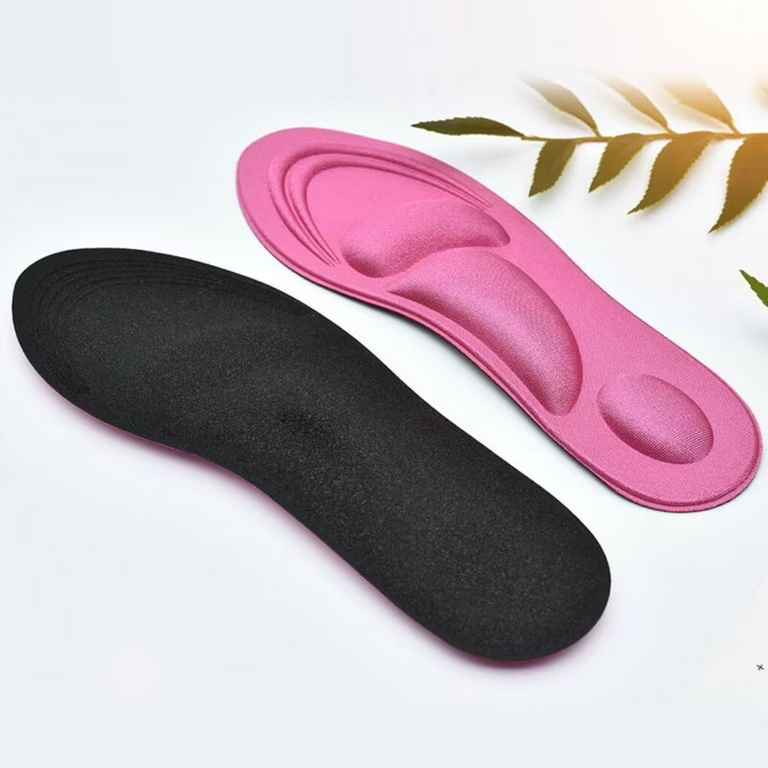
Orthopedic insoles are scientifically engineered to support and correct the structural misalignment of the feet. They are made from advanced materials such as medical-grade EVA, PU, gel, or carbon fiber, which provide both firm support and effective cushioning.
1. Alignment Correction
They realign the foot and ankle to a neutral position, ensuring that each step maintains proper weight distribution. This correction influences how the pelvis and hips function.
2. Shock Absorption
Every step exerts strong impact forces that can affect joints. Orthopedic insoles absorb these shocks, protecting the hip's cartilage and muscles.
3. Even Weight Distribution
By stabilizing the arch and heel, insoles distribute weight evenly across the foot surface, preventing uneven loading on hip joints.
4. Pressure Relief for Muscles and Tendons
Reduced stress on the soles and calves improves posture naturally, helping the hips and spine remain aligned.
When worn regularly, these insoles create a smoother walking rhythm and eliminate micro-twists in the hips and knees, which are common in people suffering from imbalance or overpronation.
The body operates like an interconnected chain — each joint affects the next. A problem at the base (the feet) can influence the alignment of the knees, hips, and even spine.
When a person has flat feet, the arch collapses, causing the leg to rotate inward. This inward rotation translates into a pelvic tilt, leading to compressed hip muscles, uneven leg length perception, and chronic pain.
Similarly, individuals with high arches often experience increased rigidity and limited shock absorption, forcing the hips to absorb higher impact forces during each step.
Orthopedic insoles help normalize these mechanisms. By providing the correct arch support and ankle stabilization, they promote a balanced walking motion that relaxes hip tendons and corrects posture naturally.
By keeping the feet in the right position, orthopedic insoles ensure the knees and hips follow their natural, optimal alignment. This reduces unnecessary rotation or twisting.
Insoles decrease the extra workload of hip and thigh muscles needed to stabilize an imbalanced lower body, preventing fatigue and soreness.
Comfort improves noticeably with reduced impact, especially for those standing or walking for extended periods each day.
Proper insole support reduces risks of hip bursitis, iliotibial band syndrome, or lower back strain caused by continuous stress transfer from the feet.
Consistent use of orthopedic insoles prevents wear and tear of joints and cartilage, significantly delaying or avoiding long-term joint degeneration.
| Feature | Orthopedic Insoles | Regular Insoles |
|---|---|---|
| Main Purpose | Correct biomechanical alignment | Provide cushioning only |
| Material | Medical EVA, PU foam, or gel composites | Ordinary foam or sponge |
| Fit Precision | Custom-fit or semi-custom | One-size-fits-all |
| Structural Support | Includes arch, heel cup, and metatarsal support | Basic flat padding |
| Durability | Designed for long-term corrective use | Short-term cushioning use |
| Effect on Hip Pain | Significant and clinical | Minimal or none |
Regular insoles may feel soft, but they do not change how your joints move. Only orthopedic insoles correct foot mechanics deeply enough to impact hip alignment genuinely.
Choosing suitable orthopedic insoles involves understanding both your foot structure and the intended purpose of use.
Check if you have flat feet, normal arches, or high arches. Each type needs a different level of support for hip pain relief.
EVA foam provides flexibility and comfort, PU offers durability, while carbon fiber provides firm structural correction.
A pronounced heel cup stabilizes your ankle, reduces rotation, and prevents the leg from turning inward.
For best results, work with a professional manufacturer offering OEM custom fitting services. Custom molds taken from your feet maximize corrective performance.
Office workers, athletes, and seniors all need unique designs. For example, running insoles must absorb repeated impact, while daily walking insoles emphasize balanced support.
As a verified OEM orthopedic insole manufacturer, we provide a complete service system for international clients, including brand integration, packaging customization, and clinical design optimization.
- Full customization service: from structural design to brand labeling
- Advanced CNC and foam injection equipment ensuring precision cutting
- Wide variety of materials: PU, EVA, TPU, latex, memory foam, and gel
- Arch height adjustable according to biomechanical data
- Quality inspection at each production stage
- CE and ISO-certified production process
Our engineering team works directly with overseas brands to create insoles tailored for orthopedic clinics, shoe producers, and medical retailers. This ensures both technical reliability and commercial scalability.
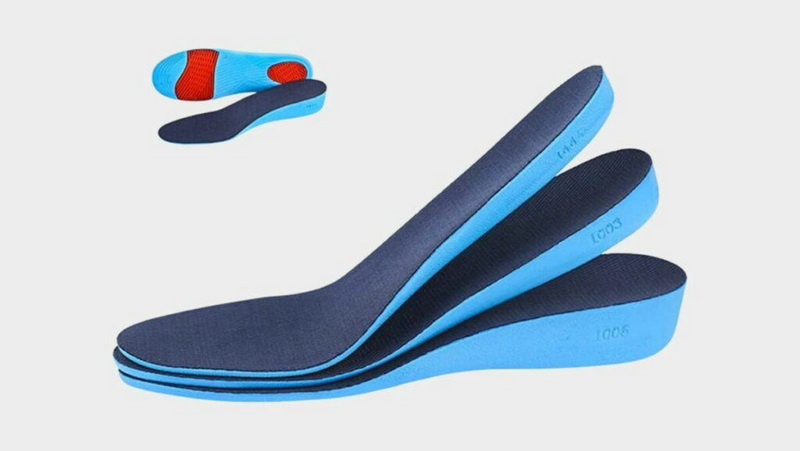
Feedback from users worldwide confirms that orthopedic insoles contribute not only to pain reduction but also to better posture and athletic performance. Many people report noticeable changes such as:
- Reduced morning stiffness or hip tightness
- Easier movement when climbing stairs or jogging
- Better balance while walking on uneven surfaces
- Decreased fatigue after long work shifts
- Straighter posture and fewer lower back aches
Physiotherapists also highlight that orthotics enhance gait retraining therapy. When combined with stretching and strengthening exercises, orthopedic insoles help maintain long-term recovery and prevent recurrence of hip or lower back discomfort.
Even though orthopedic insoles play a significant role, overall biomechanics and muscle strength also matter. Try the following strategies:
- Stretch regularly: Focus on hip flexors, hamstrings, and calves to maintain flexibility.
- Avoid worn-out shoes: Even the best insoles lose effectiveness in damaged footwear.
- Maintain healthy weight: Lower body joints carry much of the body's mass, so managing weight eases hip stress.
- Do low-impact exercise: Swimming, cycling, or yoga promotes hip mobility without excessive strain.
- Replace insoles periodically: High-quality orthotics should be replaced every 6–12 months depending on usage level.
Combining these habits with insole correction forms a holistic strategy for long-term hip comfort and body alignment.
Although orthopedic insoles can dramatically improve conditions related to mechanical imbalance, certain cases require medical assessment. Visit a specialist if:
- You experience sharp or sudden hip joint pain.
- Pain continues beyond a few weeks of consistent insole use.
- You notice swelling, redness, or temperature increase in the area.
- There is numbness or pain radiating to other parts of the leg.
Professional podiatrists may conduct pressure mapping and gait analysis before prescribing custom orthotics suited precisely to your anatomy.
Orthopedic insoles offer a scientific, non-invasive remedy for hip discomfort resulting from poor foot balance or postural misalignment. By restoring natural body alignment from the ground up, they reduce hip strain, improve mobility, and prevent long-term joint wear.
For brands and distributors sourcing from China, partnering with an experienced OEM orthopedic insole manufacturer means gaining access to precision-engineered products backed by medical biomechanics. Whether for sports brands, orthopedic clinics, or retail stores, investing in quality insoles ensures better health outcomes for end-users and stronger brand trust in the global market.
Typically, users begin noticing improvement within two to four weeks of consistent daily wear. For some with chronic misalignment, complete adaptation might take several months.
Most insoles fit comfortably into walking, running, and everyday footwear, especially models with removable inner soles. Slim-profile insoles can also fit formal shoes.
Yes, custom insoles are tailored precisely to your foot shape and gait. They provide superior alignment and are more effective for complex structural issues related to hip pain.
Absolutely. Since hip and spine alignment are interrelated, correcting the foundation—your feet—can relieve both hip and back tension simultaneously.
Yes. In fact, wearing them daily maintains body alignment consistency, which helps prevent recurrent misalignment and discomfort.


