
Views: 222 Author: Amanda Publish Time: 2025-09-16 Origin: Site


Content Menu
● Why Proper Cleaning of Orthotic Insoles Matters
● Types of Orthotic Insoles and Cleaning Considerations
>> Plastic and Rigid Orthotic Insoles
>> Carbon Fiber and Composite Materials
● Can You Wash Orthotic Insoles? Yes, But Carefully
>> Step-by-Step Guide to Washing Orthotic Insoles
>> Alternative Cleaning Methods
● What to Avoid When Washing Orthotic Insoles
● How Often Should You Wash Orthotic Insoles?
● Additional Care Tips for Orthotic Insoles
● Benefits of Proper Orthotic Insole Maintenance
● Addressing Common Challenges in Orthotic Insole Care
● Orthotic Insoles and Shoe Compatibility
● Environmental Factors Affecting Orthotic Insoles
● Summary of Best Practices for Washing Orthotic Insoles
● FAQs
>> 1. How often should you wash orthotic insoles?
>> 2. Can orthotic insoles be machine washed?
>> 3. How do you dry orthotic insoles after washing?
>> 4. What cleaning agents are safe for orthotic insoles?
>> 5. Can washing orthotic insoles improve foot odor?
Orthotic insoles provide essential support and comfort for individuals dealing with foot pain, plantar fasciitis, or flat feet. But as daily wear impacts their hygiene and durability, many people ask: can you wash orthotic insoles? Proper cleaning ensures they stay fresh, maintain performance, and last longer. This detailed guide explores the best ways to wash orthotic insoles, types of orthotic materials, care tips, and frequently asked questions.
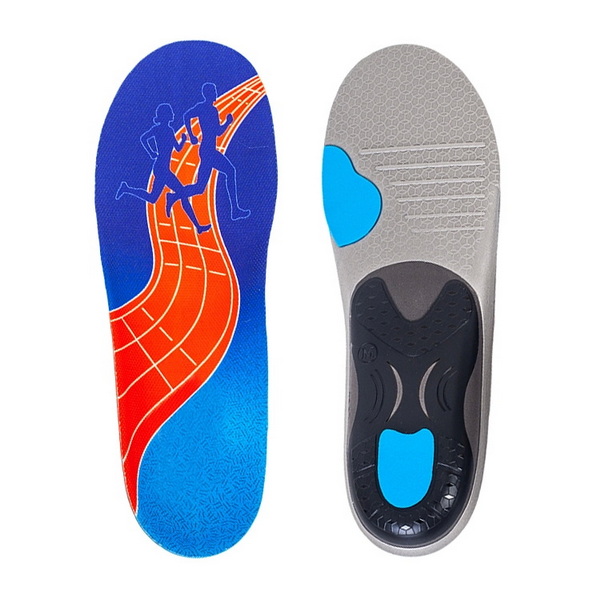
Orthotic insoles are specially designed shoe inserts that provide arch support, correct foot posture, and alleviate pain. They are commonly used by people with conditions like flat feet, overpronation, arthritis, and diabetic foot complications. These insoles are custom-made or pre-fabricated from various materials such as foam, gel, plastic, or cork to suit different foot needs.
Orthotic insoles are integral to improving walking mechanics and preventing injuries, especially for individuals who stand or walk for extended periods. They are also important tools in rehabilitation after foot surgeries or injuries.
Daily use causes orthotic insoles to absorb sweat, dirt, and bacteria, resulting in unpleasant odors, skin irritation, and reduced effectiveness. Cleaning them regularly:
- Prevents bacterial and fungal growth.
- Helps maintain material integrity.
- Enhances comfort and extends lifespan.
- Keeps shoes smelling fresh.
However, improper washing techniques might damage the orthotics, warp their shape, or reduce their cushioning ability. Sweat and moisture can also degrade the materials if left unattended, leading to cracks or loss of support.
Foam insoles are soft, lightweight, and provide cushioning. Because foam absorbs water easily, washing them requires gentle methods to avoid material breakdown. Excessive moisture can cause foam to deteriorate or compress unevenly, which compromises support.
Typically custom-made, these insoles offer firm support and corrective alignment. Plastic insoles can generally tolerate more intensive cleaning but should not be soaked for long periods. Heat exposure during cleaning or drying may cause them to warp or lose shape.
Gel insoles provide shock absorption and cushioning. The gel layer is often encased in fabric, which needs gentle cleaning to avoid damage and preserve the encapsulation. Gel materials can be sensitive to harsh detergents or abrasive cleaning tools.
Cork is breathable and moldable but sensitive to water exposure. Avoid soaking cork insoles; instead, use spot cleaning and dry them quickly to prevent crumbling or mildew formation.
Some high-end orthotics incorporate carbon fiber or composite materials for lightweight strength. These require delicate cleaning and must not be exposed to harsh chemicals or mechanical stress.
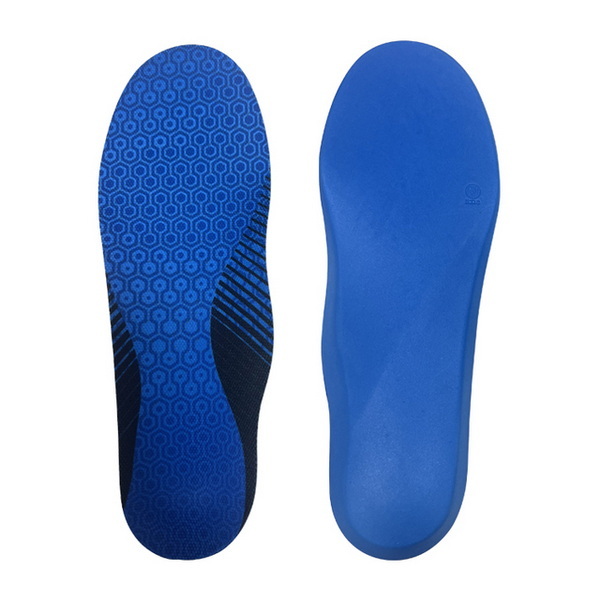
Most orthotic insoles can be washed, but the method depends on their materials and manufacturer instructions. Avoid machine washing unless explicitly stated safe by the maker. Here are recommended approaches:
1. Remove Insoles from Shoes
Always take off insoles to clean separately from your shoes. This prevents moisture from damaging the shoe interior and allows thorough cleaning.
2. Brush Off Loose Dirt
Use a soft brush or cloth to remove dust and debris from the surface and crevices. This step prepares the insoles for effective washing without embedding dirt into the material.
3. Prepare a Mild Cleaning Solution
Mix warm water with gentle soap or detergent. Avoid harsh chemicals and bleach. Natural soap or a specialized sneaker cleaner works well.
4. Hand Wash the Insoles
Use a soft cloth or sponge to wipe insoles with the soapy solution. For rigid orthotics, mild scrubbing can help remove stubborn stains or odors. Avoid over-saturating foam insoles or delicate materials.
5. Rinse Thoroughly
Use clean water to remove all soap residues. Soap left behind can irritate skin or degrade materials over time.
6. Air Dry Completely
Lay insoles flat in a well-ventilated area, away from direct sunlight and heat sources, which may warp or crack the insoles. Air drying may take 12-24 hours depending on conditions; patience is key for maintaining shape.
- Spot Cleaning: For minor odor or stains, a small amount of rubbing alcohol or baking soda paste can be applied using a cloth to specific areas without full washing.
- Odor Control Sprays: Specialized antimicrobial sprays can reduce bacterial growth between thorough washes.
- Freezing Method: Placing insoles in a sealed plastic bag and freezing them overnight can kill odor-causing bacteria but does not replace washing.
- Machine washing or drying as it can warp shape and ruin cushioning.
- Prolonged soaking, since water damages materials like foam and cork.
- Using abrasive brushes or harsh chemicals that erode surfaces.
- Drying them near heaters, radiators, or direct sunlight which can cause cracking or warping.
- Ignoring manufacturer's specific care instructions which safeguard unique insole constructions.
Cleaning frequency depends on your usage and sweat levels:
- For daily wearers, washing every 1-2 weeks is a good practice.
- If you experience foot odor or sweat heavily, spot clean more often.
- Always dry insoles thoroughly after cleaning or exposure to moisture.
- People with foot conditions susceptible to infections may benefit from more frequent cleaning.
- Rotate insoles between pairs of shoes to reduce wear.
- Use foot powders or sprays to control odor and moisture inside shoes.
- Inspect regularly for cracks, thinning, or deformation to avoid ineffective support.
- Store insoles in a dry place when not in use.
- Avoid wearing the same pair of shoes daily to allow insoles to breathe.
- Replace insoles according to podiatrist or manufacturer recommendations, typically every 12-18 months depending on usage.
- Prolongs service life and cost efficiency.
- Maintains corrective support effectiveness.
- Prevents fungal infections, blisters, and bad odors.
- Enhances daily comfort and foot health.
- Keeps shoes cleaner by reducing contaminant buildup.
Cleaning orthotic insoles might seem daunting because of concerns about damaging them, but regular maintenance prevents worse problems such as bacterial infections, excess wear, and loss of foot support. Developing simple habits like wiping insoles after each use or airing them out prevents build-up of dirt and odors.
Some newer insoles come with antimicrobial or washable covers, making them easier to clean. Consider upgrading to these if hygiene is a frequent concern.
Using the correct orthotic insoles for your shoe type also affects maintenance. For example, insoles used in athletic shoes may require more frequent cleaning and quicker drying due to sweat, compared to those used in dress shoes.
Humidity, temperature, and exposure to elements like rain or mud also determine how often and how thoroughly insoles need cleaning. Those working outdoors or in humid climates should adopt stricter hygiene routines.
- Identify your insole material and follow manufacturer care guidelines.
- Hand wash with mild detergent and avoid soaking.
- Air dry completely before use.
- Clean on a schedule aligned with your activity level and foot health.
- Regularly inspect and replace when worn out.
Washing orthotic insoles is not only possible but necessary for good foot hygiene and the longevity of these supportive devices. By selecting the right cleaning method corresponding to your orthotic insole material, you can keep them fresh, comfortable, and durable. Avoid harsh treatments like machine washing and drying, use mild detergents, and always air dry thoroughly. Proper care enhances the effectiveness of your orthotic insoles and contributes to overall foot health.
You should wash orthotic insoles every 1-2 weeks if worn daily, or more often if you sweat excessively, to prevent odor and bacteria buildup.
Generally, no. Machine washing can damage the materials and shape of orthotic insoles. Always opt for gentle hand washing unless specified by the manufacturer.
Air dry orthotic insoles flat in a shaded, well-ventilated area away from direct sunlight and heat sources to avoid warping or cracking.
Use mild soap or detergent mixed with warm water. Avoid bleach, harsh chemicals, or abrasive cleaners that could degrade the insole materials.
Yes, regular cleaning removes sweat and bacteria that cause odor, keeping your insoles fresh and comfortable.


