
Language
Views: 222 Author: Edvo Publish Time: 2026-01-18 Origin: Site


Content Menu
● How New Balance Designs Its Insoles
● Are All New Balance Insoles Removable?
● Typical New Balance Categories With Removable Insoles
● Why Removable Insoles Matter for Comfort
● How to Check If Your New Balance Insoles Are Removable
● New Balance Running Shoes and Removable Insoles
● Walking, Lifestyle, and Work Models
● How Removable Insoles Affect Fit and Sizing
● Benefits of Replacing New Balance Insoles
● Common Problems: Squeaking, Slipping, and Bulk
● What This Means for OEM Shoe and Insole Brands
● Practical Tips for New Balance Owners
● FAQ
>> 1. Do all New Balance shoes have removable insoles?
>> 2. How can I tell if my New Balance insole is removable?
>> 3. Can I use custom orthotics in New Balance shoes?
>> 4. Will replacing the insole change how my New Balance shoes fit?
>> 5. Why do my New Balance shoes squeak after I change the insoles?
New Balance is widely recognized for comfort‑focused footwear, and removable insoles play an important role in that reputation. Most New Balance shoes are designed with inserts that can be taken out and upgraded, but not every single model uses a fully removable shoe insole. This distinction is important for everyday consumers, orthotic users, and international OEM brands designing shoes that must accommodate custom or replacement footbeds.
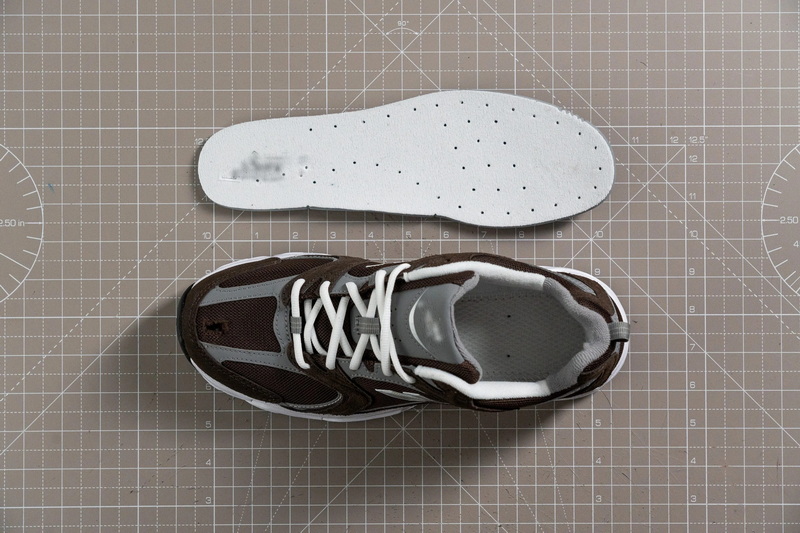
New Balance builds many of its shoes with removable inserts so wearers can adapt cushioning, arch support, and overall feel. This design philosophy supports different foot shapes, activity levels, and medical needs without forcing customers to buy entirely new shoes every time they need more support. For OEM brands, this approach shows how insole design can be integrated into a long‑term comfort and performance strategy.
New Balance also treats the insole as a functional component, not just a thin layer of foam. Thickness, density, heel cup shape, and arch contour are chosen to balance comfort with stability. When these elements are detachable, customers can coordinate the insole with socks, orthotics, or sport‑specific requirements such as running, walking, or working on hard floors.
Although removable inserts are very common in New Balance footwear, it is more accurate to say “most” rather than “all” models have removable insoles. Certain lifestyle, fashion, or older designs may rely on more adhesive, or embed the footbed as part of the midsole platform, which makes clean removal difficult or undesirable. For practical purposes, many retailers and insole brands treat New Balance as a removable‑insole‑friendly brand, but they still recommend checking each pair individually.
From a product‑design perspective, this mix of removable and semi‑fixed insoles reflects different target users. Performance running and walking shoes usually favor removable insoles to accommodate orthotics, while some heritage or minimalist silhouettes may prioritize a lower internal volume or a specific underfoot feel, even if that reduces removability. This variation is a useful reference for OEM footwear developers planning their own product lines.
Most modern New Balance running, walking, and everyday sneakers have removable footbeds that can be lifted out by hand. These include many neutral and stability running shoes, cushioned walking shoes, and casual sneakers that are used for long hours of daily wear. People who stand all day at work or who use custom orthotics often rely on this feature when choosing New Balance over other brands.
In addition, many comfort and wide‑fit collections are intentionally designed with more interior volume to leave room for thicker insoles. This includes shoes aimed at customers with diabetes, plantar fasciitis, flat feet, or high arches, and for those needing medical or podiatrist‑prescribed devices. For these segments, removable insoles are not just a bonus but a core selling point.
Removable insoles are important because they allow the shoe to adapt to the wearer instead of forcing the wearer to adapt to the shoe. Over time, the original insole compresses, loses cushioning, and no longer supports the arch and heel properly, which can lead to fatigue and discomfort. Being able to remove that worn insert and replace it with a fresh or upgraded one significantly extends the functional life of the footwear.
Removable insoles are also key for people with specific foot conditions. Users with plantar fasciitis, overpronation, supination, bunions, or metatarsal pain often require targeted support that standard insoles cannot provide. New Balance's removable‑insole construction makes it easier to add tailored orthotic solutions without compromising the basic structure of the shoe.
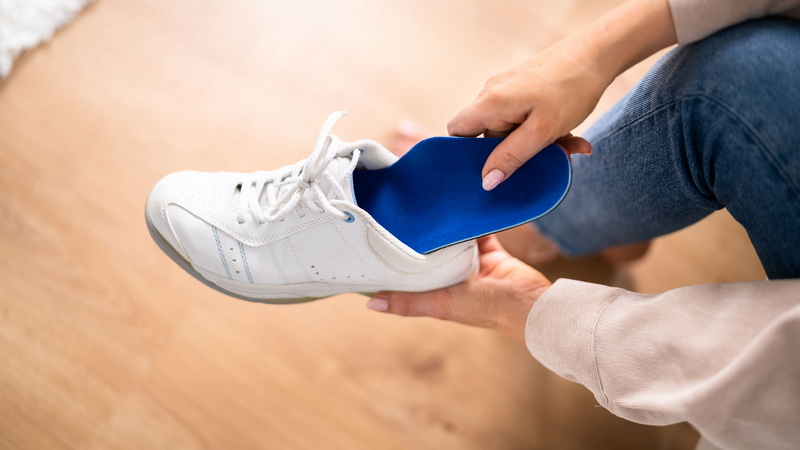
Because not every model is built the same way, the simplest way to determine whether the insole is removable is to check it manually. First, completely loosen the laces to open the throat and give your hand more access to the footbed area. Then place your fingers at the heel edge of the insole and gently pull upward; if it starts to lift as one piece, you can continue working forward toward the forefoot.
If the insert comes out smoothly, the shoe is designed for a removable insole. If you feel strong resistance, or if the foam begins to tear while the bottom layer stays attached to the midsole, the insole is likely glued or built in and should not be forced. In that situation, it is safer to use low‑profile supplemental insoles or top covers rather than trying to remove the original footbed completely.
Running is one of the categories where removable insoles are especially common. Many New Balance running shoes are built to work with custom orthotics or performance insoles that provide additional stability or cushioning. Runners with overpronation or arch issues benefit from being able to swap out the original insert for a product tuned to their gait and training volume.
However, replacing the stock insole with a thicker or more structured alternative can change the internal volume and height of the shoe. For example, adding a rigid orthotic or a high‑cushion insert can lift the foot, making the upper feel tighter and reducing toe‑box space. New Balance owners are often advised to test the new insole indoors and consider half‑size or wide‑width options if the combination feels cramped.
New Balance walking shoes and lifestyle sneakers also frequently include removable insoles, because these shoes are often worn for long hours. Workers in retail, logistics, warehousing, and healthcare appreciate being able to customize cushioning and support without breaking in an entirely new shoe every few months. For OEM brands serving these segments, removable footbeds are a clear competitive advantage.
In lifestyle and retro collections, the insole strategy can vary more widely. Some designs mimic vintage construction and may use thinner or more firmly attached insoles to preserve a particular ground feel. Others combine a classic look with modern comfort by keeping a removable insole on top of a cushioned midsole platform. This diversity shows how removable‑insole decisions can be tuned to fashion, comfort, or performance priorities.
Any time an insole is removed or replaced, the internal dimensions of the shoe change. Removing the original insert and standing directly on the midsole will usually create extra space, making the shoe feel slightly longer and deeper. This can be useful for people who need more volume for custom orthotics but do not want to change sizes.
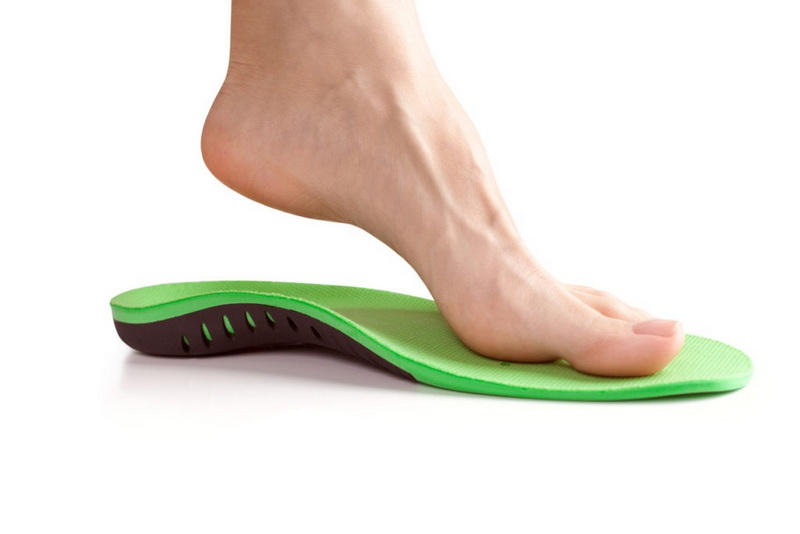
Replacing the insole with a thicker model has the opposite effect. A high‑cushion, high‑arch, or strongly contoured insole will raise the foot inside the shoe and may cause pressure on the top of the foot, the sides, or the toes. When recommending or designing removable‑insole systems, it is important to consider the interaction between insole thickness, last shape, and upper materials, especially if customers will wear the shoes for work or sports.
Replacing the original New Balance insole can revitalize a shoe that is otherwise still in good condition. Many users notice that cushioning under the heel and forefoot feels “flat” after months of use, even though the outsole and upper look fine. A well‑designed replacement insole restores softness and rebound, improving comfort while saving money compared with buying a new pair.
Another benefit is the ability to adjust support to match changing needs. A person might start with standard insoles, then move to higher‑arch or motion‑control versions if a podiatrist diagnoses a biomechanical issue. Removable insoles make this transition significantly easier, allowing the same favorite New Balance model to follow the wearer through different stages of activity or recovery.
One of the most common side effects of removable insoles is squeaking. When a new insole is slightly stiff or when moisture gets trapped under the insert, friction between the insole bottom and the midsole can produce noise. Users sometimes reduce this by lightly dusting the shoe interior with powder or placing a thin fabric layer between the insole and midsole to absorb movement.
Another issue is slipping. If the replacement insole is slightly smaller than the original or has a smooth underside, it may slide forward inside the shoe. Trimming the insole to a precise match or choosing a design with a textured bottom can help lock it in place. For OEM brands, selecting the right combination of dimensions, surface texture, and heel cup depth is critical to prevent unwanted in‑shoe movement.
For international OEM footwear manufacturers and insole suppliers, New Balance's approach demonstrates how removable‑insole design can support both consumer satisfaction and aftermarket opportunities. Designing shoes with standardized, removable insoles encourages repeat business for replacement footbeds and medical orthotics, while giving retailers a clear upsell path.
OEM insole producers can also learn from the way New Balance integrates removable footbeds into different product families. By matching typical insole lengths, widths, thicknesses, and curvatures used in popular shoes, they can promote compatibility and reduce returns. For Chinese insole factories working with overseas brands, emphasizing removable‑insole solutions that follow these benchmarks can make product lines more attractive to global buyers.
New Balance owners who want to replace or upgrade insoles should begin by confirming removability in a gentle, non‑destructive way. Once the stock insole is removed, it can be used as a template to trace and trim any new insert for a more precise fit. This reduces bulk, prevents sliding, and ensures the insole does not curl up at the toe.
It is also wise to test new insoles gradually. Wearing them for short periods at home allows the foot to adapt to new contours and cushioning levels. If discomfort or tightness appears after replacement, switching to a lower‑profile insole or a wider or longer shoe size may restore balance between support and space.
Most New Balance shoes are designed with removable insoles, especially in running, walking, and comfort‑oriented categories, but some models use more permanent or semi‑fixed footbeds. For consumers, this means it is easy in many cases to remove and replace the original insert to upgrade comfort, adapt to foot problems, or extend the life of a favorite pair. For OEM footwear and insole brands, the New Balance approach provides a valuable blueprint for designing removable‑insole systems that support customization, orthotic compatibility, and long‑term customer satisfaction.
Contact us to get more information!
Not every New Balance shoe has a fully removable insole, but the majority of modern models in core categories such as running and walking do. Some retro or specialized designs may use more adhesive or integrated footbeds that are difficult to remove.
You can check by completely loosening the laces, placing your fingers at the heel of the insole, and gently lifting upward. If the insole lifts out as one clean piece without tearing or heavy resistance, it is removable; if it feels glued down, it is better not to force it.
Yes, many New Balance models are compatible with custom orthotics and aftermarket insoles, especially those designed for running, walking, and all‑day wear. Choosing shoes with enough internal volume, or using wide or extra‑wide sizes, helps ensure that custom inserts fit without making the shoe too tight.
Replacing the insole almost always changes internal volume and feel. A thicker insole or a high‑arch orthotic raises the foot, which can make the shoe feel tighter, while removing the original insole entirely can create extra space; selecting replacements with similar thickness to the stock insert helps preserve the original fit.
Squeaking usually comes from friction or trapped air between the removable insole and the midsole. This can happen when a new insole has a very smooth underside or fits loosely; using powder or a thin fabric layer under the insole, or trimming it for a closer match, often reduces or eliminates the noise.


