
Views: 222 Author: Edvo Publish Time: 2026-01-21 Origin: Site


Content Menu
● What Shoes Insoles Actually Do
>> Key Functions of Shoes Insoles
● Who Really Needs Shoes Insoles?
>> Common Signs You May Benefit
>> Do I Need Shoes Insoles? Decision Ideas
● Main Benefits of Running Shoes Insoles
>> Comfort and Shock Absorption
>> Support, Alignment, and Efficiency
>> Injury Prevention and Pain Relief
● Potential Risks and Limitations of Shoes Insoles
>> When Shoes Insoles Can Cause Problems
● How to Choose the Right Shoes Insoles for Running
>> Step 1 – Understand Your Arch and Gait
>> Step 2 – Choose the Support and Cushion Level
>> Step 3 – Match Activity, Volume, and Shoe Type
>> Insole Selection Ideas for Brands and Retailers
● How to Use and Maintain Running Shoes Insoles
>> Correct Installation and Break‑In
>> Care Ideas for Long‑Term Use
● When to Consider Custom Orthotics Instead of Standard Shoes Insoles
>> Indications for Custom Devices
>> Over‑the‑Counter vs Custom Orthotics
● FAQ About Running Shoes Insoles
>> 1. Are Shoes Insoles necessary for new running shoes?
>> 2. Can Shoes Insoles help with plantar fasciitis?
>> 3. How long do running Shoes Insoles last?
>> 4. Will Shoes Insoles make my shoes too tight?
>> 5. Should beginners use running Shoes Insoles?
Do you really need insoles for your running shoes, or are the factory liners enough? The short answer is that good Shoes Insoles are not mandatory for every runner, but they can significantly improve comfort, support, and injury prevention for many people.
Shoes Insoles can fine‑tune fit, protect your joints on hard surfaces, and help you run more comfortably over longer distances. For brands and wholesalers, offering the right range of running Shoes Insoles means giving end‑users a practical tool to solve common running problems without changing their favorite shoes.
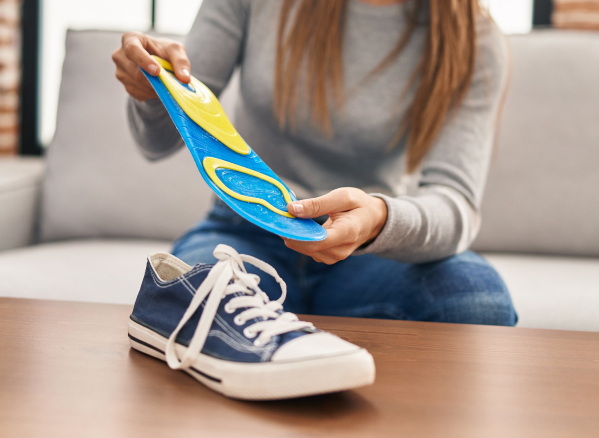
Shoes Insoles are removable inserts placed inside running shoes to change how the foot sits, how forces are absorbed, and how pressure is distributed. Instead of acting as simple padding, modern running Shoes Insoles are designed as functional components that work together with the midsole and outsole of the shoe.
A well‑designed pair of Shoes Insoles usually includes a contoured heel cup, an arch support zone, and targeted cushioning under the forefoot. These components help stabilize the foot, support the arch, and reduce peak impact at footstrike.
- Improve fit by filling empty space and reducing internal foot movement, which helps prevent blisters and hot spots.
- Add extra cushioning at impact zones like the heel and forefoot to soften landings on asphalt or concrete.
- Support the arch to guide the foot into a more neutral position, helping ankle, knee, and hip alignment.
- Redistribute pressure across the whole plantar surface so no small area takes all the load.
- Enhance overall comfort so runners can maintain training volume with less sensation of pounding and fatigue.
Not everyone needs aftermarket Shoes Insoles, especially if they have neutral feet, run low mileage, and feel no pain. However, a large percentage of recreational and even competitive runners fall into groups that can benefit from additional support and cushioning.
Shoes Insoles are especially helpful for people whose foot type or running habits put extra strain on the plantar fascia, Achilles tendon, shins, or knees. They are also a valuable solution when the upper and midsole of a shoe feel good, but the factory insole feels too thin or unsupportive.
- Your feet feel tired, sore, or “bruised” under the heel or forefoot after runs.
- You frequently experience issues such as plantar fasciitis, heel pain, arch strain, or metatarsal discomfort.
- Your shoes show strong wear on the inside or outside edges, suggesting overpronation or supination.
- You struggle with recurring injuries like shin splints, runner's knee, or IT band pain.
- You run high weekly mileage, train for marathons, or often run on very hard surfaces.
- You use lightweight racing shoes that lack cushioning and want extra protection without changing shoe size.
You can imagine a simple flow chart that helps runners decide:
- Do your feet hurt during or after running?
- Do you have flat, neutral, or high arches?
- Are your current shoes new but still uncomfortable?
Depending on the answers, the flow can recommend neutral cushioned Shoes Insoles, structured support Shoes Insoles, or a visit to a specialist.
The main benefits of running Shoes Insoles fall into three groups: comfort, support and alignment, and injury management. For many runners, one pair of well‑chosen Shoes Insoles can completely change how familiar shoes feel underfoot.
- Extra cushioning under the heel and forefoot reduces harsh impact when landing, especially on pavement.
- Soft yet resilient materials help limit the feeling of “pounding,” so feet stay fresher during long sessions.
- Better comfort often encourages runners to increase distance gradually and stick with their training plans.
- Some performance Shoes Insoles use responsive foams that return energy, making the stride feel a bit more lively.
- Shoes Insoles with properly shaped arch support can guide the foot into a more balanced position.
- Better alignment from foot to knee to hip reduces excessive inward or outward rolling during stance.
- A more stable base can lead to a smoother, more repeatable stride and improved running economy for some runners.
- Supportive Shoes Insoles are particularly useful when the midsole of the shoe is soft and needs extra structure inside.
- By redistributing load away from overloaded areas, Shoes Insoles help protect tissues like the plantar fascia and tibialis posterior tendon.
- They can lower stress on shins and knees by smoothing out rapid foot movements and limiting extreme pronation.
- Many runners find that appropriate Shoes Insoles reduce flare‑ups of plantar fasciitis, patellofemoral pain, or Achilles irritation.
- While Shoes Insoles are not a cure‑all, they form an important part of a combined strategy with strength work, stretching, and smart training.
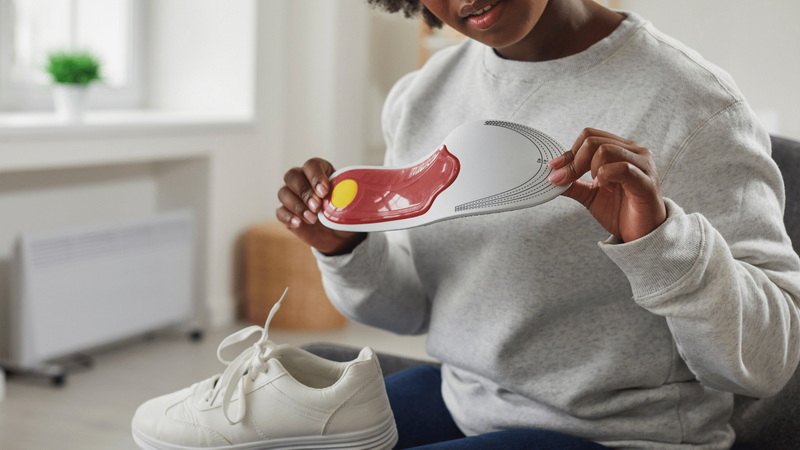
Even the best Shoes Insoles can cause problems if chosen or used incorrectly. It is important to treat them as tools that must match the individual runner, not as a universal fix.
- Overly aggressive arch support can push the foot into an unnatural position, creating new pain in the arch or ankle.
- Shoes Insoles that are too thick can make shoes too tight, compressing the toes and increasing blister risk.
- Very soft, low‑quality foam can collapse quickly, leaving the foot unsupported and unstable.
- Using strong corrective Shoes Insoles without guidance when there is a serious biomechanical issue can sometimes worsen symptoms.
- Many runners experience mild muscle or arch soreness as the body adapts to new Shoes Insoles.
- A gradual break‑in schedule is recommended: start with everyday walking or short runs, then increase time and distance.
- If sharp pain, numbness, or joint discomfort appears and persists, the runner should stop using the new Shoes Insoles and seek professional advice.
- Combining new Shoes Insoles with big training changes at the same time can make it hard to know what caused a problem, so introduce one variable at a time.
Choosing running Shoes Insoles is not only about picking a size; it is about matching arch type, support level, volume, and running purpose. For OEM customers, clearly labeled insole families help retailers and runners make the right choice quickly.
- Determine whether your arch is low, neutral, or high using a wet‑foot test or professional evaluation.
- Low arches and strong overpronation often require firmer, more structured Shoes Insoles.
- Neutral arches usually do well with moderate structure and cushioning.
- High arches usually need more cushioning and gentle support that does not aggressively push into the arch.
- For flat or very flexible feet, select Shoes Insoles with a defined medial arch and a deep heel cup for stability.
- For high‑arched runners, pick Shoes Insoles with generous cushioning and a more flexible shell that allows natural foot motion.
- Lighter runners may prefer softer foams, while heavier runners often need denser materials that resist compression.
- Runners doing long‑distance training might choose thicker, protective Shoes Insoles, while racers might switch to thinner versions for lighter overall weight.
- Daily trainers and long‑run shoes pair well with durable, supportive Shoes Insoles that keep their shape over many miles.
- Lightweight racing flats and carbon super‑shoes sometimes have limited internal volume, so low‑volume Shoes Insoles fit better.
- Trail runners may benefit from Shoes Insoles with extra heel cupping and forefoot protection for uneven terrain.
- People who stand all day for work can also repurpose certain running Shoes Insoles for daily comfort in casual shoes.
- Create a simple matrix with arch type on one axis and cushioning level on the other to guide users.
- Use clear labeling on packaging such as “High Cushion / Neutral Support,” Control Support for Flat Feet,” or “Lightweight Cushion for Racing.
Correct use and simple maintenance help Shoes Insoles perform better and last longer. This also reduces returns and increases customer satisfaction for brands and distributors.
- Always remove the original factory liner before inserting new Shoes Insoles to avoid overcrowding.
- Use the stock liner as a trimming template, cutting carefully around the toe area until the Shoes Insoles fit smoothly.
- Ensure the heel of the Shoes Insoles sits flat in the heel cup with no curling edges or bumps underfoot.
- Start by wearing them for short walks or easy runs, then gradually build up to full‑length sessions over one to two weeks.
- Remove Shoes Insoles regularly after runs to let moisture evaporate and reduce odor and bacteria.
- Clean the surface gently by hand using mild soap and water or a suitable cleaner, then air‑dry completely away from heat.
- Inspect for signs of wear such as flattened cushioning, cracks, or peeling top covers.
- Replace Shoes Insoles when they feel dead underfoot, when your old discomfort returns, or typically after a similar distance to the life of the shoe.
- Alternate between two pairs of Shoes Insoles if you run or stand for long hours every day.
- Avoid machines and high heat, which can deform foam and plastic components.
- Store running Shoes Insoles in a dry, ventilated space when not inside shoes.
For some runners, standard Shoes Insoles are not enough, especially when they face complex or severe biomechanical issues. In these situations, custom orthotics made by a medical professional may be a better solution.
- History of major structural problems such as significant leg‑length discrepancy or pronounced deformities.
- Chronic, stubborn pain that does not respond to high‑quality Shoes Insoles, appropriate shoes, and sensible training.
- Post‑surgical conditions where a doctor recommends specific corrections that standard devices cannot provide.
- Systemic diseases, such as certain forms of arthritis, where precise offloading of pressure is medically necessary.
- Over‑the‑counter Shoes Insoles are ideal for most mild to moderate issues, providing an affordable and accessible upgrade.
- They are easier to replace, switch between shoes, and adjust by trimming.
- Custom orthotics are more expensive but offer a tailored design based on scans or molds of the foot.
- Because they strongly influence biomechanics, custom orthotics should be prescribed and monitored by a qualified professional.
Shoes Insoles are not an automatic requirement for every runner, but they are a powerful way to enhance comfort, support, and performance for many people. When chosen to match your arch type, running style, and shoe volume, the right Shoes Insoles can reduce pain, smooth out your stride, and help you enjoy more consistent training.
For brands, wholesalers, and OEM customers, offering a well‑designed range of running Shoes Insoles is a strong value‑add for foreign markets. It allows your customers to keep using their preferred shoes while solving common problems like discomfort, fatigue, and minor alignment issues. The key is education: show runners how to select, adjust, and care for their Shoes Insoles so they become a long‑term partner in healthy, enjoyable running.
Contact us to get more information!
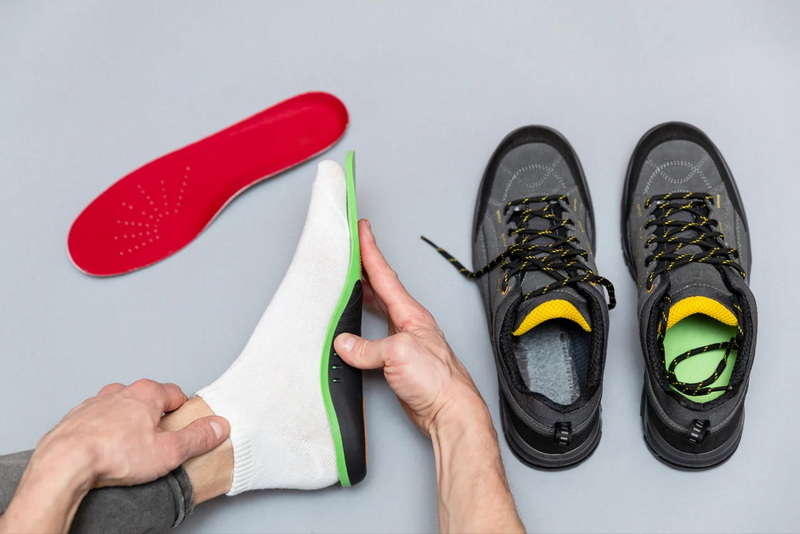
Not always. Many runners feel perfectly fine using only the stock liners that come with their shoes, especially if they have neutral feet and low mileage. However, if you experience discomfort, arch fatigue, or recurring pain in new shoes, upgrading to dedicated running Shoes Insoles is often an easy and effective solution.
Yes, supportive Shoes Insoles can help reduce heel and arch pain linked to plantar fasciitis. By cradling the heel and supporting the arch, they decrease tension on the plantar fascia and redistribute pressure away from sensitive areas. For best results, combine Shoes Insoles with stretching, gradual training changes, and suitable footwear.
The lifespan of running Shoes Insoles depends on mileage, body weight, materials, and running surfaces, but in many cases they last a similar distance to the shoes themselves. Once cushioning feels flat, support is less noticeable, or old pains return, it is a sign that the Shoes Insoles need to be replaced. Heavy runners or those training on very hard surfaces might need to replace them more frequently.
They can if the insoles are very thick or if you leave the original liner in the shoe. Always remove the factory insole before inserting new Shoes Insoles, and choose a thickness that matches your shoe's internal volume. If you are between sizes or use substantial support, consider sizing your running shoes with your preferred Shoes Insoles in place.
Beginners with no history of foot or joint issues can start with standard running shoes and only add Shoes Insoles if they notice problems. On the other hand, new runners who already know they have flat feet, high arches, or prior injuries often benefit from starting with appropriate Shoes Insoles right away. This can make the transition into regular running more comfortable and reduce the risk of early overuse injuries.
1. https://currex.com/blogs/news/7-reasons-why-you-need-insoles-in-running-shoes
2. https://www.irunfar.com/best-running-insoles
3. https://www.roadrunnersports.com/blog/how-to-know-you-need-running-insoles
4. https://www.superfeet.com/blogs/running/running-insoles-benefits-differences-between-the-run-and-adapt-lines
5. https://bauerfeind.com.au/blogs/news/enhancing-your-stride-why-running-insoles-make-a-difference
6. https://www.rei.com/learn/expert-advice/insoles.html
7. https://insoles.com/pages/how-to-care-for-your-insoles
8. https://treadlabs.com/blogs/insoles-reach-your-stride/how-to-clean-shoe-insoles-essential-care-guide
9. https://solestar.com/en-us/blogs/news/are-running-insoles-worth-it
10. https://insoles.com/pages/how-to-choose-the-right-insole


