
Views: 222 Author: Edvo Publish Time: 2025-12-06 Origin: Site


Content Menu
● Understanding Orthotic Insert Breakdown
● How Long Orthotic Inserts Usually Last
● Main Factors That Control Durability
● The Role of Materials in Breakdown
● How Usage Patterns Affect Lifespan
● Body Weight and Foot Mechanics
● Visible and Invisible Signs of Wear
● When to Replace Orthotic Inserts
● How Better Design Slows Breakdown
● Material Choices for Longer‑Lasting Inserts
● How Care Habits Influence Breakdown
● Benefits of Regular Replacement
● How Professional Buyers Can Manage Product Lifespan
● Custom Solutions from a Leading OEM Factory
● FAQ
>> 1. How often should orthotic inserts be replaced?
>> 2. Can I keep using inserts if they are a bit worn but still feel okay?
>> 3. Do custom orthotics last longer than standard insoles?
>> 4. Does washing orthotic inserts damage them?
>> 5. How can an OEM factory help improve insert lifespan for my brand?
Orthotic inserts do break down over time because every step gradually compresses their cushioning and stresses their support structure. The speed of this process depends on material quality, user weight, activity level, footwear, and daily care habits.
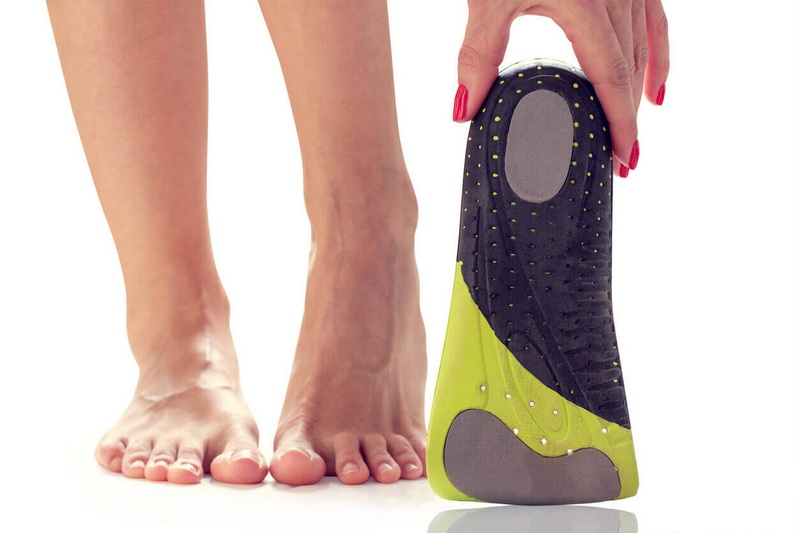
When people talk about inserts “wearing out,” they usually mean that the product no longer delivers the same level of cushioning, arch support, and stability that it provided when new. The surface may still look acceptable, but the internal structure and foams can slowly lose their original performance.
Over time, repeated loading causes the cushioning layers to stay slightly flattened instead of fully springing back. The supporting shell can also lose some of its original stiffness, so the insert controls foot motion less effectively than before. Eventually comfort drops, previous pains may return, and users feel they no longer get enough support.
There is a wide lifespan range for inserts, from relatively short for basic comfort products to much longer for premium orthotic devices. Softer, purely cushioning inserts typically provide their best performance only for a limited period under regular daily wear. Higher‑grade, semi‑rigid or custom‑grade devices hold up significantly longer when properly used and maintained.
The expected life also depends on how intensely the products are used. Daily walking on hard floors for many hours, frequent sports, and long standing shifts shorten the effective service time. In contrast, light, occasional use in a clean, dry environment allows the same product to stay functional for a longer period.
Several key factors decide how fast an orthotic insert breaks down and needs replacement. Understanding these elements helps consumers choose more suitable products and helps professional buyers define clear specifications.
- Material type and density
- Overall design and structure
- User body weight and foot biomechanics
- Activity level and environment
- Footwear fit and compatibility
- Care, cleaning, and storage practices
Each of these factors influences how quickly cushioning compresses, how long the shell keeps its shape, and how well the top cover resists abrasion and moisture.
Material choice is one of the strongest predictors of longevity. Softer cushioning foams feel very comfortable at first but generally compress faster. Denser foams, advanced elastomers, and engineered plastics resist permanent deformation better, so they maintain support for longer.
Rigid or semi‑rigid materials in the support shell help preserve arch shape and alignment control. Flexible but resilient polymers can absorb shock while returning to their original geometry. High‑quality top fabrics and lining materials resist wear from friction and sweat, helping the insert stay hygienic and structurally sound.
Daily routines strongly influence how long orthotic inserts stay effective. A person who stands all day on hard surfaces or does high‑impact sports puts far more stress on inserts than someone who mostly sits, with only short walks.
Users who wear the same pair in only one set of shoes every day will compress cushioning much more quickly than those who rotate several pairs. Environments with heat, humidity, and frequent moisture exposure also accelerate material fatigue, odor, and possible deformation.
Heavier users apply more load to each step, especially on the heel and forefoot, which speeds up compression of cushioning layers. People with pronounced flat arches or high arches often create concentrated pressure zones, leading to faster wear in specific areas of the insert.
Overpronation, supination, and other biomechanical patterns also affect how forces travel through the foot and the insole. When the insert is not well matched to the user's foot type, some areas overload and break down faster than the overall product.
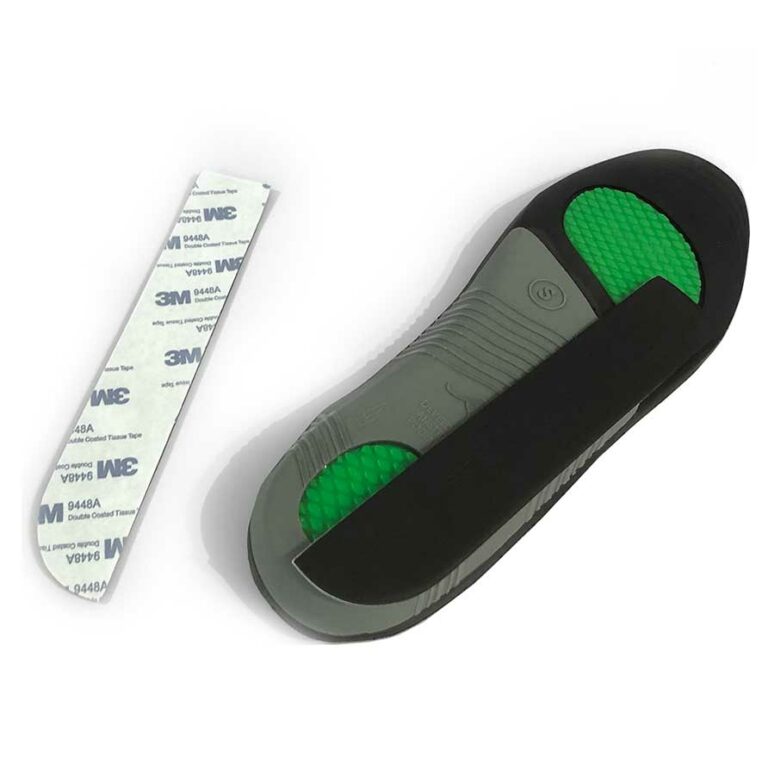
Even a well‑made insert can break down early if it is used in the wrong type of footwear. An insert that is too long or too wide may bend upward at the heel or front, stressing the materials at the edges and causing creasing.
If the shoe is too tight, the insert can be compressed sideways and lose its natural shape. Shoes that are very flexible in the midfoot or heavily worn on the outsole may also force the insert to work harder to stabilize the foot, increasing fatigue on the supporting shell.
Breakdown happens in both visible and invisible ways. Visible signs include:
- Flattened or thinned cushioning under the heel or ball of the foot
- Worn, fraying, or peeling top covers
- Cracked, curling, or separating edges
- Persistent odors despite normal cleaning
Invisible or less obvious signs are often more important, such as returning pain in feet, ankles, knees, or lower back, and a general feeling that shoes no longer feel as comfortable or stable as before. Users may not immediately connect these symptoms to worn inserts, but they are often an early warning.
There is no rigid calendar rule that fits every person, but certain practical guidelines help. In general, inserts should be replaced when:
- Comfort has noticeably decreased compared with the initial use
- Previous symptoms (such as heel or arch pain) are coming back
- The insert no longer feels stable inside the shoe
- There are clear signs of surface or structural damage
For users who rely on orthotics to manage chronic foot conditions, regular professional checks are particularly important. A podiatrist or foot specialist can evaluate whether the current device is still providing proper correction or if it has broken down enough to require refurbishment or replacement.
Well‑engineered inserts are designed not only for comfort, but also to control how they age. Several design strategies help slow breakdown:
- Multi‑layer construction that separates cushioning, support, and lining functions
- Contoured shells that spread load more evenly across the foot
- Reinforced heel cups to stabilize the rearfoot and protect edges
- Strategic cutouts or pads that relieve pressure on sensitive areas
These design choices reduce peak stress points inside the insert. They help the product maintain its original shape, support, and cushioning performance even after long periods of use.
From a product development viewpoint, choosing the right combination of materials is the foundation of durable orthotic inserts. Softer cushioning materials can be combined with denser base layers so that the surface feels comfortable but the overall structure stays strong.
Support shells made from advanced plastics or composites provide a stable platform for the softer layers above. Breathable, abrasion‑resistant top fabrics protect the core materials from sweat, dirt, and friction, which further extends functional life.
User habits can either protect or accelerate the breakdown process. Good care practices include:
- Removing inserts from shoes regularly to allow full drying
- Keeping products away from strong heat sources during drying
- Cleaning gently with mild agents and avoiding harsh chemicals
- Storing inserts flat, rather than folded or tightly compressed
- Rotating between more than one pair when possible
These habits reduce the impact of moisture, heat, bacteria, and mechanical stress. They help both cushioning and shell materials recover after a day of use, slowing the loss of height, shock absorption, and stiffness.
Though many people try to keep inserts for as long as possible, timely replacement brings real benefits. Fresh inserts restore full cushioning and support, which can improve comfort, reduce fatigue, and help prevent recurrence of foot and leg pain.
For people with specific medical or biomechanical needs, updated inserts can also reflect changes in body weight, activity level, or health status. Periodic review ensures that the support solution always matches current conditions rather than an older situation that may no longer apply.
For overseas brands, wholesalers, and footwear manufacturers working with an OEM supplier, durability is a critical part of product positioning. Clear communication on target use cases, expected replacement cycles, and customer price range allows the factory to recommend the most appropriate material combinations.
By offering different durability tiers, such as daily comfort, active use, and professional or medical‑level support, a supplier can help partners cover multiple market segments. Transparent information on care and replacement timing can be printed on packaging and shared on websites to manage expectations and reduce after‑sales issues.
As a leading manufacturer of insoles and orthotic inserts in China, serving global brands, wholesalers, and producers, an OEM factory can tailor each project to match the desired balance between comfort, lifespan, and price. This includes:
- Adjusting foam densities and hardness levels for different user groups
- Designing shell shapes to suit various arch types and sports or work environments
- Selecting top cover fabrics that balance breathability, moisture control, and abrasion resistance
- Providing professional advice on recommended replacement intervals for each product line
With modern production equipment and strict quality control, it is possible to supply international partners with consistent, reliable inserts that break down more slowly and keep customers satisfied for longer.
Orthotic inserts inevitably break down over time because every step compresses their cushioning and stresses their supporting structure, even when this is not immediately visible. The real key is not avoiding breakdown completely, but managing it through smart material choices, careful design, correct footwear pairing, good daily care, and timely replacement. When these elements work together, users enjoy lasting comfort and support, and brands that partner with a professional OEM manufacturer can offer durable, high‑value products that meet the expectations of demanding international markets.
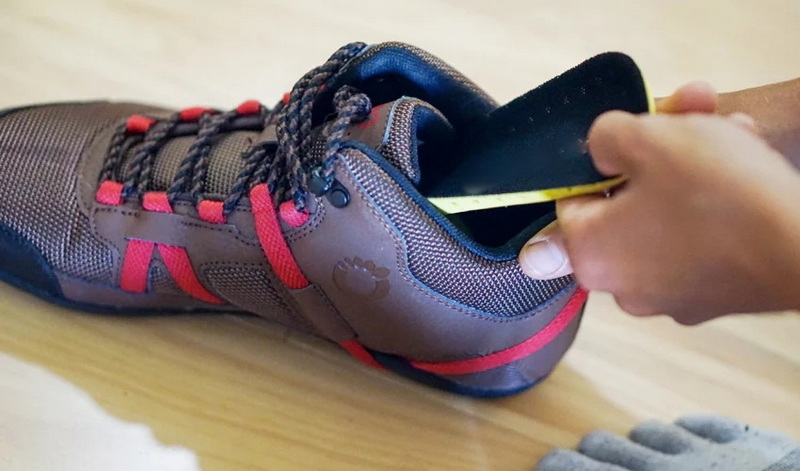
Replacement timing depends on material quality, body weight, and activity level, but many users benefit from reviewing their inserts at regular intervals. If comfort has decreased or pain has returned, it is usually time to consider a new pair or a professional check.
They can be used as long as they continue to provide comfort, stability, and support. However, once cushioning has noticeably flattened or symptoms begin to return, continued use may no longer deliver the intended benefits.
Custom devices are usually built with higher‑grade materials and more robust shells, so they often stay structurally sound for a longer period than basic off‑the‑shelf products. Even so, the top cover and cushioning layers will eventually wear and may need refurbishment or replacement.
Gentle cleaning with mild agents and air drying away from strong heat is usually safe and supports hygiene. Aggressive scrubbing, harsh chemicals, or exposure to very high temperatures can damage materials and speed up breakdown.
An experienced OEM factory can recommend materials, designs, and production processes that match your target durability and price level. By optimizing foam density, shell geometry, and cover fabrics for your customers' real‑world use, the factory helps extend product life and reduce returns.


