
Views: 222 Author: Edvo Publish Time: 2025-09-24 Origin: Site


Content Menu
● Common Conditions Treated by Orthotic Insoles
>> Flat Feet and Overpronation
>> Heel Spurs
>> Other Foot-Related Conditions
● Benefits of Orthotic Insoles
● Limitations and Considerations
● How to Choose the Right Orthotic Insoles?
● How to Care for Your Orthotic Insoles
● Orthotic Insoles in Sports and Physical Activity
● Case Study: Improving Mobility with Orthotic Insoles
● FAQ
>> 1. What are orthotic insoles made of?
>> 2. Can I wear orthotic insoles in any type of shoe?
>> 3. How long does it take to feel benefits from orthotic insoles?
>> 4. Are custom orthotics better than over-the-counter options?
>> 5. Can children use orthotic insoles?
Orthotic insoles have gained widespread popularity as a remedy for foot discomfort, pain relief, and posture improvement. But do orthotic insoles really help? This comprehensive article explores how these specially designed inserts work, their benefits, limitations, and how to choose the right orthotic insoles for your needs. With detailed explanations, you'll gain a deeper understanding of whether orthotic insoles can be your solution to foot health issues.
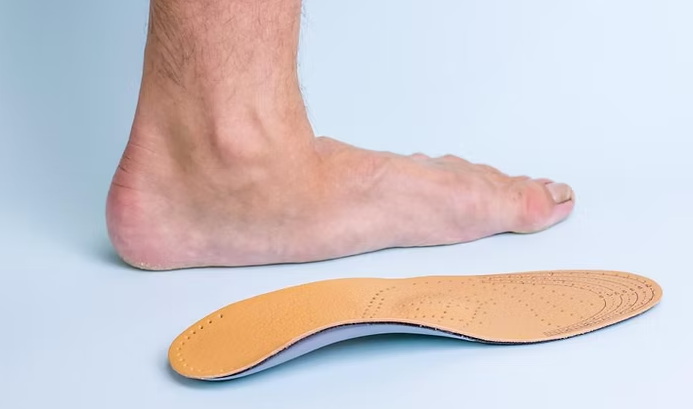
Orthotic insoles are specially engineered shoe inserts designed to support, align, and improve the function of the feet. They can be custom-made or pre-fabricated and aim to correct abnormal foot mechanics such as flat feet, high arches, or overpronation.
Orthotic insoles redistribute pressure on your feet, reducing strain on muscles, ligaments, and joints. By supporting the arch and heel, they promote proper alignment of the foot and ankle, which can positively affect the knees, hips, and lower back alignment.
Orthotic insoles help absorb shock and provide arch support to relieve pain caused by plantar fasciitis, a common foot condition characterized by heel pain. This condition involves inflammation of the connective tissue on the bottom of the foot, which orthotics help ease by distributing foot pressure more evenly.
For individuals with flat feet, orthotic insoles provide the necessary arch support that corrects overpronation, helping to redistribute forces evenly during walking or running. Overpronation can lead to pain in the ankles, knees, and hips, so orthotics assist in realigning the kinetic chain.
Orthotics cushion and reduce pressure on heel spurs — bony protrusions that cause discomfort when walking or standing. Cushioning pads in the orthotics reduce shock and alleviate associated pain.
By improving foot alignment, orthotic insoles may reduce strain on joints, assisting in pain management for arthritis patients. Proper alignment can help distribute weight load more evenly, minimizing joint stress.
Orthotic insoles may also provide relief for metatarsalgia (pain in the ball of the foot), bunions, diabetic neuropathy-related foot issues, and general foot fatigue.
These insoles are designed based on a detailed foot scan or mold. Custom orthotics offer precise support and correction tailored to an individual's foot structure and gait abnormalities. They typically involve a consultation with a podiatrist and can address complex biomechanical problems.
Mass-produced and available in various sizes and support levels, these insoles provide general comfort and mild corrections. They can be purchased easily without prescription and are ideal for initial foot support or minor discomfort.
Semi-custom insoles combine features of both custom and OTC insoles. They often include heat-moldable materials that allow users to adapt the fit, offering a better balance of comfort and correction at a lower cost than fully custom orthotics.

Orthotic insoles offer a wide range of benefits:
- Improved Foot Alignment and Posture: Proper foot support can correct abnormal gait patterns, enhancing overall body posture and reducing compensatory strain.
- Reduction in Foot, Knee, and Lower Back Pain: By correcting biomechanical imbalances, orthotics help alleviate discomfort not only in the feet but also in the knees and lower back.
- Enhanced Comfort During Daily Activities and Sports: Shock absorption and pressure redistribution make walking, running, and standing more comfortable.
- Shock Absorption and Pressure Relief: By cushioning high-impact areas, orthotics protect sensitive tissues and prevent inflammation.
- Prevention of Further Foot Deformities and Injuries: Timely use of orthotics can slow down the progression of conditions such as flat feet or bunions by supporting healthy foot function.
While orthotic insoles can be highly beneficial, they are not a universal cure-all solution. Some limitations include:
- Improper Fit or Usage: Ill-fitting orthotics may aggravate symptoms rather than alleviate them. It is critical to have insoles properly fitted to your feet and footwear.
- Adjustment Period: It may take a few days to weeks to adapt to wearing orthotics consistently. Some discomfort initially is normal but persistent pain should be evaluated by a professional.
- Not Suitable For All Conditions: Severe foot deformities, infections, or systemic diseases may require additional medical intervention beyond orthotics.
- Cost and Accessibility: Custom orthotics, while highly effective, can be expensive and may not be accessible to all individuals.
To maximize benefits, orthotics should be used in conjunction with proper footwear, stretching exercises, and periodic professional evaluations.
Selecting the appropriate orthotic insoles depends on individual needs:
- Assess Your Foot Type and Conditions: Identifying whether you have flat feet, high arches, or specific pains helps direct the choice between OTC and custom solutions.
- Decide Between Custom, Semi-Custom, or OTC: Severity of foot problems and your budget influence this decision. Mild discomfort can often be managed with OTC products, while complex issues require professionally made orthotics.
- Consider Support and Cushioning Materials: Materials vary from firm plastics for structural support to gels and foams for cushioning.
- Test for Fit and Comfort: Insoles must match your shoe size and shape. Ensure they do not cause pressure points or restrict foot movement.
- Consult Specialists: A podiatrist, physiotherapist, or orthopedic specialist can provide evaluation and recommendations.
Proper maintenance extends the lifespan and effectiveness of orthotic insoles:
- Cleaning: Hand wash insoles regularly using mild soap and lukewarm water. Avoid machine washing and drying as this damages the material.
- Drying: Air dry fully before reinserting into shoes. Avoid direct sunlight or heat sources which can deform insoles.
- Replacement: Replace insoles every 1 to 2 years or when signs of wear and loss of support appear.
- Rotation: Have alternate pairs to rotate through your footwear, reducing wear and enhancing longevity.
Athletes frequently use orthotic insoles to enhance performance and prevent injuries. Sports place increased impact and stress on feet, so orthotics provide arch support, shock absorption, and correction of gait anomalies that can lead to overuse injuries.
Many runners and cyclists report improved endurance and reduced incidence of shin splints, knee pain, and plantar fasciitis symptoms when using appropriate orthotics. However, it's critical to select sport-specific insoles designed for the particular demands of the activity.
Meet Sarah, a long-distance runner who struggled with recurring heel pain due to plantar fasciitis. After consulting a podiatrist, she was prescribed custom orthotic insoles. Within two weeks of wearing them consistently, her heel pain significantly reduced. Sarah could train longer without discomfort and successfully completed her marathon goals. This real-life example demonstrates how customized orthotics can be instrumental in managing foot pain and enhancing physical performance.
Orthotic insoles offer substantial help for many common foot problems by providing targeted support, improving foot mechanics, and reducing pain. While they are not a universal solution, with proper selection and usage, they can significantly improve foot health and overall mobility. Consulting healthcare professionals and choosing the right insole type will maximize benefits and prevent further complications. Whether addressing chronic conditions or enhancing athletic performance, orthotic insoles are valuable tools in foot care management.

Orthotic insoles are typically made from materials such as foam, gel, plastic, or carbon fiber that provide varying degrees of support and cushioning.
Orthotic insoles can fit in most shoes, but it is best to use shoes with removable insoles and enough depth to accommodate them comfortably.
Most users experience relief within a few days to a few weeks, but adjustment periods vary based on individual conditions.
Custom orthotics provide precise correction for specific foot problems, but OTC insoles may suffice for mild discomfort or general support.
Yes, children with conditions like flat feet or gait abnormalities can benefit from orthotic insoles under professional guidance to support healthy development.


