
Language


Content Menu
● Understanding Orthotic Insoles
● Why Orthotic Insoles Wear Out
>> Constant Pressure and Compression
● Average Lifespan of Orthotic Insoles
● Signs That Orthotic Insoles Need Replacement
● Factors Affecting Insole Durability
● How to Extend the Lifespan of Orthotic Insoles
>> Store Shoes in Ventilated Areas
>> Replace Shoe Liners When Needed
>> Follow OEM Cleaning Guidance
● Advanced Materials in Modern Orthotic Insoles
● Replacement Recommendations for Different Users
>> For Sports and Fitness Users
>> For Footwear Brands and OEM Buyers
● Environmental Considerations in Orthotic Replacements
● Testing and Quality Assurance in Insole Manufacturing
● The Role of User Education in Insole Longevity
● How to Dispose of Old Insoles Responsibly
● FAQ
>> 1. How often should orthotic insoles be replaced?
>> 2. Do custom orthotics last longer than prefabricated ones?
>> 3. How do I make my insoles last longer?
>> 4. What are the most durable materials for orthotics?
>> 5. Can worn-out insoles cause health issues?
Foot health plays an essential role in overall well-being and daily comfort. Orthotic insoles, whether for medical therapy, athletic performance, or occupational safety, are designed to support the body's structure and reduce stress on feet, ankles, and joints. However, these functional devices are not meant to last forever. Over time, orthotic insoles experience the same wear and fatigue that affect any material subjected to repeated stress.
Understanding how and why orthotic insoles wear out, and knowing when to replace them, benefits individual users and businesses in the footwear supply chain alike. For manufacturers and global brands, durability also defines product reputation and customer trust. Let's explore everything you should know about the lifespan, maintenance, replacement, and material science behind orthotic insoles.
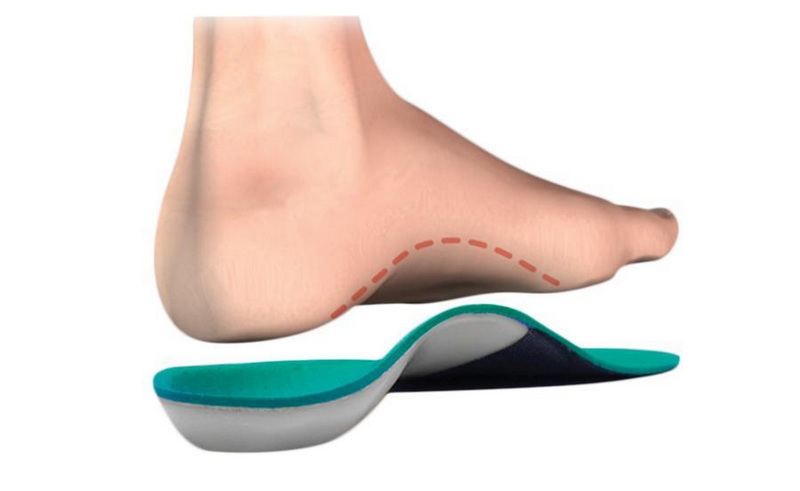
Orthotic insoles are inserts placed inside shoes to improve alignment, relieve pain, and enhance performance. They work by redistributing pressure across the foot and correcting biomechanical imbalances. Depending on their purpose, they may provide arch support, heel stabilization, or full-foot cushioning.
1. Custom orthotics
These are made from precise measurements of an individual's feet using digital scanning or molding. Designed for medical conditions like plantar fasciitis or overpronation, they offer tailored correction and maximum comfort.
2. Prefabricated orthotics
Mass-produced orthotics come in standard sizes, shapes, and materials. They are popular among footwear brands, wholesalers, and OEM buyers seeking reliable support products for large-scale distribution.
3. Functional orthotics
Built for motion control, these insoles improve gait, balance, and posture, often used by athletes or workers who stand for long periods.
4. Accommodative orthotics
These prioritize cushioning and comfort over corrective positioning. They're ideal for diabetic or elderly users needing pressure redistribution.
Even though orthotic insoles are designed for daily performance, they gradually lose effectiveness with continuous use. Several natural and external factors contribute to this process.
Each step places pressure on the insole's structure. Over months of use, even high-density materials begin to compress and lose their rebound capacity. This results in a flatter, less supportive profile.
Human feet produce moisture and heat during movement. When absorbed into foam or fabric layers, the combination accelerates wear, promotes odor, and weakens adhesive bonds. High-humidity climates can shorten the functional life span of insoles by several months.
Like any load-bearing structure, the microcellular composition of insoles breaks down under constant bending and stretching. Material fatigue leads to thinning, cracking, or hardening of layers.
Inadequate cleaning methods—such as soaking, drying under direct sun, or exposure to strong detergents—can deform materials and shorten usability. Regular yet gentle maintenance is vital.
Runners, hikers, and industrial workers subject orthotics to heavier impact, meaning more rapid degradation. On the other hand, office workers or casual walkers often enjoy a longer lifespan between replacements.
The general life expectancy of orthotic insoles falls between 6 months and 2 years, depending on their materials, frequency of use, and environment. However, lifespan alone does not define suitability; regular inspections are essential.
| User Category | Typical Lifespan | Description |
|---|---|---|
| Everyday users | 12 to 18 months | Moderate wear from daily use. |
| Office workers | Up to 24 months | Low physical strain and longer durability. |
| Athletes and runners | 6 to 12 months | High-impact and compression cycles shorten life. |
| Industrial workers | 9 to 15 months | Steady pressure and perspiration affect structure. |
| Medical users | 12 to 24 months | Longevity varies depending on consistency of use and weight. |
For OEM or brand applications, durability tests during production ensure consistency. Manufacturers often perform compression, rebound, and flexing cycles to predict lifespan, helping produce insoles that balance cost and performance.
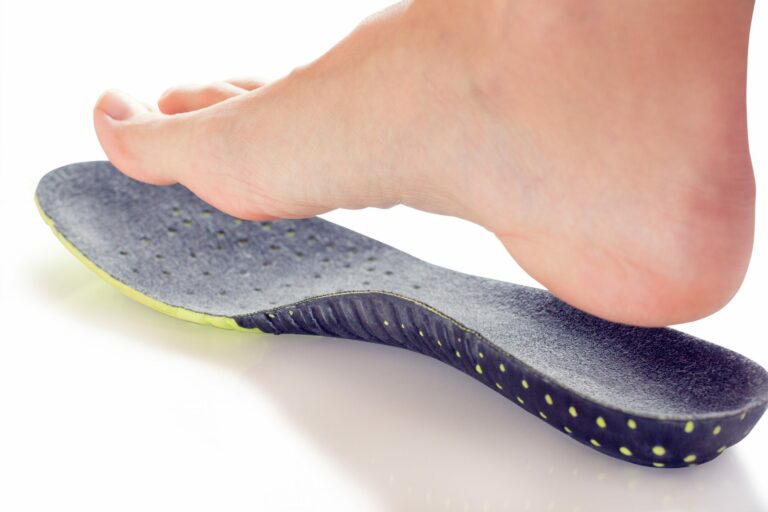
Replacing insoles before total failure prevents foot pain, helps maintain posture, and ensures hygiene. Some warning indicators include:
- Noticeable flattening or structural hardness under pressure zones.
- Uneven surface wear that throws off balance or gait.
- Persistent discomfort or the return of old pain symptoms.
- Splitting, cracks, or loss of cushioning under the heel.
- Odor that remains after cleaning.
- A looser fit inside shoes due to thinning material.
In some cases, an individual may unconsciously adjust their walking pattern to compensate for worn orthotics, potentially leading to ankle, knee, or hip strain. Proactive replacement helps avoid secondary injuries.
Durability depends not only on materials and usage but also on manufacturing quality and product design.
EVA foam, polyurethane (PU), and memory foam are the most common insole materials. Polyurethane generally offers better resilience than EVA but is slightly heavier. For professional or therapeutic orthopedic models, carbon fiber, thermoplastic elastomers, or high-density resin provide extended structural stability.
Compression molding and injection forming create denser, more uniform layers than simple die cutting. Multi-layered lamination adds shock absorption while reinforcing bending areas.
Full-length orthotic insoles typically distribute stress better than partial or 3/4-length versions. Added heel cups and arch bridges also slow deformation.
Shoes with inadequate space or poor heel counters distort the orthotic's position, causing premature material stress. A proper match between footwear and insole is crucial.
Though wear is inevitable, consistent care helps extend their usability and retains support performance.
Owning two pairs and alternating them daily allows each set to decompress and dry naturally. This simple practice can extend service life by several months.
Wipe insoles regularly with a damp cloth and mild soap. Allow them to air dry completely before reuse. Avoid machine washing or tumble drying.
Airflow prevents bacteria buildup, controlling odor and moisture that degrade materials faster.
Sometimes shoes themselves wear out faster than insoles, affecting insole stability. Using new liners enhances overall comfort.
For B2B buyers, manufacturers can provide assembly and maintenance guidelines that end-users follow to achieve the best longevity outcomes.
Modern technology has brought new materials and production innovations to enhance both comfort and durability.
- Gel Inserts: Improve shock absorption while resisting breakdown better than soft foams.
- Carbon Fiber Shells: Extremely lightweight with excellent rigidity, preventing material fatigue.
- Cork Base Layers: Natural and breathable, maintaining shape over long-term use.
- Memory Foam: Excellent for comfort, though less durable under constant compression.
- Thermoplastic Frames: Used in OEM production to maintain consistent arch support throughout repeated flexing cycles.
Manufacturers continually test combinations of these materials to meet various application needs—from running shoes to work boots to diabetic insoles.
Runners and gym enthusiasts should inspect their insoles every few months, especially after high-mileage use. Once compression marks appear or support feels diminished, replacement ensures consistent performance and safety.
Insoles used in retail, manufacturing, or healthcare environments should be swapped yearly or sooner. Fatigued cushioning can contribute to leg discomfort and joint pain during extended standing.
Those prescribed orthotics for specific foot conditions should have regular podiatric evaluations. Even durable custom models lose structural accuracy after a year or two as the foot's shape evolves.
Brands sourcing insoles from Chinese OEM manufacturers can achieve cost-effective, high-quality results by selecting experienced suppliers. Reliable OEM partners offer durability testing, verified materials, and compliance with international quality standards—critical factors for standing out in global retail markets.
Sustainability is becoming a central theme in the footwear industry. Traditional insoles made from non-recyclable EVA or PU contribute to waste if discarded improperly. Progressive manufacturers now focus on environmentally responsible production.
Natural latex, cork, bamboo fiber, and bio-based foams reduce dependency on petroleum resources. These materials decompose faster after disposal and carry lower environmental footprints.
Certain thermoplastic designs allow mechanical or chemical recycling—repurposing old insoles into new materials for future production cycles.
Manufacturers increasingly integrate closed-loop production systems, cutting offcuts and reusing reprocessed fibers. Such strategies resonate with both eco-conscious consumers and brand partners aiming for sustainability certification.
Durability begins at the production stage. Reputable manufacturers conduct detailed quality-control procedures to meet customer requirements, including:
- Compression tests to evaluate deformation under repeated stress cycles.
- Flex tests ensuring flexibility and material recovery after bending.
- Abrasion tests measuring surface resistance against friction.
- Moisture and heat resistance tests ensuring comfort under real-world conditions.
For OEM buyers, selecting factories with comprehensive QC processes ensures that each insole maintains performance consistency over time. This quality reliability strengthens brand reputation and minimizes return rates.
No matter how well an insole is made, improper usage shortens its service life. Retailers and brand distributors can educate customers by providing small informational cards or online resources about cleaning, rotation, and replacement indicators. A well-informed buyer is more likely to experience satisfaction and remain loyal to the brand.
For medical or sports distributors, offering post-purchase guidance adds value and professional credibility. OEM manufacturers can support partners with educational materials and visual manuals tailored to different market segments.
When orthotic insoles reach the end of their life, most users simply discard them. However, small habits can help reduce environmental harm:
- Remove insoles separately when recycling shoes.
- Reuse lightweight foam or cork insoles for gardening, packing, or low-pressure footwear.
- Participate in local shoe recycling programs that accept inserts.
- Support brands that offer “take-back” initiatives for used orthotics.
These simple actions allow everyday consumers and business buyers to contribute to a cleaner manufacturing ecosystem.
Orthotic insoles are a critical component of footwear comfort and health. While they eventually wear out due to pressure, moisture, and material fatigue, proper care and timely replacement ensure lasting support and comfort. Average longevity ranges from six months to two years, influenced by usage intensity, environment, and material type.
For international brands and wholesalers, partnering with a dependable Chinese orthotic insole OEM manufacturer ensures products that balance durability, design, and affordability. By combining advanced material science, sustainable production, and quality-focused practices, OEM suppliers can produce long-lasting insoles that meet evolving global standards. Whether for everyday users or specialized medical needs, well-designed orthotics contribute not just to comfort—but to long-term health, mobility, and quality of life.
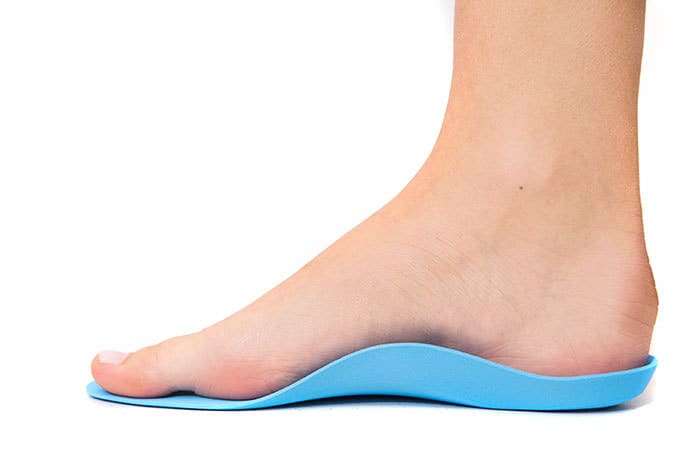
Most users should replace insoles every 12 to 18 months. High-impact sports or heavy daily usage may shorten that to 6 to 9 months.
Yes, custom-made orthotics crafted from advanced materials can last up to 24 months with proper care and regular inspection.
Rotate two pairs, clean gently with mild soap, air-dry fully, and store shoes in ventilated areas to prevent odor or bacterial growth.
Polyurethane, carbon fiber, and thermoplastic composites are among the most robust materials used for extended wear and stability.
Definitely. Deteriorated insoles lose their corrective and shock-absorbing properties, potentially leading to discomfort, joint stress, and posture imbalance.


