
Views: 222 Author: Amanda Publish Time: 2025-09-05 Origin: Site


Content Menu
● Understanding Supination and Its Causes
>> Effects of Supination on the Body
● Why Choose a High Arch Insole for Supination?
>> 1. Provides Custom Fit for Elevated Arches
>> 2. Reduces Strain and Injury Risks
>> 3. Enhances Stability and Balance
>> 4. Improves Shock Absorption
● Features to Look for in an Arch Insole for Supination
● How to Determine Your Arch Height
● Benefits of Using Arch Insoles for Supination
● Choosing the Right Arch Insole: Tips and Recommendations
● Integrating Arch Insoles into Your Footwear
● FAQ
>> 1. What causes supination in feet?
>> 2. Can any arch insole help with supination?
>> 3. How do I know if I need a high arch insole?
>> 4. Are custom orthotic insoles better for supination?
>> 5. How often should I replace my arch insoles?
Supination, also known as underpronation, is a common foot alignment issue where the foot rolls outward during walking or running. People with this condition often experience increased pressure on the outer edges of their feet, leading to discomfort, pain, and potential injuries. A key question arises for many sufferers: Do you need a high arch insole for supination? This article explores the connection between supination and arch support, particularly focusing on arch insoles, their benefits, and how to choose the right ones to alleviate discomfort and promote foot health.

Supination occurs when the foot fails to roll inward enough when it strikes the ground. Normally, the foot pronates slightly inward to distribute weight evenly across the foot. However, with supination, the weight concentrates on the outer edge of the foot. This condition is often linked to high arches, a rigid foot structure, or footwear that lacks proper support.
High arches mean the middle section of the foot is elevated off the ground. This arch shape can cause reduced foot flexibility and inadequate shock absorption, leading to excessive supination.
Supination not only causes foot pain but can also contribute to issues further up the kinetic chain like:
- Ankle sprains and tendonitis
- Knee, hip, and lower back pain
- Increased risk of stress fractures due to uneven pressure distribution
The right support, particularly through arch insoles designed for high arches, is essential for managing supination and preventing these complications.
An arch insole is a shoe insert specifically designed to provide support to the arch area of the foot. Insoles with arch support help maintain proper foot alignment, distribute pressure more evenly, and improve overall foot biomechanics.
For people with supination, arch insoles serve to:
- Support the elevated arch structure
- Enhance shock absorption
- Promote neutral foot positioning by preventing excessive outward rolling
A well-designed arch insole often features a deep heel cup and lateral support to stabilize the foot and ankle during movement.
People with supination typically have high arches, making a high arch insole the ideal choice for correction and comfort. Here's why:
High arch insoles are contoured to match the elevated arch height, providing tailored support that fits naturally beneath the foot rather than flattening it. This prevents additional strain on the plantar fascia and connective tissues.
By supporting the arch, these insoles reduce stress on tendons and ligaments vulnerable to injury due to uneven weight distribution. A dynamic arch support in the insole also flexes with foot movement, improving comfort and reducing fatigue.
High arch insoles often include a deep heel cup and lateral side support, which stabilize the heel and limit outward rolling. This helps correct the supination gait and promotes improved posture and lower body alignment.
With high arches, the natural shock-absorbing capacity of the foot is compromised. Arch insoles for supination compensate for this by adding cushioning and damping impact forces during walking or running.
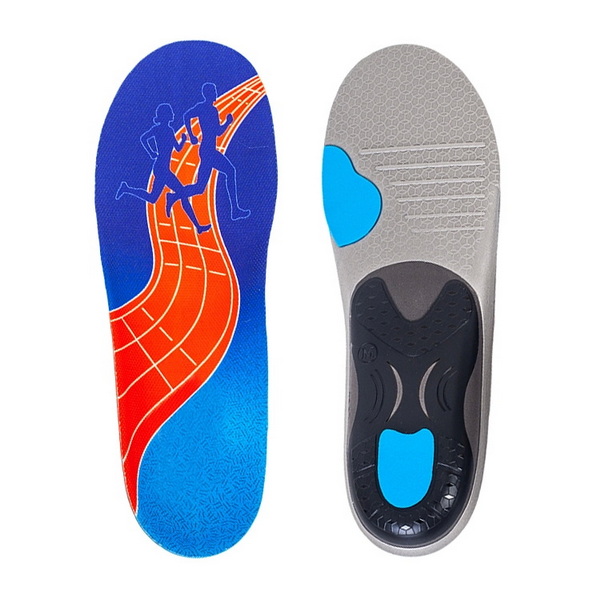
When choosing arch insoles for supination, consider these key features to ensure effectiveness:
- Deep Heel Cup: Helps cradle the heel for better alignment and prevents shifting.
- Lateral Support: Reinforces the outer edge of the foot to counterbalance supination.
- Dynamic Arch Support: Provides flexible yet firm arch elevation that moves with your foot.
- Cushioning: Adequate foam or gel padding to absorb impact and reduce foot fatigue.
- Custom Moldability: Some insoles can be heat-molded or adapt over time to perfectly mold to your foot shape.
Knowing your arch height is crucial in selecting the right arch insole for supination. Common methods include:
- Wet Foot Test: Wet the sole of your foot and step onto a piece of paper. A high arch shows minimal contact between the foot and paper, with a visible curve.
- Footwear Wear Pattern: Shoes showing more wear on the outer edges are a sign of supination and possibly high arches.
- Professional Assessment: Visiting a podiatrist for gait analysis and arch measurement provides the most accurate results.
Incorporating arch insoles into your footwear routine can have multiple benefits:
- Decrease foot pain and discomfort related to uneven pressure.
- Prevent ankle instability and reduce the risk of sprains.
- Minimize knee, hip, and lower back pain caused by poor foot mechanics.
- Enhance comfort during prolonged standing, walking, or running.
- Improve overall foot function and posture.
1. Match the Arch Height: Select insoles that correspond to your specific arch type—low, medium, or high.
2. Ensure Proper Sizing: Insoles should fit snugly within your shoes without crowding toes or altering shoe fit drastically.
3. Look for Quality Materials: Durable, breathable, and cushioned materials improve longevity and comfort.
4. Consider Custom Options: Custom orthotic insoles molded to your feet provide tailored support.
5. Replace Regularly: Insoles wear down over time; replace them to maintain adequate support.
Arch insoles suitable for supination fit well into various shoe types, including athletic shoes, work boots, casual footwear, and even dress shoes. When installing insoles, remove existing padding if necessary to maintain proper shoe fit. Arch insoles should complement shoes that offer a flat sole base to maintain stability.
High arch insoles are an essential accessory for individuals suffering from supination. They address the root cause—often high arches—by providing necessary arch support, cushioning, and stabilization to promote proper foot alignment and reduce excessive outward rolling. Using the correct arch insole can prevent injuries, relieve pain, and improve overall foot and body mechanics. For those experiencing supination, investing in quality high arch insoles tailored to unique arch heights is a practical, effective solution.
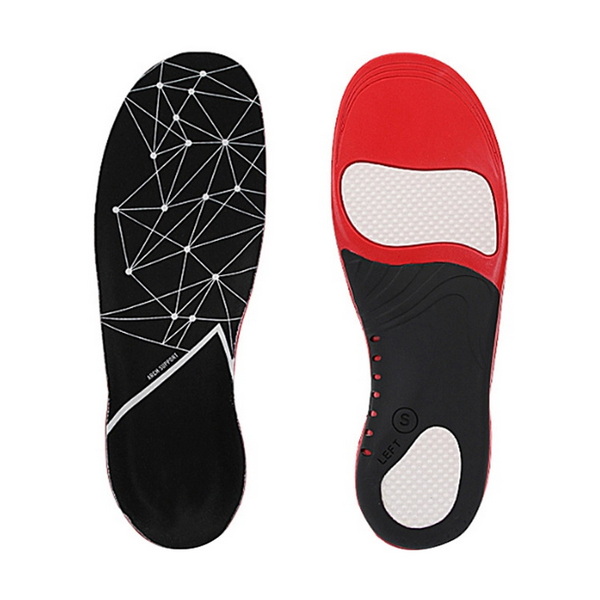
Supination is primarily caused by high arches, rigid foot structure, and wearing shoes lacking proper support, leading the foot to roll outward excessively during walking or running.
Not all arch insoles are suitable. For supination, high arch insoles with deep heel cups and lateral support are ideal as they accommodate elevated arches and promote neutral foot alignment.
Perform a wet foot test or check shoe wear patterns. If your foot shows a significant arch curve with minimal ground contact and wears outer edges of soles, you likely need a high arch insole.
Custom orthotics offer tailored support and molding to the exact shape of your feet, often providing superior relief and comfort compared to off-the-shelf insoles.
Insoles typically last between 6 to 12 months depending on use. Replace them when cushioning deteriorates or support diminishes to maintain effectiveness.
[1](https://yoursole.com/blog/ca/best-insoles-supination)
[2](https://www.upstep.com/a/community/foot-pain/can-arch-support-help-with-supination)
[3](https://powerstep.com/pages/finding-your-arch-height)
[4](https://powerstep.com/collections/high-arches-supination)
[5](https://www.aideastep.com/supination-insoles-understanding-the-role-and-benefits/)
[6](https://www.rei.com/learn/expert-advice/insoles.html)
[7](https://www.1000mile.co.uk/blogs/news/insoles-for-supination)
[8](https://wrightswellness.ca/2024/11/25/orthotics-for-supination/)
[9](https://albertapt.com/blog/custom-orthotics-for-supination-the-sufferers-guide-to-choosing-the-perfect-inserts)
[10](https://treadlabs.com/blogs/insoles-reach-your-stride/insoles-high-arches-supination)
[11](https://theshoedoctor.biz/the-5-key-benefits-of-orthotics-for-supination/)
[12](https://insoles.com/pages/how-to-choose-the-right-insole)
[13](https://footscientific.com/products/arches-orthotics-type-3-supination-high-arch)
[14](https://www.algeos.com/orthotic-therapy/condition-specific/foot-supination)
[15](https://theshoedoctor.biz/how-to-choose-the-best-orthotics-for-supination-a-step-by-step-guide/)
[16](https://www.reddit.com/r/widefeet/comments/1eiclh0/insoles_for_one_who_supinates/)
[17](https://treadlabs.com/blogs/insoles-reach-your-stride/best-supination-insoles-inserts)
[18](https://theinsolestore.com/pages/insole-guide)
[19](https://archline.shop/products/archline-supination-orthotic-insoles-full-length-unisex-plantar-fasciitis-high-arch)
[20](https://luckyfeetshoes.com/blogs/blog/benefits-arch-supports)


