


Content Menu
● Why Is Arch Support Important?
● Key Benefits of Arch Insoles
● The Science Behind Arch Support
● OEM Arch Insole Solutions for Brands and Wholesalers
● How to Select the Right Arch Insole
● Step-by-Step Guide: How to Use Arch Insoles
● The Benefits of Arch Support for Specific Conditions
>> Flat Feet
>> High BMI or Heavy Workloads
● FAQ
>> 1. What symptoms suggest I need arch insoles?
>> 2. Are arch insoles suitable for flat feet or high arches?
>> 3. How often should I replace my arch insoles?
>> 4. Can I use arch insoles in any type of shoe?
>> 5. How do I clean and maintain my arch insoles?
Foot health forms the foundation of our mobility, comfort, and overall well-being, yet insoles are often an afterthought when selecting shoes. With a growing awareness of foot biomechanics and the problems caused by improper footwear, arch insoles have gained attention for their unique benefits in correcting alignment, distributing weight, and alleviating discomfort. Whether you're a dedicated athlete, a busy professional, or simply someone who logs countless steps every day, arch insoles might be the secret to transforming your comfort and health routine.
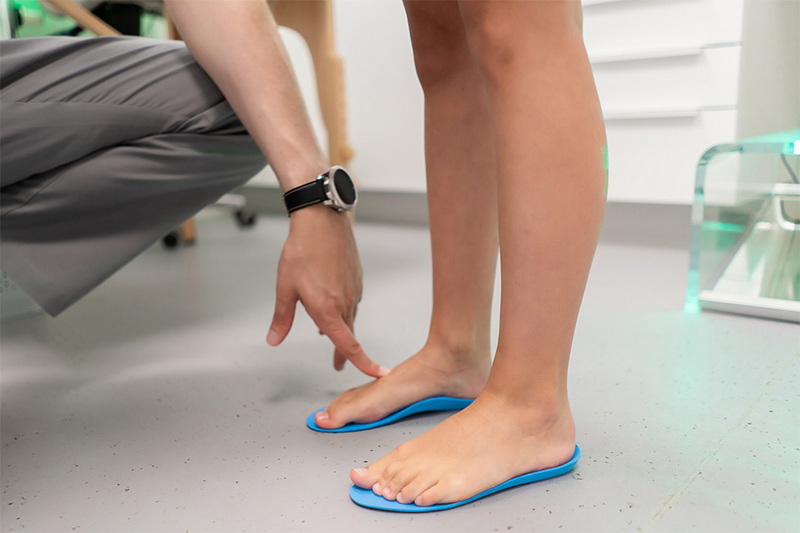
Arch insoles, sometimes called arch support inserts or orthotics, are shoe accessories specially designed to fit inside various footwear types. Unlike standard flat insoles, arch insoles feature raised contours that mirror the anatomical arch of the foot, providing tailored support exactly where it's most needed. They're available in a variety of shapes, thicknesses, and materials, including foams, gels, rigid plastics, carbon fiber, and combinations thereof. This diversity ensures that anyone can find an insole suitable for their foot shape, footwear preference, and lifestyle.
Beyond mass-market products, custom arch insoles are engineered using foot scans or molds, delivering support customized to each individual's unique anatomy. This approach is especially helpful for people with severe flat feet, high arches, or complex foot pathologies.
The medial arch of the foot acts as a spring and shock absorber, helping the body adapt to uneven terrain, protect joints, and stay balanced. Healthy arches maintain proper foot alignment, which is crucial for overall postural stability. When the natural arch collapses or is unsupported, the consequences can be widespread—from heel pain and plantar fasciitis to secondary problems in the knees, hips, and lower back.
Many people suffer foot pain for years, never realizing it originates from poor arch support. Left uncorrected, fallen arches can even contribute to disorders like shin splints, Achilles tendinitis, and stress fractures. Thus, arch support insoles offer not only comfort, but also preventative care and rehabilitation.
Arch insoles deliver a wealth of advantages that extend far beyond basic relief:
- Pressure Distribution: By redistributing load evenly across the sole, insoles reduce excessive pressure on the heel and forefoot, minimizing common pain points and helping protect vulnerable tissues from injury.
- Pain Relief: Regular use of arch insoles helps alleviate pain in the feet, legs, hips, and lower back. This relief can be dramatic for individuals suffering conditions such as plantar fasciitis, metatarsalgia, or arthritis.
- Enhanced Stability and Posture: With proper arch support, balance improves and the risk of falling decreases, a feature especially important to elderly adults and those with neuromuscular conditions. Better posture also means less strain on the whole body.
- Injury Prevention: Insoles help absorb shock during walking and running, reducing wear-and-tear on joints and preventing stress injuries like shin splints or tendinitis.
- Activity Performance: Athletes and active individuals often see improved gait efficiency, longer stride length, and reduced fatigue with arch insoles. Enhanced comfort can translate directly to better results and faster recovery.
- Support for Daily Activity and Longevity: Arch insoles enable people to perform daily activities like walking, gardening, or exercising with greater ease, boosting cardiovascular health, independence, and overall quality of life.
- Prevention of Foot Deformities: By correcting the biomechanics of each step, arch insoles can prevent foot deformities such as bunions, calluses, and hammertoes from developing or worsening.
- Durability for Shoes: Arch supports also preserve shoe shape and function, preventing the shoe from wearing out unevenly. This means you can get more value and longer life out of every pair.
Modern arch support insoles are engineered with biomechanics in mind. Research has shown that supporting the arch helps reduce the peak pressure on the heel and forefoot, protects inflamed tissues like the plantar fascia, and improves overall alignment. Some studies highlight the improvement of gait patterns, faster stair ascent times, and better stability in users who switch to arch support insoles compared to those who wear regular or flat insoles.
For people with flat feet, arch support insoles promote a more natural walking pattern, restoring the elastic function of the foot and increasing comfort during daily activities on varied terrains. Meanwhile, individuals with high arches benefit from additional cushioning beneath the arch, reducing shock and impact loads.
Selecting the right type depends on your arch profile, activity, and footwear:
- Rigid Orthotic Insoles: Made from hard plastic or carbon fiber, these provide maximum corrective support for severe structural problems or postural misalignments.
- Cushioned Insoles: Crafted from foam or gel, these prioritize comfort and shock absorption and are ideal for moderate support and daily wear.
- Hybrid Designs: Combine rigid sections with soft pads, allowing targeted support without sacrificing comfort.
- Custom Orthotics: Precisely contoured to the user's foot, recommended for complex anatomy or severe foot conditions.
- Moldable Insoles: Heat-molded to each user's foot for an in-between solution—semi-customized and budget-friendly.
- Off-the-Shelf Support Insoles: Standard models are suitable for most feet and shoes, usually available at sporting goods, drugstores, or online.
Each variety can address different issues. Rigid orthotics reposition the foot, which helps with abnormal walking patterns or significant joint pain. Soft, cushioned options excel for elderly individuals or those standing for hours.

Almost anyone can experience benefits from arch insoles, but some groups are especially likely to see improvement:
- People With Foot Pain: Sore arches, heels, or forefeet are all indicators that extra support could be life-changing.
- Flat Feet or Fallen Arches: These conditions disrupt natural foot alignment, needing specialized insoles to restore healthy posture and minimize pain.
- High Arch Feet: Support fills the gap under the arch and helps absorb shock that high-arched feet typically struggle with.
- Sports Enthusiasts and Workers: Runners, gym-goers, and tradespeople may need increased stability and cushioning for heavy use.
- Elderly Individuals: Arch supports decrease fall risk, reduce muscle fatigue, and help prevent pressure ulcers; they're particularly valuable for healthy aging.
- Children With Posture Problems: Early intervention can help guide the growing foot and safeguard future mobility and athleticism.
With expertise and advanced facilities, Chinese arch insole manufacturers deliver tailor-made solutions for global B2B clients, including brands and wholesalers. OEM/ODM services cover product customization, branding, packaging design, and logistics. Certified materials such as EVA, TPU, memory foam, gel, and fabric are offered, with processes like 3D scanning and automatic molding ensuring quality and fast turnaround. Full-service teams also support logo printing, color selection, size adaptations, and compliance with international standards for safety and sustainability.
From sports brands to medical distributors, a top manufacturer can create unique arch insole lines to meet diverse market demands, ensuring reliability, comfort, and functional performance.
Feet typically have high, medium, or low arches. Use a simple wet footprint test or seek professional guidance to determine which type best describes your foot.
Running shoes, work boots, dress shoes, and sandals may require insoles of varying thicknesses or profiles. Choose the appropriate style to ensure a good fit.
Consider foam or gel insoles for comfort or opt for firmer carbon fiber or plastic for corrective support. Flexibility, durability, and breathability are all important factors when selecting the right product.
Custom models based on foot scans can address severe anatomical deviations, while moldable or off-the-shelf insoles work well for general needs.
1. Remove the shoe's existing liner for best results.
2. Insert the arch insole, making sure the arch contour matches your foot's natural curve.
3. If adhesive is present, peel only half before positioning, then press firmly in place.
4. Adjust as needed so the insole rests securely beneath your arch for optimal comfort.
5. Repeat the process for the other shoe.
6. Ensure that both insoles feel consistent and do not crowd your shoes.
Patiently break in the insoles, as your feet may need several days to fully adapt to the new support. Periodically check for wear and replace them when cushioning or support diminishes.
- Cleaning: Gently wash by hand using mild soap and warm water. Air-dry thoroughly before reinserting to prevent odors or bacteria.
- Replacement: When the insole loses its shape or no longer supports properly, replace every 6–12 months depending on usage intensity.
- Rotation: Consider alternating pairs for sports, work, or casual wear to prolong lifespan.
Good insole care ensures optimum support and hygiene, keeping your feet healthy and your shoes fresh.
Individuals with flat feet lack the normal arch required for optimal biomechanics. Arch insoles help reposition the foot, spread pressure evenly, and prevent overpronation that often leads to joint strain and injuries.
Patients suffering from plantar fasciitis experience stabbing pain in the heel due to inflammation of the plantar fascia. Arch support insoles reduce strain on this tissue, enabling faster recovery and improved comfort.
People with higher body weight or those who work on their feet all day place immense load on their lower limbs. Arch insoles mitigate this by absorbing shock, helping avoid injury and fatigue.
For older adults, insoles can increase comfort, prevent calluses, and decrease the risk of falls due to improved balance and alignment. Combined with regular physical activity, arch supports play a role in maintaining autonomy and wellness late in life.
Arch insoles represent an accessible solution for improving foot comfort, correcting posture, and preventing chronic pain. With a multitude of material and customization options, anyone from athletes to aging adults can enjoy tangible health benefits. OEM manufacturers in China support global brands and wholesalers with tailored solutions, positioning arch insoles as a staple of modern foot care. If you've ever pondered whether arch support might help you, the answer is likely yes—there's a model designed for every need, making long-lasting comfort just a step away.
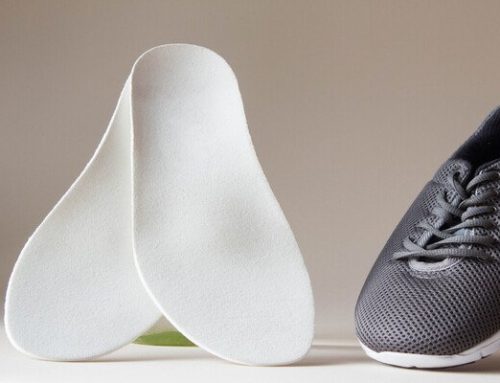
Persistent foot pain, fatigued legs, sore arches or heels, and posture issues may indicate a need for extra support. If you experience chronic back pain or notice uneven shoe wear, arch insoles might provide necessary relief.
Both flat and high arches benefit from targeted insoles. Models specifically designed for these arch profiles help restore natural movement patterns and distribute body weight properly.
Replace them once they lose shape, show visible damage, or stop providing adequate support. For most users, this is every 6–12 months.
Arch insoles fit most athletic, casual, or work shoes. For slim or dress shoes, select thinner insoles or custom designs to maintain comfort and fit.
Remove and hand wash insoles with soap and water as needed. Avoid machine drying or harsh chemicals, and let them air dry before reinserting.


