
Views: 222 Author: Amanda Publish Time: 2025-09-04 Origin: Site


Content Menu
● Can You Put Insoles on Top of The Sole?
>> Custom Insoles and Professional Advice
● How to Properly Fit Sole Insoles in Shoes
● Benefits of Using Sole Insoles
>> 1. Enhanced Cushioning and Comfort
>> 2. Improved Foot Alignment and Posture
>> 3. Pain Relief and Injury Prevention
>> 4. Better Shoe Fit and Stability
● Additional Considerations for Using Sole Insoles
● Expert Opinions on Putting Insoles on Top of The Sole
● Practical Advice for Choosing and Using Sole Insoles
● FAQ
>> 1. Is it okay to put two insoles in one shoe?
>> 2. Can insoles improve posture?
>> 3. How often should I replace my sole insoles?
>> 4. Can I heat mold my sole insoles at home?
>> 5. Do all shoes come with removable insoles?
In the world of footwear comfort, sole insoles have become an essential accessory for enhancing support, cushioning, and foot health. A frequently asked question among shoe wearers and foot care enthusiasts is, "Do you put insoles on top of the sole?" This question introduces important considerations regarding shoe fit, foot alignment, and overall comfort. This comprehensive article explores the role of Sole Insoles, whether or not they are worn on top of the original shoe sole, how to properly fit them, and the numerous benefits they provide.
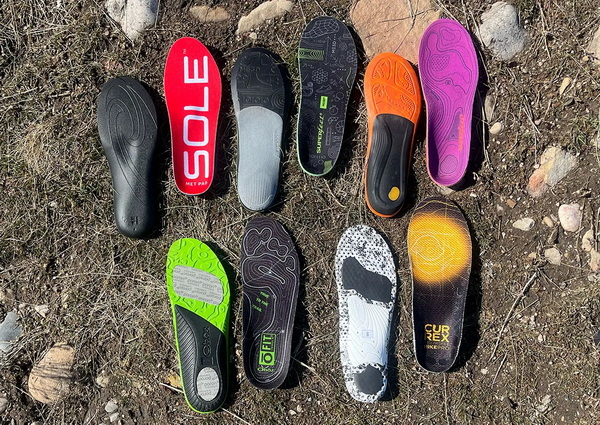
Sole insoles—also known as footbeds, inner soles, or orthotic inserts—are cushioned layers placed inside shoes to support feet better. They help distribute body weight evenly, absorb shock, correct foot posture, and reduce pain linked to foot-related ailments such as plantar fasciitis, flat feet, or high arches. Some insoles are custom molded while others are over-the-counter products designed for general use.
The quality and materials of sole insoles vary, including gel, foam, cork, and molded plastic composites. Their primary function is to increase comfort and prevent fatigue when walking, running, or standing for prolonged hours.
The answer to whether you put insoles on top of the existing sole or replace it depends on several factors:
- Removable Insoles: Many shoes come with factory insoles that are removable. In this case, the general recommendation is to remove the original sole insole before adding your new sole insoles. This prevents overcrowding inside the shoe, which could cause discomfort or improper fit.
- Fixed Insoles: Some shoes have factory insoles glued or fixed in place. If these cannot be removed, and if the shoes have enough room, you may place your sole insoles directly on top of the existing sole insole. However, if the shoes feel tight, it is better to consider shoes with wider fits or remove the original sole if possible.
Insoles add extra cushioning, which increases the volume inside the shoe. Too many layers or overly thick sole insoles placed over the original sole may lead to cramped toe space, higher pressure on certain foot areas, or slipping inside the shoe. It is essential to ensure that the shoe remains comfortable and does not feel too tight after insole addition.
For individuals with specific foot conditions, custom-molded sole insoles can be designed to replace the original sole. These are made to align perfectly with footwear and provide the correct support. Consulting a podiatrist or foot care professional is advised before stacking insoles to avoid compromising foot health.
For maximum benefit, how sole insoles are fitted inside shoes matters immensely. Follow these practical steps for fitting:
1. Remove the Original Insole: If the existing insole is removable, take it out to make room for the new sole insoles.
2. Use the Original Insole as a Template: Trace the shape of the factory insole on your new sole insoles for trimming accuracy.
3. Trim to Size if Necessary: Cut small sections from the toe and sides of the sole insole to fit your shoe perfectly. Avoid cutting too much initially—you can always trim extra later.
4. Slide the Insole Gel Side Down: When inserting, angle the sole insole at about 30-40 degrees towards the inside of the shoe for a smooth slip-in.
5. Test the Fit: Wear the shoes for a short time indoors. The insole should feel snug yet comfortable, providing cushioning without crowding the toes or heel.
6. Heat Mold Custom Insoles: Some sole insoles are heat moldable, allowing for a personalized fit by softening and shaping them using body heat or oven instructions as per manufacturer guidelines.
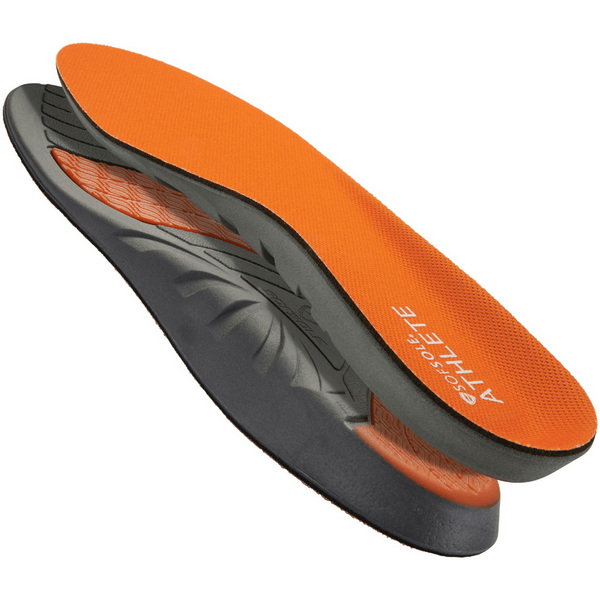
Sole insoles offer multiple benefits for foot health, posture, and overall comfort:
Sole insoles provide an extra layer of softness and shock absorption that reduces foot fatigue and soreness. This feature is invaluable for people standing or walking long hours as it helps dissipate pressure evenly.
Custom or well-designed sole insoles help align the foot's natural arch, preventing overpronation or supination. Proper alignment extends up to the knees, hips, and back, improving overall posture and preventing related pains.
Sole insoles can relieve common foot conditions such as heel spurs, plantar fasciitis, and arthritis pain by providing targeted support and cushioning. They also minimize injuries caused by repetitive stress and improper foot strike while running or hiking.
By filling gaps inside the shoe caused by wear or ill fit, sole insoles provide a more secure foot hold, reducing slippage, blisters, and discomfort caused by loose footwear.
While sole insoles improve comfort and support, several other factors should be kept in mind for optimal use:
Different materials in sole insoles serve different purposes. For example, gel insoles excel in shock absorption, foam insoles prioritize softness, and cork or hard plastic insoles are used for structural support. Selecting the right material based on activity type and foot condition is crucial for efficacy.
Using sole insoles also depends on the type of shoe and activity. Athletic shoes generally have removable insoles and extra space for sole insoles; however, dress shoes, boots, or fashion footwear with less interior volume may require thinner or custom insoles for comfort without compromising fit.
New sole insoles often require a break-in period. Wearing them for a few hours initially allows feet to adapt to the added support gradually. This helps prevent soreness or discomfort that may arise from sudden changes in shoe interior dynamics.
Some sole insoles come with antimicrobial coatings or breathable materials to reduce odor and moisture buildup. Regularly removing and airing out insoles, as well as keeping shoes dry, preserves hygiene and extends insole lifespan.
Eco-conscious consumers may choose sole insoles made from sustainable or recyclable materials, supporting environmentally friendly manufacturing processes without sacrificing comfort.
Foot care specialists emphasize that the decision to put insoles over the sole depends on individual shoe features and foot needs. Dr. Emily Johnson, a leading podiatrist, states: "While sole insoles are designed to improve comfort and support, proper fit takes priority. Adding layers without considering shoe space and foot alignment can cause more harm than benefit."
Many experts recommend removing factory insoles when possible to optimize the sole insole performance. However, in roomy shoes or with thin sole insoles, wearing them on top is an acceptable practice.
Biomechanical experts also highlight the importance of foot arch support and correct posture. Poorly fitted insoles or stacking without consideration may worsen foot alignment issues rather than help.
- Assess Your Shoes: Check if the current sole insoles are removable. If they aren't, consider shoe fit and sole insole thickness before stacking.
- Prioritize Comfort: Insert your sole insoles and walk around; if discomfort occurs, try adjusting or consider different models.
- Seek Professional Help: For persistent foot pain or special conditions, custom orthotic sole insoles prescribed by a podiatrist are the best choice.
- Heat-Molding for Custom Fit: Some sole insoles allow heat molding for perfect individual fit and enhanced performance.
- Replace Worn Insoles Regularly: Sole insoles lose cushioning over time; replacing them every 6-12 months maintains foot support.
- Maintain Cleanliness: Wash or air out removable sole insoles regularly depending on the material to prevent odor and keep feet healthy.
To answer the core question: You should generally remove the existing shoe sole insole before adding sole insoles whenever possible, ensuring optimum fit and comfort. If removal isn't feasible and space permits, placing insoles on top of the existing sole can work but carries risks of tightness and improper foot alignment. Choosing high-quality sole insoles, fitting them correctly, and consulting professionals if needed will maximize the comfort and health benefits these footbeds provide.
Proper fitting and material selection, considering shoe type and personal foot condition, ensure sole insoles deliver their full benefits of improved comfort, pain relief, and posture support. Understanding individual needs and shoe characteristics is fundamental to using sole insoles effectively.

Yes, but only if the shoe has enough room and it doesn't cause discomfort or misalignment. It's generally better to remove the original insole first for the best fit.
Absolutely. By supporting arches and aligning feet properly, sole insoles can improve overall posture and reduce related back and joint pain.
Depending on usage, insoles should be replaced every 6 to 12 months to ensure consistent support and cushioning.
Some sole insoles are heat moldable; follow manufacturer instructions. Usually, this involves warming the insoles in an oven and then wearing them to shape to your feet.
No. Some shoes have glued insoles that are fixed and cannot be removed. This affects whether sole insoles are placed on top or replace the existing sole.
[1](https://stepsoothing.com/home/do-you-put-dr-scholls-on-top-of-insoles/)
[2](https://www.healthystep.co.uk/advice/how-to-fit-insoles-inside-your-shoes/)
[3](https://theshoedoctor.biz/10-surprising-benefits-of-using-insoles-for-your-shoes/)
[4](https://www.upstep.com/a/community/orthotics/do-insoles-go-over-the-insole-that-comes-in-the-shoe-or-do-we-remove-the-one-that-s-there)
[5](https://theinsolestore.com/blogs/guides/how-do-i-mold-sole-custom-insoles)
[6](https://yoursole.com)
[7](https://www.reddit.com/r/BBallShoes/comments/sqyfv7/does_anyone_here_put_aftermarket_insoles_over_the/)
[8](https://www.youtube.com/watch?v=VO7YoJlCOvw)
[9](https://www.sidas.com/blogs/news/5-good-reasons-to-wear-insoles-in-my-shoes)
[10](https://yoursole.com/ca/faq)
[11](https://yoursole.com/instructions)
[12](https://yoursole.com/blog/ca/insoles-pain-relief)
[13](https://www.drscholls.com/pages/faq)
[14](https://www.youtube.com/watch?v=nfqPyT2ErsI)
[15](https://www.reddit.com/r/Ultralight/comments/owku6j/could_someone_explain_insoles_and_why_and_when/)
[16](https://alineinsoles.com/blogs/news/do-i-remove-original-insoles-when-using-orthotics-insoles)
[17](https://www.youtube.com/watch?v=VHw9Od0fRyw)
[18](https://www.shoeinsoles.co.uk/sole-performance-medium-sustainable-insoles.html)
[19](https://theinsolestore.com/pages/insole-guide)
[20](https://www.youtube.com/watch?v=H-zE-SLedxk)


