
Views: 222 Author: Edvo Publish Time: 2025-09-30 Origin: Site


Content Menu
● Diabetes and Its Impact on Foot Health
● The Science Behind Orthotic Shoes
● Medicare 2019: Coverage Overview and Policy Details
● The Qualification and Prescription Process
>> Prescription and Statement of Necessity
>> Selection of Medicare-Approved Supplier
● Types of Orthotic Footwear Covered
● Diabetic Insoles and Their Importance
● Tips for Maximizing the Value of Medicare Coverage
● Future Directions and Industry Trends
● Practical Guidance for Patients
● Frequently Asked Questions (FAQ)
>> 1. What documentation is required for Medicare to cover diabetic shoes?
>> 2. Can custom-made orthotic shoes be fully covered?
>> 3. How often can new shoes and inserts be obtained under Medicare coverage?
>> 4. Do all types of diabetes qualify for shoe coverage?
>> 5. What if Medicare denies a claim for diabetic shoes?
Diabetes continues to affect millions across the globe, posing significant challenges for patients and the healthcare industry alike. Among the least understood but most dangerous complications associated with diabetes are foot injuries that can progress rapidly to infection and even amputation. Proper foot care is a necessity for diabetic patients, and orthotic shoes have become a mainstay of preventive care. As reimbursement policies evolve, understanding whether Medicare provided coverage for orthotic shoes in 2019 is crucial for patients, caregivers, and industry partners. This article delves into the benefits of diabetic orthotic shoes, the precise coverage options present under Medicare in 2019, and actionable steps for patients and brands seeking effective solutions.
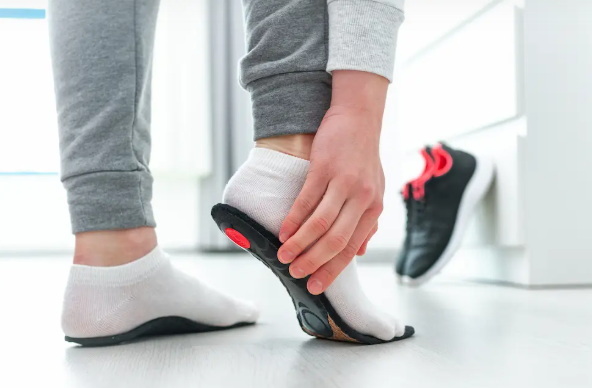
Diabetes can silently damage nerves and blood vessels in the feet, increasing the risk for ulcers, calluses, deformities, and infections. Reduced sensation—a condition known as peripheral neuropathy—prevents patients from feeling minor injuries, while compromised circulation hinders healing. For older adults, even a minor sore can develop into a life-threatening issue if not properly managed. Orthotic shoes and inserts are scientifically crafted to counteract these threats by providing controlled support and evenly distributed pressure, reducing the risk of skin breakdown and chronic wounds.
Common complications that highlight the necessity for specialized footwear include:
- Blisters from ill-fitting shoes becoming infected.
- Formation of calluses that can crack and bleed.
- Chronic ulcers resulting from unnoticed minor trauma.
- Foot deformities such as Charcot foot, changing the shape of the arch or toes.
Prevention is considerably easier and less costly than treatment, making daily use of orthotic footwear a sensible investment for anyone living with diabetes.
Orthotic shoes differ from standard footwear in several critical ways. They feature extra depth, removable insoles, seamless interiors, and sturdy outsoles. The purpose is to create a comfortable environment for the foot that accommodates deformities and minimizes pressure points. High-quality orthotic shoes often use medical-grade materials, such as antimicrobial fabrics and shock-absorbing polyurethane foam, ensuring lasting performance and support.
Key features of diabetic orthotic shoes include:
- Wide toe boxes to prevent squeezing.
- Adjustable closures for precise fitting.
- Custom-molded or off-the-shelf insoles tailored to patient anatomy.
- Breathable linings to control moisture and reduce infection risk.
- Non-slip soles for enhanced stability indoors and outdoors.
Patients are often advised to pair orthotic shoes with medical socks for optimal protection, especially in cases of severe neuropathy or advanced vascular disease.
Medicare Part B classified orthotic shoes for diabetics as part of its Durable Medical Equipment (DME) benefits in 2019. This policy remained unchanged from prior years, providing essential financial assistance to countless diabetic patients across the United States. The centerpiece of the policy is the Therapeutic Shoe Bill, enacted to address the specific health risks faced by diabetics. The bill ensures that qualifying individuals can access the supportive footwear necessary to maintain foot health and mobility.
To obtain coverage, beneficiaries had to meet explicit criteria, including a documented diagnosis of diabetes and the presence of at least one foot complication, such as prior ulcers, amputation, deformity, neuropathy, or poor circulation. The treating physician's involvement was crucial not only for medical evaluation but also for fulfilling documentation requirements needed for reimbursement.
Medicare's coverage for diabetic orthotic shoes and inserts typically included:
- One pair of depth-inlay or custom-molded therapeutic shoes per calendar year.
- Up to three pairs of custom-fabricated inserts per year.
- Replacement coverage for shoes and inserts if lost, stolen, or rendered unusable due to wear.
Shoes must be distributed by Medicare-approved suppliers and tailored for each patient through proper fitting and customization. The program did not cover non-prescription shoes, sandals, or fashion footwear, as these do not meet the established medical requirements for diabetic care.
Obtaining Medicare coverage for orthotic shoes involved several clearly defined steps:
The beneficiary must be evaluated by a Medicare-enrolled doctor—often a podiatrist, endocrinologist, or primary care physician—who conducts a complete foot assessment to determine the need for therapeutic shoes.
The physician provides a formal prescription and signs the statement of medical necessity, specifying the type of footwear and inserts required. Failure to obtain accurate paperwork is one of the most common reasons coverage is denied.
Patients must work with a supplier registered with Medicare to avoid rejected claims and unnecessary out-of-pocket expenditure. Suppliers are responsible for measuring the patient's feet, overseeing the fitting process, and ensuring the products meet program guidelines.
Once the purchase is made and documentation provided, the supplier files the claim with Medicare. Patients pay 20% of the cost after the annual part B deductible is satisfied. The supplier receives direct reimbursement for the remaining portion.
Proper communication between the physician, patient, and supplier is vital for smooth coverage approval and timely delivery of shoes and inserts. Any delays in paperwork or use of non-enrolled suppliers can complicate the process and result in additional costs.

Medicare coverage typically included two categories:
- Depth-inlay shoes: Designed for mild to moderate deformities, featuring removable inserts that can be replaced or adjusted as the patient's needs change.
- Custom-molded shoes: Crafted individually for patients with severe deformities, amputations, or chronic ulcers, offering maximum support and protection.
Both styles are developed to integrate prescription insoles for optimal comfort and foot health. Suppliers often assist in choosing the right solution based on degree of deformity, activity level, and environment.
The proper insole can make a significant difference for diabetic patients, redistributing pressure away from high-risk areas, minimizing trauma, and accommodating for the loss of sensation. Custom-molded insoles, produced using precise measurements and sometimes 3D scanning technology, are tailored for individual comfort and effectiveness.
Patients benefit from orthotic insoles through:
- Enhanced weight distribution.
- Reduced friction and shear forces.
- Improved moisture management.
- Additional shock absorption for reinvigorated mobility.
High-performance insoles are part of the annual covered benefits, and patients are encouraged to routinely replace worn-out insoles to maintain peak protective effect.
The protective benefits of diabetic orthotic shoes and insoles extend well beyond the period of Medicare coverage. Regular use prevents unnecessary emergencies and hospitalizations, improves gait and overall stability, and enables people living with diabetes to pursue active lifestyles with less worry about injury. Brand partners and OEM manufacturers also play a key role by innovating materials and designs that meet evolving compliance standards, ensuring global availability of reliable diabetic footwear.
Industry best practices include:
- Utilizing antimicrobial and hypoallergenic materials to minimize skin reactions.
- Continuous improvement through clinical feedback and product testing.
- Offering customizable fitting options for wholesalers and private labels.
- Maintaining consistent quality assurance to satisfy certification and regulatory requirements.
To receive the highest possible benefit from Medicare's diabetic shoe program:
- Always confirm supplier approval prior to purchase.
- Provide all required documentation and maintain communication with the medical team.
- Request fitting appointments to guarantee optimal comfort.
- Replace shoes and insoles according to wear and Medicare eligibility timelines.
Patients should never settle for shoes that do not adequately fit or fulfill prescription criteria, as poorly chosen footwear can undermine even the best insurance coverage.
International brands, wholesalers, and private label organizers benefit from working with OEM manufacturers that specialize in diabetic orthotic products. These partnerships allow for tailored design and manufacturing services, adherence to strict health standards, flexible order quantities, and white-label customization. Partners can ensure products are eligible for insurance reimbursement and meet nuanced market needs—an important factor for those targeting diverse global healthcare markets.
A trusted OEM supplier will provide guidance on design standards, regulatory compliance, and timely delivery, extending competitive advantages to business partners and enhancing patient outcomes worldwide.
Since 2019, diabetic foot care has continued to advance through new material technologies and improved data-driven customization. The ongoing emphasis on preventive care and insurance reimbursements keeps orthotic shoes at the forefront of diabetic management strategies. Innovations include:
- Eco-friendly manufacturing processes.
- Digital foot scanning for individualized fit.
- Enhanced ventilation and moisture-wicking textile blends.
- Integrated antimicrobial and therapeutic features.
OEM manufacturers with robust R&D capabilities are well-positioned to meet emerging regulatory requirements and patient needs, supporting both excellence in care and market competitiveness.
Patients seeking coverage for diabetic orthotic shoes should consult healthcare providers annually and keep detailed records of medical evaluations and shoe replacements. This practice helps avoid coverage gaps and ensures continuous protection for their feet. When transitioning between insurance programs or moving to a new supplier, patients must reconfirm eligibility and restart the coverage process to prevent issues with Medicare approval.
Adhering to annual check-up schedules and replenishing footwear promptly enhances long-term outcomes and supports an active, healthy lifestyle, making insurance-backed preventive shoe programs a vital part of diabetes management.
Medicare's 2019 policy for diabetic orthotic shoes provided valuable financial support for patients at risk of serious foot complications. By adhering to qualification requirements, pursuing routine preventive care, and partnering with approved suppliers, diabetic patients maintain their mobility and overall well-being. OEM footwear manufacturers act as essential allies for brands and wholesalers, supplying high-quality products that align with insurance requirements and patient needs in every market. With thoughtful preparation and awareness, patients and business partners alike can maximize the benefits of Medicare coverage, advancing the global fight against diabetic foot disease.

Patients must obtain a physician's prescription and a detailed statement of medical necessity after a thorough foot examination. These documents must specify the patient's diagnosis, the nature of their foot problem, and a recommendation for therapeutic shoes and inserts.
Medicare covers 80% of the cost for custom-made or depth-inlay shoes when eligibility criteria are met, leaving the remaining 20% to the beneficiary after the annual deductible is reached. Only shoes provided by authorized suppliers and accompanied by proper documentation are eligible.
Medicare allows eligible diabetic patients one new pair of therapeutic shoes and up to three sets of custom-fabricated inserts each calendar year, provided they continue to meet program requirements.
Coverage is available to Medicare recipients diagnosed with any form of diabetes—Type 1 or Type 2—as long as they possess at least one qualifying foot condition warranting special footwear, documented by their treating physician.
If Medicare denies coverage for diabetic shoes and inserts, patients can attempt to rectify issues by reviewing their documentation and resubmitting required forms. If necessary, they may follow the formal appeals process, during which additional evidence and physician corroboration can help reverse denial decisions.


