
Language
Views: 222 Author: Edvo Publish Time: 2025-10-28 Origin: Site


Content Menu
● Introduction to Orthopedic Insoles
● What Are Orthopedic Insoles?
● How Orthopedic Insoles Affect Foot Mechanics
● Materials Used in Orthopedic Insoles
● How Orthopedic Insoles Work: Step-by-Step
● Benefits of Orthopedic Insoles
● Who Should Use Orthopedic Insoles?
● Maintenance and Care Tips for Orthopedic Insoles
● How Orthopedic Insoles Improve Overall Body Health
● Orthopedic Insoles for Different Activity Levels
● FAQ about Orthopedic Insoles
>> 1. What is the difference between custom and prefabricated orthopedic insoles?
>> 2. Can orthopedic insoles correct posture permanently?
>> 3. How long do orthopedic insoles typically last?
>> 4. Can I transfer orthopedic insoles between different shoes?
>> 5. How soon can I feel the benefits after using orthopedic insoles?
Orthopedic insoles are scientifically designed shoe inserts that aim to correct foot posture, provide cushioning, and relieve pain caused by various foot and lower limb conditions. They are more than just extra padding—these insoles adjust how your feet interact with the ground, reducing strain on muscles, tendons, and joints. Orthopedic insoles are commonly used by athletes, workers, and people suffering from discomfort caused by flat feet, plantar fasciitis, heel spurs, or arthritis.
In modern footwear technology, orthopedic insoles play an important role in maintaining overall body balance and comfort. They can prevent numerous issues associated with improper foot alignment, such as knee or back pain, making them an essential investment for both medical and daily use.
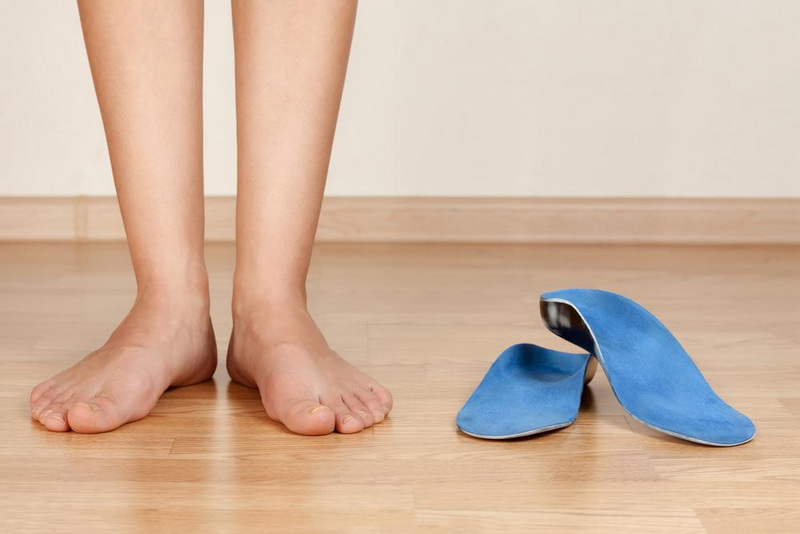
Orthopedic insoles are specialized footbeds inserted into shoes to improve alignment and provide targeted support. They are designed either as custom orthotics, made from 3D scans or impressions of a user's feet, or as prefabricated insoles, available in universal sizes.
A well-designed insole not only supports the foot's arches but also adjusts the position of the heel, allowing even weight distribution. They can be made for general comfort or specific medical conditions, helping the wearer walk with improved balance and posture.
Orthopedic insoles influence how forces are distributed through the feet and up the body. Without proper support, the feet can collapse inward (overpronation) or roll outward (supination), leading to instability and pain in the ankles, knees, hips, or back. Properly designed insoles prevent these issues by stabilizing the heel and supporting the arch.
They also ensure that the foot remains in a natural position during movement, reducing excessive strain on ligaments and tendons. With time, consistent use of orthopedic insoles can retrain muscles to maintain healthier alignment even without the insoles.
These are fabricated from custom molds or digital scans. They cater to individual biomechanics and medical conditions. Though more expensive, they provide the best possible correction and comfort.
Pre-made insoles are available in standard shapes and sizes, providing moderate support. They suit users who require cushioning and light correction without medical needs.
A hybrid option combining pre-fabricated design with limited customization. Adjustments can be made to cater to the user's arch height or pressure points.
The choice of material determines comfort, flexibility, and support.
Common materials include:
- EVA Foam: Lightweight, shock-absorbing, and flexible. Commonly used in sports and running shoes.
- Polyurethane: Highly durable with good rebound, ideal for people who stand for long hours.
- Gel Pads: Provide superior cushioning and help relieve pressure on sensitive areas like the heels.
- Carbon Fiber: Thin, rigid, and lightweight, used when strong structural support is required.
- Memory Foam: Adapts to foot contours, offering maximum comfort during long wear.
- Leather and Cork: Traditional materials used for durability, natural breathability, and aesthetics.
A foot health specialist evaluates the user's condition through physical examination, gait analysis, and in some cases, digital scanning. The goal is to identify abnormalities in arch height, balance, or pressure points.
Based on the assessment, insoles are designed to offer targeted support in critical areas such as the arch, heel cup, or forefoot. In custom orthotics, every detail, from material density to thickness, is tailored for optimal biomechanical alignment.
Once fabricated, insoles are tested in the user's footwear. Minor modifications can be made to achieve comfort and balance. The fitting ensures that insoles don't crowd the shoe while maintaining correct position and pressure distribution.
As the wearer begins using them, orthopedic insoles alter how their feet interact with the ground. They stabilize motions, guide proper heel-to-toe transitions, and reduce impact on joints. Over time, muscles and tendons adapt to a healthier walking or running posture.
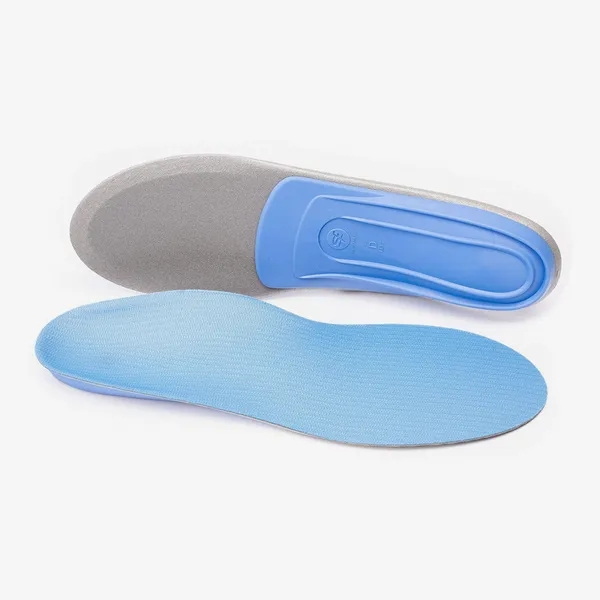
- Pain Reduction: They relieve discomfort caused by prolonged walking, standing, or foot deformities.
- Enhanced Stability: Proper foot alignment prevents ankle rolling and supports leg posture.
- Improved Circulation: By evenly distributing body weight, they prevent localized pressure build-up.
- Injury Prevention: Particularly useful for athletes, reducing stress on joints and tendons.
- Support for Chronic Conditions: Beneficial for conditions like metatarsalgia, bunions, shin splints, and diabetic foot issues.
- Long-term Comfort: The cushioning effect reduces fatigue during daily or professional activities.
Orthopedic insoles can benefit nearly everyone, but they are particularly recommended for:
- Individuals with flat feet, high arches, or heel pain.
- Athletes seeking improved performance and reduced injury risks.
- Workers who stand for long hours, such as factory staff, nurses, or chefs.
- Elderly people needing balance assistance and shock absorption.
- Diabetic patients requiring additional pressure relief for sensitive feet.
Even for those without existing conditions, orthopedic insoles promote long-term foot and posture health.
Proper maintenance ensures insoles remain effective and hygienic:
- Remove insoles from shoes after wearing to air them out.
- Wipe clean using mild soap and warm water; avoid soaking.
- Let them dry naturally instead of using direct heat or sunlight.
- Replace them every 12–18 months, or sooner if they lose shape.
- Check periodically for cracks or deformation, as worn insoles lose support efficiency.
Regular care not only extends their lifespan but also keeps your feet healthier.
The influence of orthopedic insoles extends beyond the feet. Feet act as the foundation of human posture. When misaligned, they can cause strain throughout the musculoskeletal system, leading to back pain, joint stiffness, or muscle fatigue. By redistributing pressure and encouraging proper gait, orthopedic insoles ensure better spinal alignment and balanced motion.
In many clinical scenarios, patients report significant relief in knee and lower back pain after integrating customized insoles into their daily footwear. Thus, their benefits are both therapeutic and preventive, contributing to overall well-being.
- For Runners: Provide shock absorption, improve stride efficiency, and reduce joint stress.
- For Walking: Enhance comfort and promote natural gait patterns.
- For Work: Offer long-lasting support during extended standing hours.
- For Seniors: Improve balance and reduce fall risks.
Different sports and professions require different insole designs, and customizing the support type ensures the best performance outcome.
Orthopedic insoles represent a crucial advancement in foot care technology. They not only provide relief from existing pain but also prevent future discomfort and musculoskeletal misalignment. By supporting the arches, stabilizing the heels, and cushioning pressure points, orthopedic insoles allow the body to move more efficiently and comfortably. Whether you are an athlete, a professional, or someone simply seeking better daily comfort, investing in high-quality orthopedic insoles can greatly enhance your mobility, health, and lifestyle.
If you experience persistent foot, knee, or back pain, consulting a foot care specialist and exploring the benefits of properly fitted orthopedic insoles could be one of the best decisions for improving your physical comfort and posture.

Custom insoles are tailor-made based on specific foot structures and walking patterns, offering precise support, whereas prefabricated versions are standard models that provide general relief.
They support and train muscles for better alignment. While they do not permanently reshape feet, consistent use helps maintain proper posture and reduces recurring pain.
High-quality insoles can last up to 18 months, depending on activity level and usage patterns. Signs of wear, flattened padding, or odor indicate replacement time.
Yes, but they should fit properly within the shoe's shape. It's advisable to have multiple pairs if you switch frequently between footwear styles.
Most users experience noticeable relief within two weeks of regular use, although full adaptation of the muscles and joints can take several weeks.


