
Language
Views: 222 Author: 3BU Technology Publish Time: 2026-04-28 Origin: Site


Orthotic insoles for plantar fasciitis can significantly reduce heel pain, support your arch, and help you move comfortably again when they are chosen and used correctly. As a manufacturer-backed guide from 3BU Technology, this article combines clinical evidence with hands‑on experience fitting thousands of insoles for global brands and OEM partners. [concordpodiatry]
Plantar fasciitis is one of the most common causes of heel pain, especially in people who stand or walk for long hours, play sports, or carry extra body weight. The plantar fascia is a thick band of tissue running from your heel to your toes; when it becomes overloaded, small micro‑tears and inflammation cause that sharp heel pain you feel with the first steps in the morning. [pmc.ncbi.nlm.nih]
Orthotic insoles for plantar fasciitis are designed to reduce strain on this tissue by supporting your arch, stabilizing your heel, and absorbing impact with every step. In this guide, we will walk through how they work, what features actually matter, how they compare with other treatments, and how we, as a professional OEM insole manufacturer, design insoles that deliver real‑world results for brands and their customers. [powerstep]
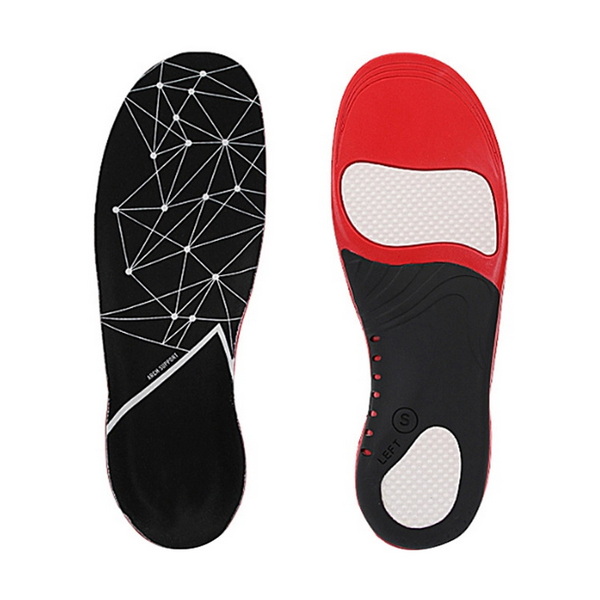
Plantar fasciitis happens when the plantar fascia is repeatedly overloaded, causing irritation where it attaches near the heel. People usually describe a stabbing pain at the bottom of the heel that is worse with the first steps after rest, then may ease slightly as they move—but often returns after long standing or walking. [pmc.ncbi.nlm.nih]
Common risk factors include:
- Flat feet or very high arches that overload the fascia. [exakthealth]
- Sudden increase in activity (running, walking, or work on hard floors). [pmc.ncbi.nlm.nih]
- Inadequate footwear with poor arch support or cushioning. [treadlabs]
- Excess body weight or long hours standing at work. [pmc.ncbi.nlm.nih]
Over time, this ongoing stress leads to chronic inflammation and degenerative changes in the fascia, so simply "waiting it out" without changing how your foot is supported often isn't enough. [treadlabs]
Multiple clinical studies have shown that orthotic insoles—both custom and high‑quality prefabricated—can reduce pain and improve function in adults with plantar fasciitis. Systematic reviews report that orthotics provide meaningful short‑term relief with low risk, and can be as effective as, or complementary to, other conservative treatments like stretching and physical therapy. [pmc.ncbi.nlm.nih]
Some studies suggest that custom orthotics may provide slightly better pain relief than standard prefabricated insoles during the first 12 weeks, but the difference often becomes smaller over the long term, especially when prefabricated insoles are well‑designed and properly fitted. That means design quality and correct sizing can matter as much as whether an insole is custom or prefabricated. [exakthealth]
Brand and retailer feedback often matches the research: users report that firm arch support, a deep heel cup, and full‑length cushioning are the features that most consistently reduce plantar fasciitis pain. Many reviews mention that softer, "squishy" insoles may feel comfortable initially but fail to control foot motion, so pain returns after several hours. [yoursole]
As an OEM manufacturer serving international brands, we regularly see repeat orders and product line extensions built around insoles that:
- Offer structured arch support in multiple arch heights.
- Stabilize the heel with a deep, firm heel cup.
- Use shock‑absorbing foams or elastomers that maintain shape over time. [walkfulton]
In many people with plantar fasciitis, the arch collapses too much when walking, causing the foot to roll inward (overpronation) and stretching the plantar fascia repeatedly. Orthotic insoles with firm, contoured arch support help hold the arch in a more neutral position, so the fascia does not have to absorb as much load. [superfeet]
By limiting excessive pronation, a properly designed insole redistributes pressure along the length of the foot instead of concentrating it at the heel. This pressure redistribution is one of the main reasons people feel noticeable relief when they switch to orthotic insoles. [powerstep]
A deep heel cup acts like a stable cradle, hugging the heel to keep it aligned and better positioned over the insole. This design helps center the fat pad under your heel and improves natural shock absorption with every step. [walkfulton]
When combined with shock‑absorbing materials, the heel cup reduces peak forces reaching the plantar fascia origin and minimizes the "sharp" heel impact that many plantar fasciitis patients feel first thing in the morning. [yoursole]
Modern orthotic insoles often use multilayer foam, gel, or specialized polymers that absorb impact and distribute pressure from heel to forefoot as you move. Clinical and laboratory data show that insoles can reduce plantar fascia strain and peak heel pressures by measurable amounts, which translates into less pain and better tolerance for standing or walking. [superfeet]
Full‑length cushioning also helps prevent "hot spots" at the heel or under the forefoot, a common complaint when people use only small heel pads instead of full insoles. [powerstep]
Independent experts and leading insole brands consistently highlight a core set of features for plantar fasciitis relief. [yoursole]
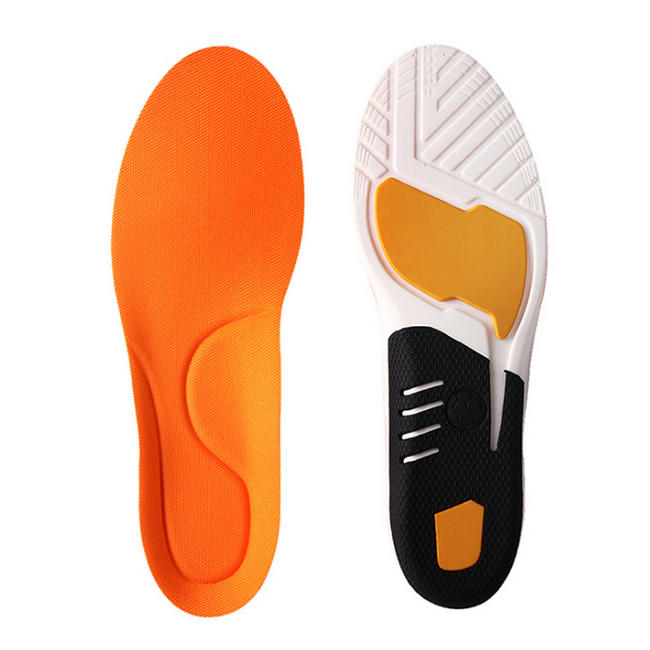
- Dynamic arch support that matches your arch height and controls motion.
- Deep heel cup for heel stabilization and fat‑pad positioning.
- Firm support shell (often polypropylene or a similar polymer) under the arch and heel.
- Shock‑absorbing foam or elastomer for comfort and impact protection. [superfeet]
- Full‑length coverage to distribute pressure through the whole foot.
- Breathable, antimicrobial top cover to reduce odor and moisture during all‑day wear. [walkfulton]
From a manufacturing point of view, small changes in shell stiffness, arch height, and foam density can dramatically change how supportive or forgiving an insole feels, which is why brands often work closely with OEM partners to tune these parameters. [footmedicinsoles]
Some plantar fasciitis insoles integrate additional technologies to target particular groups:
- Forefoot metatarsal pads for people with combined forefoot pain.
- High‑rebound foams for athletes who need energy return.
- Low‑profile designs that fit into dress shoes or safety footwear.
- Heat‑moldable materials that adapt to foot shape for a semi‑custom fit. [yoursole]
When we design OEM insoles for global brands, we often create separate SKUs for sport, work, and casual use, even when they share the same core plantar fasciitis support platform. [footmedicinsoles]
Plantar fasciitis is usually treated with a combination of strategies rather than a single solution. A recent evidence‑based review found that shock wave therapy, steroid injections, platelet‑rich plasma, and prolotherapy can all be effective depending on symptom duration and treatment goals. [nature]
However, most guidelines still recommend orthotic support, stretching, and activity modification as first‑line treatments, reserving injections or advanced therapies for stubborn cases. A practical three‑step conservative plan often looks like this: [pmc.ncbi.nlm.nih]
1. Reduce inflammation: ice, short‑term NSAIDs as advised by a clinician.
2. Stretch and strengthen: regular calf, Achilles, and plantar fascia stretches.
3. Use orthotic insoles: add structured arch support and cushioning to daily footwear.
In this framework, orthotic insoles not only relieve pain but also address one of the root mechanical causes—excess load and poor foot alignment—so they help prevent symptoms from returning once pain settles. [treadlabs]
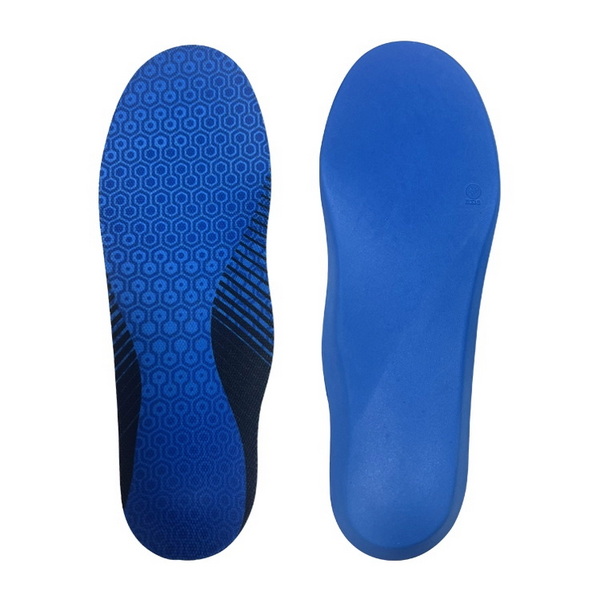
For plantar fasciitis, most experts recommend a full‑length orthotic insole with firm arch support rather than a simple heel pad. If your arch is low and flexible, choose an insole with higher, firmer support; if your arch is high and rigid, a slightly softer contour may feel more natural. [exakthealth]
When brands work with OEM manufacturers like us, we usually develop multiple arch profiles (low, medium, high) across the size range so end users can match their foot type without needing fully custom orthotics. [footmedicinsoles]
Switching from flat insoles to structured orthotics changes how your foot and lower leg muscles work. To avoid discomfort, increase wear time gradually: [exakthealth]
1. Day 1–3: 1–2 hours per day in low‑impact activities.
2. Day 4–7: 3–4 hours per day, including some walking.
3. Week 2 onward: All‑day wear in work, everyday, or sports shoes.
Minor arch fatigue is normal in the first week, but severe or sharp pain means the insole may not be the right shape or stiffness for you. [treadlabs]
Even the best insole cannot fully compensate for extremely worn or unsupportive shoes. For plantar fasciitis, pair your insoles with shoes that have: [powerstep]
- A stable midsole and supportive upper.
- Enough internal volume to accommodate the insole without squeezing your toes.
- A slightly thicker, cushioned outsole for shock absorption. [walkfulton]
With years of experience producing orthotic insoles for global brands, we have seen how small engineering details translate into comfort, durability, and customer satisfaction. When a client approaches us with a plantar fasciitis brief, we typically focus on three pillars: [footmedicinsoles]
- Structure: designing the arch and heel cup geometry using CAD and biomechanical data.
- Materials: selecting medical‑grade polymers and foams that deliver firm support with long‑term resilience. [powerstep]
- Fit range: creating size runs and arch options that cover the majority of foot shapes in the target market. [walkfulton]
Because we manufacture at scale for different brands, we also see long‑term product performance through warranty data and consumer feedback, which drives continuous improvements in shell thickness, foam density, and top‑cover durability. [yoursole]
For overseas brands, wholesalers, and footwear manufacturers, partnering with an OEM like 3BU Technology allows you to bring clinically inspired, market‑ready plantar fasciitis insoles to market quickly—without sacrificing performance, customization, or brand identity. [footmedicinsoles]
Most cases of plantar fasciitis improve with several months of consistent conservative care, including orthotic support, stretching, and load management. You should seek professional medical advice promptly if you experience: [pmc.ncbi.nlm.nih]
- Severe heel pain that does not improve after several weeks.
- Pain with redness, swelling, or warmth in the heel or arch.
- Numbness, tingling, or weakness in the foot or ankle.
- A history of systemic disease such as inflammatory arthritis. [pmc.ncbi.nlm.nih]
A podiatrist or sports medicine specialist can confirm the diagnosis, rule out other causes of heel pain, and recommend additional treatments such as physical therapy, night splints, shock wave therapy, or injections when appropriate. [blog.healthyroster]
If you are a footwear brand, wholesaler, or manufacturer looking to add or upgrade plantar fasciitis insoles in your product lineup, working with a specialized OEM partner can shorten your development time and reduce risk. [yoursole]
3BU Technology offers:
- End‑to‑end OEM and private‑label solutions for orthotic insoles.
- Engineering support for arch geometry, material selection, and performance testing.
- Flexible customization for different markets, footwear categories, and price points.
- Scalable production capacity and consistent quality for global distribution. [footmedicinsoles]
Contact our team to discuss your next plantar fasciitis insole project and create products that deliver genuine relief and long‑term customer loyalty.
Q1. How long does it take for orthotic insoles to relieve plantar fasciitis pain?
Most people notice some improvement within a few weeks, but it may take 6–12 weeks of consistent use, combined with stretching and load management, for significant relief. [pmc.ncbi.nlm.nih]
Q2. Are custom orthotics better than prefabricated insoles?
Custom orthotics can offer slightly better short‑term pain relief in some studies, but high‑quality prefabricated insoles with the right arch height and stiffness often perform similarly over the longer term. [exakthealth]
Q3. Can I use plantar fasciitis insoles in all my shoes?
You can use them in most closed‑toe shoes that have removable factory insoles and enough depth to accommodate the orthotic. For very tight or dress shoes, a slimmer insole version may be needed. [superfeet]
Q4. Will insoles cure plantar fasciitis permanently?
Insoles help reduce pain and address mechanical overload, but long‑term success also depends on body weight, activity levels, footwear choices, and calf/foot flexibility. Continuing good habits after symptoms improve reduces the risk of recurrence. [treadlabs]
Q5. Are there any side effects or risks from using orthotic insoles?
Most users tolerate orthotics well, though some may experience temporary arch or muscle fatigue during the adjustment period. Persistent pain or discomfort should be evaluated by a foot‑care professional. [pmc.ncbi.nlm.nih]
1. Concord Podiatry. "How Orthotics Help With Plantar Fasciitis." [concordpodiatry]
2. Exakt Health. "Orthotics and insoles for plantar fasciitis: Do they help?" – <https://www.exakthealth.com/en-US/blog/orthotics-insoles-for-plantar-fasciitis> [exakthealth]
3. PowerStep. "Orthotic Insoles for Arch Pain & Plantar Fasciitis." – <https://powerstep.com/collections/arch-pain-plantar-fasciitis> [powerstep]
4. Rome K et al. "Orthotics Compared to Conventional Therapy and Other Non-Surgical Treatments for Plantar Fasciitis." PMC. – <https://pmc.ncbi.nlm.nih.gov/articles/PMC4742336/> [pmc.ncbi.nlm.nih]
5. SOLE. "Cure Plantar Fasciitis with Custom Moldable Orthopedic Insoles." – <https://yoursole.com/us/plantar-fasciitis> [yoursole]
6. Nature. "Comparative effectiveness of minimally invasive therapies for plantar fasciitis." 2026. – <https://www.nature.com/articles/s41598-026-40038-z> [nature]
7. Fulton. "Best Insoles for Plantar Fasciitis Relief in 2026." – <https://www.walkfulton.com/blogs/news/8-best-insoles-for-plantar-fasciitis-relief-in-2025> [walkfulton]
8. Tread Labs. "Best Insoles For Plantar Fasciitis Arch Support." – <https://treadlabs.com/blogs/insoles-reach-your-stride/plantar-fasciitis-insoles-orthotics-inserts-medically-proven-pain-relief> [treadlabs]
9. Comprehensive Review and Evidence-Based Treatment Framework for Plantar Fasciitis. PMC. 2025. – <https://pmc.ncbi.nlm.nih.gov/articles/PMC12294660/> [pmc.ncbi.nlm.nih]
10. Superfeet. "What are the Best Insoles for Plantar Fasciitis in 2026?" – <https://www.superfeet.com/blogs/foot-health-podiatry/what-are-the-best-insoles-for-plantar-fasciitis-in-2026> [superfeet]
11. Foot Medic. "Orthotic Insoles for Plantar Fasciitis Relief – Over 35 Years of Custom Orthotic Expertise." – <https://footmedicinsoles.com/zh/blogs/the-footnote-blog/foot-medic-orthotic-insoles-plantar-fasciitis-relief> [footmedicinsoles]
12. Healthy Roster Blog. "New Study on Revolutionizing Plantar Fasciitis Treatment." – <https://blog.healthyroster.com/blog/new-study-on-revolutionizing-plantar-fasciitis-treatment> [blog.healthyroster]
13. Forbes Vetted. "Best Insoles For Plantar Fasciitis 2026." – <https://www.forbes.com/sites/forbes-personal-shopper/article/best-insoles-for-plantar-fasciitis/> [forbes]


