
Views: 222 Author: Edvo Publish Time: 2026-02-20 Origin: Site


Content Menu
● Understanding Why Shoe Insoles Smell
● Step-by-Step Methods to Deodorize Shoe Insoles
>> 1. Remove Insoles from the Shoes
>> 2. Dry Brushing and Shaking Off Debris
>> 3. Washing with Mild Soap and Water
>> 4. Using Baking Soda as a Natural Odor Absorber
>> 5. Vinegar Spray for Deep Disinfection
>> 6. Activated Charcoal or Coffee Grounds
>> 8. Machine Wash (If Applicable)
● Natural Deodorizing Alternatives for Shoe Insoles
● Chemical-Based Deodorizers and Commercial Products
● Preventive Maintenance for Odor-Free Shoe Insoles
>> Wear Moisture-Wicking Socks
>> Replace Insoles Periodically
● When to Replace Shoe Insoles Instead of Deodorizing
● Why Deodorized Insoles Matter for Businesses
● FAQ
>> 1. How often should I deodorize shoe insoles?
>> 2. Can I use the washing machine for all types of insoles?
>> 3. What is the best natural deodorizer for shoe insoles?
>> 4. How can I keep insoles from smelling between uses?
>> 5. Are there odor-resistant insoles available on the market?
Shoe insoles can make all the difference in comfort and foot health—but they can also become a hidden source of unpleasant odors when exposed to sweat and bacteria. If you've ever noticed a stinky smell coming from your favorite sneakers, work boots, or dress shoes, the culprit is often the insoles. Learning how to deodorize shoe insoles effectively helps extend their life, maintain hygiene, and keep your footwear feeling (and smelling) fresh.
In this comprehensive guide, we'll explore the causes of odor in shoe insoles, practical cleaning methods, natural and chemical deodorizing techniques, and preventive care tips. Whether you are a consumer or a professional footwear supplier, these strategies ensure your insoles stay clean and odor-free.
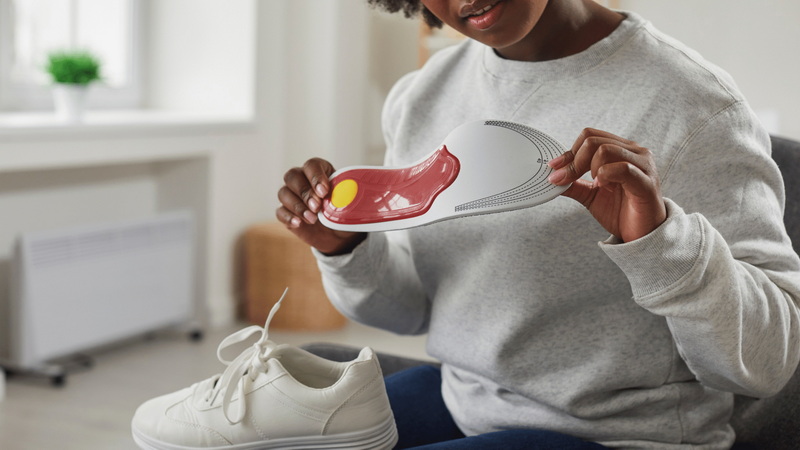
Before deodorizing shoe insoles, it's important to know why they smell in the first place. Odor is not just a surface problem—it's a biological one.
Feet contain over 250,000 sweat glands. When confined inside shoes, moisture accumulates, creating a warm, humid environment. Bacteria feast on sweat, dead skin, and dust particles, releasing foul-smelling acids in the process. The softer and more cushioned your insoles are, the more porous they become—perfect for trapping these odor-causing microbes.
Different shoe insoles handle sweat differently. Foam, gel, and leather each have unique odor-absorption properties.
- Foam insoles trap moisture quickly and are prone to bacterial buildup.
- Gel insoles resist sweat but can harbor bacteria along the seams.
- Leather insoles absorb odor slowly but can retain it for longer if not properly cleaned.
Understanding your insole type helps in choosing the right deodorizing technique.
Learning how to deodorize shoe insoles properly involves a series of easy, consistent steps. You don't always need expensive products—many effective deodorizers can be found right at home.
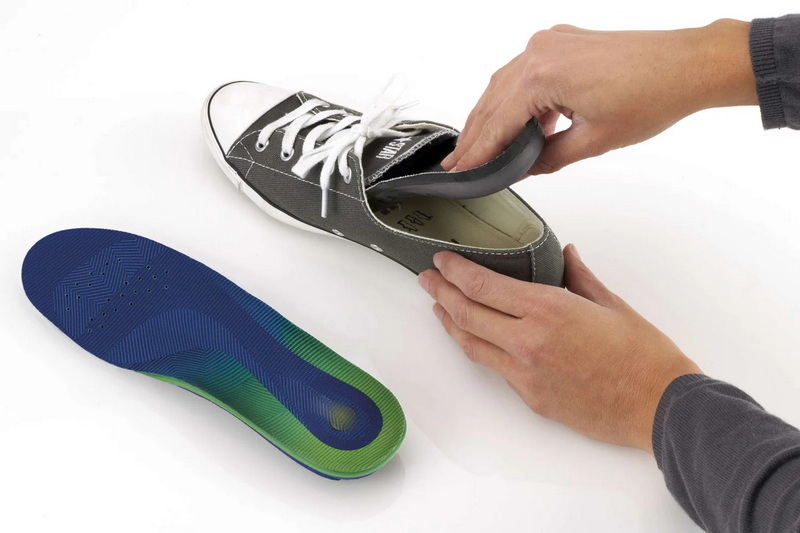
Start by taking the shoe insoles out completely. Removing them allows better air circulation and ensures that cleaning solutions reach every corner. Never attempt to deodorize insoles while they are still inside your shoes.
Use a soft brush or an old toothbrush to remove surface dust, dirt, and lint. This prevents grime from mixing with deodorizing agents later. Shake the insole gently to remove loosened particles.
Fill a bowl with warm water and a few drops of mild soap. Gently scrub the insoles with a soft brush or cloth. Avoid soaking them for too long, especially if they are made of leather or memory foam.
- For foam or fabric insoles: a quick gentle scrub works best.
- For leather insoles: use a damp cloth only, never immerse in water.
After cleaning, rinse lightly with water and pat them dry with a towel.
Baking soda remains one of the most effective and natural ways to deodorize shoe insoles. Simply sprinkle a generous amount over the surface of each insole, ensuring an even layer. Leave overnight or at least for 8 hours. The powder will absorb moisture and neutralize lingering smells.
If you prefer a mess-free option, put the insoles and a few tablespoons of baking soda inside a sealed plastic bag. Shake gently and leave for several hours.
White vinegar is a mild acid that kills odor-causing bacteria. Mix equal parts of white vinegar and water in a spray bottle. Mist the surface of your shoe insoles lightly—do not soak them. Allow them to air dry completely in a well-ventilated area. The vinegar smell will dissipate once dry, leaving fresh, clean insoles behind.
Both charcoal and coffee grounds are powerful natural deodorizers. Place your insoles in a sealed bag with either a small pouch of activated charcoal or dry coffee grounds. Leave them overnight to absorb odors. This method works particularly well for athletic shoe insoles that suffer from repeated moisture exposure.
Bacteria and fungus thrive in dark, damp environments. Placing your shoe insoles in direct sunlight for a couple of hours is an easy way to kill bacteria naturally. However, avoid leaving them out too long if they contain leather or adhesives, as prolonged sunlight can lead to cracking or separation.
Some shoe insoles—especially in athletic or fabric types—are machine washable. If the manufacturer allows it, place them inside a laundry bag and wash on a gentle cycle with mild detergent. Air dry completely before reinserting them into your shoes.
If you prefer eco-friendly solutions, several natural deodorizing agents can help keep shoe insoles fresh.
Essential oils such as tea tree, eucalyptus, or lavender have antibacterial properties and add a pleasant fragrance. Add a drop or two to a cotton ball and leave it inside your shoes with the insoles overnight. Alternatively, mix a few drops with water and spritz lightly onto the insoles.
Both absorb sweat effectively. Sprinkle some onto dry shoe insoles after use to absorb residual moisture. This is especially useful in humid climates or for shoes worn daily.
A paste made from lemon juice and salt removes stubborn smells while also preventing bacterial regrowth. Gently rub the mixture onto the shoe insoles, let sit for 15 minutes, then wipe clean with a damp cloth.
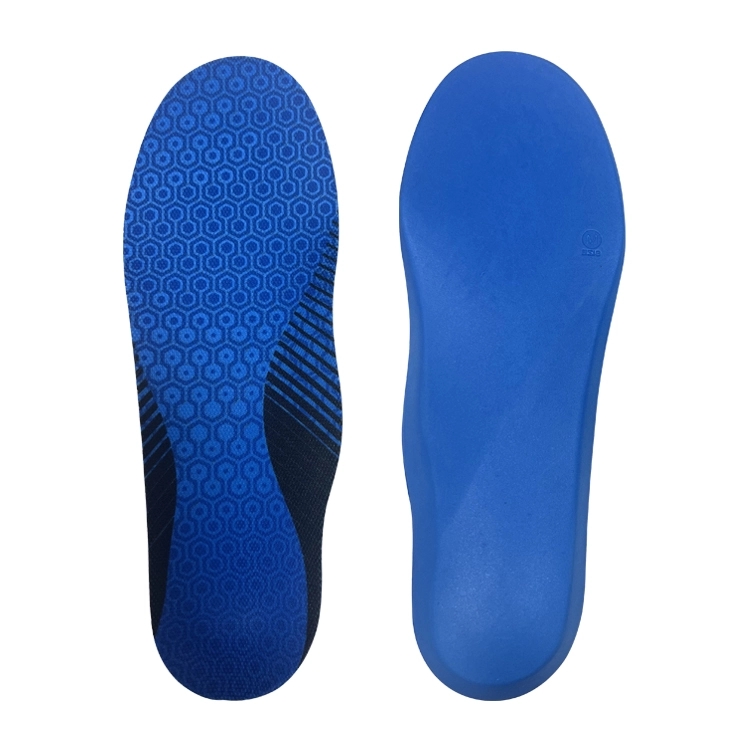
For persistent odors, commercial solutions may provide faster results. Here are the most popular types:
- Antibacterial sprays: These eliminate bacteria instantly. Choose alcohol-based ones for quicker drying.
- Odor neutralizing powders: Often made with zinc oxide or silica, they work similarly to baking soda but last longer.
- Shoe deodorizing balls or inserts: These small devices release fragrance slowly and absorb moisture over time.
- UV light sanitizers: A modern option that uses ultraviolet rays to kill germs on contact.
Always test commercial products on a small section first to ensure they don't damage your shoe insoles.
Eliminating odor once is great—but keeping it from coming back is better. Regular preventive care ensures your shoe insoles stay hygienic and long-lasting.
Wearing the same pair daily doesn't give time for sweat to evaporate. Rotating between shoes allows each pair to dry completely between uses, reducing odor accumulation.
Good socks are your first line of defense. Choose breathable, moisture-wicking materials such as merino wool or technical synthetics. They draw sweat away from your feet, minimizing bacterial growth.
After taking off your shoes, remove the insoles and let both parts air dry. Even five minutes of ventilation after each wear makes a noticeable difference in odor prevention.
Store in a dry, well-ventilated space. Avoid sealed plastic boxes, which trap moisture and accelerate odor development. Wooden shoe trees can also help maintain shape and absorb humidity.
Even with regular deodorizing, shoe insoles have a lifespan. Foam and fabric insoles generally last 3–6 months, depending on wear frequency. Fresh insoles improve comfort, support, and hygiene.
Sometimes, despite your best efforts, cleaning and deodorizing may not fully remove deep-seated smells. Here are clear indicators it's time to replace them:
- Persistent odor even after multiple cleanings.
- Visible mold or mildew.
- Crumbling foam or cracked structure.
- Flattened cushioning that reduces support.
Replacing insoles periodically is especially important for long-term comfort and proper foot biomechanics.
For footwear brands, wholesalers, and manufacturers, mastering how to deodorize shoe insoles is not just a hygiene issue—it's a business advantage. Clean and fresh insoles enhance customer satisfaction, reinforce brand quality, and extend product lifespan.
As one of China's leading shoe insole manufacturers, we work with overseas partners to produce OEM and ODM insoles designed for comfort, breathability, and odor resistance. Incorporating antimicrobial materials and moisture-control technology ensures every pair of insoles delivers long-lasting freshness, even in demanding environments.
Businesses can also benefit from eco-friendly deodorizing treatments that reduce chemical waste while maintaining product quality. The result is better footwear performance and improved consumer trust.
Learning how to deodorize shoe insoles is an essential step for maintaining foot hygiene and extending the life of your shoes. From natural household remedies like baking soda and vinegar to modern antibacterial sprays and UV sanitizers, there's a method for every type of insole and lifestyle. Consistent cleaning, drying, and preventive care will ensure your insoles stay fresh and comfortable day after day.
Clean insoles don't just smell better—they feel better, support better, and reflect a higher standard of care in both personal and professional footwear maintenance.
Contact us to get more information!
You should clean and deodorize your shoe insoles at least once every two weeks if worn daily. However, for athletic shoes or high-sweat environments, weekly deodorizing is recommended.
Not all insoles are machine washable. Foam and fabric types can typically handle gentle cycles, but leather, gel, or specialty orthotic insoles should always be hand-cleaned.
Baking soda is widely regarded as the most effective and affordable natural deodorizer for shoe insoles. It neutralizes odors and absorbs moisture efficiently.
After each wear, remove the insoles from your shoes and let them air dry. Using moisture-wicking socks and rotating shoes also helps reduce odor buildup.
Yes. Many modern shoe insoles are made with antimicrobial materials or infused with silver ions to prevent bacterial growth and odor buildup, extending freshness over time.


