
Language


Content Menu
● Why Drying Shoe Insoles Is Important
● Step-by-Step Guide: How To Dry Shoe Insoles Quickly and Safely
>> Step 2: Blot Excess Moisture
>> Step 3: Let Them Air Dry Naturally
>> Step 4: Use a Fan or Air Vent
>> Step 5: Try a Drying Agent (Optional)
● Methods to Avoid When Drying Shoe Insoles
● Cleaning Before Drying: Best Practices
● How Long Do Shoe Insoles Take To Dry?
● How To Deodorize Shoe Insoles While Drying
● Advanced Drying Techniques for Busy People
>> Use Absorbent Towels Method
● How To Prevent Shoe Insoles From Getting Wet Again
● When To Replace Your Shoe Insoles
● Benefits of Properly Drying Shoe Insoles
● FAQ
>> 1. How often should I dry my shoe insoles?
>> 2. Can I put shoe insoles in the dryer?
>> 3. How can I tell if shoe insoles are fully dry?
>> 4. Can I dry leather insoles the same way?
>> 5. Is it okay to wear shoes without dry insoles?
Keeping your shoe insoles dry is more than just about comfort—it's about maintaining hygiene, extending the lifespan of your shoes, and keeping your feet healthy. Whether you just washed your insoles or got caught in the rain, understanding how to dry shoe insoles properly ensures they stay odor-free and in good condition.
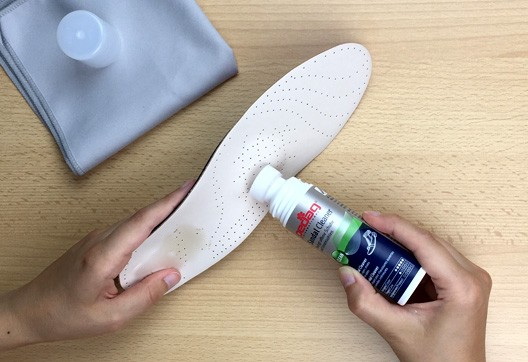
Many people underestimate the importance of drying shoe insoles correctly. Moisture inside your shoes can lead to several issues, both for your footwear and for your feet.
- Bacterial Growth: Damp insoles create a perfect environment for bacteria and fungi to multiply, causing bad odors and even infections like athlete's foot.
- Material Damage: Constant moisture can break down the foam or fabric of your shoe insoles, shortening their usable life.
- Odor Control: Wet insoles tend to trap sweat and dirt, producing unpleasant smells that can be hard to remove.
- Comfort and Fit: Dry insoles help maintain proper cushioning, ensuring your feet always feel supported and dry.
By efficiently removing moisture, you preserve the integrity of your shoes and improve overall hygiene.
Here's a practical process to help you dry your shoe insoles effectively without damaging them.
Always take the insoles out of your shoes first. This exposes them to more air, allowing quick and even drying. It also prevents trapped moisture from transferring between the insole and the shoe's interior.
Gently pull them out, avoiding bending or twisting, especially if they're made from foam or gel materials.
After rinsing or washing, remove as much water as possible.
Use a clean towel or absorbent cloth to press against both sides of the insole. Avoid wringing out the material—this could damage its shape or cause tearing.
The most effective and safe method is to air dry your shoe insoles. Find a spot with good air circulation and moderate warmth.
Place the insoles on a rack or clean towel in a well-ventilated area. Avoid sealed spaces like closets or shoe boxes.
Do not expose your shoe insoles to direct sunlight for extended periods—UV rays can cause the materials to crack, fade, or lose flexibility.
To speed up the process, you can point a fan toward the insoles or place them near a gentle air vent. Circulating air reduces moisture buildup and prevents mold growth.
If using a household fan, keep it on low or medium power for several hours until the insoles feel completely dry.
If you live in a humid environment, you can use natural drying agents like:
- Crumpled newspaper inside and under the insoles.
- Silica gel packets (commonly found in shoe boxes).
- Rice or baking soda in a breathable cloth bag placed nearby to absorb moisture and neutralize odor.
These methods accelerate drying without using heat, maintaining the structure of the shoe insoles.
While it might be tempting to speed up the process, some techniques can permanently damage your shoe insoles. Avoid the following:
- Hair Dryers: Excessive heat can warp or melt foam and adhesive layers.
- Tumble Dryers: The rapid spinning and heat can deform or shrink insoles.
- Microwaves or Ovens: Direct high heat not only ruins the material but can also pose a fire risk.
- Heaters or Radiators: Overheating may cause the shoe insoles to crack or become stiff.
Always prioritize low-heat, air-based drying for the best results.
Drying works best when your shoe insoles are properly cleaned. Dirt and bacteria left on wet insoles can create unpleasant long-term effects.
Here's how to wash them effectively before drying:
1. Brush Off Debris: Remove dirt or sand using a soft brush.
2. Prepare Mild Soapy Water: Mix gentle detergent with warm (not hot) water.
3. Hand Wash Only: Dip a cloth or sponge and gently clean the surface. Avoid soaking for long periods.
4. Rinse and Blot Dry: Wipe with clean water, then use a dry towel to absorb excess moisture before letting them air dry.
You should never wash shoe insoles in a washing machine unless the manufacturer explicitly states they're machine-safe.
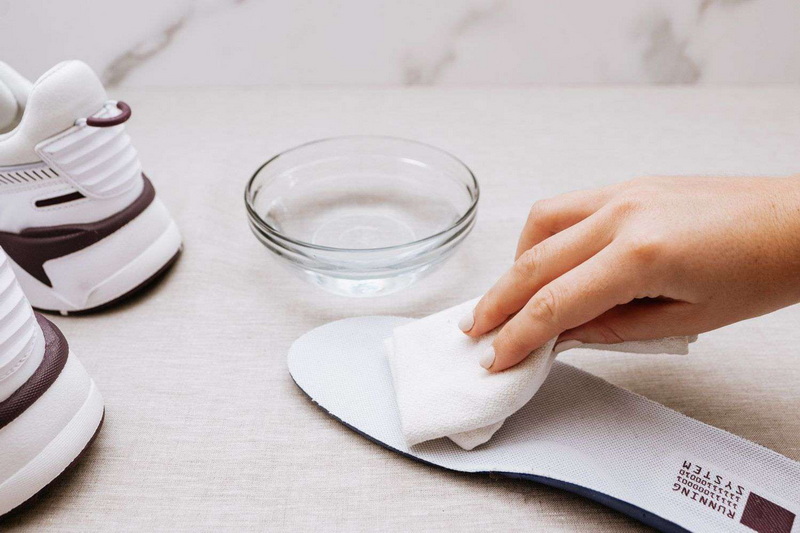
Drying time depends on the material, environment, and method used. On average:
- Foam insoles: 6–10 hours
- Gel or memory foam insoles: 12–24 hours
- Leather or cork insoles: 24–48 hours
Thin, fabric-based shoe insoles dry fastest. However, thicker orthopedic or sports insoles take longer because of their high-density cushioning. Always ensure they are fully dry before reinserting them into your shoes to prevent trapped moisture.
Odor buildup is common when shoe insoles stay damp too long. You can freshen them up during the drying process using these natural methods:
- Sprinkle baking soda over the surface and let it sit for several hours before brushing off.
- Spray a light mist of vinegar and water (1:1 ratio) to neutralize odors, then allow full drying.
- Place insoles under sunlight for 15–20 minutes—natural UV rays kill odor-causing bacteria (short exposure only).
- Use activated charcoal bags near your drying area to absorb lingering smells.
If you need your shoe insoles ready within hours, these advanced techniques can help while minimizing heat damage.
Electric shoe dryers are designed to circulate warm air safely. Insert the nozzles into your insoles or shoes and let them work for 3–4 hours.
Choose models with temperature control and automatic shut-off for balanced drying.
If you own a dehumidifier, place your wet shoe insoles in the same room. Controlled humidity levels significantly shorten drying time and prevent musty smells.
Wrap your insoles in a thick dry towel for 30 minutes. The towel will absorb much of the surface moisture, cutting overall drying time in half. Then air dry completely.
Drying is only half the battle. Preventing moisture buildup helps reduce how often you need to dry your shoe insoles.
- Wear breathable shoes made with mesh or leather.
- Use moisture-wicking socks to reduce sweat accumulation.
- Rotate shoes—don't wear the same pair daily; allow time for insoles to air between uses.
- Replace insoles regularly, especially if you use them for sports or heavy activity.
Good maintenance habits can extend the lifespan of both your shoes and shoe insoles.
Even with proper care and drying techniques, all insoles wear out eventually. Signs that it's time to replace them include:
- Persistent odor that doesn't go away even after cleaning.
- Flattened cushion or loss of support.
- Cracks, splits, or peeling fabric.
- Stiffness or brittleness due to moisture damage.
Most standard shoe insoles last between 6 and 12 months depending on usage. For professional or athletic users, replacements every 3–6 months are ideal.
Regular drying offers multiple advantages that go beyond simple cleanliness.
- Extended durability — your insoles maintain their support and shape longer.
- Healthier feet — reduce fungal and bacterial infections.
- Odor control — fresher-smelling shoes daily.
- Improved shoe comfort — a dry insole ensures consistent cushioning.
In short, learning how to dry shoe insoles efficiently is an easy but powerful way to improve your footwear hygiene and longevity.
Knowing how to dry shoe insoles is essential for clean, comfortable, and long-lasting footwear. Always remove the insoles, blot excess moisture, air dry them in a ventilated area, and avoid direct heat sources. You can use natural absorbers like newspaper or silica gel to speed up drying while preventing odor buildup. Proper drying not only maintains hygiene but also preserves the comfort and structure of your shoes.
With consistent care, your shoe insoles will stay fresh, durable, and supportive for much longer.
Contact us to get more information!
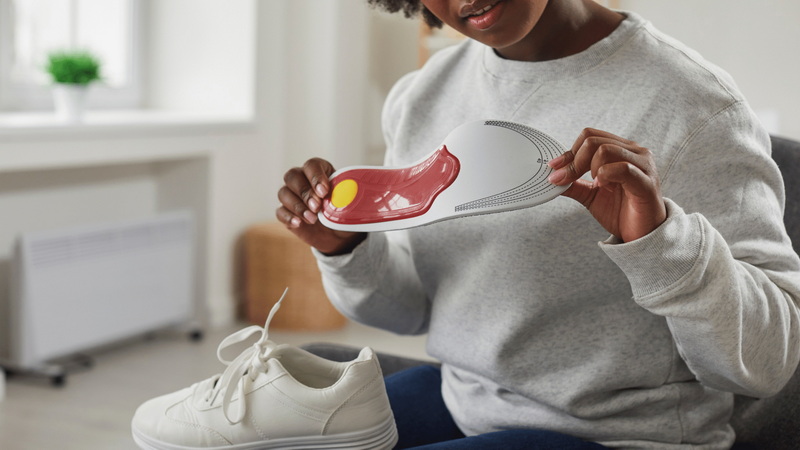
You should dry your shoe insoles at least once a week or anytime they get wet from rain, sweat, or washing. Regular drying prevents bacteria growth and odor.
No, tumble dryers can ruin the structure of your shoe insoles due to high heat. Always air dry them instead.
Press the insole gently. If it feels cool or damp, it needs more time. A completely dry insole feels warm and flexible, with no sign of moisture.
Leather shoe insoles require slower drying. Wipe them clean and let them air dry away from direct sunlight or heat. Conditioning after drying maintains softness.
No, wearing wet shoe insoles can cause discomfort, blisters, and fungal infections. Always ensure they're fully dry before putting them back.


