
Views: 222 Author: Edvo Publish Time: 2025-10-28 Origin: Site


Content Menu
● Common Causes of Slipping Insoles
>> Improper Fit
>> 3. Apply Insole Glue or Adhesive
>> 4. Try Alternative Fixing Options
● Advanced Fixing Techniques for Long-Term Stability
>> Opt for Insoles with Built-In Adhesive Layers
● Choosing the Right Orthopedic Insole Material
>> Foam Insoles
>> Gel Insoles
>> Cork Insoles
>> Wool-Infused or Hybrid Insoles
● Orthotic Types and Their Benefits
● Preventive Care for Orthopedic Insoles
● Professional Tips for Long-Term Comfort
● Sustainable and Innovative Insole Materials
● FAQs
>> 1. How can I prevent new insoles from slipping inside dress shoes?
>> 2. Can I wash my glued insoles?
>> 3. How long do orthopedic insoles typically last?
>> 4. What are the best shoes for orthopedic insoles?
>> 5. Do custom orthopedic insoles stop sliding better than standard ones?
Keeping orthopedic insoles securely in place is essential for foot health, comfort, and balance. A sliding insole can disrupt your walking pattern, cause blisters, and even aggravate existing foot conditions. Thankfully, there are practical, simple, and long-lasting solutions you can apply to fix this issue. This guide explains not only how to stop orthopedic insoles from sliding but also how to maintain and optimize their performance for long-term use.
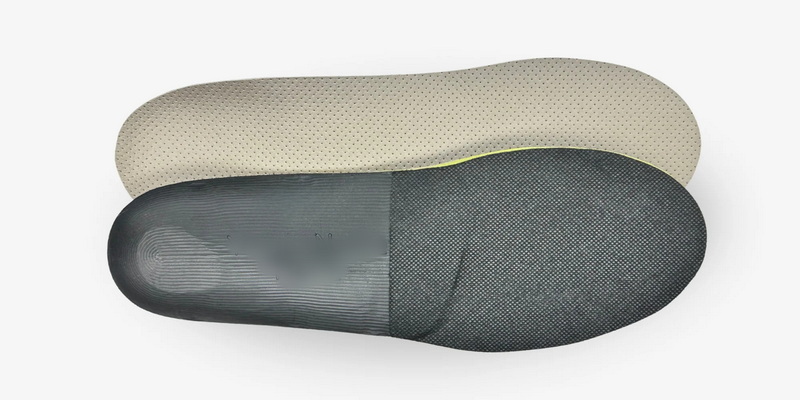
Orthopedic insoles are designed to relieve pressure, align the spine, and improve foot posture. When they move around inside your shoes, it's often caused by size mismatches, smooth shoe interiors, or moisture buildup. The friction between your foot and the shoe bottom decreases, leading to instability and discomfort during walking or running.
Sliding is especially common in shoes with leather or synthetic linings, as these materials reduce grip. In addition, worn-out shoes or damaged insoles may fail to stay in place, compromising support and potentially increasing fatigue over time.
Ill-fitting insoles that are too small or too thin won't create enough pressure to hold their shape inside the shoe. Ensuring a correct fit is the first step toward preventing slippage.
Many premium footwear models use smooth materials like leather that feel comfortable but offer little surface traction. This often causes the insole to slide forward during motion.
Moisture buildup weakens adhesive contacts and raises friction variability. Wearing moisture-wicking socks can help maintain a secure hold throughout the day.
Aging insoles flatten and lose their structure, causing instability even in correctly sized shoes. Inspect insoles regularly and replace them as needed.
Always start with a clean shoe bottom. Remove residues, dust, or oil that may interfere with adhesion. Let the interior fully dry before proceeding with any fixing method.
If your insole extends past the shoe's toe or overlaps the heel edge, trim it carefully. Use small cuts and test frequently. A snug fit ensures maximum friction between the insole and the shoe.
Use specialty shoe adhesives or non-permanent glue to secure the insole. Apply a light, even coat and press the surfaces together until bonded. Avoid strong industrial glues—they can make future adjustments difficult.
If glue doesn't appeal to you, consider Velcro pads, double-sided tape, or removable adhesive dots. These options provide stability yet allow easy repositioning or cleaning when needed.
Sometimes the issue isn't the insole itself but the shoe's internal shape. Inserting heel liners or tongue pads can create a tighter fit, preventing movement during walking.
Shoe grips or anti-slip pads create high-friction layers between the insole and shoe base. These thin mats are reusable, washable, and suitable for athletic and work footwear alike.
If standard insoles continue to move, using an orthotic shell—a semi-rigid base that holds the insole—can provide layered stability. This is especially recommended for medical orthotics or thick, custom inserts.
Some advanced insole models include integrated anti-slip coatings or sticky microfiber surfaces that grip the shoe interior automatically. These designs minimize the need for additional products.
Insole performance depends heavily on material composition. Each type offers distinct comfort and functional qualities:
Foam materials like EVA (Ethylene Vinyl Acetate) or PU (Polyurethane) provide premium cushioning and flexibility, keeping their shape even under pressure. They distribute body weight evenly and reduce joint impact, ideal for daily use or sports.
Gel insoles offer soft, energy-absorbing cushioning suitable for shock absorption. However, they lack structure, so users with alignment or stability issues may find them less supportive.
Cork is a breathable, antimicrobial material that molds to your foot. It's perfect for warm climates and casual footwear but doesn't offer much corrective support.
Leather contours naturally to each foot's shape, offering comfort and aesthetic appeal. Nonetheless, since it's smooth, pairing it with anti-slip linings or adhesives becomes essential.
Wool adds resilience and moisture-wicking capability. When combined with foam or EVA, it enhances durability and temperature regulation—perfect for hiking or work boots.

Soft orthotics focus on comfort and pressure relief, often made with gel or foam layers. They are ideal for mild discomfort, sore heels, and standing for long periods.
Combining flexible and firm materials, semi-rigid designs improve balance and posture. This type is commonly used for flat feet, arthritis, or active lifestyles requiring both cushion and control.
For those needing precise alignment correction, rigid inserts made from polypropylene or carbon fiber deliver strong arch reinforcement. These are often prescribed for overpronation or chronic joint conditions.
These are soft, padded designs that cushion and protect areas affected by ulcers, diabetes, or neuropathy. Typically built from softer EVA or Plastazote, they prioritize medical comfort.
Proper maintenance makes a bigger difference than it may seem. Regular care ensures lasting adhesion, hygiene, and support.
- Remove and air-dry insoles daily after use.
- Avoid direct heat like dryers or sun exposure.
- Clean surfaces with mild soap and water once a week.
- Replace worn adhesives or Velcro strips periodically.
- Store flat to maintain the insole's anatomical shape when not in use.
- Alternate pairs of shoes and insoles to extend lifespan.
- Consider custom orthopedic insoles tailored to your exact arch profile.
- If discomfort persists, consult a podiatrist for assessment.
- Keep spare adhesive dots for quick fixes during travel or sports activities.
- Avoid reusing heavily deformed insoles—they may worsen misalignment.
Modern advancements now allow orthotic insoles to combine performance with sustainability. Foam insoles made with plant-based or recycled materials deliver durability while reducing environmental impact. Cork, wool, and bio-foam blends also help regulate moisture naturally while maintaining cushioning and arch support. For eco-conscious users, selecting insoles made through energy-efficient molding processes is a responsible and effective choice.
Fixing sliding orthopedic insoles is a simple yet essential step to maintain stability, posture, and daily comfort. Whether you opt for trimming, adhesives, or specialized friction pads, focusing on proper sizing, clean interiors, and high-quality materials will ensure your insoles perform at their best. Combining effective maintenance with the right insole composition guarantees durability, hygiene, and comfort across all footwear styles. As a professional orthopedic insole manufacturer, we specialize in OEM solutions for global brands, providing tailored support and ergonomic design expertise you can rely on.
Choose insoles with a rough or textured bottom, and use a thin double-sided tape if needed. Leather interiors often require extra friction layers.
Light surface cleaning is fine, but avoid soaking glued insoles. Too much moisture can loosen adhesive bonds.
With proper care, high-quality insoles can last 6–12 months depending on usage intensity and body weight.
Look for shoes with removable factory footbeds, firm heel counters, and enough interior depth to accommodate inserts comfortably.
Yes. Custom orthotics are molded precisely to fit your shoe and foot, reducing gaps that allow slippage while improving overall alignment.


