
Language
Views: 222 Author: Edvo Publish Time: 2026-01-15 Origin: Site


Content Menu
● Understanding Why Orthotic Insoles Slide
● Step 1: Check Shoe And Insole Fit
● Step 2: Increase Friction To Stop Sliding
● Step 3: Improve Foot Lockdown Inside The Shoe
● Step 4: Manage Moisture And Wear
● Step 5: Match Orthotic Type To Shoe Category
● Step 6: Common Mistakes To Avoid
● Step 7: When To Consult A Professional
● Practical Daily Routine To Keep Orthotics Stable
● How OEM Orthotic Insole Design Helps Prevent Sliding
● FAQ
>> 1. Why do my orthotic insoles keep sliding forward?
>> 2. Is it safe to glue my orthotic insoles into my shoes?
>> 3. How can I stop insoles from sliding without permanently attaching them?
>> 4. Do I need new shoes if my insoles keep moving?
>> 5. When should I replace my orthotic insoles?
Orthotic insoles usually slide because of poor fit, lack of friction, moisture, or worn materials, and these problems are generally easy to correct with a series of targeted adjustments. By improving shoe fit, securing the insoles with simple attachments, and controlling moisture, most users can keep their orthotics firmly in place throughout daily activities and sports.
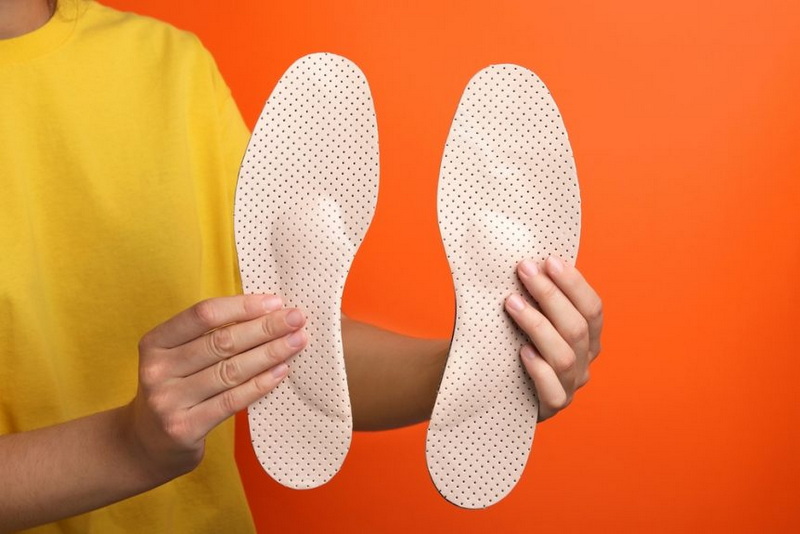
Several common factors make orthotic insoles move inside the shoe instead of staying securely under the foot.
- Incorrect sizing or shape: Insoles that are slightly too small, too narrow, or trimmed unevenly leave open spaces that allow shifting at the heel or toes.
- Low friction between surfaces: Smooth shoe interiors combined with slick insole bottoms create a sliding interface that allows the insert to move with every step.
- Excess volume in the shoe: Shoes that are too deep, too long, or too wide provide room for both the foot and the insole to shift during walking or running.
- Moisture and sweat: Humidity inside the shoe can reduce grip between materials, making the insole glide over the footbed instead of locking into place.
- Worn or flimsy insoles: When cushioning is compressed and top covers peel or curl, the insole no longer lies flat and becomes easier to push around.
Understanding the real cause in a specific pair of shoes is the first step toward choosing the most effective and durable fix.
Solving sliding problems almost always begins with checking the basic sizing and fit of both the shoes and the orthotic insoles.
- Match insole size to shoe size: The insole should cover the full length and width of the shoe interior without gaps or overhang, especially in the heel cup and toe area.
- Trim carefully when allowed: Many prefabricated insoles include trim lines at the forefoot so users can cut them to match the original factory insole; trimming should be slow and gradual to avoid making the insole too short.
- Remove the factory insole: Leaving the original footbed under an orthotic often adds extra volume and movement; most orthotics are designed to sit directly on the shoe midsole.
- Choose shoes with removable insoles and extra depth: Footwear that is specifically designed for orthotic use generally offers more internal volume, stronger heel counters, and better stability.
- Test with normal socks: Always fit and test orthotics with the same thickness and type of socks that will be used daily, because different socks change internal space and friction.
When sizing and fit are correct, the orthotic should sit flat, follow the shoe's internal outline, and feel stable under the arch without bunching or lifting at any edge.
If the insole still moves after basic fitting, the next strategy is to increase friction between the insole and the shoe's footbed.
- Use double sided tape: A few strips placed under the heel and midfoot can provide enough grip to stop sliding while still allowing later removal when replacement is needed.
- Add hook and loop pads: Small patches applied to both the shoe and the underside of the insole create a secure mechanical connection that can be opened and closed many times.
- Consider flexible insole adhesive: Some users prefer a light, flexible glue that bonds the insole more permanently while still providing a bit of give to avoid damaging the shoe.
- Avoid hard or brittle glues: Stiff adhesives can crack, break the shoe lining, or make it very difficult to replace the orthotic when it wears out.
The goal is not to completely cement the orthotic forever, but to create just enough grip so it does not migrate forward, backward, or sideways during normal use.
In many situations, the insole is not the only thing moving; the foot itself slides inside the shoe and pushes the orthotic out of position.
- Choose the correct shoe length and width: If the shoe is too big, the foot can slide forward on every step, especially when walking downhill or climbing stairs.
- Adjust lacing patterns: Techniques like a heel lock or runner's loop can draw the heel deeper into the heel cup and reduce the tendency to slip.
- Focus on midfoot tension: Lacing that is slightly firmer across the instep helps hold the arch area in place and limits twisting forces on the orthotic.
- Use structured uppers for active use: Shoes with firmer materials and strong overlays can control foot motion more effectively during running, hiking, or sports.
- Replace stretched or broken down shoes: Older shoes often develop soft heel counters and stretched uppers that no longer secure the foot even with tight laces.
Better lockdown means the heel stays seated, the arch stays aligned over the orthotic, and the front of the foot does not repeatedly smash into the toebox, all of which help the insole stay where it belongs.
Moisture and material fatigue are often overlooked contributors to sliding orthotic insoles.
- Dry shoes and insoles thoroughly: After heavy use, remove the orthotics and allow both shoes and insoles to air dry in a ventilated area rather than leaving them damp in a bag or locker.
- Rotate multiple pairs: Using at least two pairs of shoes or insoles on alternating days allows materials to recover their shape and grip between uses.
- Use moisture wicking socks: Technical socks made from synthetic or blended fibers pull sweat away from the skin and reduce slippery surfaces inside the shoe.
- Replace worn orthotics: When the insole surface becomes polished and smooth, when foam is heavily compressed, or when edges curl upward, replacement is usually more effective than temporary fixes.
Regular moisture control and timely replacement extend not only comfort and support, but also the ability of the orthotic to stay firmly in place.
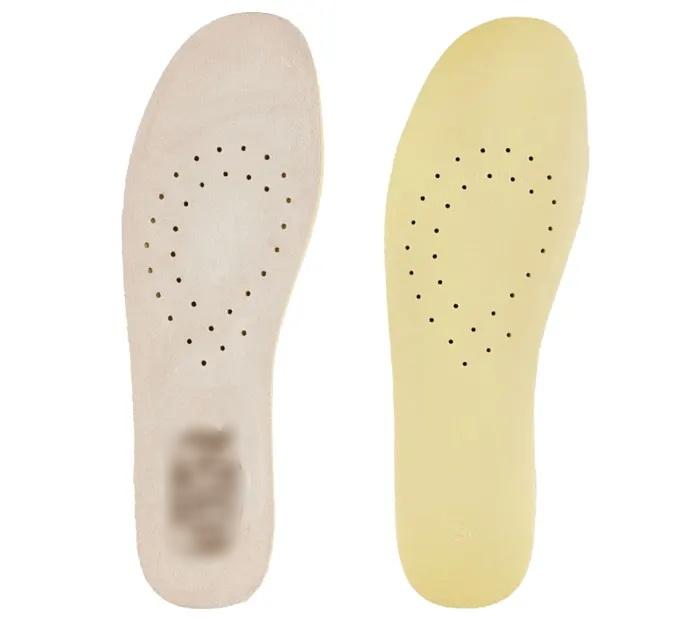
Another important factor is compatibility between the type of orthotic and the style of footwear.
- Full length versus three quarter length: Full length insoles usually resist sliding better in closed shoes because they cover the entire footbed, while shorter models may need extra fixing near the heel.
- Low profile orthotics for dress shoes: Slim, thin orthotics designed for formal shoes fit better in shallow interiors and are less likely to bunch or move.
- Sport specific orthotics: Inserts designed for running, hiking, or court sports offer more aggressive shaping and materials to withstand higher loads and rapid direction changes.
- Sandals and open footwear: Some sandals have built in attachment points or straps to secure orthotic inserts, while others work best with dedicated orthotic friendly footbeds.
Choosing an orthotic that matches the structure, volume, and intended activity level of the shoe reduces the mechanical stress that tends to push insoles around.
Users often develop frustration with sliding insoles because of a few simple but important mistakes.
- Trimming too much at once: Cutting aggressively at the front or sides can make the insole too small, almost guaranteeing it will move.
- Layering multiple inserts: Stacking cushioning pads, gel liners, and orthotics together usually creates instability and extra movement.
- Ignoring pain or hot spots: Blisters, calluses, and persistent pressure usually indicate poor contact between foot, orthotic, and shoe; ignoring these signs can make sliding worse.
- Choosing fashion over function: Very soft or loose shoes may look appealing but often lack the structure needed to support orthotic use.
- Assuming one solution fits every shoe: An approach that works for athletic sneakers may not work in dress shoes or safety boots; each category can require different adjustments.
Avoiding these mistakes shortens the trial and error process and leads to more reliable long term results.
In some cases, sliding insoles signal a deeper fit or biomechanical issue that is best handled by a qualified specialist.
- Persistent or increasing pain: If orthotics continue to shift and create soreness, it may mean the support shape is not correct for the foot.
- Complex medical conditions: People with diabetes, severe flatfoot, major deformities, or post surgical needs should not modify or glue custom devices without guidance.
- Repeated failure of simple fixes: When adjustments to lacing, sizing, and adhesives do not work, a different shoe category or a redesigned orthotic may be necessary.
- Visible imbalance in wear patterns: Extreme or uneven wear on soles and insoles can provide clues that a professional can interpret and correct.
A podiatrist, orthotist, or experienced footwear specialist can assess alignment, recommend specific shoe types, and fine tune custom orthotics for more secure positioning.
For many users, building a simple daily routine is the easiest way to prevent sliding problems from returning.
- Before wearing: Check that the orthotic lies flat in the shoe with no debris underneath and that the heel is seated in the heel cup.
- When putting on shoes: Slide the foot straight in, position the heel fully to the back, and then tighten laces or straps from the toes upward.
- During the day: If any movement or rubbing appears, retighten laces or straps rather than ignoring the early warning signs.
- After use: Remove the orthotic when possible, allow both shoe and insert to dry, and inspect surfaces for wear or damage.
This routine takes little time but greatly improves comfort, stability, and the working life of both shoes and orthotic insoles.
As a professional manufacturer supplying orthotic insoles to international brands, wholesalers, and footwear producers, design choices can significantly reduce sliding for end users.
- Tailored base shapes: Designing outsoles and insoles as matched systems, with consistent heel cups and arch contours, improves contact and stability.
- Textured or patterned undersides: Adding subtle textures to the bottom surface of the insole increases friction against the shoe midsole without affecting comfort.
- Optimized top cover materials: Carefully selected fabrics or foams on the upper surface manage moisture while providing enough grip under the foot.
- Size runs matched to target shoes: Coordinating insole grading with the sizing of partner shoe models reduces trimming and alignment problems for consumers.
- Quality control for dimensional accuracy: Tight tolerances in length, width, and thickness ensure each insole fits the shoe category exactly as intended.
By combining thoughtful product engineering with clear usage instructions, manufacturers help customers enjoy more secure, reliable orthotic performance from day one.
Fixing sliding orthotic insoles usually requires a combination of correct sizing, better shoe fit, and extra friction between the insert and the shoe's footbed rather than a single quick trick. By trimming insoles carefully, selecting shoes that truly support orthotic use, improving lacing and lockdown, managing moisture, and using simple aids such as double sided tape or hook and loop pads, most users can stabilize their orthotics, protect their feet, and restore confident comfort and performance in work, daily life, and sports.
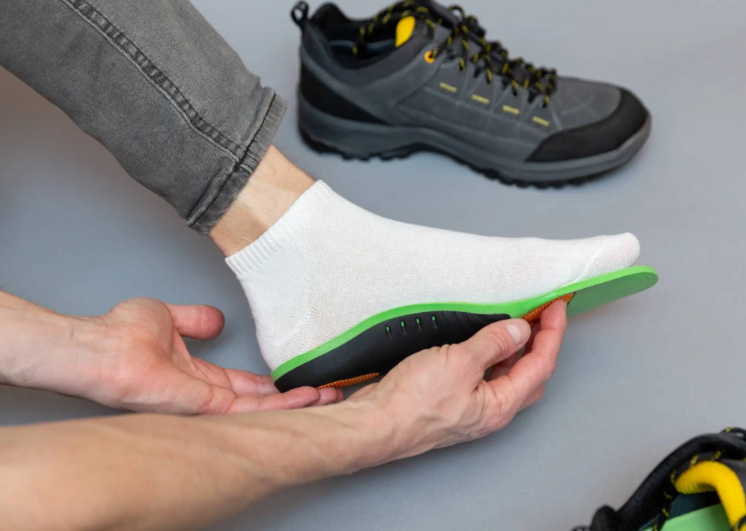
Orthotic insoles often slide forward when they are slightly too short for the shoe or when the heel cup does not fully match the shape of the shoe's heel area. Extra internal space, smooth shoe linings, and a loose lacing setup increase this forward movement with every step and can eventually cause the insole to bunch up at the toes.
Using a flexible, footwear friendly adhesive or light glue spots is generally safe for many over the counter insoles and can prevent annoying movement during daily use. Strong, rigid, or permanent glues are risky, because they may damage the shoe interior, make insole replacement difficult, and are usually not recommended for custom medical devices that might need future adjustments.
Double sided tape strips and small hook and loop patches are popular options for increasing grip while still keeping the insole removable. These simple solutions work well for people who rotate shoes, wash insoles regularly, or expect to adjust or replace their orthotics more frequently.
New shoes are not always necessary, but consistent sliding can be a sign that the current shoes are too big, too deep, or too flexible to hold the orthotics and the feet securely. If careful trimming, taping, and lacing changes are not enough, switching to a more supportive, orthotic friendly shoe design is often the most effective long term solution.
Orthotic insoles should be replaced when the top fabric peels, the foam becomes flat and unresponsive, the edges curl upward, or the support feels unstable and uneven. For people who stand, walk, or work on their feet every day, many non custom insoles reach this point somewhere between several months and about a year of regular use.


