
Language
Views: 222 Author: Amanda Publish Time: 2025-09-10 Origin: Site


Content Menu
● What Are Orthopedic Insoles?
>> Benefits of Orthopedic Insoles
>> 1. Custom-Made Orthopedic Insoles
>> 2. Prefabricated Orthopedic Insoles
>> 4. Sport-Specific Orthopedic Insoles
● How to Get Orthopedic Insoles: Step-by-Step Guide
>> Step 1: Identify Your Foot Problem
>> Step 2: Consult a Specialist
>> Step 3: Get a Foot Assessment
>> Step 4: Choose the Insole Type
>> Step 5: Ordering or Purchasing Orthopedic Insoles
>> Step 6: Fitting and Adjustment
● Materials and Construction of Orthopedic Insoles
● When Should You Consider Orthopedic Insoles?
● Tips for Maximizing Orthopedic Insole Benefits
● Why Choose OEM Orthopedic Insoles From a Chinese Manufacturer?
● FAQ
>> 1. How long does it take to get custom orthopedic insoles?
● 2. Can I use orthopedic insoles in any type of shoe?
>>> 3. How often should orthopedic insoles be replaced?
>> 4. Are orthopedic insoles covered by insurance?
>> 5. Can I make my own orthopedic insoles at home?
Orthopedic insoles provide essential support, comfort, and pain relief for a variety of foot problems. Many people suffer silently from foot discomfort caused by poor footwear or structural issues like flat feet, plantar fasciitis, or arthritis. Getting the right orthopedic insole can dramatically improve mobility and overall quality of life. This comprehensive guide will take you through everything you need to know about how to get orthopedic insoles, including types, fitting process, benefits, and common questions.
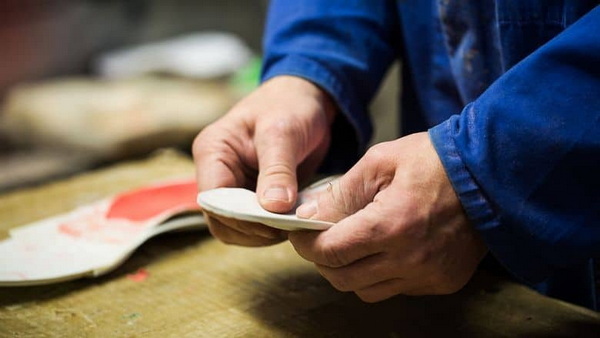
Orthopedic insoles, also known as orthotic insoles or foot orthotics, are specially designed inserts placed inside shoes. They help align and support the foot by redistributing pressure, correcting biomechanical foot issues, and cushioning pain points. Unlike regular insoles or shoe inserts, orthopedic insoles are often custom-made or come with advanced designs to target specific foot conditions.
- Provide arch support and stabilize foot structure
- Alleviate foot pain caused by overpronation, supination, or flat feet
- Reduce pressure on joints, preventing knee, hip, and back pain
- Improve walking and running efficiency
- Help manage deformities like bunions or hammertoes
- Enhance comfort in daily activities and sports
Orthopedic insoles come in a range of types to suit different needs. Depending on your foot condition and lifestyle, you can choose from:
These insoles are tailored to your foot's exact shape and biomechanics through professional assessments. They offer the highest level of support and correction and are recommended for complex or severe foot problems.
Off-the-shelf insoles designed differently for specific issues like high arches, flat feet, or plantar fasciitis. They are less expensive and immediately available but may not perfectly fit your foot.
These combine prefabricated bases with customizable features like adjustable arch height, cushion thickness, or heel support for moderate foot problems.
Designed to provide support and shock absorption tailored to athletes' needs during running, hiking, or other movements.
Getting effective orthopedic insoles requires following a reliable process to ensure proper fit and function.
Start by evaluating the type of discomfort or foot problem you have. Common symptoms that would benefit from orthopedic insoles include chronic foot pain, arch pain, heel pain, uneven shoe wear, or lower limb discomfort. Understanding your symptoms will help guide the choice of insoles and the urgency of obtaining professional advice.
Visit a podiatrist, orthopedic specialist, or a certified foot care professional for proper diagnosis. They will examine your foot structure, gait, and posture to recommend appropriate insoles. In some cases, you might be referred for further tests such as X-rays or MRI scans to identify underlying causes of foot pain.
Many clinics use advanced technology to capture your foot geometry and biomechanics accurately. Methods include:
- 3D scanning: Captures exact foot contours and pressure points for custom insole fabrication.
- Pressure mapping: Detects high-pressure zones affecting foot comfort and helps in designing pressure-relieving insoles.
- Gait analysis: Studies walking or running dynamics to understand biomechanical deficiencies, guiding corrective insole design.
Accurate assessment is crucial for custom orthopedic insoles and greatly improves the effectiveness of your purchase.
Based on assessment results, decide if you need custom-made or prefabricated orthopedic insoles. Your specialist can guide you on the best product suited to your condition, activity level, and lifestyle. For mild foot issues or preventive care, prefabricated or semi-custom insoles may be sufficient. Severe deformities or chronic conditions often require fully custom insoles.
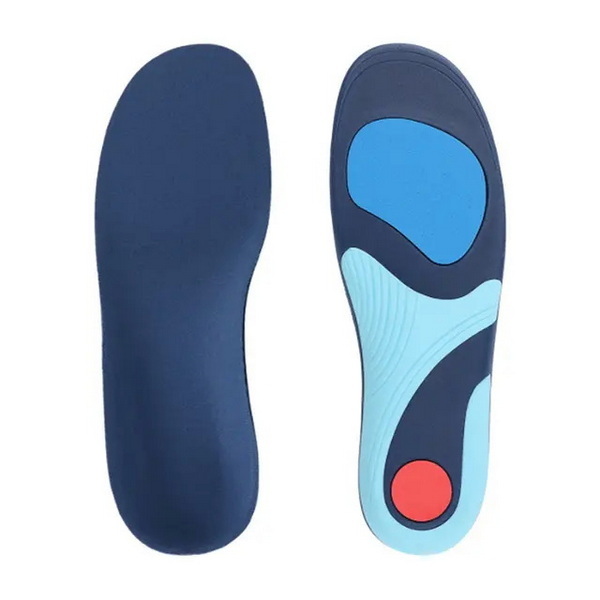
For custom insoles, your foot data and assessment results will be sent to a specialized manufacturer equipped with expert craftsmanship and advanced materials technology. Many reputable Chinese orthopedic insole manufacturers offer OEM services, enabling you to access high-quality products with customized branding and packaging options to suit international markets.
Prefabricated insoles can be purchased from medical supply stores, pharmacies, or online vendors. When buying online, ensure the product description matches your foot condition and look for vendors with good customer reviews and support for returns or exchanges.
After receiving your orthopedic insoles, wear them regularly with your usual shoes to check comfort and support. It is common to experience brief adjustment periods as your feet adapt to new support. Some insoles come with adjustable features such as removable layers or interchangeable arch supports, allowing fine-tuning for the best fit.
It may be helpful to return to your specialist for a follow-up assessment to verify the effectiveness of your insoles and adjust or remake them if necessary. Proper fitting is essential to prevent new discomfort or injuries.
Understanding the materials used in orthopedic insoles helps you select the right type for your needs.
- Foam: Lightweight and cushioned, foam insoles absorb shock but may compress quickly with heavy use.
- Gel: Offers excellent cushioning and adapts to the foot's shape, reducing pressure and enhancing comfort.
- Cork: Provides firm support and molds slowly to the foot's contours, offering natural arch support.
- Carbon Fiber: Used mainly in advanced custom insoles, carbon fiber materials offer rigid support with minimal weight.
- Thermoplastics (like EVA or PU): Moldable materials that can form the basis of both custom and prefabricated insoles, balancing support and shock absorption.
Choosing the right material depends on your foot condition, shoe type, and activity level.
Orthopedic insoles are recommended for a wide range of conditions and circumstances, including:
- Flat feet or high arches
- Plantar fasciitis and heel spurs
- Arthritis-related foot pain
- Bunions and hammertoe discomfort
- Overpronation or supination during walking or running
- Diabetic foot care to reduce ulcer risk
- Sports injuries that require additional foot support
Wearing orthopedic insoles proactively can also prevent the development of foot deformities and chronic pain in people whose work or lifestyle puts excessive stress on their feet.
- Wear gradually: Start by wearing insoles for a few hours a day and increase usage as your feet adapt.
- Use with supportive shoes: Orthopedic insoles are most effective when combined with well-fitting shoes that provide solid heel and midfoot support.
- Replace regularly: Insoles lose their structural support over time. Replace them as recommended to maintain foot health.
- Clean properly: Keep your insoles fresh and hygienic by cleaning according to manufacturer instructions.
China is a global leader in manufacturing high-quality orthopedic insoles with competitive pricing. Choosing an experienced Chinese OEM partner provides advantages such as:
- Access to advanced production technology and quality materials
- Ability to customize insoles for specific markets and customer needs
- Cost-effective solutions without compromising quality
- Efficient manufacturing and delivery timelines for international buyers
Collaborating with the right supplier ensures that your orthopedic insoles meet regulatory standards and customer expectations.
Understanding how to get orthopedic insoles involves recognizing the importance of professional assessment, selecting the right type, and ensuring a proper fit tailored to your unique foot structure and condition. Whether you opt for custom-made, prefabricated, or semi-custom insoles, investing in quality orthopedic insoles can profoundly improve foot health, relieve pain, and enhance your mobility and comfort in daily life and sports. Working with reputable manufacturers, especially those offering OEM services from China, guarantees you durable, specialized insoles precisely crafted for your needs.
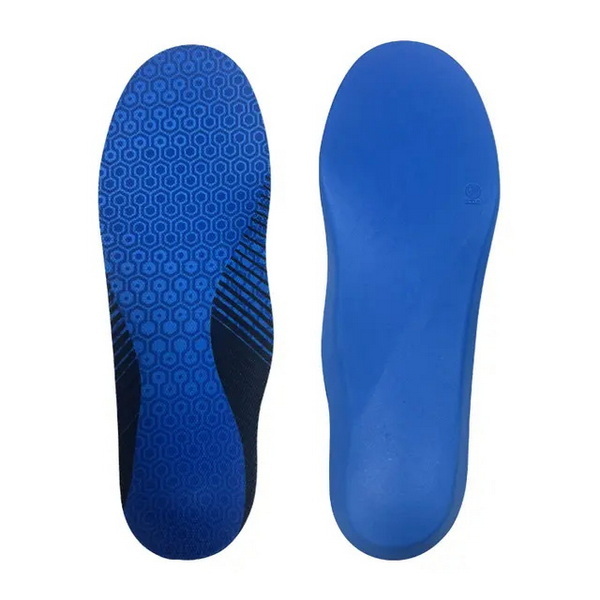
Custom orthopedic insoles usually take 1 to 3 weeks to manufacture after your foot assessment, depending on the provider and production method.
Most orthopedic insoles are designed to fit standard shoes, but specialized footwear like sandals or high heels may require custom modifications or different insole styles.
Typically, orthopedic insoles need replacement every 6 to 12 months depending on wear, activity level, and material durability.
Insurance coverage varies by country and policy. Some health plans cover custom orthopedic insoles if prescribed by a healthcare professional.
Homemade insoles may provide temporary comfort but generally lack the biomechanical support and durability of professionally made or custom orthopedic insoles.


