
Language


Content Menu
● What Are Sole Insoles and Why Mold Them?
● Detailed Manufacturing Process of Sole Insoles
>> Compression Molding and Shaping
>> Trimming, Quality Inspection, and Packaging
● Heat Molding Sole Insoles at Home: A Personalized Solution
>> Simple Step-by-Step Instructions
● Advanced DIY Methods for Sole Insoles Molding
● Benefits of Molded Sole Insoles
● Incorporating Molded Sole Insoles in Product Lines
● Caring for Molded Sole Insoles
● FAQs
>> 1. What materials are commonly used for sole insoles?
>> 2. How long do molded sole insoles last?
>> 3. Can all insoles be heat molded?
>> 4. Is professional molding better than DIY?
>> 5. How often should sole insoles be replaced?
Sole insoles play a critical role in providing comfort, support, and alignment for feet inside footwear. Whether you are a consumer, a brand, or a manufacturer, understanding how to mold sole insoles properly can enhance foot health and shoe performance. This article offers an in-depth guide on moldable Sole Insoles, covering professional manufacturing techniques, DIY methods, heat molding processes, and material considerations to help you achieve the perfect fit.

Sole insoles are removable inserts placed inside shoes to provide cushioning, support arches, distribute pressure evenly, and improve overall foot comfort. Insoles come in various forms, including flat cushioned pads and contoured orthotic designs.
Molding sole insoles is the process of shaping them to the unique contours of an individual's feet. Why mold sole insoles? Because a personalized mold:
- Offers superior arch support
- Helps correct foot posture and alignment
- Reduces pain from common conditions such as plantar fasciitis or Morton's neuroma
- Enhances shoe fit and comfort
- Increases the effectiveness of foot orthotics
By molding sole insoles, you make the cushioning specifically adapt to the shape, pressure points, and walking patterns of your feet, greatly improving comfort and wearability.
For OEM manufacturers and brand producers, crafting molded sole insoles involves a series of high-precision and technologically advanced steps designed to ensure consistency and quality.
The foundation of quality sole insoles is the raw materials. EVA (ethylene vinyl acetate) is one of the most commonly used materials due to its lightweight, cushioning, and shock-absorbing properties. Polyurethane (PU) and thermoplastic polyurethane (TPU) are also widely used for softer, durable insoles offering enhanced rebound and flexibility.
The raw materials are first processed to achieve uniform density and thickness. This involves mixing, kneading, and calendaring machines that form sheets ready for the next phases. This stage controls the insole's firmness and flexibility, attributes critical to both comfort and durability.
Once the sheets are prepared, they are cut into the approximate shape and size of the desired insole. Multiple layers may be laminated, including fabric tops for moisture-wicking and odor control.
The lamination process uses hot melt adhesives to bond EVA or PU layers with fabric covers. This step is vital for creating a durable, cohesive insole without compromising flexibility.
Molding is the defining step where flat sheets are transformed into contoured sole insoles that match ergonomic requirements. Compression molding machines use heat and pressure to shape the insole material into three-dimensional forms.
These molds are precisely engineered to incorporate:
- Heel cups that cradle the heel to stabilize foot motion
- Arch supports that provide custom height and firmness
- Metatarsal pads that relieve ball-of-foot pressure
This step differentiates basic foam insoles from advanced orthotic-grade molded sole insoles.
Final trims ensure insoles precisely fit shoe sizes. Each sole insole undergoes stringent quality control checks, testing thickness, rebound resilience, and adhesion.
Manufacturers also imprint branding and sizing information before packaging the insoles for wholesale or retailer delivery.
This professional process enables high volumes of consistently high-performing molded sole insoles for global markets.
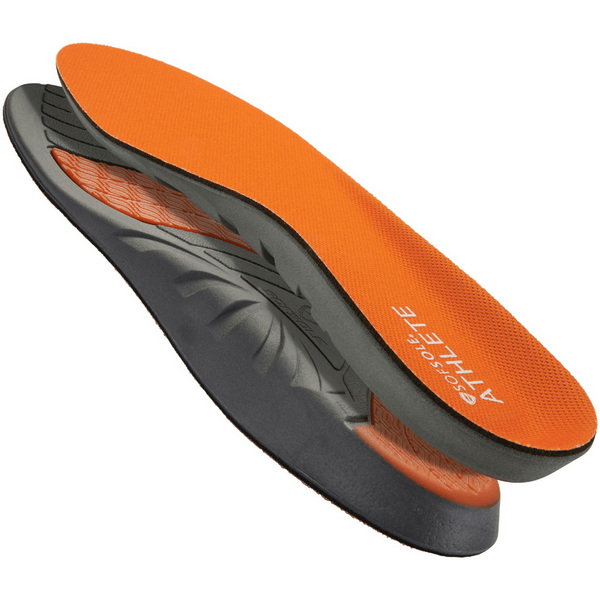
Heat moldable sole insoles have revolutionized how consumers achieve customized footwear comfort without visiting specialists.
These sole insoles use materials that soften at moderate heat (about 200°F or 90°C). When warmed, the insole becomes pliable. Once inserted into the shoe and pressed by the wearer's feet, the material cools and solidifies while conforming to the foot's unique shape.
This process creates a semi-permanent mold tailored for your arches, pressure distributions, and heel shape.
1. Preheat your oven to the recommended temperature, usually around 200°F (90°C).
2. Place the heat moldable sole insoles on an oven rack, avoiding direct contact with heating elements.
3. Warm the insoles for approximately 2 to 3 minutes.
4. Carefully remove the insoles—they should be warm but safe to handle.
5. Insert the insoles into the shoes.
6. Wear the shoes and stand or walk firmly to press your feet into the softened insoles.
7. Hold steady for a few minutes to let the insoles cool and set their shape.
- Follow the manufacturer's instructions precisely for temperature and timing.
- Avoid overheating, which can damage the insole's integrity.
- Wear shoes with socks during molding for better pressure distribution.
- If results aren't ideal, the process can often be repeated to refine the shape.
Heat molding is suitable not only for casual wear but also for hiking boots, athletic shoes, and work shoes where foot support is critical.
For enthusiasts or niche manufacturers, DIY approaches to molding sole insoles provide alternative avenues for customization beyond pre-fabricated solutions.
One effective method is to create gel sole insoles using silicone caulking:
- Mix silicone caulking with glycerine or other additives to control curing time and flexibility.
- Spread the mixture on a flat surface or a base insole.
- Step onto the silicone to imprint the foot's shape and pressure points.
- Allow the silicone to cure fully (around 20 minutes).
- The end result is a soft, cushioned, custom-fit gel insole that molds to foot contours.
These gel insoles are popular for pain relief and added shock absorption.
Emerging technologies allow for highly customized sole insoles produced via 3D printing:
- Foot scanning technology captures exact foot dimensions and arch profiles.
- CAD software designs insoles tailored to biomechanical needs.
- Flexible TPU filaments or other materials are printed to create custom insoles with intricate support zones.
- 3D printing offers unparalleled personalization in comfort, breathability, and aesthetics.
While requiring access to technology and software, this method is gaining traction among professional orthotic manufacturers and niche brands.
Choosing molded sole insoles provides several definitive advantages over generic flat insoles:
- Customized Comfort: Adapted to your foot's unique shape for all-day support.
- Improved Foot Alignment: Helps correct pronation or supination issues.
- Reduced Pain: Eases discomfort from plantar fasciitis, flat feet, or heel spurs.
- Better Shoe Fit: Minimizes foot slippage and hotspots inside shoes.
- Durability: Molded insoles hold shape longer than unshaped foam pads.
- Enhanced Performance: In athletic or work settings, they promote proper biomechanics, reducing fatigue and injury risk.
For brands and manufacturers, offering molded sole insoles as OEM services can elevate product quality and brand value. Collaborating with experienced manufacturers ensures:
- Access to advanced molding technologies
- Custom molds tailored to client specifications
- Multiple material choices for different market segments
- Compliance with international standards for fit, comfort, and safety
OEM molded sole insoles have become a staple in footwear innovation globally, enhancing competitiveness and customer satisfaction.
To maximize the lifespan and performance of molded sole insoles:
- Clean them regularly according to material guidelines (usually hand wash with mild soap).
- Allow them to air dry completely before reinsertion.
- Avoid prolonged exposure to moisture and extreme temperatures.
- Replace insoles when they show signs of excessive wear, loss of cushioning, or deformation.
Proper care maintains the molded shape and prolongs foot support effectiveness.
Molding sole insoles is a transformative process that enhances the comfort, support, and health benefits of footwear. Whether through professional OEM manufacturing, convenient heat molding at home, or innovative DIY and 3D printing methods, molded sole insoles mold precisely to individual feet, improving alignment and reducing pain. Brands, wholesalers, and consumers alike can benefit from understanding and utilizing these techniques to ensure the best foot care and shoe performance. As technology advances and new materials emerge, molded sole insoles will continue to play a pivotal role in footwear innovation.
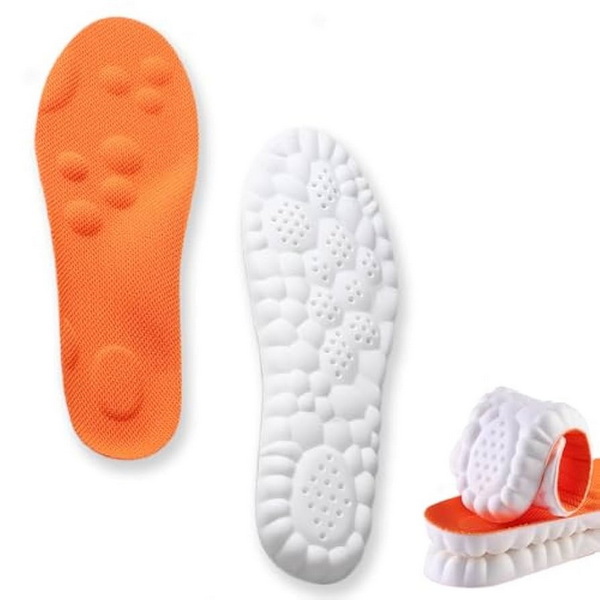
Common materials include EVA, PU, TPU, and silicone gels. These materials offer varying levels of cushioning, flexibility, and durability suited for different molding and foot support needs.
Molded sole insoles typically last between 1 to 2 years, depending on usage frequency, intensity, and material quality. Regular inspection helps determine when replacement is needed.
No. Only insoles made from heat-sensitive materials specifically designed for molding can safely undergo heat molding. Always check manufacturer instructions before attempting.
Professional molding delivers precise, consistent shapes using advanced machinery and expertise. DIY methods provide affordable and personalized options but may lack the precision of factory-made insoles.
Replace sole insoles upon noticeable loss of cushioning, support, or comfort. Typically, this is every 12-24 months, but individual factors may vary.
[1](https://www.dragonday.kr/2023/09/e08shoe-manufacturing-process-insole.html)
[2](https://www.tienkang.com.tw/technology/shoe-manufacturing-process-a-comprehensive-guide-from-design-to-distribution/)
[3](https://theinsolestore.com/blogs/guides/how-do-i-mold-sole-custom-insoles)
[4](https://yoursole.com/blog/us/heat-molding-sole-footbeds)
[5](https://www.youtube.com/watch?v=FL0rfp8VBTU)
[6](https://www.youtube.com/watch?v=nfqPyT2ErsI)
[7](https://www.instructables.com/custom-fitted-gel-insoles/)
[8](https://siraya.tech/blogs/news/diy-custom-shoe-insoles-with-3d-printing-a-beginners-guide)
[9](https://www.youtube.com/watch?v=tfUa2GEWzIQ)
[10](https://www.stridesoles.com/blogs/articles/do-it-yourself-orthotics)
[11](https://www.aideastep.com/insoles-production-technology-and-manufacturing-process/)
[12](https://theinsolestore.com/blogs/guides/all-about-moldable-insoles-wear-molding-heat-molding-custom-fitting-and-more)
[13](https://www.youtube.com/watch?v=FsCS4Pha-xE)
[14](https://www.reddit.com/r/CNC/comments/1gvibae/how_to_make_shoe_insole_mold/)
[15](https://www.instructables.com/DIY-Custom-Sized-Shoe-Cushion-Inserts/)
[16](https://www.youtube.com/watch?v=wY2OxDjRq-M)
[17](https://www.jcinsoles.com/post/step-by-step-process-of-manufacturing-insoles-in-china)
[18](https://www.tiktok.com/@mattloveshair/video/7220527792201501994)
[19](https://patents.google.com/patent/US20070163147A1/en)
[20](https://yoursole.com/instructions)


