
Language


Content Menu
● Understanding Orthotic Insoles
● Materials Used in Orthotic Insole Manufacturing
● Benefits of Orthotic Insoles
● Who Should Use Orthotic Insoles?
● How Orthotic Insoles Are Made
>> Step 2: Design and Modeling
>> Step 3: Material Selection and Cutting
>> Step 4: Molding and Assembly
>> Step 5: Inspection and Testing
● Orthotic Insoles vs. Regular Insoles
● OEM Orthotic Insole Manufacturing in China
● Choosing the Right Orthotic Insole
>> 1. What conditions do orthotic insoles help with?
>> 2. How can I tell if I need orthotics?
>> 3. Are custom orthotic insoles worth the investment?
>> 4. Can orthotic insoles be transferred between shoes?
>> 5. How often should I replace orthotic insoles?
Orthotic insoles are one of the most crucial innovations in the footwear industry. Designed with precise biomechanical principles, they support the structure of the foot, improve body alignment, and relieve discomfort caused by various foot conditions. These insoles are not simply accessories; they are technical tools that enhance everyday comfort and promote long-term foot health.
Made from premium materials and customized to each user's specific foot shape, orthotic insoles are widely used across the world for both medical and lifestyle purposes. Whether you are an athlete, an office worker, or someone struggling with foot or back pain, orthotic insoles can significantly transform your walking experience and quality of life.
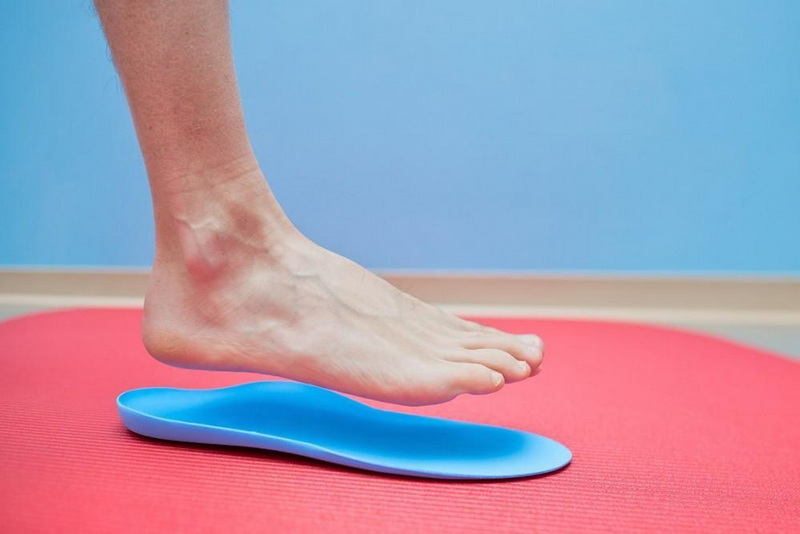
Orthotic insoles are removable inserts that fit inside shoes. Their primary purpose is to correct irregular walking patterns, distribute pressure evenly across the foot, and improve overall posture. For people suffering from conditions like plantar fasciitis, flat feet, heel pain, or bunions, orthotic insoles provide essential support that helps reduce strain on muscles, ligaments, and joints.
Whereas standard insoles focus mainly on cushioning, orthotic insoles are engineered solutions. They are developed using digital foot scanning and 3D modeling technologies that allow precise fitting and performance optimization. As a result, every orthotic design is carefully balanced between stability, flexibility, and comfort.
Modern orthotic insoles can be categorized into several types according to their purpose and material composition.
- Rigid Orthotics: These are designed for maximum control and motion correction. Commonly made from thermoplastic or carbon fiber, they reduce abnormal foot movement and relieve joint pressure.
- Soft Orthotics: Created using foam or gel materials, soft orthotics primarily offer cushioning and shock absorption. They suit people with diabetic feet or arthritis who need protection from pressure points.
- Semi-Rigid Orthotics: Combining the benefits of flexibility and structural support, these insoles are often recommended for athletes and children. They adapt well to active lifestyles.
- Arch Supports: Specifically designed for people with flat feet or overly high arches, arch supports help maintain natural alignment and reduce fatigue.
- Heel Cups and Pads: Focused on relieving heel pain, they elevate and cushion the heel area, making them beneficial for plantar fasciitis and heel spur conditions.
Every category serves a distinct function, yet all share one essential goal: to maintain or restore the natural biomechanics of the human foot.
The selection of materials determines both performance and durability. Quality manufacturers use advanced technologies and materials to ensure comfort and precision.
- EVA (Ethylene Vinyl Acetate): Known for its lightweight, resilient texture and superb shock absorption, EVA is one of the most common materials in both custom and mass-produced orthotics.
- PU Foam (Polyurethane): A soft yet supportive material that provides long-lasting cushioning and resistance to compression.
- Memory Foam: Adapts to the contours of the foot, offering personalized comfort and stability.
- Gel Inserts: Often added under high-pressure zones such as the heel and forefoot to enhance protection from impacts.
- Carbon Fiber and Thermoplastics: Used for structural reinforcement in performance orthotics, ensuring rigidity without extra weight.
Combining these materials carefully allows manufacturers to achieve the perfect balance between comfort, durability, and functionality.
Orthotic insoles function as a bridge between the foot and the ground, ensuring every step is biomechanically correct. By redistributing body weight, they minimize stress on weak points and guide the foot into a neutral position during walking or running.
They correct overpronation (excess inward rolling of the foot) and supination (excess outward rolling), both of which can cause pain in the knees, hips, or lower back. The result is improved alignment across the kinetic chain of the body, from the feet to the spine. Consistent use often reduces fatigue, prevents injuries, and enhances walking efficiency for daily and sports activities.
The advantages of orthotic insoles go far beyond foot comfort:
- Promote correct body posture
- Relieve pressure on the ankles, knees, hips, and lower back
- Improve athletic performance and endurance
- Prevent common injuries like shin splints or tendonitis
- Reduce fatigue from prolonged standing
- Extend footwear lifespan by minimizing inner wear
For many users, orthotic insoles also bring overall wellness benefits such as better balance, reduced stress on joints, and enhanced mobility in everyday life.
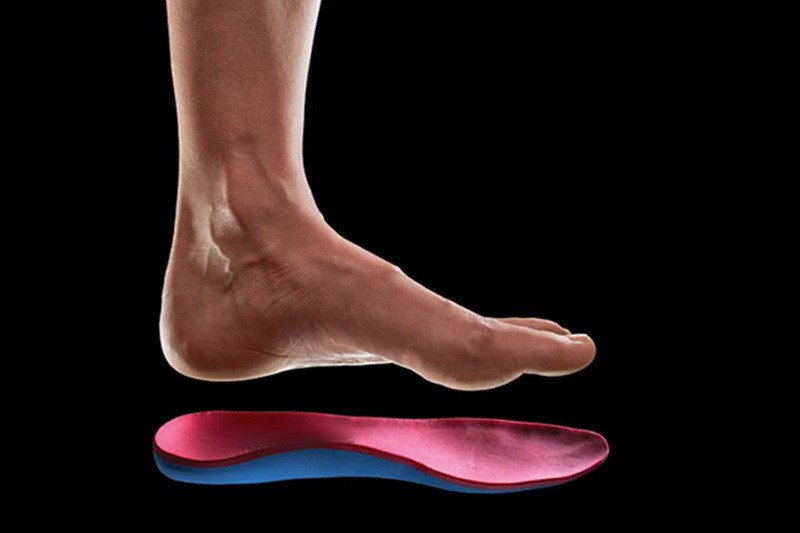
Almost anyone can benefit from wearing orthotic insoles, but they are especially useful for people with specific needs:
- Individuals with flat feet or high arches
- Those suffering from chronic heel or knee pain
- Athletes who train extensively and require stable mechanics
- Elderly people needing better balance and joint support
- Workers who spend many hours standing or moving on hard surfaces
- Patients recovering from lower limb injuries
Children can also use orthotic insoles to support growing bones and develop proper foot posture. Regardless of age, proper foot alignment makes movement more comfortable and efficient.
Manufacturing orthotic insoles involves a detailed process combining craftsmanship with advanced biomechanics knowledge.
The process begins with a digital or physical foot scan. Measurements are taken to analyze gait, pressure distribution, and alignment issues.
Professional designers use 3D software to create an insole model based on anatomical data, ensuring the final product meets medical and performance needs.
The proper combination of foams, gels, textiles, and structural composites is selected. Laser or CNC cutting ensures millimeter-level precision.
Using high-temperature pressing machines, layers are integrated and shaped to provide consistent contour and comfort.
Each pair undergoes quality checks for durability, flexibility, and structural balance before packaging and delivery.
This process allows OEM manufacturers to create personalized products that fit perfectly and provide long-term comfort for different markets.
| Feature | Orthotic Insoles | Regular Insoles |
|---|---|---|
| Design Purpose | Correction and support | General comfort |
| Material Structure | Advanced multi-layer engineering | Simple foam or gel |
| Fit | Custom or semi-custom | Standard size |
| Durability | 12–24 months | 3–6 months |
| Medical Benefit | Corrects gait, posture, and foot structure | Limited support |
Orthotic insoles are scientifically designed to influence the alignment of the lower limbs and offer therapeutic correction, while regular insoles mainly cushion the feet without affecting posture or biomechanics.
As one of China's leading orthotic insole manufacturers, our factory specializes in developing high-quality insoles that integrate advanced materials with ergonomic design. We supply to global brands, wholesalers, and shoe manufacturers seeking OEM and ODM solutions.
With over 18 years of professional experience, our production base is equipped with automated mold forming, EVA compression machines, PU pouring systems, and precision cutting tools. We produce insoles that meet international standards and support private brand customization.
Clients worldwide benefit from our flexible order management, from prototype to bulk production. Each insole is developed with careful material selection and strict quality control according to ISO-certified manufacturing processes. Our R&D team works closely with customers to design orthotics tailored for sports, medical, and everyday use.
For any footwear brand looking to expand its product line, partnering with a specialized Chinese orthotic insole factory offers efficiency, innovation, and cost advantages.
Selecting the correct insole requires understanding personal needs and activity levels.
1. Identify your foot type (flat, normal, or high arch).
2. Determine where you feel discomfort or fatigue.
3. Match the insole to your main use: walking, running, work, or medical recovery.
4. Prioritize lightweight, breathable materials for daily wear.
5. When possible, get a professional gait analysis for the best fit.
Using the right insole enhances comfort, encourages better posture, and prevents further strain on sensitive joints.
To prolong the lifespan of orthotic insoles:
1. Clean with mild soap and air-dry in a shaded area.
2. Rotate pairs if used daily to allow airing between wears.
3. Avoid direct heat or machine drying to prevent deformation.
4. Replace every 12 to 18 months, depending on activity intensity.
5. Store them in a cool, dry place free from moisture and sunlight.
With proper care, high-quality orthotic insoles will retain their structure and comfort for years of reliable use.
Orthotic insoles reshape how people walk, run, and stand by providing specialized support and alignment. From athletes to professionals spending long hours on their feet, everyone can benefit from scientifically designed insoles that reduce discomfort and enhance posture.
For brands and distributors, sourcing orthotic insoles from a trusted OEM manufacturer ensures access to premium materials, skilled craftsmanship, and custom branding opportunities. Our factory welcomes global partnerships to develop the next generation of orthotic products that deliver comfort, correction, and confidence with every step.
Contact us today to build your own line of orthotic insoles and elevate your footwear brand's market impact.

They alleviate flat feet, plantar fasciitis, heel pain, bunions, shin splints, knee discomfort, and alignment problems.
Frequent foot pain, uneven shoe wear, or discomfort after standing or walking indicate that you may benefit from orthotic support.
Yes. Custom orthotics are specifically shaped to your feet, improving correction, comfort, and posture more effectively than standard options.
Most insoles can be moved between shoes of similar size, as long as the footwear provides enough internal space.
Replace them every 12 to 24 months or when noticeable compression, cracks, or reduced support appear.


