
Views: 222 Author: Amanda Publish Time: 2025-09-10 Origin: Site


Content Menu
● Understanding Orthopedic Insoles
● Benefits of Using Orthopedic Insoles
● Where to Buy Orthopedic Insoles
>> Pharmacies and Healthcare Stores
>> Orthopedic Clinics and Podiatrists
>> Manufacturer or OEM Direct Purchase
● How to Choose the Right Orthopedic Insole
>> Size and Fit
>> Brand Reputation and Certifications
>> Consider Usage and Activity Level
● OEM Services for Orthopedic Insoles
● Caring for Your Orthopedic Insoles
● FAQ About Orthopedic Insoles
>> 1. What is the difference between orthopedic insoles and regular insoles?
>> 2. Can I use orthopedic insoles with any type of shoe?
>> 3. How long do orthopedic insoles last?
>> 4. Are orthopedic insoles covered by insurance?
>> 5. How do I know if I need custom or over-the-counter orthopedic insoles?
Orthopedic insoles have become essential for many people seeking comfort, support, and relief from foot pain or alignment issues. As a leading Chinese manufacturer offering OEM services for orthopedic insoles to foreign brands, wholesalers, and producers, we understand the critical importance of quality and accessibility. This comprehensive guide will explore where to buy orthopedic insoles, what to look for, and how to choose the right product tailored to your needs.
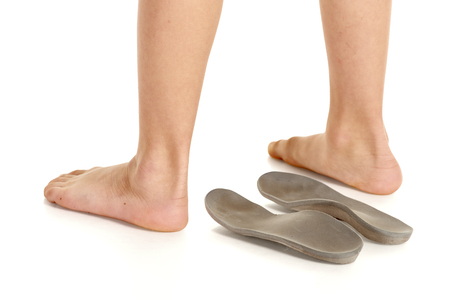
Orthopedic insoles are specially designed shoe inserts that provide extra arch support, cushioning, and alignment correction to improve foot health. Unlike regular insoles, these are crafted to address specific foot problems such as plantar fasciitis, flat feet, overpronation, or supination. They help reduce pain in the feet, knees, hips, and lower back by distributing pressure evenly and supporting proper posture.
Orthopedic insoles are often made with advanced materials to ensure durability and comfort. Memory foam, gel inserts, and EVA (ethylene-vinyl acetate) foam are commonly used to provide the necessary cushioning and shock absorption. The design also focuses on enhancing foot biomechanics, ensuring that weight distribution and foot positioning are optimized during walking or standing.
- Improve foot alignment and posture
- Alleviate pain caused by foot conditions
- Enhance comfort during prolonged standing or walking
- Provide shock absorption to reduce joint stress
- Assist in correcting gait abnormalities
Using orthopedic insoles not only improves foot comfort but can also contribute to better overall health by preventing downstream complications such as knee osteoarthritis or lower back pain. For athletes, these insoles help reduce injury risk and improve performance by stabilizing foot motion.
When looking to purchase orthopedic insoles, consider the following sources which provide quality options along with convenience.
Large e-commerce platforms are widely popular for buying orthopedic insoles. They offer an extensive selection from various brands worldwide with user reviews to guide your choice.
- Amazon: Amazon offers a broad range of orthopedic insoles including custom-fit options, mass-produced models, and brand-specific designs for different foot conditions. Many insoles come with detailed specifications and customer reviews which help buyers make informed decisions.
- eBay: eBay provides a marketplace for new and sometimes lightly used orthopedic insoles at competitive prices. Buyers can find both off-the-shelf and specialized solutions with international shipping available.
- Alibaba/Aliexpress: Particularly useful for wholesalers and businesses, these platforms connect buyers with manufacturers and OEM suppliers, enabling bulk purchases and custom product development. This is an excellent channel for companies looking to source branded orthopedic insoles directly from China.
Physical and online stores specializing in medical footwear or orthopedic products offer expert advice and quality products. These stores often feature premium orthopedic insoles designed by podiatrists or specialized brands.
- Foot Locker Medical Section: Offers orthopedic footwear and insoles, focusing on consumer comfort and sport applications.
- The Walking Company: Known for a wide selection of supportive footwear and insoles, with knowledgeable staff for in-store consultations.
- Independent Podiatric Supply Shops: These smaller shops often carry highly specialized orthopedic insoles and custom-fitting services.
Many pharmacies stock over-the-counter orthopedic insoles designed for common foot ailments. These can be convenient for quick access and come in standard sizes and shapes.
- CVS and Walgreens: These major pharmacy chains often carry a selection of insoles targeting plantar fasciitis, arch support, and heel pain relief.
- Boots (UK): A trusted healthcare retailer providing both generic and branded orthopedic insoles recommended by healthcare professionals.
Clinics specializing in foot care often provide custom-molded orthopedic insoles made by professionals using precise measurements and molds of your feet. This option ensures the highest level of personalization and effectiveness.
Custom orthopedic insoles from podiatrists address unique structural foot issues and are often covered by health insurance with a proper prescription. The fitting process includes gait analysis, imaging, and in-depth consultations.
Buying directly from manufacturers, especially those providing OEM services, can offer competitive pricing and customization options tailored for businesses or bulk buyers. This is an ideal approach for brands, wholesalers, and retail stores seeking quality products with personalized branding.
OEM cooperation enables brands to expand product lines with trusted orthopedic insoles made using advanced technology and premium materials. Manufacturers specializing in orthopedic insoles typically provide extensive support for packaging, branding, and compliance with international standards.
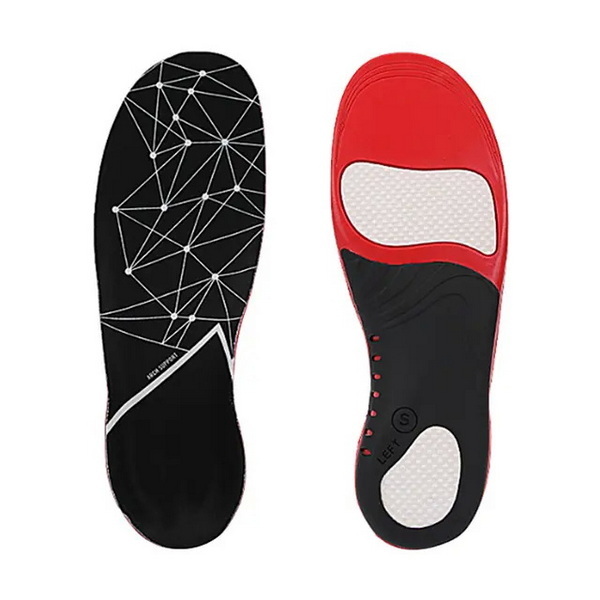
Purchasing the right orthopedic insole requires understanding your foot type, personal needs, and insole features.
- Flat Feet: Look for high arch support and stability features to prevent overpronation and relieve stress on the foot.
- High Arches: Choose cushioned insoles that offer strong shock absorption for better weight distribution.
- Plantar Fasciitis: Insoles with deep heel cups and targeted arch support help relieve pain and reduce inflammation.
- Overpronation or Supination: Motion control or stability insoles help correct improper gait caused by inward or outward foot rolling.
Orthopedic insoles come in various materials such as gel, foam, cork, or thermoplastics. Your choice should balance durability, cushioning, and breathability depending on your activity level. For example, gel insoles are excellent for shock absorption in athletic activities, while cork offers firmness and support for everyday wear.
Ensure the insole matches your shoe size and shape. Many orthopedic insoles can be trimmed to fit perfectly inside different shoe styles. Custom-made insoles, however, follow precise measurements and molds to fit individual feet exactly, offering superior support.
Checking the manufacturer's reputation, customer feedback, and product certifications such as ISO or CE approval can help ensure you purchase a high-quality, safe product. Brands specializing in orthopedic insoles usually follow strict quality controls and use medical-grade materials.
- For daily casual use, lightweight and moderately supportive insoles work well.
- For athletic or high-impact activities, insoles with enhanced shock absorption and durability are preferable.
- For occupational use, such as long hours on concrete floors, insoles with extra cushioning and arch support reduce fatigue.
As a renowned orthopedic insole manufacturer in China, we provide comprehensive OEM solutions for foreign brands, wholesalers, and production companies. Our services include:
- Custom design and molding: Creating insoles based on client specifications, foot structure data, and target market needs.
- Logo branding and packaging customization: Offering tailored branding solutions to help build brand identity and market presence.
- High-volume production with quality control: Employing advanced manufacturing technologies that guarantee uniformity and product performance.
- International standard compliance: Ensuring materials and finished products meet global safety and environmental regulations such as REACH and RoHS.
OEM cooperation enables brands to quickly launch orthopedic insole product lines without investing in R&D facilities, saving time and costs while maintaining high product quality.
Proper maintenance extends the lifespan and effectiveness of orthopedic insoles.
- Regular cleaning: Use mild soap and water for gentle cleaning; avoid harsh chemicals.
- Drying: Air dry completely—never use direct heat or dryers that might deform the insole.
- Replacement: Change insoles every 6 to 12 months depending on wear and tear or when you notice reduced comfort.
- Avoid moisture and heat: Excess moisture can degrade materials; keep insoles dry to prevent odor and material breakdown.
Proper care helps maintain the supportive properties and hygiene of your orthopedic insoles, ensuring long-term comfort and health benefits.
Orthopedic insoles play a critical role in enhancing foot comfort, correcting biomechanical problems, and alleviating pain associated with various foot conditions. Whether you are an individual consumer or a business looking for reliable OEM partners, knowing where to buy orthopedic insoles and how to select the right product is key. From online marketplaces and specialized stores to direct manufacturer purchasing and clinic custom orders, there are numerous options to fit different needs and budgets. Investing in quality orthopedic insoles made from premium materials and tailored for your foot type ensures better posture, reduced pain, and an improved quality of life.
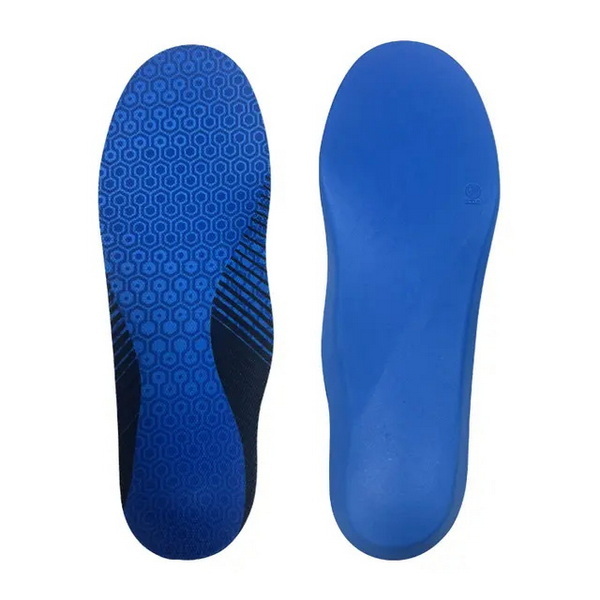
Orthopedic insoles are designed to provide therapeutic support and correct foot mechanics, helping to relieve pain and prevent injuries, unlike regular insoles which primarily offer cushioning.
Most orthopedic insoles fit into a variety of shoes, but very slim or formal footwear might be less compatible. Check the thickness and size of the insole before purchasing.
Typically, orthopedic insoles last between 6 months to 1 year depending on usage frequency, activity levels, and material durability.
Custom orthopedic insoles prescribed by a medical professional may be partially covered by health insurance, while over-the-counter insoles generally are not.
If you suffer from specific foot conditions or chronic pain, custom insoles from podiatrists provide the best results. Over-the-counter options are suitable for mild support and general comfort.


