
Views: 222 Author: Edvo Publish Time: 2025-12-18 Origin: Site


Content Menu
● Understanding Orthotic Inserts and Their Benefits
● Why Hoka Shoes Work So Well with Orthotics
>> Core Design Features Supporting Orthotics
● How to Choose the Right Hoka Running Shoe for Orthotics
● The Best Hoka Women Running Shoes for Orthotics Inserts
>> Hoka Bondi 8
>> Hoka Arahi 6
>> Hoka Mach 6
● Additional Honorable Mentions
● How to Fit Your Orthotics in Hoka Running Shoes
● Expert Tips for Using Orthotics in Running Shoes
● Everyday Comfort Beyond Running
● Hoka and Orthotics: A Perfect Match for Foot Health
● FAQ
>> 1. Can all Hoka shoes accommodate orthotics?
>> 2. Which Hoka model is best for severe pronation with orthotics?
>> 3. Are Hoka shoes recommended for plantar fasciitis?
>> 4. How can I make orthotics fit better in Hoka shoes?
>> 5. Do orthotics reduce the cushioning effect of Hoka shoes?
Finding the perfect pair of running shoes that comfortably fits orthotic for shoes can be a challenge, especially for women who require additional foot support. Orthotics play a crucial role in preventing injuries, correcting posture, and enhancing comfort during long runs or everyday walks. However, not every running shoe offers enough space, stability, and compatibility for orthotic users.
Hoka has emerged as one of the most trusted brands for runners with specialized foot needs. Known for their cushioned soles, wide base design, and outstanding comfort, Hoka shoes provide an ideal environment for orthotic inserts. But with so many models available, how do you choose the right pair?
This comprehensive guide explores which Hoka women's running shoes are best for orthotics inserts, what features make them so effective, and how to ensure your orthotics fit perfectly for long-term comfort and performance.

Orthotic inserts are custom or over-the-counter insoles designed to support the foot's natural structure. They can correct pronation issues, relieve pain, and improve body alignment during running or walking.
For example:
- Flat feet or overpronation: Orthotics help stabilize the arch and distribute weight evenly.
- Heel pain and plantar fasciitis: Inserts cushion the heel and reduce impact stress.
- Supination or high arches: Orthotics provide additional padding and improve shock absorption.
Using orthotics can make running more comfortable and efficient, but only if the shoes provide enough depth and structure to accommodate them. This is where Hoka's innovative shoe design stands out.
Hoka shoes are designed with maximalist cushioning—a deep, soft midsole that naturally creates more internal room for inserts. Unlike traditional shoes, which often fit snugly, Hoka models maintain excellent comfort even with an added orthotic layer.
- Ample Midsole Cushioning: Hoka's oversized EVA foam midsole softens every landing, minimizing joint stress even when you add orthotics.
- Meta-Rocker Technology: The curved sole promotes a natural heel-to-toe transition, compensating for any stiffness your orthotic may introduce.
- Wide Base for Stability: Hoka designs are broader at the forefoot and heel, enhancing balance and preventing inward or outward rolling.
- Removable Insoles: All major Hoka running shoe models allow you to remove the original insole, making space for custom orthotics of varying thicknesses.
- Lightweight Build: Despite their cushioning, Hoka shoes remain remarkably light, maintaining agility and speed even with inserts installed.
This thoughtful combination of cushioning, structure, and space allows runners to use orthotic inserts without compromising comfort or performance.
When selecting the perfect Hoka women's running shoe, it's important to consider your individual orthotic type, foot shape, and running goals. Here are the essential factors to guide your decision:
Choose a shoe that provides sufficient toe box room and arch height. Orthotics slightly raise your foot, so you'll need a model with enough internal space. If you use a full-length orthotic, consider going up half a size for optimal comfort.
Since orthotics already provide support, you might prefer a softer midsole to balance the rigidity of your insert. Runners with joint pain or plantar fasciitis usually benefit from plush cushioning.
For those who overpronate or need more medial control, stability models such as the Arahi 6 or Gaviota 5 offer great compatibility with orthotic inserts.
Road runners should opt for lightweight, responsive shoes like the Mach 6 or Clifton 9, while those on mixed surfaces or longer distances will find the Bondi 8 more supportive.
Always ensure that the shoe's insole is removable. Non-removable insoles can restrict orthotic placement and compromise comfort.
The Clifton 9 combines lightness and cushioning in one stylish package. It's Hoka's flagship neutral running shoe, ideal for women needing mild to moderate support. Its deep footbed provides ample space for both standard and customized orthotic inserts.
Why It Works for Orthotics:
- Spacious toe box prevents pressure buildup.
- Balanced cushioning that adapts well to orthotics.
- Secure heel counter maintains orthotic alignment.
- Lightweight construction reduces fatigue during long runs.
This shoe fits a wide range of runners, from beginners to experienced marathoners, making it a top all-around choice.
The Bondi 8 is the ultimate choice if you prioritize maximum cushioning and comfort. It offers the thickest foam midsole in the Hoka lineup—ideal for runners who use rigid orthotics or experience chronic heel or arch pain.
Why It Works for Orthotics:
- Extra-deep cushioning accommodates thicker orthotics easily.
- Early-stage rocker design minimizes pressure on the heel.
- Soft yet stable platform ensures long-term wear comfort.
- Great choice for recovery runs or walking with orthotics.
The Bondi 8 performs exceptionally well for high-mileage users or anyone recovering from foot injuries.
Runners who overpronate often rely on orthotics for realignment. The Hoka Arahi 6, with its J-Frame technology, provides structured support without the heaviness of traditional stability shoes.
Why It Works for Orthotics:
- J-Frame foam offers extra guidance along the inner foot.
- Neutral fit allows space for additional orthotic support.
- Highly breathable mesh upper ensures comfort during long sessions.
- Ideal for mild to moderate overpronators who use corrective insoles.
The Arahi 6 blends the best of stability and flexibility, creating an efficient ride for orthotic users.
The Hoka Gaviota 5 is the flagship stability shoe designed for runners needing maximum support and structure. If your orthotics are built to address severe overpronation or arch collapse, this model provides an excellent ecosystem for them.
Why It Works for Orthotics:
- H-Frame design delivers balanced stability with generous cushioning.
- Roomy fit accommodates custom inserts of varying shapes.
- Smooth rocker transition reduces strain on knees and ankles.
- Premium foam creates a plush, consistent running experience.
The Gaviota 5 is perfect for women with flat feet or those who experience knee discomfort during running.
For runners focused on performance and speed, the Hoka Mach 6 stands out. Despite its lightweight profile, it supports full-length orthotics effectively without sacrificing responsiveness.
Why It Works for Orthotics:
- Dual-density midsole cushions impact while maintaining energy return.
- Lightweight and flexible—ideal for faster workouts.
- Minimal internal seams reduce irritation.
- Stable platform allows orthotics to function without slippage.
This shoe is ideal for athletes looking for a blend of speed, comfort, and adaptability.
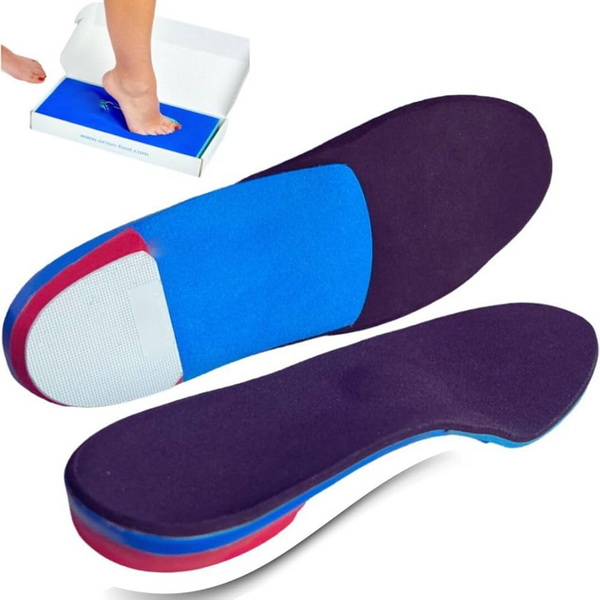
Besides the five core models listed above, several other Hoka running shoes can also accommodate orthotics effectively:
- Hoka Rincon 3: Lightweight and affordable, good for neutral runners seeking orthotic space.
- Hoka Kawana: Excellent daily trainer with firm midsole suitable for orthotic users needing extra rebound.
- Hoka Transport: Designed for walking and casual use, perfect for orthotic wearers who spend long hours standing.
Proper placement of orthotics is critical for both comfort and function. Even the best shoes can feel uncomfortable if the orthotic isn't aligned correctly.
1. Remove the existing insole: Create space for your orthotic by taking out Hoka's standard liner.
2. Check the sizing: Place your orthotic beside the original insole to confirm similar length and shape.
3. Insert carefully: Make sure the heel cup of the orthotic fits snugly against the shoe's heel section.
4. Test and adjust: Walk or jog to check for unusual pressure points. If it feels tight, loosen the laces or try half a size larger.
5. Break-in gradually: Wear your orthotics for short runs first, increasing duration as your feet adapt.
- Using orthotics on top of the existing insole.
- Ignoring discomfort or “hot spots” during the first few runs.
- Choosing shoes with a fixed insole that limits adjustment.
Small fitting errors can compromise your run's efficiency and cause unnecessary strain, so take the time to ensure a perfect fit.
- Rotate shoes regularly: Alternate between two pairs of Hoka shoes to extend their life and maintain consistent support.
- Replace when needed: Over time, midsole compression reduces support. Change shoes every 400–500 miles.
- Keep orthotics clean: Remove and clean orthotics regularly to prevent odor and bacterial buildup.
- Match socks carefully: Socks add thickness—choose thinner materials if you prefer a snug fit.
- Consult professionals: For best results, get orthotics prescribed by a podiatrist or sports doctor.
Consistency in maintenance ensures that both your orthotics and your Hoka shoes perform optimally for longer periods.
While many associate Hoka with professional running, these shoes also excel in everyday activities. For women who use orthotics at work, during travel, or for daily walking, Hoka running shoes provide unmatched comfort throughout the day.
Their lightweight design and plush midsole reduce fatigue when standing for long hours. Office workers, retail employees, nurses, and teachers especially benefit from this combination of cushioning and stability. The Bondi 8 and Clifton 9, in particular, make excellent all-day wear options for orthotic users.
Beyond performance, Hoka shoes contribute significantly to foot health. Their ergonomic structure supports better posture and alignment, reducing strain on the knees, hips, and lower back. Combined with custom orthotics, they create a personalized support system tailored to the user's biometric needs.
This makes Hoka not only a brand for athletes but also for anyone seeking enhanced comfort and protection from daily wear and tear. From long-distance runners to professionals on their feet all day, the combination of Hoka shoes and orthotic inserts ensures balance, durability, and comfort in every step.
Choosing which Hoka women's running shoes are best for orthotics inserts depends on your running goals, support needs, and personal comfort preferences. The Hoka Clifton 9 and Bondi 8 remain front-runners for neutral runners who value cushioning and spacious interiors. The Arahi 6 and Gaviota 5 offer increased stability for overpronators, while the Mach 6 caters to those seeking speed and efficiency.
Each Hoka shoe model features removable insoles, deep midsoles, and smart design engineering that easily accommodates orthotics without compromising fit or performance. For women runners, walkers, or everyday users who depend on orthotics, Hoka provides an exceptional foundation to support every movement with comfort, confidence, and care.
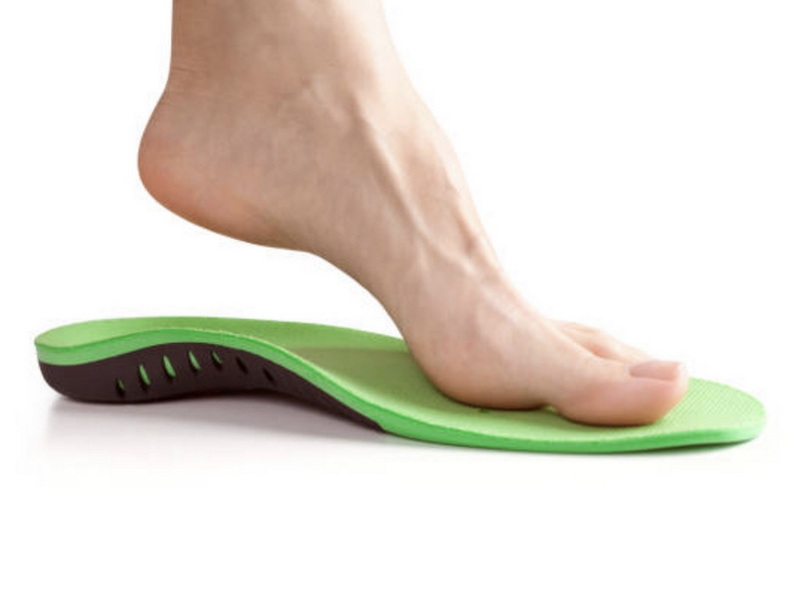
Most Hoka shoes can fit orthotics, especially those with removable insoles. Neutral and stability models offer the best compatibility and fit options.
The Hoka Gaviota 5 is an excellent pick. It features H-Frame support and ample cushioning to combine effectively with corrective orthotics.
Yes. Hoka shoes like the Bondi 8 and Clifton 9 reduce heel and arch pain with their plush midsoles, and pairing them with orthotics enhances the support even further.
Remove the original insole, check for flat positioning, and ensure there is enough toe space. You can also try thinner socks or half a size larger for better comfort.
Not significantly. While orthotics change the internal shape, Hoka's deep cushioning balances any added firmness, maintaining overall comfort and shock absorption.


