
Language
Views: 222 Author: Amanda Publish Time: 2025-09-08 Origin: Site


Content Menu
● Introduction to Orthotics for Shoes
● What Makes Hoka Shoes Ideal for Orthotics?
>> Oversized Cushioned Midsoles
>> Lightweight Build with Breathable Upper
>> Removable Insoles and Accommodating Fit
>> Stability and Support Features
● Recommended Hoka Shoe Models for Orthotics
>> Hoka Arahi
● Benefits of Combining Orthotics with Hoka Shoes
>> Personalized Biomechanical Support
>> Improved Stability and Injury Prevention
● Practical Tips for Using Orthotics with Hoka Shoes
● Frequently Asked Questions (FAQ)
>> 1. Can I wear custom orthotics in all Hoka shoes?
>> 2. Should I remove the original insoles of Hoka shoes when using orthotics?
>> 3. Which Hoka shoe model is best for plantar fasciitis combined with orthotics?
>> 4. Are Hoka shoes good for flat feet when combined with orthotics?
>> 5. Will adding orthotics make Hoka shoes feel heavy or less comfortable?
Hoka shoes have surged in popularity as go-to footwear for individuals seeking superior comfort, support, and injury relief, especially when used with orthotic inserts. Iforthotics for shoes are part of your foot care regimen, Hoka's specialized design features make them an excellent choice. This article delves into why Hoka shoes stand out for orthotic compatibility, details on best models, tips for use, and the benefits they offer for those needing custom or over-the-counter orthotics.

Orthotics for shoes are specially designed inserts that correct or accommodate various foot biomechanical issues, such as flat feet, plantar fasciitis, arthritis, or gait abnormalities. Worn inside shoes, orthotics redistribute pressure, provide arch support, relieve pain, and improve overall foot alignment. However, the effectiveness of orthotics is highly dependent on the footwear chosen, as the right shoe can enhance the benefits and comfort of orthotics. Hoka shoes have become a leading choice due to their design philosophy focused on cushioning, support, and stability.
Hoka shoes feature prominently thick midsoles that provide plush cushioning unparalleled by typical running or walking shoes. The extra cushioning helps lessen the impact on sensitive points like the heel and ball of the foot which orthotics often need to support due to biomechanical issues.
This technology, integral to most Hoka models, features a curved sole that promotes a smooth heel-to-toe transition while walking or running. It reduces excessive stress on joints and foot muscles, enhancing comfort especially for people relying on orthotics for pain relief or gait correction.
Despite their chunky midsoles, Hoka shoes employ lightweight foam and mesh materials that make the shoes feel light and breathable, an essential feature for long hours of wear.
Most Hoka shoes come with removable sockliners (insoles), enabling easy replacement with custom orthotics or prefabricated inserts. Additionally, the shoes typically offer ample interior volume, especially in the toe box, providing enough room so orthotics fit comfortably without crowding or discomfort.
Advanced midsole foams and design geometries such as Active Foot Frame and reinforced heel structures grant users excellent lateral and medial support, preventing foot roll and providing a stable platform for orthotics to function optimally.
While many Hoka models accommodate orthotics, some are especially praised for their support, volume, and comfort in this context.
The Bondi series represents the pinnacle of Hoka cushioning and shock absorption. Its thick EVA midsole and wide platform offer excellent stability and support, making it an ideal shoe for all-day wear with orthotics targeting plantar fasciitis, arthritis, or flat feet.
The Arahi model integrates stability technology to help control overpronation—when feet roll inward excessively. Combined with orthotics, it provides targeted alignment support, making it excellent for mild to moderate pronators.
Clifton 8 is notable for its balance of lightness and cushioning. Its wide toe box and removable insoles have made it a favorite among orthotic users who desire a more performance-oriented shoe but require customization inside.
Gaviota 5 enhances both cushioning and structure to offer robust support for people needing orthotics. Its medial post works with orthotics to reduce inward foot collapse, especially suitable for flat feet or overpronation issues.
This trail running shoe provides extra tread grip and reinforced support. Orthotic users who venture into rugged terrain appreciate Speedgoat's combination of stability and comfort.
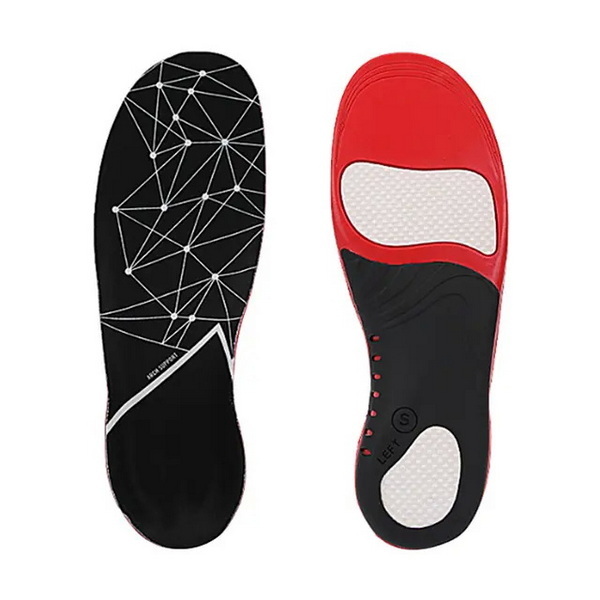
Custom or off-the-shelf orthotics address individual foot issues such as arch support or shock absorption gaps that shoes alone might not resolve. Pairing these with Hoka shoes maximizes biomechanical correction.
The joint-shielding cushioning of Hoka shoes coupled with orthotic inserts reduces strain on the feet, ankles, knees, and hips, making activities less painful for those with plantar fasciitis, arthritis, or metatarsalgia.
Using Hoka's supportive platform along with orthotics increases balance and control, reducing the risk of falls or further foot injury.
Orthotics help distribute foot pressure evenly, preventing improper wear on shoes. Hoka's durable materials and shock-absorbing midsoles combined with orthotics extend the life of footwear.
- Always remove the factory insoles to make room for custom orthotics, preventing overcrowding and discomfort.
- Choose Hoka models with removable insoles and sufficient interior height to accommodate your specific orthotic thickness.
- Consider sizing up if your orthotics are particularly thick.
- Break in the shoes gradually with orthotics to adjust to the combined feel.
- Consult with a podiatrist or footwear specialist for proper fitting and selection of both orthotics and shoes.
- Keep orthotics clean and replace them as recommended for sustained foot health.
Though this article includes no direct images or videos, it's recommended to explore online video reviews and tutorials demonstrating the insertion of orthotics into best Hoka models, analysis of fit, and user experiences with foot pain relief. Additionally, visual guides on Hoka shoes' rocker soles and midsole cushioning technologies complement orthotic education.
Hoka shoes represent an outstanding footwear choice for anyone using orthotics for shoes. Their innovative sole designs, exceptional cushioning, stability features, and removable insoles accommodate a wide range of orthotic types and foot conditions. Whether managing plantar fasciitis, flat feet, arthritis, or general foot fatigue, pairing orthotics with Hoka shoes provides synergistic benefits of comfort, support, and injury prevention. Proper fitting and model selection enhance the effectiveness of orthotics and extend shoe longevity, making Hoka a preferred brand for orthopedic and foot-health-conscious users.

Not all Hoka shoes are equally orthotic-friendly. Models with removable insoles and ample interior volume, like Bondi, Arahi, and Clifton 8, are best suited for custom orthotics.
Yes, removing the factory insoles is recommended to prevent overcrowding inside the shoe and to ensure a better fit and comfort with custom orthotics.
The Hoka Bondi series is highly recommended for plantar fasciitis sufferers due to its superior cushioning and stability designed to absorb foot impact effectively.
Yes, Hoka shoes provide necessary cushioning and support, and when paired with orthotics, they offer tailored arch support crucial for flat feet.
Hoka shoes are lightweight despite their thick midsoles, so while orthotics add some weight, overall comfort and performance are usually maintained.
[1](https://stepsoothing.com/home/can-you-wear-orthotics-with-hoka-shoes/)
[2](https://luckyshoes.com/blogs/lucky-shoes-blog/the-orthopedic-benefits-of-hoka)
[3](https://www.hoka.com/en/il/hoka-pronation-guide.html)
[4](https://www.z-liner.com/blogs/shoe-specific-replacement-guides/hoka-replacement-insoles)
[5](https://www.hoka.com/en/us/orthopedic-shoes/)
[6](https://www.runningwarehouse.com/learningcenter/gear_guides/footwear/which-hoka-is-right-for-me.html)
[7](https://www.runnersneed.com/expert-advice/gear-guides/hoka-one-one-buying-guide.html)
[8](https://www.hoka.com/en/us/blog-post/?id=hoka-pronation-guide)
[9](https://stansshoes.com/blogs/blog/which-hoka-shoe-is-right-for-me)


