
Language


Content Menu
>> Materials and Manufacturing
● Are Insoles Orthotics? Defining The Difference
>> 1. Customization and Prescription
>> 3. Design and Material Complexity
● Are Retail “Orthotic Insoles” Real Orthotics?
● Why Understanding This Distinction Matters
● Trends and Innovations in The Insole and Orthotic Industry
● The Importance of OEM Partners in Footcare Solutions
● How to Choose Between Insoles and Orthotics
● Expanding on Clinical Use Cases
● The Lifecycle of Insoles and Orthotics
● Practical Tips for Brands and Consumers
>> 1. Are all insoles considered orthotics?
>> 2. Can I use insoles instead of orthotics if I have foot pain?
>> 3. What materials are best for insole comfort and support?
>> 4. How long do insoles and orthotics last?
>> 5. Can brands sell “orthotic insoles” without certification?
The quest for foot comfort, injury prevention, and daily vitality continues to propel the evolution of shoe accessories globally. Among these, insoles remain a top choice for people seeking immediate comfort in their shoes, while orthotics insoles are appreciated for their therapeutic benefits. Yet, a recurring question often puzzles both end-users and industry professionals: Are insoles orthotics? Understanding this relationship is critical, especially for international brands, wholesalers, manufacturers, and anyone involved in the footwear and footcare industries. This in-depth guide explores definitions, uses, differences, innovations, and OEM trends shaping today's insole and orthotic solutions.
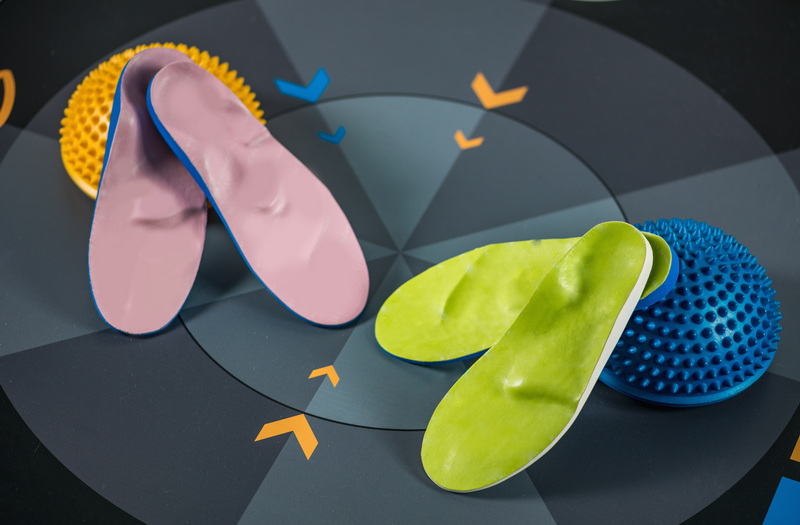
Insoles, also referred to as footbeds or inserts, are removable components placed under the foot inside a shoe. Traditionally, their main purpose has been to enhance comfort, provide cushioning, absorb shock, or correct shoe fit. Over time, insoles have diversified, addressing different needs—ranging from sports performance to work-specific fatigue relief. Today's insoles combine ergonomic design, advanced materials, and specialized features that cater to individual lifestyles.
- Comfort Insoles: Focus on cushioning, shock absorption, and relief from foot fatigue. Perfect for everyday wear, standing long hours, or casual walking.
- Support Insoles: Offer enhanced arch and heel support. Commonly used by those with mild pronation, flat feet, high arches, or minor alignment issues.
- Sport and Activity-Specific Insoles: Engineered for running, hiking, cycling, or occupational use. These insoles often feature reinforced arch support, moisture management coatings, or impact zones.
- Medical and Therapeutic Insoles: Designed for individuals seeking relief from mild foot discomfort, early signs of plantar fasciitis, or diabetic foot concerns. They generally offer extra cushioning and may incorporate antimicrobial properties.
- Heated and Specialty Insoles: Include features such as built-in heating elements for cold weather, magnetic foams, or odor control technologies.
Advances in foam technology, gel dispersion, memory materials, and natural fibers have transformed the insole segment. Materials like EVA (Ethylene Vinyl Acetate), polyurethane foam, silicone, cork, recycled plant fibers, and high-performance textiles are now commonly used. Each material offers a distinct combination of comfort, resilience, moisture-wicking, and breathability.
- Enhanced Comfort and Fit: A quality insole can transform the feel of any shoe, making inexpensive or rigid footwear much more bearable.
- Shock Absorption: Reduces microtrauma to joints and back, especially during high-impact activities or long periods on hard surfaces.
- Minor Alignment Support: Some insoles offer enough structure to guide foot posture and decrease fatigue for the general population.
- Moisture and Odor Management: Many specialist insoles have antimicrobial treatments and moisture-wicking linings.
Orthotics are medical devices designed to control and optimize foot function, typically prescribed after a thorough biomechanical assessment by podiatrists or orthopedic specialists. They address specific conditions such as overpronation, supination, heel spurs, chronic plantar fasciitis, diabetic ulcers, rheumatoid arthritis, and more. Orthotics are customized to each user's anatomy, often using digital scanning, physical molds, or impressions.
- Functional Orthotics: Intended to correct faulty gait patterns, balance issues, and joint misalignments. Used extensively by athletes, individuals with leg length discrepancies, or those with medical foot anomalies.
- Accommodative Orthotics: Prioritize pressure relief and comfort for sensitive feet. Used for conditions such as diabetes, severe flat feet, or structural deformities.
- Pediatric Orthotics: Custom-made for children struggling with walking abnormalities or developmental foot issues.
Orthotics are produced with high-grade, durable materials—rigid plastics, carbon fiber, multilayered polymers, or reinforced foams. The manufacturing process may involve advanced 3D printing, CNC machining, or skilled handcrafting. The design is always individualized, considering the patient's pathology, lifestyle, and footwear preferences.
- Biomechanical Correction: Orthotics restore optimal alignment throughout the lower extremities, reducing pain from feet up to the hips and back.
- Injury Prevention: By correcting gait and weight distribution, orthotics prevent overuse injuries and chronic pain.
- Therapeutic Relief: People with severe or persistent symptoms, such as bunions or arthritis, benefit from targeted pressure relief and stabilization.
To the untrained eye, insoles and orthotics can appear similar. Both are shoe inserts, both promise comfort or support, and both may claim to address foot pain. However, there are clear technical and functional differences.
- Insoles: Typically pre-molded, designed for mass markets, and available at footwear or sports retailers. While some insoles have mild arch or heel support, they are not custom-fitted for an individual's precise anatomy or clinical need.
- Orthotics: Always customized or semi-customized after professional evaluation. They are prescribed based on medical necessity, often after gait analysis and foot assessments.
- Insoles: Aim to enhance everyday comfort, relieve mild discomfort, or improve fit.
- Orthotics: Intended to correct biomechanical errors, redistribute pressure, and directly treat specific medical or postural conditions.
- Insoles: Use basic foams, gels, or textiles for straightforward applications. Technological advances allow for added features—antimicrobial treatments, cushioning zones, or moisture-wicking—but overall material composition is simpler.
- Orthotics: Incorporate multiple layers, rigid and flexible components, and medical-grade materials engineered for long-term use under clinical conditions.
- Insoles: Inexpensive, easy to obtain, and replaceable. They fulfill the needs of the general consumer population.
- Orthotics: Significant investment, requiring a specialist's prescription. Cost is justified by long-term health savings, reduced injury rates, and superior outcomes.
An emerging gray area in the market is the retail “orthotic insole.” These products, while not truly bespoke, often offer greater support than traditional insoles—using higher arches, firmer foams, or structural reinforcement. They're a middle ground for those experiencing moderate discomfort but not requiring clinical intervention. While helpful, they don't diagnose, treat, or resolve medical conditions and should not be seen as a direct replacement for physician-prescribed orthotics.
For brands, wholesalers, and B2B manufacturers, clarity around terminology is essential in product development, marketing, and regulatory compliance. Mislabeling a basic insole as “orthotic” without supporting clinical evidence can result in dissatisfied customers, increased returns, and legal liability. For consumers, using an insole in place of needed orthotics may delay critical treatment and worsen underlying foot issues.
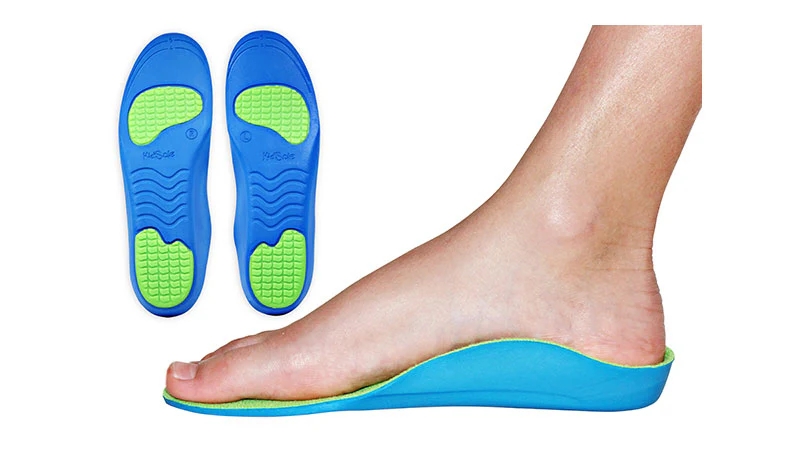
The global footcare market continues to see impressive progress. Key trends include:
- Digital Customization: 3D foot scans, digital pressure mapping, and AI-powered gait analyses allow for the mass customization of insoles and affordable entry-level orthotics, making individualized comfort more accessible.
- Smart Technology: Integration of sensors and Bluetooth modules enable activity tracking, pressure monitoring, and real-time biomechanical feedback for rehabilitation or athletic training.
- Eco-friendly Materials: Bio-based foams, recycled textiles, and biodegradable plastics are meeting consumer demand for sustainability without sacrificing performance.
- Hybrid Solutions: The rise of semi-custom and “orthotic-style” insoles blends mass-market convenience with enhanced support, addressing the needs of those at risk of developing foot problems.
For brands and distributors, partnering with an experienced OEM manufacturer unlocks numerous advantages:
- Collaboration on Design and Innovation: OEMs can quickly adapt prototypes to market feedback, incorporate proprietary brand features, and fast-track the development of new insole solutions.
- Scalability and Quality Assurance: ISO-certified production lines, rigorous material sourcing, and comprehensive quality control ensure product consistency on a global scale.
- Brand Differentiation: With OEM production, brands can create exclusive blends of comfort, support, and design, helping them stand out in crowded markets.
The ability to integrate bespoke branding elements, unique materials, and advanced features positions private label insoles at the forefront of the international sports, health, and leisure industries.
The right solution always depends on the end user's needs:
- For Everyday Comfort or Prevention: Athletes, workers, and anyone seeking better comfort should look for advanced comfort or support insoles.
- For Medical Relief: People with chronic pain, diagnosed foot conditions, or complex biomechanical requirements should consult a specialist about orthotics.
- For Niche Needs: Those with diabetes, rheumatoid arthritis, or children with specialized growth patterns may require custom orthotics or specialized therapeutic insoles.
User education is essential. Product labeling, sales support materials, and marketing campaigns should clearly outline who each solution is for, what it can and cannot do, and when to seek professional medical advice.
Orthotics play a valuable role in the treatment and management of many common conditions:
- Plantar Fasciitis: Custom orthotic devices redistribute weight and reduce tension on the plantar fascia, providing relief from chronic heel pain.
- Flat Feet (Pes Planus): Functional orthotics encourage proper arch support, aid in posture correction, and can even reduce knee and lower back pain over time.
- Diabetic Foot Ulcers: Accommodative orthotics cushion high-pressure zones and prevent shear-related injuries, which is critically important for maintaining foot health in diabetic individuals.
- Arthritis and Bunions: Specialized orthotics offload pressure from inflamed joints, slowing the progression of deformities and reducing pain.
- Sports Injuries: Athletes with recurring shin splints, stress fractures, or Achilles pain may benefit from orthotics meticulously designed to modulate ground-reaction forces and protect vulnerable structures.
Both insoles and orthotics have limited lifespans determined by material durability, frequency of use, and user activity levels:
- Basic Insoles: Typically effective for 6–12 months with daily use, after which cushioning and structural support degrade.
- Custom Orthotics: Durable for 1–3 years, but should be periodically reassessed by a professional. Changes in body weight, activity, or health may necessitate adjustments or replacements.
Cleanliness and hygiene also matter. Removable insoles and orthotics should be aired out, kept dry, and cleaned regularly to prolong their functional life and prevent fungal or bacterial growth.
- Brands: Invest in R&D, partner with manufacturers utilizing the latest technologies, and remain transparent in product claims. Highlight differentiators while staying compliant with international regulations.
- Consumers: Assess your needs, be skeptical of exaggerated claims, and understand the limitations of retail insoles compared to custom medical devices. Replace products as recommended to maintain long-term foot health.
Insoles and orthotics, though related, serve fundamentally different purposes. Insoles are designed for universal comfort, immediate fit modifications, and accessibility. Orthotics offer customized medical correction, tailored comfort, and preventative treatment for foot pathologies. Industry leaders and brands can best serve the market by understanding these boundaries, offering credible product information, and working with expert OEM manufacturers to deliver solutions for every type of end user.
Dialing in the right choice ensures consumers experience all the benefits modern footwear technology has to offer: improved comfort, reduced injury rates, and optimal foot health.
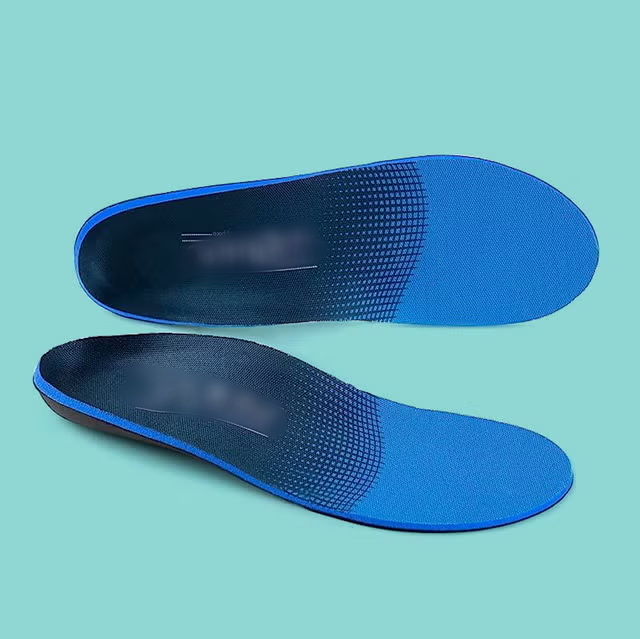
No. While orthotics fit inside the shoe as an insole does, most over-the-counter insoles are not orthotics. Orthotics are custom-designed medical devices for specific biomechanical correction, whereas standard insoles provide generic comfort or support.
For mild, occasional discomfort, high-quality insoles may be sufficient. However, those with persistent or severe pain, underlying medical issues, or deformities should seek advice from a healthcare professional for possible orthotic treatment.
Materials such as EVA foam, gel inserts, latex, and memory foam are excellent for comfort. Rigid or semi-rigid materials, like reinforced plastics or carbon fiber, are optimal for support, particularly in orthotics. Material choice depends on user needs and shoe activity.
Standard insoles should be replaced every 6–12 months with regular use. Orthotics generally last from 1–3 years but require medical reassessment if pain or gait changes occur. Lifespan varies depending on physical activity and care routines.
Brands can use the term “orthotic-style” for retail insoles that offer enhanced support but should clearly distinguish these from true custom orthotics, which require professional certification and assessment. Transparency is essential to maintain trust and compliance.


