
Views: 222 Author: Edvo Publish Time: 2025-12-05 Origin: Site


Content Menu
● Standard Rule: Remove the Original Insoles
● When You Can Keep the Insoles In
● Why Removing the Insole Often Works Better
● Step‑by‑Step: How to Install Orthotics Correctly
>> Step 1: Remove the Existing Insole
>> Step 2: Place the Orthotics Inside
>> Step 3: Test Fit and Comfort
● What If the Insoles Cannot Be Removed?
● Breaking In New Orthotics Safely
● Choosing Shoes That Work Well With Orthotics
● Orthotics, Insoles, and Shoe Inserts: What Is the Difference?
● How Custom Insoles Manufacturers Can Support Brands
● Practical Tips for Everyday Users
● FAQ
>> 1. Can I wear orthotics on top of my existing insoles?
>> 2. What happens if I do not remove the original insole?
>> 3. How do I know if my orthotics fit properly?
>> 4. Do I need special shoes for orthotics?
>> 5. How long does it take to get used to new orthotics?
Most people should remove the original before placing orthotic insoles in their shoes, especially when using full‑length or medical devices. In some cases, shorter or thinner devices can sit on top of the existing footbed as long as the shoe still fits comfortably and securely.
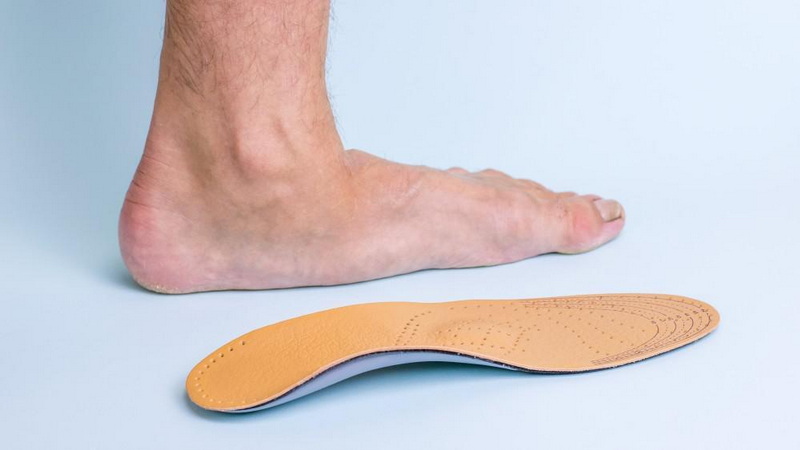
Orthotics are specialized devices designed to support and guide the foot so that movement becomes more stable and efficient. They help redistribute pressure across the sole, reduce excessive rolling of the foot, and support joints during walking and running.
There are custom devices made from a prescription and mass‑produced models designed around common foot shapes. Both types rely on a stable platform inside the shoe so that the corrective features line up precisely with the user's anatomy.
For most full‑length devices, the safest rule is to take the original insole out and replace it with the orthotic. This prevents unnecessary bulk under the foot and allows the device to lie flat in the shoe.
When the factory footbed stays in place, the user's foot can sit higher than the designer intended, leading to a cramped upper and unstable support. Over time, that extra height can also cause rubbing, blisters, and reduced corrective effect.
Some shorter devices end around the midfoot and do not cover the forefoot area. In those situations, they may sit on top of the existing liner without making the shoe feel overly tight.
Very thin, flat liners that offer almost no built‑in shape can sometimes remain in place as long as there is still enough internal space. The key test is simple: the shoe should close normally, toes should move freely, and the user should feel supported rather than squeezed.
Supportive devices are designed to work on a firm, predictable surface. When a thick cushion or shaped liner sits underneath, the device may tilt or sink unevenly, which changes the angles the designer intended.
Taking out the original insole also increases the internal volume of the shoe. This lowers the foot back to its ideal position relative to the upper and reduces pressure over the instep and toes. In addition, a flat shoe base makes it easier for the device to grip the interior, reducing the chance of sliding forward or backward during use.
Start by holding the shoe at the heel and gently lifting the back of the insole. Work slowly toward the forefoot, easing the footbed out in one smooth motion. If the liner is lightly fixed, a careful peel is usually enough to remove it without damaging the interior.
Position the back of the device firmly against the inside heel of the shoe. Smooth it along the base so that it lies flat without bumps, waves, or curled edges. The front should sit naturally in the forefoot area without folding or pushing up against the sides.
After inserting the devices, put on the shoes and lace or fasten them as usual. Stand, walk, and turn in different directions to check for tightness, slippage, or pinching. The support should feel firm and stable, but not sharp or burning in any area.
Some casual and dress styles have liners that are stitched or glued in place. In these cases, trying to pull them out often damages the shoe, so it is usually better to leave them alone.
If the built‑in liner is thin and flat, the devices can sometimes be placed on top as long as there is still enough space for the foot. When the shoe becomes cramped, the more practical choice is to switch to a model designed with removable insoles and a deeper interior.
Even a perfectly fitted device can feel unusual at first because it changes how the foot loads and moves. Instead of jumping straight into full‑day wear, it is better to start with short periods and gradually increase time as the body adapts.
Mild tiredness or awareness of new support is common in the early days, but strong or lasting pain is a warning sign. If discomfort builds instead of fading, it is important to reassess the fit of the shoe, the positioning of the device, and, if needed, consult a professional for adjustments.
Not every shoe is a good partner for supportive devices. Pairs that work best usually have a removable insole, a reasonably deep interior, and a firm back section that holds the heel in place.
Lace‑up or strap designs provide more control because they can be tightened over both the foot and the device. Very soft, flexible shoes with shallow uppers may feel comfortable at first, but they often fail to give the stable platform that corrective support needs.
Although the terms are often mixed in daily speech, there is a practical difference between everyday insoles and more advanced corrective devices. Everyday insoles focus mainly on comfort and basic cushioning, which can help with tired or mildly sore feet but are not tailored to a specific medical need.
Corrective devices are created to address structural or biomechanical problems, such as excessive inward or outward rolling of the foot, long‑standing heel pain, and similar conditions. They use firmer materials and shaped profiles to guide movement rather than simply add softness. Because of that, they usually need more precise placement and more suitable footwear.
For many people with only mild discomfort, a well‑designed comfort insole that replaces the stock footbed can be enough. For those with long‑term or more complex issues, a medical‑grade device is often the more effective solution, especially when used in the right shoe and installed in place of the original insole.
Professional production partners can design removable footbeds and supportive inserts that integrate smoothly into different footwear categories. For brands and wholesalers, this makes it easier to offer shoes that are ready for both comfort insoles and corrective devices.
By adjusting length, shape, thickness, and material combinations, manufacturers can create liners that are easy to remove yet still feel premium when used alone. This balance allows end users to replace the original insole with a corrective device without sacrificing fit or comfort.
Manufacturers can also help with clear usage instructions, such as printed diagrams on packaging and simple text guidelines about removing the original insole before use. These small details reduce confusion, strengthen brand reputation, and improve the experience for customers who rely on supportive devices in everyday life.
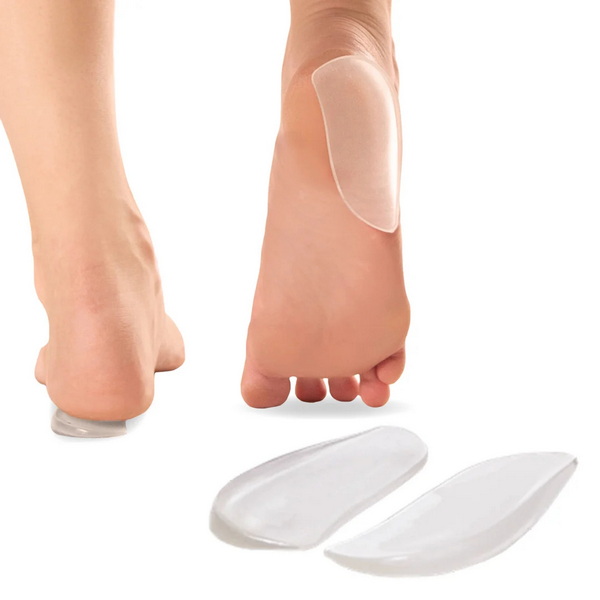
Here are simple guidelines users can follow when deciding whether to remove insoles for supportive devices:
- When using full‑length devices in casual, sport, or work shoes with removable liners, take the original insole out and replace it.
- When using short heel or arch supports in shoes with thin, flat liners, it can be acceptable to leave the liner in place if the shoe still feels comfortably roomy.
- If the shoe feels tight across the top or toes after adding the device, remove the original liner or switch to a deeper shoe.
- If pain or discomfort increases after the change, check placement, adjust wear time, and seek professional advice if problems continue.
In everyday practice, the safest approach is to remove the original insole when using full‑length or medical‑grade orthotics so that the device can sit flat, stable, and close to the foot. Shorter or thinner supports can sometimes sit on top of existing liners when there is still enough space, but comfort and stability should always be the final guide.
Correct choice of footwear, careful installation, and a gradual break‑in period are just as important as the device itself. For brands, wholesalers, and manufacturers, designing shoes and removable liners that work well with orthotics helps users get the full benefit of modern foot support technology in daily life.

This may be possible with short or slim devices in shoes that still feel roomy, but it is not ideal for full‑length medical orthotics. For best results, replace the original insole so the device can lie flat.
Leaving the stock insole in place can make the shoe too tight and change the angles of the support. That can lead to rubbing, pressure points, and a loss of corrective effect.
They should sit firmly against the heel, lie smoothly along the base of the shoe, and allow natural toe movement. When walking, you should feel stable support without sharp or burning pressure.
You do not always need a special model, but you do need footwear with removable insoles, enough depth, and a secure fastening system. Very shallow or soft shoes rarely give the stable platform that corrective devices require.
Most people adapt over a period of days or weeks, especially if they start with short wear times and increase gradually. Persistent or severe pain is not normal and should be checked by a qualified professional.


