


Content Menu
● How to Wash Shoe Insoles: Step-by-Step Guide
>> Machine Washing (Cautiously)
● Special Cleaning Tips for Shoe Insoles
>> Using Vinegar and Baking Soda
● How to Care for Shoe Insoles Daily
● Common Mistakes to Avoid When Washing Shoe Insoles
● When to Replace Shoe Insoles
● Benefits of Using Quality Shoe Insoles
● Frequently Asked Questions (FAQ)
>> 1. Can all shoe insoles be washed?
>> 2. How often should shoe insoles be cleaned?
>> 3. Can I put shoe insoles in a washing machine?
>> 4. How do I dry shoe insoles after washing?
>> 5. What is the best natural way to remove odor from shoe insoles?
Shoe insoles are an essential part of footwear, providing comfort, support, and cushioning for feet during daily activities. Over time, insoles accumulate sweat, dirt, bacteria, and odors, which can impact foot health and the longevity of the shoes. Many people wonder: Can shoe insoles be washed? The answer depends on the insole material, washing methods, and care practices. This comprehensive guide will explain everything about washing and caring for shoe insoles to keep feet fresh, shoes comfortable, and extend the life of insoles.

Shoe insoles absorb moisture and sweat from the feet, creating an environment where bacteria and fungi thrive. This can lead to unpleasant odors, foot infections, and discomfort. Regular cleaning of shoe insoles is essential for:
- Maintaining foot hygiene by reducing bacteria and fungi buildup
- Controlling odor for fresher shoes and feet
- Extending the lifespan of shoe insoles and the shoes themselves
- Improving comfort by preventing dirt buildup that can affect cushioning
Accumulated sweat and dirt in insoles can also contribute to the degradation of shoe materials and the loss of supportive properties, which might lead to foot pain or poor posture. Cleaning insoles regularly ensures that they remain sanitary and functional.
Yes, shoe insoles can generally be washed, but the method depends heavily on the type of material used to make the insole. Some insoles are washable and durable, while others require delicate care or occasional replacement.
1. Gel and Cloth Insoles
These insoles are often durable and can withstand washing with mild soap and water. They react well to gentle scrubbing and air drying. Gel insoles especially benefit from careful cleaning to maintain their cushioning properties.
2. Foam Insoles
Foam insoles can be cleaned with soapy water or a vinegar-water solution but should never be soaked excessively. These insoles are porous and can absorb too much water, which might damage their structure or take a long time to dry.
3. Leather Insoles
Leather insoles require more careful cleaning with a damp cloth and mild detergent or natural cleaners like vinegar or baking soda. They should not be soaked or exposed to heat during drying as this will damage the leather. Proper care can extend the elegant appearance and durability of leather insoles.
4. Orthotic Insoles
Custom or orthopedic insoles may feature specialized materials and require manufacturer guidelines for cleaning. Usually, gentle hand washing is recommended with thorough air drying.
Understanding the type of shoe insole is the first and most important step in choosing a cleaning method that will maintain its effectiveness and appearance.
Hand washing is the safest and most effective way to clean most shoe insoles without damaging them.
1. Remove the insoles from the shoes.
Always take out insoles before cleaning to ensure a thorough wash and proper drying.
2. Prepare warm soapy water.
Use mild dish soap or laundry detergent mixed with lukewarm water.
3. Scrub gently.
Use a soft brush or cloth to scrub both sides of the insole, focusing on the heel and toe areas where dirt and sweat accumulate most. Avoid harsh scrubbing which can damage materials.
4. Rinse carefully.
Rinse with clean water without soaking the insoles too long to prevent material degradation.
5. Remove excess moisture.
Pat dry with a towel and squeeze gently to remove water.
6. Air dry completely.
Place insoles in a ventilated area away from direct sunlight or heaters. Avoid machine drying as it can shrink or warp insoles.
Some durable insoles like gel or cloth types can be machine washed on a gentle cold cycle inside a laundry bag. Avoid machine washing leather or foam insoles. Never machine dry insoles as high heat can damage or shrink them.
Machine washing should only be a last resort and done cautiously, following manufacturer guidance where available.
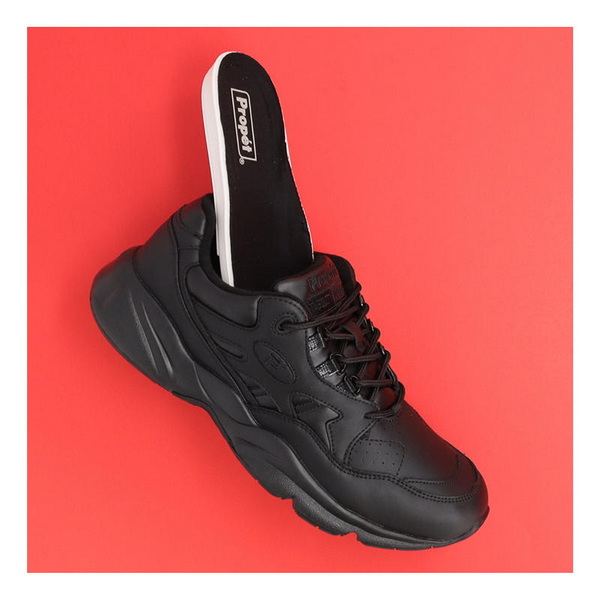
For deeper cleaning and odor removal, natural household products like vinegar and baking soda are very effective:
- Mix equal parts white distilled vinegar and water in a spray bottle. Lightly spray the insoles and wipe clean with a cloth. Vinegar acts as a natural disinfectant killing bacteria and fungus.
- Sprinkle baking soda on dry insoles and shake them inside a sealed bag overnight. Baking soda neutralizes odors and helps absorb residual moisture.
- Use rubbing alcohol spray or specialized disinfectant sprays made for footwear to sanitize insoles after cleaning.
- Place insoles in direct sunlight for 2-3 hours to naturally disinfect and refresh them. Sunlight's UV rays help kill microbes and dry out moisture.
Maintaining shoe insoles goes beyond occasional washing. Proper daily care prevents buildup of odor and prolongs insole life:
- Remove insoles after each use to air them out and dry from moisture absorption. This simple habit reduces bacteria growth.
- Alternate pairs of shoes and insoles, allowing each to rest fully before being reused.
- Use foot powders or sprays to keep feet dry and minimize sweat absorption by insoles.
- Replace insoles once they show signs of wear, damage, or persistent odor that won't wash out.
- Use shoe trees or shoe shapers to help maintain shoe shape and help insoles dry faster.
- Do not soak insoles excessively, especially foam or leather ones, as water can damage the materials and prolong drying times.
- Avoid heat drying or putting insoles near heaters or radiators which can cause warping or cracking.
- Do not wash leather insoles in a washing machine or with harsh detergents that can strip natural oils.
- Avoid wearing insoles or shoes without drying them completely after washing to prevent fungal infections.
- Do not use bleach unless specifically safe for the insole material, as it can deteriorate fibers and adhesives.
Despite best care, shoe insoles have a lifespan influenced by usage, foot sweat, and material quality. Replace insoles if you notice:
- Visible wear or tears that affect support
- Loss of cushioning or support resulting in foot discomfort
- Persistent bad odors after proper cleaning
- Upper material peeling or curling that affects fit
Replacing worn out shoe insoles is crucial for foot health and shoe comfort. Some experts recommend checking insoles every few months if used daily.
Investing in high-quality shoe insoles can improve foot posture, reduce fatigue, and alleviate pain from common conditions like plantar fasciitis or flat feet. Routine care and washing keep these benefits intact by maintaining hygiene, cushioning, and proper support throughout the life of the insole.
Shoe insoles can indeed be washed and maintained effectively to keep feet healthy and shoes comfortable. Understanding the material of the shoe insole and using appropriate washing methods — mainly gentle hand washing with soap and water, vinegar, or baking soda — will preserve their function and hygiene. Avoid machine washing delicate insoles, excessive soaking, and heat drying to prevent damage. Consistent cleaning, airing, and timely replacement of shoe insoles ensure fresh, odor-free, and supportive footwear for every step, enhancing comfort and foot health in the long run.

Not all shoe insoles are suitable for machine washing. Gel, cloth, or foam insoles can usually be hand-washed, while leather insoles require delicate cleaning with a damp cloth and should never be soaked or machine washed.
For average use, clean shoe insoles at least once a month. If feet sweat heavily or insoles absorb odors quickly, weekly cleaning is recommended.
It is generally not recommended to machine wash insoles as water and agitation can damage the materials. Some durable insoles might tolerate a gentle cycle if placed inside a laundry bag. Dry insoles by air only.
Air dry insoles in a well-ventilated area away from direct sunlight and heaters. Avoid putting them in a dryer or near heat sources to prevent warping and cracking.
Use baking soda overnight to neutralize odor, vinegar-water sprays to kill bacteria, or place insoles in direct sunlight for natural disinfection.
[1](https://treadlabs.com/blogs/insoles-reach-your-stride/how-to-clean-shoe-insoles-essential-care-guide)
[2](https://www.overlookboots.com/blogs/boots/how-to-clean-the-insoles-of-shoes)
[3](https://www.pedag.com/de/en/blog/care-for-your-insoles)
[4](https://insoles.com/pages/how-to-care-for-your-insoles)
[5](https://cadenceinsoles.com/pages/how-to-clean-your-shoes-and-insoles)
[6](https://vktry.com/blogs/other-information/a-comprehensive-guide-to-using-and-caring-for-your-insoles)
[7](https://www.nushoeinspectandcorrect.com/best-way-to-clean-insoles-of-shoes/)
[8](https://www.youtube.com/watch?v=qXt_7aQeaUQ)
[9](https://calzadobarefoot.com/en/tips-for-cleaning-and-maintaining-your-barefoot-shoe-insoles/)
[10](https://www.2-10.com/blog/how-to-wash-shoes-in-the-washing-machine/)
[11](https://www.podexpert.com/en/blog-comfort-orthopedic-sole-how-to-clean-pxl-153_172_207.html)
[12](https://www.roadrunnersports.com/blog/shoe-care-tips)
[13](https://www.reddit.com/r/Sneakers/comments/19ar7a/can_i_wash_insoles_in_the_washing_machine/)
[14](https://www.drscholls.com/blogs/expert-advice/tips-to-keep-our-feet-and-shoes-smelling-fresh)
[15](https://www.allbirds.com/pages/shoe-care)
[16](https://zero-sole.com/blogs/news/can-you-wash-insoles)
[17](https://www.scheels.com/e/post/shoe-insole-care-guide/)
[18](https://www.stridesoles.com/blogs/articles/how-to-wash-hey-dude-insoles)
[19](https://www.vagabond.com/en/about-us/the-care/)
[20](https://www.medi.de/en/faq/foot-orthotics/care/)


