
Language
Views: 222 Author: Edvo Publish Time: 2025-12-13 Origin: Site


Content Menu
● Orthotics and Insoles: The Basics
● What Happens When You Stack Layers?
● When Orthotics over Insoles May Work
● When You Should Remove the Insole
● Comfort versus Correction: Finding the Balance
● Shoe Design and Volume Considerations
● Step by Step: How to Decide What to Do
● Best Practices Recommended by Specialists
● OEM Opportunities for Orthotic Friendly Insole Systems
● Helping Users with Visual Guides and Fitting Instructions
● Daily Use, Break In, and Care
● How a Professional Insole Factory Supports Brands
● FAQ
>> 1. Is it safe to put orthotics over existing insoles?
>> 2. How do I know if my shoes have enough space for both layers?
>> 3. Can partial length orthotics be used over insoles?
>> 4. Should I talk to a podiatrist before stacking orthotics and insoles?
>> 5. How can brands design shoes that work better with orthotics?
Using orthotic insoles over existing shoe insoles is sometimes possible, but it must be done carefully so the shoe does not become too tight, unstable, or less effective in correcting foot mechanics. In many everyday situations, specialists recommend placing full length orthotics directly on the shoe base or on a thin, flat liner instead of stacking them on top of a soft comfort layer.
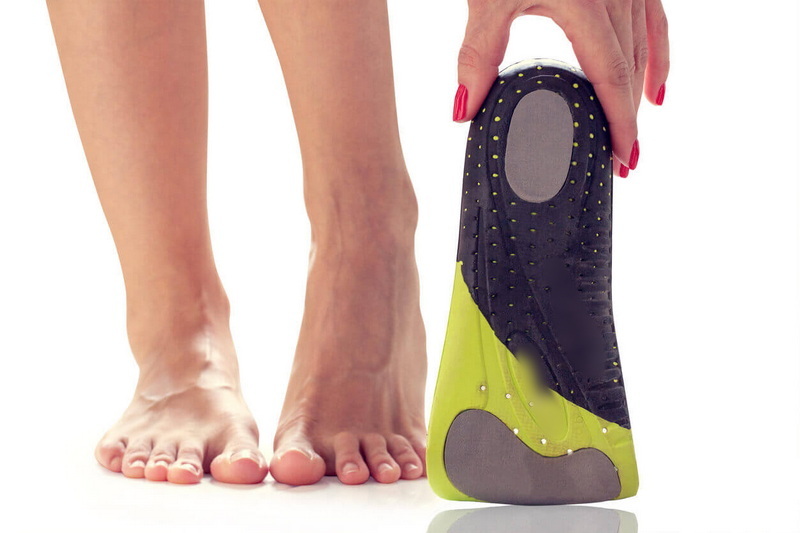
Orthotics are structured devices that guide foot alignment, redistribute pressure, and help manage issues such as excessive inward rolling, heel pain, and forefoot overload. Standard insoles focus more on comfort, cushioning, moisture management, and light support, and are usually designed to work with a wide range of foot types rather than a specific diagnosis.
Orthotics can be custom made by clinicians or supplied as prefabricated products in standard shapes and heights, while insoles are usually mass produced and sold in multiple size ranges for fast replacement or simple comfort upgrades. When these two products are combined without a clear plan, the result can be crowding inside the shoe, loss of stability, and reduced corrective effect at the foot and ankle.
Adding an orthotic on top of an existing insole raises the foot inside the shoe, which reduces internal space and can make the upper feel tight around the forefoot, instep, or toes. This extra height can also change how the heel sits in the back of the shoe and may lead to slipping, rubbing, or blister formation as the foot moves differently with each step.
Stacking layers can also reduce the accuracy of the orthotic support because the original insole may be soft, uneven, or pre-shaped in a way that does not match the device. Instead of sitting on a flat and stable base, the orthotic may rock or tilt, which changes its angle and can worsen the very issues the device was designed to control.
There are situations where placing an orthotic over an existing insole can be acceptable, especially when the liner is thin, flat, and firmly attached to the shoe. In these cases, the liner acts more like a simple fabric or foam layer rather than a thick cushion, so the total height under the foot stays reasonable and the orthotic remains stable.
Some partial length orthotics are designed to sit on top of the shoe insole so the heel and arch are supported while the front of the foot continues to rest on the original liner. For these designs, brands and clinicians often give clear instructions that the device can be used above a flat factory liner as long as the shoe still feels secure and the toes are not pushed upward or forward.
Most guidance from foot specialists and insole brands recommends removing the original insole when using a full length orthotic, especially in shoes that do not offer much extra internal depth. Removing the insole creates space for the device so the foot can sit at the intended height, improving comfort, stability, and overall fit.The original insole is usually not designed to work under a structured orthotic shell and may compress unevenly, which can compromise alignment. By replacing the factory liner with a purpose designed orthotic, users are more likely to get consistent support from heel to toe, especially in athletic and work footwear used for long hours each day.
Many users want both soft cushioning and firm support, which can tempt them to stack an orthotic over a plush comfort insole in search of maximum softness. However, overly thick layers can cause the foot to feel unstable inside the shoe and may even increase fatigue because the body has to work harder to control motion on an uncertain base.
The most effective setup usually combines a structured support element for alignment with a controlled level of cushioning above it or integrated into it. For example, an orthotic with a built in foam top cover offers targeted comfort without the excessive height and instability that results from placing the device on top of a thick comfort insole.
Whether orthotics can be used over insoles depends heavily on shoe volume, last shape, and internal construction. Athletic, walking, and some casual footwear with removable liners tend to offer more depth, making it easier to accommodate a full support device once the original insole is removed.
Dress shoes, slim casual styles, and some safety footwear may have limited internal depth and non removable liners, which makes stacking layers more risky. In these cases, brands that wish to offer orthotic friendly models may use deeper lasts, slightly higher toe boxes, and thin yet durable liners that allow clinicians or users to place devices inside without excessive crowding.
To decide whether orthotics can be worn over existing insoles, users should first test the shoe with the original liner removed and then with it in place, paying attention to overall space, pressure points, and heel stability. If the shoe feels tight across the forefoot or the heel sits high and unstable when both layers are present, the original insole should usually be removed.
Users should also check that the orthotic lies flat without rocking and that the arch area lines up with the natural arch of the foot when standing. Any sensation of tipping, sliding, or excessive pressure on a small area may indicate that stacking layers is not suitable for that shoe, in which case a simpler arrangement or different footwear model is needed.
Clinical and product guidance often suggests that custom devices are intended to replace the existing insole in most closed shoes with removable liners. This approach ensures that the device is in direct contact with a firm, flat base and that the foot does not ride too high inside the upper.
When a liner is thin and non removable, orthotics can sometimes be placed directly over it if the shoe has enough depth and the interior is relatively flat. Even in these cases, regular checkups with a podiatrist or footwear specialist are recommended to confirm that the combination is working well and not causing new discomfort or imbalance.
For international brands, wholesalers, and footwear producers, orthotic compatibility is becoming a key selling point that can clearly differentiate products in competitive markets. By working with an experienced insole factory, brands can design removable liners, extra depth constructions, and modular insole systems that accept custom devices without crowding the shoe.
Orthotic ready shoes can include clear fit markings, deep heel pockets that stabilize devices, and interchangeable top covers that offer different cushioning levels while keeping structural support consistent. This type of system makes it easier for clinicians and end users to combine prescription devices with OEM liners while preserving fit, comfort, and performance.
Clear visual guides using simple sketches of the shoe interior, orthotic shape, and liner thickness can help consumers understand when to remove or keep the insole. Fitting instructions that explain how to slide devices into the shoe, smooth out the liner, and adjust closures for extra volume support confident use even for first time wearers.
Short educational clips can demonstrate each stage of fitting, from removing the original liner to standing and walking on a flat surface to test comfort. Supporting instructions can also highlight common mistakes such as stacking an orthotic on top of a thick cushion inside a low volume shoe, helping users avoid problems before they appear.
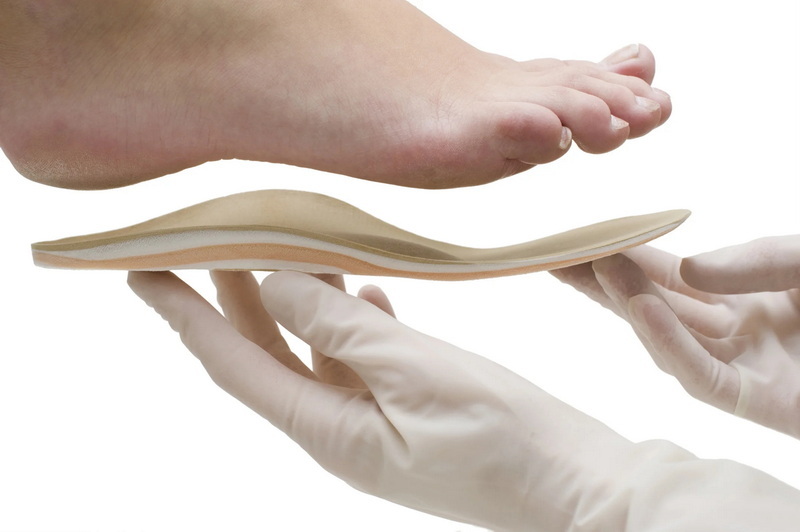
Wearing orthotics over insoles should always be introduced gradually so the feet, ankles, and knees have time to adapt to the new support pattern. Users can start with shorter wear periods and then build up over time, watching for signs of rubbing, hot spots, or new pain that might suggest too much volume or an unstable base under the foot.
Regular care is also important, including removing liners and devices from shoes after use to allow them to dry, checking for wear or deformation, and replacing components that have compressed or cracked. For people who use orthotics for long periods every day, keeping at least one additional pair of liners or devices for rotation can extend product life and keep support more consistent.
A specialized insole manufacturer can help brands create product lines optimized for both stand alone comfort and compatibility with clinical devices. By combining experience in foam formulation, shell geometry, and foot biomechanics, factories can propose constructions that balance cushioning, support, and shoe volume for sports, outdoor, work, and medical markets.
Through sampling, mechanical testing, and joint development with footwear brands, an OEM insole partner can refine liner thickness, density, and shape so that orthotics can be added when needed without compromising stability. Packaging messages and in box guides can then show end users when to remove liners, when stacking is possible, and how to adjust fit so they get maximum comfort and support from every pair.
Orthotics can sometimes be placed over existing insoles, but this is only advisable when the liner is thin, the shoe has enough depth, and the device remains stable and well aligned under the foot. In many everyday situations, especially with full length devices, removing the original insole and letting the orthotic sit directly on the shoe base is the safer way to preserve support, comfort, and long term joint health.
Brands, wholesalers, and footwear producers that work with a professional insole manufacturer can design shoes and liners that make this process easier, offering clear guidance for users and better experiences with both comfort products and custom devices. Well planned insole systems do more than fill space inside footwear; they create a stable platform that supports orthotics, fits different foot types, and adds real value to every pair in a collection.Estimated word count: approximately two thousand two hundred words.
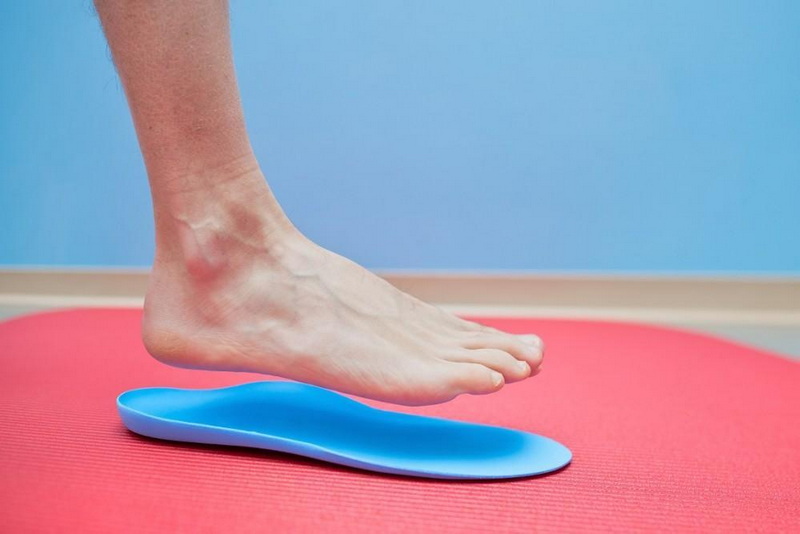
In some shoes with thin, flat liners and good internal depth, orthotics can be worn over the existing insole without major issues. However, in many cases the safer approach is to remove the original insole so the device can sit lower, more stable, and closer to the intended alignment.
If the shoe feels tight across the forefoot, if the heel slips out more easily, or if the toes press against the upper when both layers are used, the combination is likely too thick. Shoes with deeper interiors, removable liners, and adjustable closures generally handle orthotics better, especially when the original insole is removed.
Partial length devices are often designed to sit on top of the factory liner, supporting the heel and arch while leaving the forefoot on the original insole. As long as the liner is flat and not excessively cushioned, this arrangement can work well without adding too much height inside the shoe.
Consulting a podiatrist or footwear specialist is strongly recommended for anyone with persistent pain, a medical diagnosis, or complex foot mechanics. A professional can evaluate shoes, existing liners, and orthotic design to decide whether stacking is appropriate or whether a simpler, more stable arrangement is better.
Brands can select deeper lasts, use removable liners with controlled thickness, and clearly mark which models are orthotic friendly. By partnering with an experienced OEM insole manufacturer, they can co-develop liners, top covers, and fit guides that help users combine devices and insoles safely and comfortably.


