
Language
Views: 222 Author: 3BU Technology Publish Time: 2026-04-29 Origin: Site


If you struggle with supination (underpronation), the right insoles can dramatically change how your feet, knees, and lower back feel during walking, running, and long hours on your feet. In this guide, I'll walk you through how experienced insole designers approach supination, what features actually matter, and how to choose the best insoles for supination based on real‑world use and manufacturing expertise. [getpassionfruit])
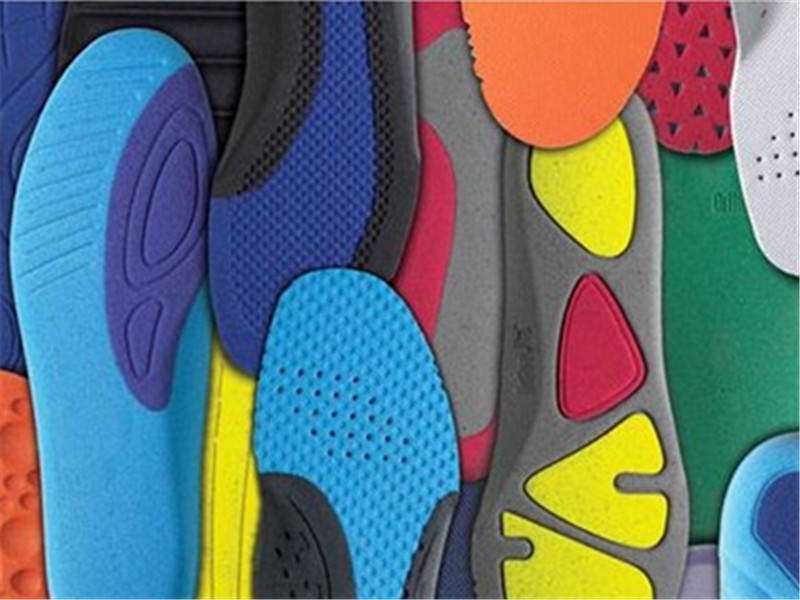
Supination (often called underpronation) happens when your foot rolls outward instead of inward when you walk or run. This reduces your natural shock absorption and increases pressure on the outer edge of your foot, ankles, and sometimes your knees and hips. [asics.com]
Common signs you may be supinating:
- Outer edges of your shoe soles wear out much faster
- Frequent ankle sprains or instability when you move
- Pain on the outside of your foot, knee, or lower leg
- Tight calves and frequent shin discomfort
From a manufacturing and podiatry perspective, supination is not just a "shoe" problem; it's a biomechanics issue that needs targeted support and cushioning. Properly designed insoles can help redistribute pressure, support your arch, and guide your heel into a more neutral position, reducing strain throughout your lower body. [jcinsoles]
Most people with supination need three key things from an insole:
1. Cushioning to absorb impact on the outer edge of the foot
2. Lateral and arch support to reduce outward rolling
3. Heel stabilization to keep the heel aligned on every step
From the point of view of an insole manufacturer, that means carefully controlling materials, density, and geometry in each layer of the insole. Instead of just adding "soft foam," a good supination insole uses a structured heel cup, contoured arch, and targeted cushioning zones. [getpassionfruit])
- Deep heel cup – Cradles your heel and helps keep it centered during impact.
- Firm midfoot support – Prevents the foot from collapsing outward and improves alignment.
- Targeted cushioning – Softer materials in high‑impact areas, firmer foam for support where needed.
- Durable top cover – Manages moisture, friction, and odor for long‑term comfort.
Manufacturers who specialize in orthotics and insoles design these features differently for walking, running, standing‑all‑day work, and specific footwear like boots or athletic shoes. [webfx]
Supination and overpronation are often confused, which is a problem because insoles designed for overpronation can actually make supination worse. Overpronation means the foot rolls inward too much; supination means it rolls outward too much. [asics.com]
Foot type | Motion pattern | Typical insole focus |
|---|---|---|
Supination | Foot rolls outward (underpronation) | Shock absorption, lateral stability, neutral guidance |
Neutral | Foot rolls slightly inward | Light support, comfort, moderate cushioning |
Overpronation | Foot rolls excessively inward | Strong arch/medial support, motion control, stability |
Using a pronation‑control insole (for overpronation) when you supinate can increase pressure on the outer edge of your foot and contribute to discomfort or injury over time. This is why getting the diagnosis right and choosing an insole built for supination is critical. [asics.com]
You don't need specialized lab equipment to spot supination risk. There are a few practical checks you can do at home before selecting insoles.
Place your most worn shoes on a flat surface and look at the soles from behind:
- Outer heel and outer midfoot heavily worn: likely supination
- Even wear across the middle: likely neutral
- Inner heel and arch heavily worn: likely overpronation
Stand barefoot in front of a mirror with your legs straight:
- Ankles appear to roll outward
- Outer edges of your feet bear more weight
- Big toes appear to lift or take less weight
These are clues that you may benefit from shock‑absorbing, stabilizing insoles designed for supination. [asics.com]
If you have persistent pain, a history of injuries, or complex foot conditions, it is always wise to consult a podiatrist, sports medicine specialist, or physical therapist before relying solely on insoles.
As an OEM insole manufacturer, we evaluate insoles across several clinical and practical dimensions before recommending them for supination. You can use the same criteria when comparing options.
For most supinators, neutral or semi‑rigid support works best:
- Neutral cushioning in the heel, with subtle support under the arch
- Semi‑rigid shell for people who need more control or have higher body weight
- Rigid shells used selectively under professional guidance, often in custom orthotics
Supination is usually better managed by guided cushioning and alignment, not by extremely stiff, corrective devices in standard retail insoles.
Different foam and polymer materials affect shock absorption and longevity:
- EVA and PU foams – Versatile, lightweight, commonly used in quality insoles
- High‑rebound foams – Help reduce fatigue during long periods of standing or running
- Gel inserts – Can add pressure relief but should be well‑integrated into a supportive base
From a manufacturing perspective, we often combine materials with different densities in heel, arch, and forefoot zones, so the insole is soft where you land and firm where you need control. [jcinsoles]
A deep, contoured heel cup is one of the most important features for supination:
- Keeps your heel centered at impact
- Helps your foot land more neutrally
- Distributes pressure more evenly across the heel pad
Shallow, flat insoles rarely provide enough stability for people who consistently roll onto the outer edge of their feet.
Supination often appears in people with higher arches, but not always. Look for:
- Contoured arch support that matches your natural arch height
- Support that feels present but not painful
- Materials that compress slightly under load instead of feeling like a hard ridge
If you have very high arches, you may need a somewhat higher and more supportive profile, but always prioritize comfort and gradual adaptation.
Even the best insole fails if it doesn't fit your shoes:
- Match insole size to your shoe size and trim only at the toe area
- Make sure the insole lies flat with no buckling or gaps
- Test in both your left and right shoes; minor differences can matter
For OEM clients, we often adjust thickness, width, and toe shape to match specific shoe lasts and markets.

Drawing on feedback from international brands and large distributors we've worked with, here are common user profiles and how they typically respond to supination‑friendly insoles. [webfx]
- Casual walkers: Report less outer‑foot fatigue and better comfort during daily activities.
- Runners with underpronation: Often notice reduced shin and knee discomfort after switching to properly cushioned, neutral‑guidance insoles.
- Warehouse and factory workers: Benefit from firm midfoot support and deep heel cups, which help maintain alignment over many hours on hard floors.
- Older adults: Appreciate added cushioning and stability, especially when used in supportive walking shoes.
Consistent feedback across these groups emphasizes comfort, stability, and durability as the three most important outcomes.
As a manufacturer providing OEM services to global shoe and insole brands, we design insoles for supination with a combination of lab testing and field feedback. Here are some behind‑the‑scenes insights that can help you evaluate products more critically. [webfx]
High‑quality insole development often involves pressure‑mapping and motion analysis:
- Test subjects walk or run across pressure plates and treadmills
- Outer‑foot pressure zones are tracked with and without insoles
- Designers tweak heel cup depth, arch contour, and foam densities to reduce peak pressures
If a brand mentions pressure mapping, gait analysis, or lab testing, it's usually a sign that their insoles are engineered rather than just "padded." [webfx]
A typical performance insole may include:
- Top cover (moisture management, odor control)
- Comfort foam layer (initial step‑in feel)
- Supportive core (EVA, PU, or composite shell)
- Possibly heel/forefoot gel or extra cushioning pods
The way these layers are bonded affects durability and shape retention. When we manufacture for OEM clients, we test:
- Flex fatigue – Does the insole hold its structure after thousands of steps?
- Compression set – Does the foam quickly flatten or maintain resilience?
- Shear resistance – Does the top cover stay attached under friction and heat?
These tests help ensure that an insole continues to provide supination support months after purchase, not just in the first few weeks.
For international brands, we often adjust materials based on climate and usage:
- Warm, humid environments: more breathable top covers, anti‑microbial treatments
- Cold regions: slightly softer foams that remain flexible in low temperatures
- High‑sweat activities (running, sports): perforated constructions, enhanced moisture wicking
If you know you'll be using insoles in hot or moist conditions, prioritize breathability and moisture management alongside support.
Use this simple process to select the best insole for your needs.
1. Identify your foot type.
Check your shoe wear pattern and, if possible, get a gait assessment from a professional.
2. Define your main use case.
Are you primarily walking, running, or standing all day? Your answer will influence cushioning and support needs.
3. Choose a support category.
Most supinators do well with neutral or semi‑rigid support, paired with targeted cushioning.
4. Check heel and arch design.
Look for a deep heel cup, contoured arch, and consistent support from heel through midfoot.
5. Review materials and durability.
Look for high‑quality EVA/PU foams, well‑bonded layers, and reputable manufacturing.
6. Test comfort and fit.
Insert the insoles into your shoes, walk around for a few minutes, and note any pressure points.
7. Adjust gradually.
Wear your new insoles for 1–2 hours the first day, then increase daily to allow your feet and joints to adapt.
Off‑the‑shelf insoles for supination are an excellent starting point for many people. However, you should consider custom orthotics if:
- You have severe or long‑term pain that does not improve with standard insoles
- You are recovering from surgery or have complex foot deformities
- Your podiatrist or orthopedist specifically recommends custom solutions
Custom orthotics are built from detailed measurements, foot scans, and gait analysis, and can address unique structural issues. For many everyday users, though, high‑quality, well‑designed insoles for supination provide more than enough support and comfort.
As an OEM insole manufacturer, our role is not just to produce insoles, but to help brands design the right solution for their specific target users. For supination‑focused products, this often includes: [jcinsoles]
- Co‑developing insole geometry with the brand's R&D or podiatry partner
- Selecting material combinations that balance cost, performance, and durability
- Customizing branding, colors, and packaging for different markets
- Scaling production while maintaining consistent quality and performance
For distributors and brand owners, partnering with a manufacturer experienced in supination, overpronation, and neutral designs helps you offer a full, medically aligned insole portfolio rather than generic "one‑type‑fits‑all" products. [webfx]
Understanding supination is the first step, but real relief comes from using insoles that are designed for how you move. If you are a footwear brand, wholesaler, or large retailer looking to offer high‑performing insoles for supination, partnering with a specialized OEM manufacturer lets you bring expert‑level designs to your customers at scale. [jcinsoles]
If you're ready to develop or upgrade a supination‑focused insole line:
- Define your target users (runners, workers, seniors, everyday wearers)
- Decide on key features (support level, materials, heel cup design)
- Work with an experienced insole OEM to turn those requirements into a tested, market‑ready product

1. Are insoles for supination the same as insoles for high arches?
Not always. Many people with high arches also supinate, but not all high‑arch insoles offer the lateral stability and heel control supinators need. Look for deep heel cups and targeted cushioning, not just arch height.
2. Can I use running insoles for everyday walking if I supinate?
Yes, many running insoles designed for supination or neutral guidance work very well for daily walking, especially if you spend a lot of time on hard surfaces. Just make sure the insole fits your shoes properly and feels comfortable over several hours.
3. How long do insoles for supination typically last?
Lifespan depends on your weight, activity level, and the materials used. On average, quality insoles last between 6–12 months of regular use before cushioning and support start to decline. Heavy use (daily running or long‑hour work) may shorten that timeframe.
4. Will insoles alone correct my supination?
Insoles can significantly reduce discomfort and improve foot alignment, but they may not completely "correct" your biomechanics, especially if structural factors or muscle imbalances are involved. Combining insoles with strengthening, stretching, and professional guidance usually delivers the best results.
5. Do I need different insoles for work boots and running shoes?
Often yes. Work boots may require thicker, more robust support and impact protection, while running shoes may do better with lighter, more responsive cushioning. Some people use a more supportive insole at work and a slightly more flexible one for sports.
1. WebFX – "Digital Marketing for Orthotics — 4 Paths for Your Business." [Link] [webfx]
2. JC Insoles – "Effective Marketing Strategies to Grow Your Insole Brand in 2024." [Link] [jcinsoles]
3. Siteimprove – "SEO Content Optimization Best Practices Overview." [Link] [siteimprove]
4. Passionfruit – "How to Optimize Your Ecommerce Site for EEAT in 2025 (Like a Pro)." [Link]) [getpassionfruit])
5. LinkedIn – "Step-by-Step Guide to Writing Blog Posts That Rank on Google." [Link] [linkedin]
6. SEO Power Plays – "SEO Content Strategy: 7 Steps to Build a Winning Plan in 2026." [Link] [seopowerplays]
7. Momentic – "EEAT & SEO: How to Make Your Content More Helpful." [Link] [momenticmarketing]
8. Yoast – "Tips and tricks to write SEO-friendly blog posts in the AI era." [Link] [yoast]
9. ASICS China – "足部内旋指南: 选择合适的鞋子." [Link] [asics.com]
10. Vocal Media – "How To Integrate SEO Into Your Content Strategies." [Link] [vocal]
11. Productive Blogging – "15 easy ways to improve your website's E-E-A-T." [Link] [productiveblogging]


