


Content Menu
● Understanding Orthotic Inserts
● Key Materials Used in Orthotic Inserts
● Choosing the Right Manufacturer
● Design and Customization Options
● Sizing and Fit Considerations
● Pricing and Order Quantities
● How to Buy Orthotic Inserts from OEM Suppliers
● Global Market Trends for Orthotic Inserts
● Branding and Private Label Opportunities
● Quality Assurance and Safety Compliance
● Distribution and Marketing Strategies
● Future Developments in Orthotic Technology
● Sustainable and Eco-Friendly Choices
● FAQ
>> 1. What are the main benefits of orthotic inserts?
>> 2. How long do orthotic inserts typically last?
>> 3. Can orthotic inserts be used in all types of shoes?
>> 4. What customization options are available for OEM orthotic inserts?
>> 5. How do I ensure product quality when buying from overseas suppliers?
Orthotic inserts play an increasingly important role in modern footwear. They provide comfort, improve alignment, and prevent injuries — serving both medical and lifestyle needs. If you are a brand owner, distributor, or manufacturer planning to buy orthotic inserts, understanding the key factors that influence quality and market performance is essential. This guide walks you through every stage of the purchasing process, from product selection to supplier evaluation and market insights.
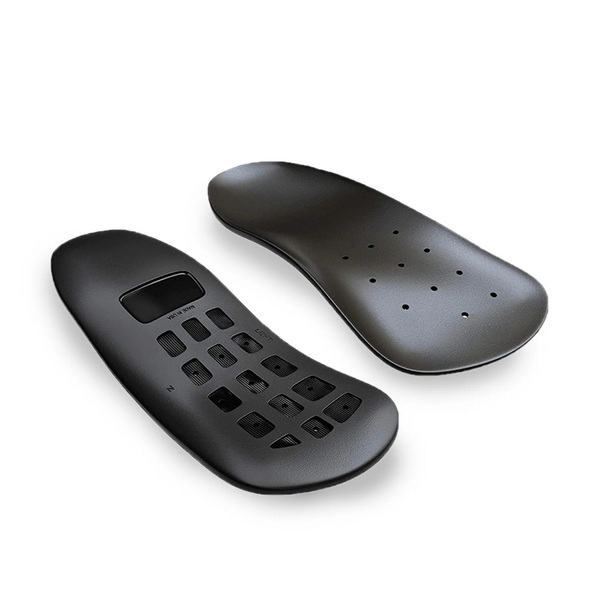
Orthotic inserts, also known as insoles or orthoses, are supportive footbeds placed inside shoes to correct biomechanical imbalances. They help reduce foot pain, provide cushioning, and align the lower body for improved posture. Orthotic inserts are used not only by individuals with foot problems but also by athletes, workers, and everyday users seeking all-day comfort.
Their widespread application has expanded the market across multiple categories, including sports, medical, fashion, and occupational footwear. As consumer demand for comfort and health-oriented products continues to grow, orthotic inserts have become a vital component of the global footwear industry.
Selecting the correct type of orthotic insert depends on the target audience and intended function. The main categories include:
- Custom orthotics: Individually molded to fit a specific foot shape. These offer maximum precision but are expensive and primarily used in medical or athletic applications.
- Prefabricated orthotics: Standardized, mass-produced designs suitable for general consumers. They are cost-effective and ideal for large-scale retail or private label brands.
- Semi-custom orthotics: Adjustable designs combining affordability and partial personalization.
- Functional orthotics: Designed to control motion, correct foot posture, and prevent excessive pronation or supination.
- Accommodative orthotics: Focus on distributing pressure evenly and adding cushioning for sensitive feet.
Understanding which segment best suits your market allows you to tailor your sourcing strategy and product pricing effectively.
The choice of materials determines comfort, durability, and functionality. Each material has its specific advantages:
- EVA (Ethylene Vinyl Acetate): Lightweight, shock-absorbing, and flexible. Often used in sports insoles for active users.
- PU (Polyurethane): Strong, resilient, and highly durable, suitable for heavy-duty use or industrial footwear.
- Gel: Provides superior cushioning and energy return, widely used in comfort and orthopedic insoles.
- Memory Foam: Adapts to foot shape, offering personalized comfort and pressure relief.
- Carbon Fiber: Delivers rigidity and lightweight performance, ideal for athletic orthotics.
- Cork and Leather: Natural, breathable materials commonly found in high-end or eco-conscious brands.
Combining multiple materials in layered constructions is a common design approach, enhancing both performance and comfort.
Selecting the right manufacturing partner is fundamental for quality assurance and brand success. Consider the following factors:
1. Specialization: Choose a factory with experience in orthotic inserts, not just general shoe accessories.
2. Customization capabilities: Look for OEM or ODM services offering flexibility in design, logo printing, and material selection.
3. Certifications: International standards like ISO, CE, and FDA provide assurance of safety and performance.
4. Sampling process: A manufacturer that offers sample testing demonstrates reliability and transparency.
5. Production scale: Ensure they can meet your required quantity and lead time.
6. Communication quality: Smooth collaboration, professional support, and quick response time reduce risks in production.
Strong partnerships often translate to consistent quality, timely delivery, and better cost management.
Customization allows brands to differentiate themselves in a competitive market. Manufacturers offering advanced design options can add significant value to your products. Key adjustable features include:
- Varying arch heights to suit different foot types.
- Heel cup depth for enhanced balance and support.
- Surface materials such as anti-microbial fabrics, breathable mesh, or recycled textiles.
- Branding visuals and color combinations.
- Specific padding zones like metatarsal pads or gel heels.
By combining functionality with visual appeal, brands can capture broader customer interest and increase brand loyalty.
Proper sizing is critical for performance and customer satisfaction. When purchasing orthotic inserts in bulk, ensure that size gradations match your target markets.
Common practices include providing universal trim-to-fit sizes or offering region-specific measurements like US, EU, or UK scales. Consider special adaptations for men, women, and children, as well as extra-wide designs for customers with unique foot shapes.
A well-fitted orthotic insert minimizes returns and enhances product reviews, both of which reinforce your brand's reputation.
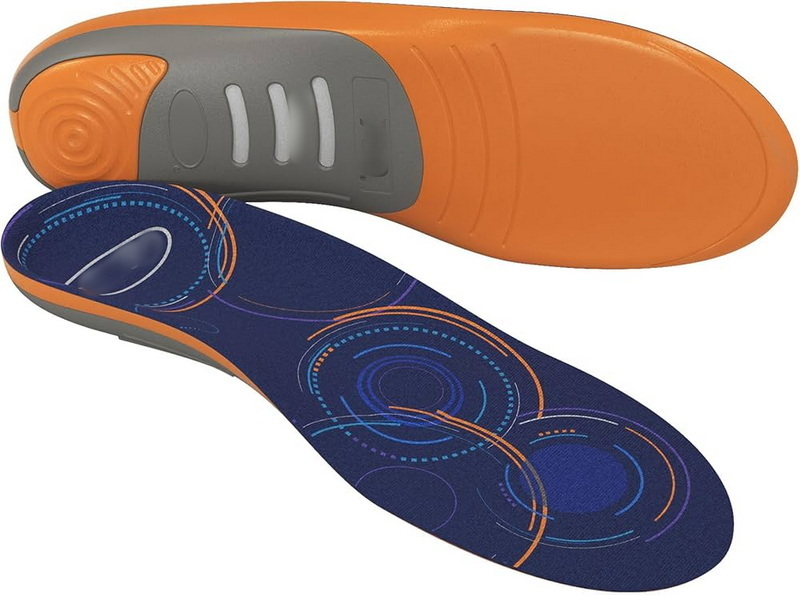
Pricing for orthotic inserts depends on factors such as material quality, customization complexity, manufacturing origin, and order volume. Premium insoles using carbon fiber or advanced gel layers will naturally cost more than standard EVA models.
For OEM and wholesale buyers, most suppliers have minimum order quantities ranging from a few hundred to several thousand pairs. It's essential to balance quantity and unit cost while considering lead time, packaging standards, and post-production inspection.
Transparent agreements on pricing and delivery help prevent misunderstandings and ensure smooth cooperation.
Before committing to mass production, ensure rigorous quality checks at every stage:
- Material testing: Evaluate compression resistance, rebound rate, and odor control.
- Shape retention: Inserts should maintain form after extended use.
- Comfort and stability trials: Real-world wear tests identify design flaws before market launch.
- Surface finish inspection: Ensure stitching, lamination, and finishing meet brand standards.
Consistent testing ensures minimal returns and maintains customer trust in your brand.
Sourcing from OEM suppliers enables you to build your own orthotic insert brand efficiently. The process typically involves:
1. Identifying your target market. Define whether your focus is on sports, medical, or comfort footwear.
2. Researching potential manufacturers. Compare experience, specialization, and certifications.
3. Requesting detailed quotations and samples. Conduct tests and collect feedback before ordering in bulk.
4. Negotiating terms. Include pricing, MOQ, lead time, packaging, and delivery conditions in a written contract.
5. Placing trial orders. Start small to evaluate supplier consistency.
6. Arranging quality control inspections. Independent or third-party checks are recommended.
7. Expanding orders after successful trials. Once product quality and customer responses are positive, scale production gradually.
Effective supplier management leads to stable product quality and more competitive pricing in global markets.
The orthotic insert market is growing steadily as health awareness and lifestyle demands increase across the world. Consumers today are more conscious about comfort, body mechanics, and preventive healthcare. Several key trends are shaping the industry:
- Health and wellness orientation: More consumers are buying orthotic inserts not just to solve problems but to enhance daily comfort and athletic performance.
- Aging population: Older adults represent a leading consumer segment due to increased joint and foot care needs.
- Sports performance growth: Sports brands increasingly integrate orthotic technology into athletic shoes for better injury prevention.
- Customization through digital technology: 3D scanning and printing allow rapid customization of insole designs.
- Sustainability focus: Eco-friendly materials like recycled EVA, cork, and natural latex are gaining traction.
- E-commerce distribution: Online marketplaces have expanded global sales channels, especially for prefabricated or semi-custom insoles.
By aligning your product strategy with these trends, your brand can attract modern consumers and strengthen market competitiveness.
For brands, orthotic inserts offer a central opportunity for product diversification and loyal customer engagement. Private label strategies allow businesses to sell high-quality insoles under their own brand names without building factories.
Leading manufacturers provide full-service solutions, including logo design, packaging production, and even digital marketing support. The unique value here lies in brand differentiation — offering performance-oriented, comfortable, and visually distinctive orthotic inserts that reflect your brand identity.
Creating a compelling brand story, emphasizing innovation and comfort, can make your products stand out on online platforms and retail shelves alike.
To build a trusted brand reputation, ensure that all orthotic inserts comply with international standards. Testing should cover mechanical durability, chemical content, and user safety.
Common industry certifications include ISO for quality management systems, CE marking for European compliance, and FDA registration for products related to health or rehabilitation. Compliance reduces regulatory risks during export and builds confidence among global buyers.
Understanding how to position and distribute orthotic inserts effectively can determine your business success. Some proven strategies include:
- B2B partnerships: Collaborate with shoe brands, orthopedic clinics, or sporting goods retailers.
- Online direct sales: Use e-commerce platforms and social media marketing to attract a global customer base.
- Retail packaging innovation: Use visual designs and sustainable materials to enhance brand visibility.
- Influencer marketing: Partner with fitness professionals or podiatrists to promote your products' health benefits.
- After-sales support: Offering fitting guides, instructions, and warranties enhances consumer satisfaction.
A strong marketing approach ensures that your product not only meets functional expectations but also stands out in a competitive online environment.
Technological innovation continues to redefine the orthotic insert sector. The next generation of foot orthotics will likely integrate:
- Smart materials: Responsive foams that adjust firmness based on pressure and temperature.
- 3D scanning: Quick digital measurement tools allow personalized fit without manual impressions.
- Biomechanical data integration: Smart insoles capable of tracking gait and providing health feedback.
- Eco-conscious engineering: Production using renewable sources and biodegradable components.
- Customized aesthetics: Color, pattern, and design variations enhanced through AI-driven prototyping.
As these innovations become more accessible, buyers and brands have increasing opportunities to bring differentiated, high-performance orthotic products to market.
Sustainability is no longer optional in modern manufacturing. Consumers now expect brands to prioritize environmentally responsible materials and processes. Consider using recycled EVA, biodegradable foam, or cork-based insoles for eco-friendly collections.
Working with factories that follow waste reduction, water-saving, and non-toxic adhesive procedures strengthens your environmental credibility and attracts environmentally conscious buyers.
Purchasing orthotic inserts successfully involves more than choosing a supplier; it requires a deep understanding of materials, design, market trends, and final user needs. By collaborating with professional OEM manufacturers, brands can launch comfortable, durable, and well-designed insoles tailored to modern consumers. The key is to balance quality, cost, and innovation — building long-term trust with both distributors and end-users. As the global focus on healthy living continues to grow, the orthotic insert industry offers remarkable potential for business expansion and sustainable success.
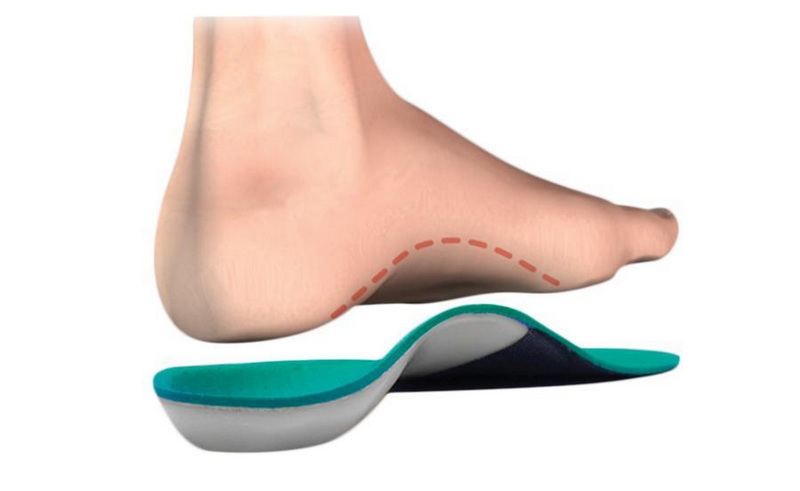
Orthotic inserts enhance comfort, support the arches, absorb shock, and correct alignment issues, making them essential for improving foot health and preventing injuries.
Their lifespan depends on usage and materials. On average, most inserts last from six months to one year under regular use before they start losing their supportive properties.
Yes, most designs fit into sports, casual, and work shoes. However, certain dress shoes or high heels may require slimmer orthotic models.
Manufacturers offer flexible options such as adjustable arch height, different top fabrics, color themes, logo printing, and special features like gel pads or eco-friendly materials.
Request material samples, conduct third-party inspections, verify certifications, and start with small trial orders to confirm product consistency before scaling up.


