
Views: 222 Author: Amanda Publish Time: 2025-09-09 Origin: Site


Content Menu
● The Importance of Proper Arch Insert Fitting
● Materials and Types of Arch Inserts
● Step-by-Step Guide to Insert Arch Supports in Shoes
>> Step 1: Select the Correct Arch Insert Size
>> Step 2: Remove Existing Insoles (if possible)
>> Step 3: Verify Arch Insert Fit
>> Step 4: Insert the Arch Support Properly
● Special Tips for Different Shoe Types
● How Arch Inserts Are Manufactured
>> Foot Shape Acquisition and Design
● Common Mistakes to Avoid When Using Arch Inserts
● Additional Insights into Arch Insert Manufacturing Technologies
>> 1. How do I know if I need an arch insert?
>> 2. Can arch inserts fit into any type of shoe?
>> 3. How often should arch inserts be replaced?
>> 4. Are arch inserts customizable?
>> 5. Can arch inserts help improve overall posture?
Inserting arch supports, commonly known as arch inserts, into shoes is a highly effective way to enhance comfort, improve foot posture, and alleviate foot pain caused by conditions such as flat feet, plantar fasciitis, and general foot fatigue. For shoe brands, wholesalers, and manufacturers offering OEM arch insert solutions internationally, mastering the best practices to fit and utilize arch inserts will not only improve end-user satisfaction but also reinforce the product's quality and value proposition.
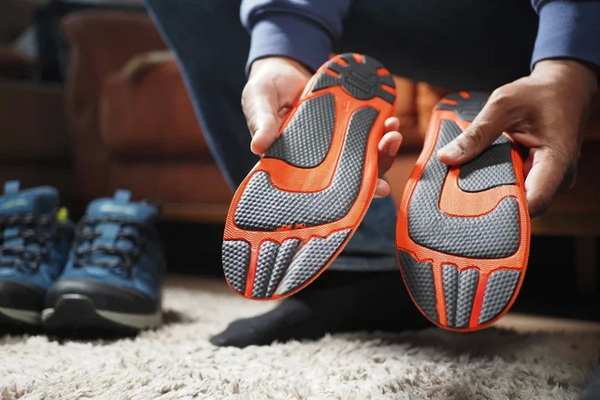
Arch inserts are precisely engineered shoe insoles designed to provide extra support to the arch of the foot. By reinforcing the foot's natural contours, arch inserts help distribute body weight evenly, reduce excessive stress on muscles and ligaments, and improve overall foot stability. These inserts are manufactured using various materials such as polyurethane gel, silicone, EVA foam, and orthopedic plastics. An appropriately selected and fitted arch insert can transform ordinary footwear into a comfortable, health-enhancing product.
Proper fitment of arch inserts is crucial for achieving the intended benefits. An arch insert that is too large, too small, or improperly positioned can cause discomfort, increase pressure points, or even worsen foot problems. OEM manufacturers who customize arch inserts by size, firmness, and shape can cater to diverse consumer needs worldwide. High-quality arch inserts are meant to integrate seamlessly with the shoes' internal design while providing targeted arch support.
Arch inserts vary widely based on their intended purpose and material composition:
- Soft PU/Gel Inserts: Deliver cushioning with mild arch support, suitable for everyday wear.
- Firm EVA or Orthotic Plastic Inserts: Provide stronger support for medical or corrective purposes.
- Silicone Inserts: Known for durability and impact absorption, ideal for athletes or active users.
- Modular Arch Inserts: Consist of customizable components adaptable to different foot shapes and arch heights.
Selecting the proper arch insert depends on shoe type, wearer's foot shape, and usage requirements.
Measure the inner length of the shoe or the removable insole. Arch inserts should ideally match the shoe size, ensuring comfort and proper support. Most brands provide corresponding size charts for accurate selection.
If the footwear has removable insoles, they should be removed before inserting the arch support. This prevents overcrowding inside the shoe, which may lead to discomfort or improper fit.
Place the arch insert inside the shoe, ensuring it fits flat without curling at edges. The arch area of the insert must align with the shoe's arch zone. If the insert is too large, trim it systematically by following manufacturer guidelines.
Position the arch insert inside the shoe so its contour supports the foot arch correctly. Some inserts may have textured undersides or adhesive backing to secure them in place and prevent shifting during use.
Wear the shoes and walk to assess comfort. Adjust the insert position or trim areas causing pressure or discomfort. Some advanced arch inserts feature adjustable components for personalized arch height adaptation.
- Athletic Shoes: Ensure snug fitment that complements the shoe's cushioning without altering shoe volume.
- Dress Shoes: Prefer thinner, slim-profile arch inserts to maintain elegance without sacrificing comfort.
- Work Boots: Use robust, shock-absorbent arch inserts for stability and long wear.
- Casual Shoes with Removable Insoles: Easily replace the original insole with suitable arch inserts made for casual comfort.

Superior arch inserts are the result of precise manufacturing processes designed to maintain ergonomic integrity and comfort.
Advanced foot scanning techniques capture the 3D profile of the foot, including arch height and pressure points. Using CAD software, manufacturers design arch inserts tailored to these scans to achieve an exact fit.
Depending on the product type, materials like EVA foam, polyurethane gel, or thermoplastic elastomers are mold-formed with high precision. Techniques such as cold forming, hot press molding, and injection molding are commonly used.
Post molding, arch inserts are trimmed to standard shoe sizes. They may be covered with fabric layers for durability and comfort. Quality control ensures the arch support element maintains its shape after repeated use.
This comprehensive manufacturing process results in an arch insert that can withstand the strain of daily wear while delivering consistent support to the foot.
- Correct foot alignment by supporting the arch, reducing the risk of overpronation or supination.
- Alleviate pain related to plantar fasciitis, heel spurs, and flat or high arches.
- Improve balance, gait, and overall foot biomechanics.
- Provide cushioning that reduces foot and leg fatigue.
- Extend the lifespan of footwear by improving internal fit and pressure distribution.
- Using arch inserts that are too thick, causing tightness inside the shoe.
- Failing to regularly replace worn-out arch inserts, which lose their supportive properties.
- Ignoring personalized fit requirements; one size rarely fits all.
- Forcing arch inserts into shoes without sufficient internal space or no removable insoles.
Modern arch insert production integrates advanced technologies such as CNC milling of EVA foam for custom orthotic insoles that offer high surface finish and customized fit tolerance. Injection molding of TPU materials produces durable, high-end orthotic bottom shells. Manufacturing can involve:
- Perforation and Breathability Enhancements: High-tech insoles include ventilation channels to improve air circulation.
- Modular Component Design: Enables adjustment of arch height and firmness through interchangeable parts.
- Eco-Friendly Materials: Some manufacturers incorporate biodegradable or recycled materials in arch inserts to support sustainability initiatives.
Proper insertion of arch supports in shoes is a practical approach to improve foot comfort and health. Understanding the selection, fitting, and maintenance of arch inserts ensures that OEM footwear producers can deliver superior products that meet global consumers' needs. Effective integration of arch supports requires attention to shoe type, insole design, and individual foot characteristics, supported by advanced manufacturing techniques for precision and durability.

If you experience foot pain, arch discomfort, or suffer from conditions such as flat feet or plantar fasciitis, using an arch insert can provide relief and support.
Most arch inserts are best suited for shoes with removable insoles or adequate internal space. Slim-profile inserts work better in dress shoes, while cushioned inserts fit athletic and casual shoes well.
Arch inserts typically need replacement every 6 to 12 months depending on wear, material quality, and frequency of use to maintain effective support.
Yes, many arch inserts are either custom-made based on foot scans or feature adjustable components to suit different arch heights and support needs.
Proper arch support can positively influence foot alignment, which may lead to better posture and reduce lower limb strain.
[1](https://patents.google.com/patent/US1704656A/en)
[2](https://www.aideastep.com/insoles-production-technology-and-manufacturing-process/)
[3](https://pmc.ncbi.nlm.nih.gov/articles/PMC7988336/)
[4](https://www.jcinsoles.com/post/step-by-step-process-of-manufacturing-insoles-in-china)
[5](https://patents.google.com/patent/US20070022630A1/en)
[6](https://www.londonorthotics.co.uk/guide/how-we-design-and-manufacture-our-bespoke-insoles/)
[7](https://www.fdmotion.com/blog/how-to-manufacture-custom-orthotics)
[8](https://orthoticsolutionsny.com/process.html)
[9](https://www.atlantis-press.com/article/125959940.pdf)


