
Language
Views: 222 Author: Edvo Publish Time: 2025-11-10 Origin: Site


Content Menu
● Understanding Orthopedic Insoles
>> Types of Orthopedic Insoles
● Who Benefits from Orthopedic Insoles?
● Choosing the Right Orthopedic Insoles
>> Off-The-Shelf vs. Custom Orthotics
● Step-by-Step: How to Use Orthopedic Insoles
● Pairing Insoles with the Right Footwear
● Maximizing Comfort: Tips for Everyday Use
● Activities Enhanced by Orthopedic Insoles
● Troubleshooting Common Issues
● Advanced Strategies: Customizing Your Experience
>> Combining with Other Supports
>> 1. What shoes are best with orthopedic insoles?
>> 2. How often should insoles be replaced?
>> 3. Can insoles be trimmed to fit different shoes?
>> 4. Are orthopedic insoles suitable for sports and high-impact activities?
>> 5. Will insoles cure all types of foot problems?
Orthopedic insoles are transforming how people address foot pain, fatigue, and biomechanical issues. These specially designed supports are inserted into footwear to correct foot structure, relieve discomfort, and promote whole-body alignment. Whether you are an athlete, a working professional, or someone dealing with chronic foot conditions, understanding how to use orthopedic insoles effectively can make a remarkable difference in your daily life and long-term health.
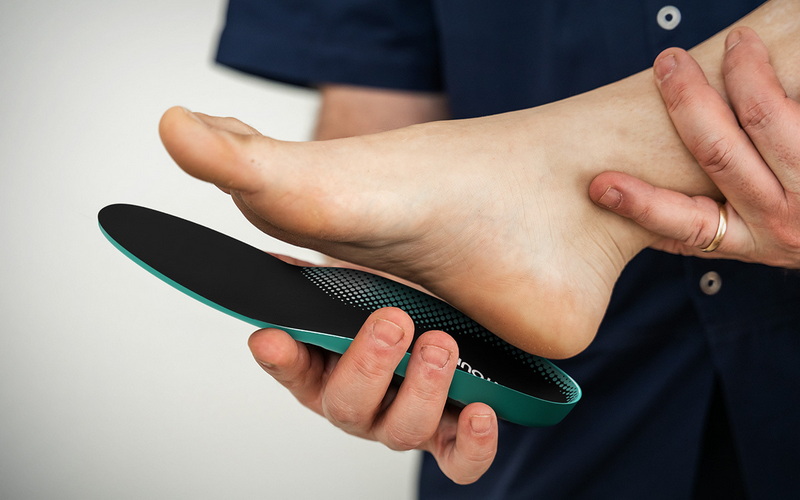
Orthopedic insoles, also known as orthotic inserts, are innovative footbeds placed inside shoes to provide support, balance, and cushioning. Different from simple cushion pads, orthopedic insoles are engineered for anatomical correction, supporting the arch, heel, and ball of the foot as needed. Materials range from soft gels for comfort to firm composites for structural support, with options tailored to various foot shapes and medical needs.
- Rigid Orthotics: Designed with dense plastics or carbon fiber, these are ideal for those needing significant arch or heel support. They help control foot motion and are often used in cases of abnormal gait or severe pronation.
- Semi-Rigid Orthotics: These use a blend of supportive and flexible materials to balance stability and comfort. Ideal for sports or moderate biomechanical correction, they reduce excessive foot motion without being overly restrictive.
- Soft Orthotics: Crafted from foam or cushioning gels, these are best for people with sensitive feet, diabetic conditions, or those prone to calluses and pressure sores.
Orthopedic insoles are not solely for people with diagnosed medical problems. They are beneficial for:
- Individuals suffering from chronic foot, knee, or lower back pain
- People with flat feet, high arches, or heel spurs
- Runners and athletes seeking to prevent overuse injuries
- Workers who spend many hours standing or walking
- Children with gait irregularities or rapid foot development
- Elderly adults wanting additional foot stability and injury prevention
Selecting the best orthopedic insole requires evaluation of foot type, activity, shoe style, and personal needs.
- Flat Feet/Overpronators: Require insoles with firm arch support to prevent the ankle from rolling inward and causing strain.
- High Arches/Supinators: Need cushioned insoles that counteract underpronation and distribute pressure across the foot.
- Normal Arches: Moderate support helps maintain healthy alignment and prevent developing issues.
- Custom Orthotics: Crafted after a detailed foot assessment by a podiatrist, these insoles address complex alignment issues and chronic pain. Custom molding or 3D scanning ensures a perfect anatomical fit.
- Prefabricated Orthotics: Available in most pharmacies and online, these offer varied designs for general foot concerns. While not as tailored as customs, many brands provide sizing guides and moderate arch support for typical needs.
- Remove existing footbeds or liners from your shoes.
- Check that the shoes have sufficient space; insoles should not overcrowd the fit or cause discomfort.
- Place the orthopedic insole into your shoe, ensuring the heel sits firmly at the back with no gaps or folds.
- Adjust if necessary so the arch support aligns beneath your foot's natural arch.
- Begin by wearing the insoles for just one to two hours the first day.
- Gradually increase usage daily over a week to two weeks, allowing your foot muscles to adjust.
- If you feel sharp pain or discomfort, pause use and consult a specialist.
- Track any reduction in pain, change in walking pattern, or improvement in posture.
- Look out for signs of irritation or pressure points, adjusting shoe lacing or sock type if needed.
- Remove orthotic insoles at night to let them ventilate and dry.
- Clean regularly with mild soap and water, avoiding high heat or harsh chemicals that can degrade materials.
- Replace every 6 to 12 months, or at the first sign of damage, deterioration, or loss of support.
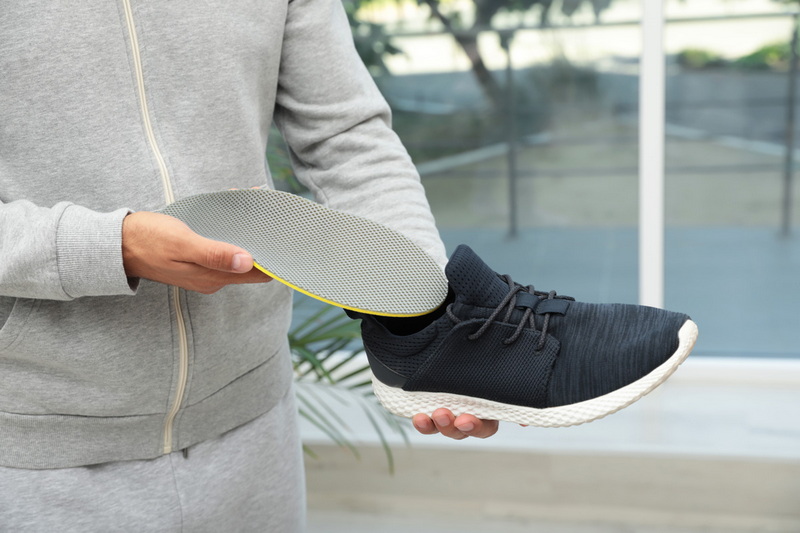
Different shoes provide different benefits and challenges for using orthopedic insoles. Select shoes with:
- Removable insoles or liners
- Sufficient depth and width to prevent crowding
- Sturdy heel counters for enhanced stability
- Arch-friendly designs
Avoid shoes that are:
- Extremely tight or narrow
- Heavily worn or broken down at the sole
- Made from non-breathable materials, which may increase moisture and odor
- Pair insoles with quality socks to reduce friction and prevent blisters.
- Rotate between two pairs of insoles or shoes to allow drying and proper maintenance.
- Use insoles designed for specific activities; running, hiking, and dress insoles have unique profiles for comfort and support.
Orthopedic insoles can improve comfort, performance, and injury prevention in several scenarios:
- Running and Athletics: Reduce impact, correct alignment, and decrease risk of shin splints and plantar fasciitis.
- Work Environments: Support all-day standing and walking, decreasing fatigue, and protecting joints.
- Everyday Walking: Promote even pressure distribution and comfort, even with casual or business attire.
- Rehabilitation: Essential during and after recovery from injury or surgery, aiding in balance and reducing strain on affected joints.
- Discomfort during Break-in: Reduce wear time; pad sensitive areas with soft material; check shoe fit.
- Persistent Pain: May indicate an incorrect insole type, improper fit, or an underlying medical issue.
- Bunching or Sliding: Adjust sizing, check compatibility with shoe type, or consider an adhesive-grip insole.
- Unpleasant Odors: Wash insoles regularly, use moisture-wicking socks, and alternate shoes if possible.
Maintain a diary or log detailing hours worn, comfort level, and any symptoms. Over weeks, this can help identify patterns, guide further adjustments, or indicate when to seek professional help.
For those with severe biomechanical issues, orthopedic insoles may be paired with ankle braces, compression socks, or modified footwear as directed by a healthcare provider.
- Never ignore persistent numbness, tingling, or developing sores; these may signal circulation issues or neuropathy.
- For children, only use insoles recommended by pediatric professionals; growing feet require specialized attention.
- Individuals with diabetes must inspect their feet regularly, as reduced sensation can conceal injuries.
Orthopedic insoles are a versatile, effective solution for a range of foot issues, from mild discomfort to serious biomechanical challenges. With proper selection, fitting, and daily use, they can significantly enhance comfort, posture, and mobility whether at work, in sports, or at home. By pairing them with supportive shoes, maintaining them carefully, and paying attention to your body's signals, you can make the most of what orthopedic insoles have to offer. For challenging or persistent problems, always seek the guidance of a qualified health professional to ensure long-lasting foot health.
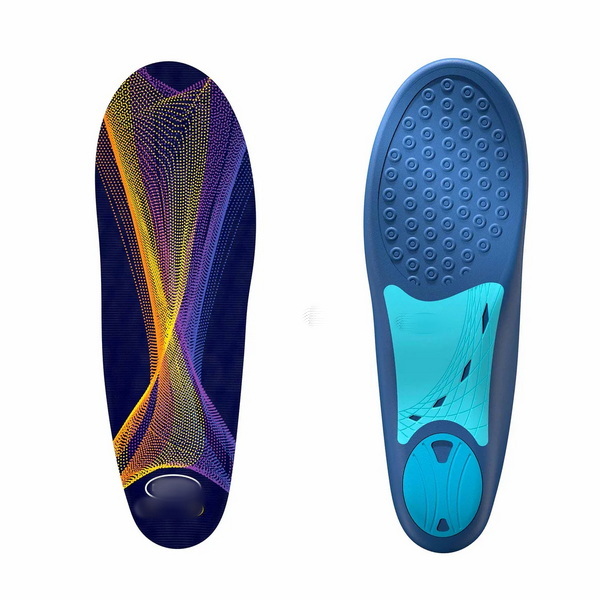
Shoes that have a removable insole and plenty of room, such as athletic shoes, work boots, or orthopedic-specific footwear, offer the best compatibility with your orthotic insoles.
With regular use, most orthopedic insoles require replacement every 6 to 12 months. Replace sooner if you notice decreased support, visible compression, or deteriorating materials.
Yes, many insoles have guidelines on the toe area for safe trimming. Make small, gradual cuts so as not to remove too much material, and avoid altering the arch or heel structure.
Specialized insoles are made for running, basketball, tennis, and other activities. These offer reinforced arch and heel support, additional shock absorption, and moisture-wicking properties.
Not all foot issues can be fixed by insoles alone. Persistent pain, swelling, or structural deformities require medical evaluation. Orthopedic insoles should complement, not replace, comprehensive foot care.


