
Language


Content Menu
● Key Benefits of Shoe Insoles
>> Gel and Memory Foam Insoles
● How to Choose the Right Insole
● Step-by-Step: How To Use Shoe Insoles
>> 1. Remove Existing Insoles (If Any)
>> 2. Check Size and Trim If Needed
>> 3. Insert and Position the Insole
>> 5. Allow Time for Adjustment
● Using Shoe Insoles for Different Needs
● Tips for Maximizing Insole Effectiveness
● Common Problems and Solutions When Using Insoles
● The Role of OEM Insole Manufacturing
● Adapting Your Shoes to Fit Insoles
● When to Consult a Professional
● Sustainability in Insole Manufacturing
● How Shoe Insoles Benefit Brand Owners, Wholesalers, and Manufacturers
>> 1. How often should shoe insoles be replaced?
>> 2. Can you use the same insoles in different shoes?
>> 3. What's the difference between comfort insoles and orthotic insoles?
>> 4. Do insoles help with foot pain?
>> 5. Is it necessary to remove old insoles before inserting new ones?
Are your feet often tired or sore after a long day of walking or standing? You're not alone. Many people suffer from foot fatigue, pain, or even postural issues as a result of inadequate foot support. Shoe insoles are a simple, affordable solution that can drastically improve comfort, address specific foot conditions, and even extend the life of your favorite shoes. This comprehensive guide explains everything you need to know about how to use shoe insoles effectively—covering selection, installation, maintenance, and tips for maximizing their benefits.
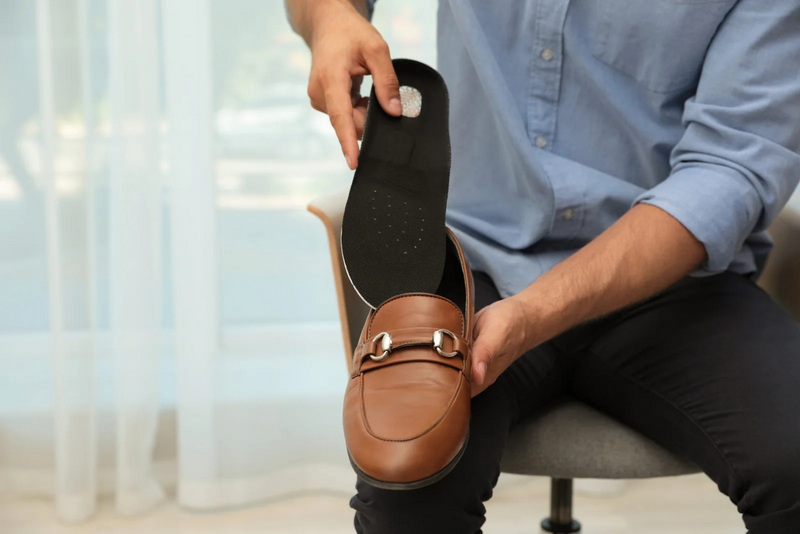
Shoe insoles, also known as footbeds or inserts, are supportive layers placed inside shoes to provide extra comfort, enhanced cushioning, and improved support. Available in different materials, designs, and thicknesses, shoe insoles are suitable for casual, athletic, and medical needs.
Proper use of high-quality insoles offers a range of benefits:
- Increase comfort during prolonged activity or standing.
- Reduce foot pain and limit fatigue.
- Correct foot alignment and prevent injuries caused by overpronation or supination.
- Help manage conditions such as plantar fasciitis, flat feet, or high arches.
- Extend the lifespan of shoes by absorbing shock and reducing internal wear.
- Enhance athletic performance through better support and energy transfer.
These insoles are designed mainly for cushioning and alleviating fatigue in everyday footwear. They often have foam or gel padding that evenly distributes pressure across the foot.
Specifically made for athletes, sport insoles deliver greater shock absorption, arch support, and stability. They are typically implemented in running shoes, basketball sneakers, or hiking boots to prevent injury and improve performance.
Orthotic insoles are tailored to provide medical support, correcting biomechanical abnormalities or alleviating chronic foot pain. Some are custom-molded following a medical assessment, while others are over-the-counter but still feature robust corrective properties.
Gel insoles absorb impact especially in the heel and forefoot regions, while memory foam options mold to the foot's unique contour, ensuring a personalized fit.
Some specialty insoles target conditions like heel spurs, metatarsalgia, or diabetic foot sensitivity. These models use advanced materials and design techniques to deliver precise relief where needed.
Selecting the perfect insole depends on your foot shape, daily activities, and any medical issues:
- Know Your Arch Type: Flat, low, or high arches require particular support; choose an insole that matches your profile.
- Identify Primary Use: Day-to-day comfort, rigorous athletics, or medical correction all demand different insole features.
- Check Sizing and Fit: Match the insole to your shoe's size, and look for options that can be trimmed for customized fitting.
- Consider Material Preferences: Options range from memory foam and gel to cork or leather—each providing distinct benefits regarding breathability, cushioning, and durability.
- Seek Special Features: Moisture-wicking surfaces, antimicrobial treatments, or extra-thick padding can address personal preferences or foot health requirements.
Most shoes come with removable factory insoles. Taking them out provides space for your new insoles, ensuring a proper fit and maximizing comfort.
Before placing the new insole into your shoe, compare it against your old insole or the shoe's footbed. Some insoles have guidelines to help you trim them to fit different shoe sizes. Use sharp scissors and take care not to cut too much at once.
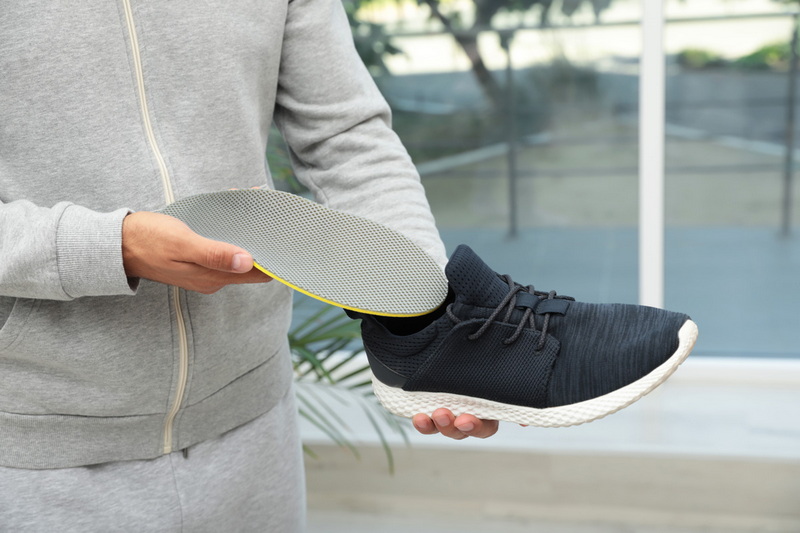
Slide the new insole into your shoe, making sure it lies flat and smooth, without any bends or folds. Check the heel and toe placement for security. Press the insole down firmly, if needed, to anchor it.
Put on your shoe and walk around. The insole should deliver immediate cushioning and support, with no tightness or awkward bumps. If you feel discomfort, remove the insole and adjust its position, or trim further if necessary.
Feet may need a few days to adapt to new insoles, especially orthotic or more rigid support types. Gradually increase daily wear time to allow your muscles and joints to adjust.
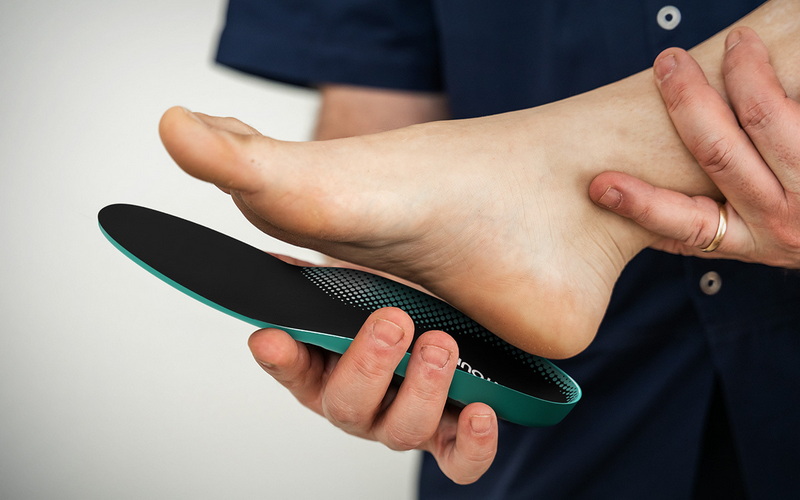
If you have flat feet, seek insoles with robust medial arch support that helps prevent strain and overpronation.
Those with high arches should use cushioned insoles with built-in arch support to help distribute pressure and prevent excess stress on the heel and ball of the foot.
Pain in the heel or along the arch often results from plantar fasciitis. Look for insoles with reinforced heel cups and shock-absorbing properties to minimize discomfort and inflammation.
Sports-specific insoles feature extra support for high-impact movement, such as running or jumping. Opt for models with deep heel cups, reinforced arches, anti-slip technology, and enhanced breathability.
If you spend hours on your feet at work, comfort insoles with gel or memory foam padding will offer lasting support and fatigue reduction.
- Rotate Insoles Regularly: If you use insoles in different shoes, remember to rotate and air them out. This prevents odor and prolongs their life.
- Keep Insoles Clean: Remove insoles weekly and wipe with a damp cloth. Let them dry completely before placing back in shoes.
- Don't Double Up: Using two insoles on top of each other can lead to improper fit and discomfort. Always remove the original insole if you're replacing it.
- Replace When Necessary: Over time, insoles lose cushioning and support. Change them every 6–12 months, or sooner if you notice visible wear, permanent odors, or flattened padding.
- Pay Attention to Pain: Persistent pain could indicate the insole is not suitable for your needs. Try a different model or consult a foot care professional.
- Insoles Moving in the Shoe: If insoles slip, trim them a little more for a snug fit or use double-sided tape to secure them.
- Shoes Feel Too Tight: Thicker insoles may require shoes with more internal space, or replacing original insoles to make room.
- Persistent Odor: Air out and clean insoles regularly. Consider odor-control sprays designed for shoe care.
For brands, wholesalers, and shoe manufacturers, partnering with a reputable OEM insole supplier unlocks opportunities for custom-branded, high-quality insoles tailored to market demand. OEM services are invaluable for ensuring:
- Consistent product quality across large orders.
- Flexible customization options for materials, sizes, and packaging.
- Support for private label branding, allowing seamless integration into your product line.
- Competitive pricing at scale, helping maximize your profit margins.
Working with a leading OEM insole manufacturer ensures you deliver products that delight customers and meet the highest international quality standards.
Proper care extends the life of your insoles and keeps them fresh:
- Regular Cleaning: Most insoles can be wiped with a damp cloth and left to air dry. Avoid harsh chemicals that may break down the material.
- Deodorizing: If foot odors are an issue, sprinkle baking soda on your insoles overnight or use a specialized shoe deodorizer.
- Do Not Machine Wash unless specified: Some insoles, especially orthotic types, are not designed for heavy machine washing.
Some shoes, especially slim-formal styles or dress shoes, may have limited space for extra insoles. In such cases:
- Choose slim-fit or low-profile insoles designed for tight footwear.
- Remove existing footbeds or liners to make space.
- For half-insoles or targeted support, select inserts that only cushion the heel or ball of the foot.
Wider-fit or high-volume shoes (like certain work boots or sneakers) can accommodate thicker or full-length insoles easily.
While most insoles can be selected and used independently, certain situations demand professional advice:
- Chronic pain or injury: Ongoing foot, knee, or back pain may signal the need for a podiatric assessment. A specialist can recommend or custom fit medical-grade orthotics.
- Unusual foot shapes: Extra wide, narrow, or high-volume feet may require bespoke solutions.
- Underlying medical conditions: Diabetes or arthritis can influence your insoles' material or construction requirements.
Modern insoles are designed using biomechanics and material science. The aim is to distribute body weight efficiently, reduce pressure points, and absorb the impact of each step. Innovations such as shock-absorbing gels, memory foams, and moisture-control fabrics reflect ongoing advances. For brands and wholesale partners, staying up to date with these technologies is crucial for maintaining competitive product offerings.
More manufacturers and buyers are now paying attention to sustainability in insole production. Eco-friendly materials, biodegradable foams, recycled fabrics, and responsible packaging are now available, allowing brands to deliver comfort while minimizing environmental impact. Partner with OEM suppliers who share your sustainability vision.
For business clients, insoles are not only value-added products but also a key differentiator in competitive markets. Well-designed, branded insoles can elevate your entire product line, boosting customer satisfaction and loyalty. OEM manufacturing allows for bulk orders, flexible customization, and private-label solutions that help expand your brand's reputation.
Shoe insoles are an essential upgrade for daily comfort, health, and performance—whether you're an individual user or a brand looking to provide added value. From selecting the right insole to installing, maintaining, and replacing it, understanding each step maximizes benefits and addresses common foot issues. As a leading OEM insole manufacturer, we're committed to delivering innovative, customized solutions for global partners and their customers.
Most shoe insoles remain effective for six to twelve months with daily use. Replace them when cushioning diminishes, odors remain after cleaning, or the material begins to deteriorate.
Yes, if the insoles fit securely in each pair of shoes. Some insoles are designed to be transferable, but customized or shaped insoles might fit best in one shoe only.
Comfort insoles emphasize reducing fatigue with cushioning. Orthotic insoles provide corrective support for biomechanical problems and medical conditions.
Absolutely. Insoles provide structure, shock absorption, and pressure distribution, which can significantly reduce many types of foot pain.
Yes, removing old insoles prevents overcrowding, ensures a better fit, and helps the new insoles function as intended.


