
Views: 222 Author: Edvo Publish Time: 2025-12-09 Origin: Site


Content Menu
● What heat moldable really means
● Are Superfeet insoles heat moldable?
● Superfeet personalization vs. true heat molding
● How general heat‑moldable insoles are used
● Why some insoles avoid home heat molding
● When to consider fully heat‑moldable alternatives
● Comfort features and materials in Superfeet products
● Visual guides: how molding and fitting look
● Best practices if you want a moldable fit
● How an OEM insole factory can help buyers
>> FAQ
>> 1. Are all Superfeet insoles heat moldable?
>> 2. How do Superfeet insoles achieve a custom feel without heat?
>> 3. Can general heat‑moldable insoles be reshaped more than once?
>> 4. What is the difference between heat molding and professional custom insoles?
>> 5. How should insoles that are not heat moldable be broken in?
Superfeet insoles include both non‑moldable options and lines that can be customized using warmth or pressure, so not every model is heat insole moldable in the strict sense. Many users achieve a personalized fit either by choosing Superfeet lines designed for personalization or by using general heat‑moldable insole techniques with compatible models.
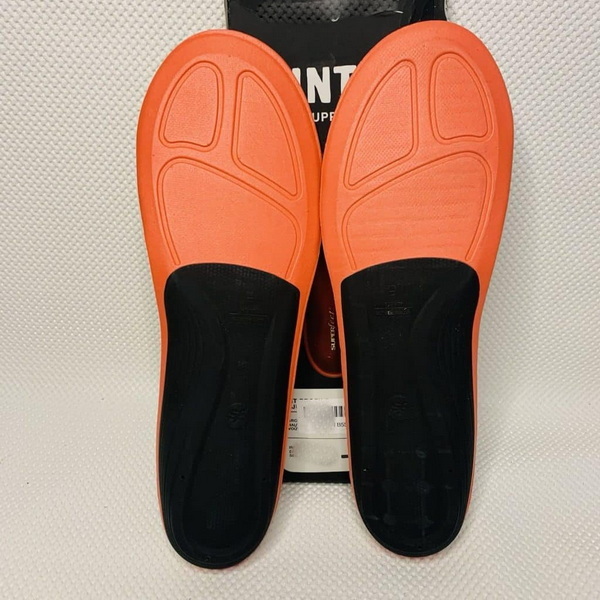
Heat moldable insoles are designs that soften slightly under controlled warmth and then conform to the contours of the foot while you stand or walk. Some rely on specialized foams, others use thermoformable bases, and many brands also allow “wear molding,” where the insole gradually adapts through regular use.
Superfeet produces insoles with pressure‑sensitive foam that conform to the feet over time, along with options that can be customized more directly in retail settings using specialized fitting equipment. In parallel, the wider insole market offers explicitly home‑moldable products designed for use with controlled household warmth sources.
Superfeet's core all‑purpose lines use a firm stabilizer cap and high‑density foam that provide structured support without relying on at‑home heat molding. These insoles are intended to maintain their shape for consistent alignment and shock control, rather than softening significantly under household warmth.
At the same time, Superfeet offers personalized and custom solutions, including options fitted in stores with specialized equipment and three‑dimensional personalized products that are shaped using biometric data. These systems provide a highly tailored fit but are not designed for do‑it‑yourself oven‑based molding at home.
Personalized three‑dimensional lines from Superfeet use detailed pressure and movement scans to create a unique profile for each foot, followed by additive manufacturing of the insole body. This approach focuses on precision engineering rather than on reshaping a standard insole with household warmth.
In addition, some Superfeet products use pressure‑responsive foam that gradually conforms to the foot during wear, offering a custom‑feeling fit without a separate heat‑molding step. The stabilizing base beneath this foam is designed to stay relatively stable, preserving long‑term arch structure and heel support.
For brands that specifically advertise home heat molding, instructions typically involve using a low‑temperature oven or a controlled warmth tool and then standing on the insoles as they cool. Common steps include gentle trimming, warming for a short period, placing the warmed insole in the footwear, and then standing in a neutral stance so the foot can shape the material.
Manufacturers often specify modest warmth levels and strict time limits to prevent damaging the foam, adhesives, or stabilizer shells. Many also stress that using higher temperatures or extended exposure can warp the insole or reduce its lifespan, which is why following brand‑specific instructions is critical.
Structured orthotic designs rely on a supportive shell to control alignment of the heel and arch, and excessive softening could reduce this support. For this reason, many orthotic‑style insoles are designed to hold their shape under normal conditions instead of being reshaped at home.
Manufacturers that concentrate on stability often prefer pressure‑molding, professional fitting, or custom fabrication over household warmth methods. This allows them to maintain consistent support characteristics while still offering a degree of personalization through foam layers and contoured heel cups.
If a highly customized fit at home is a priority, some brands sell insoles marketed explicitly as heat moldable for do‑it‑yourself adjustment. These products are designed with foams and structural components that tolerate gentle heating and re‑shaping without losing their functional support.
Such insoles can be a strong choice for users with demanding activities, such as endurance sports or snow sports, where a tailored fit helps minimize pressure points and improve comfort. They also appeal to users who want a middle ground between standard off‑the‑shelf inserts and fully custom orthotic devices.
Superfeet all‑purpose lines combine a contoured heel cup, firm stabilizer cap, and durable foam to position the foot and help reduce fatigue. The top cover is designed to manage moisture and odor while providing a friction‑resistant surface for the foot.
Other lines use cushioning foams that adapt to pressure, so the upper layer conforms while the shaped base continues to guide the foot's alignment. Several products also incorporate recycled materials in the cover, foam, or support components as part of broader sustainability efforts.
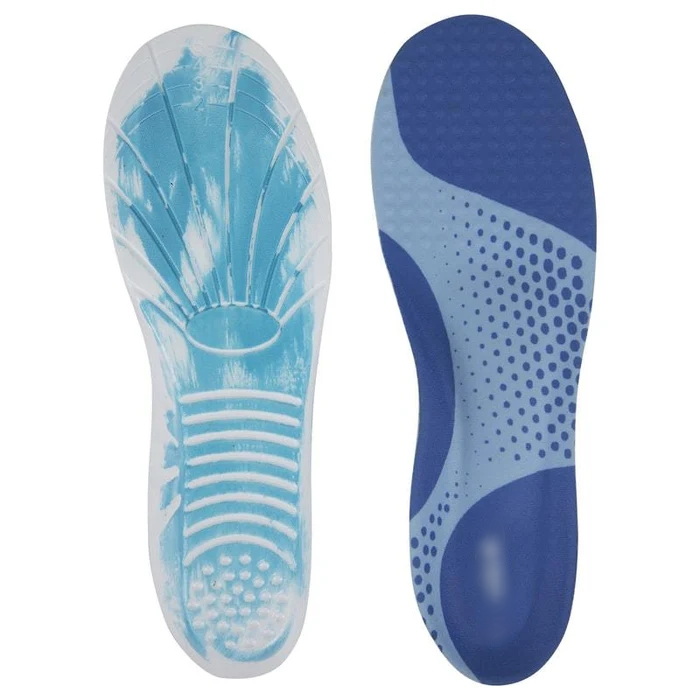
A typical customization session for heat‑moldable insoles shows the insole being gently warmed, then transferred quickly into the footwear, followed by the user standing upright for a short period while the material cools and shapes itself. Many demonstrations highlight trimming to match the original insert outline, checking for smooth edges, and ensuring the heel is fully seated in the cup during molding.
General fitting tutorials also emphasize a neutral stance with feet hip‑width apart and even weight distribution, helping the insole capture a natural arch position rather than a strained or collapsed posture. Step‑by‑step visual sequences often repeat the full process so users can compare correct and incorrect techniques side by side.
If using insoles that are officially designed for home heat molding, always follow the manufacturer's published guidance on warmth level, exposure time, and stance during the shaping phase. Before any warming step, confirm that the product literature explicitly permits this method to avoid voiding any satisfaction guarantees or damaging the materials.
When using non‑heat‑moldable orthotic insoles, focus on progressive wear‑in: begin with shorter daily usage periods and gradually increase time so the feet and soft tissues can adapt to the new support pattern. In cases of persistent discomfort, consultation with a foot‑care professional can help determine whether a custom device or a different insole style is more appropriate.
Professional insole manufacturers that specialize in private‑label production can develop lines that match the structure and comfort profile many users seek in premium supportive insoles, while also offering dedicated heat‑moldable constructions for markets that demand at‑home customization. For overseas brands and wholesalers, such factories can design collections that range from firm supportive orthotic styles to fully moldable variants tailored to local sports, work, or lifestyle needs.
By combining stable arch shells, pressure‑adaptive foams, and moisture‑managing surface layers, an OEM producer can deliver comprehensive comfort solutions that integrate smoothly with brand positioning and packaging requirements. Long‑term partnerships also make it possible to refine shapes and densities over time based on retailer feedback and consumer reviews.
Superfeet insoles are primarily engineered as structured, supportive inserts that do not rely on home heat molding, though some lines use pressure‑adaptive foam or professional personalization processes to achieve a tailored fit. Users seeking a true home heat‑moldable experience typically turn either to brands that explicitly advertise that feature or to specialized custom solutions created through scanning and advanced manufacturing. For brands and wholesalers, partnering with an OEM insole factory makes it possible to offer both structured support and dedicated heat‑moldable products within a single coordinated range.
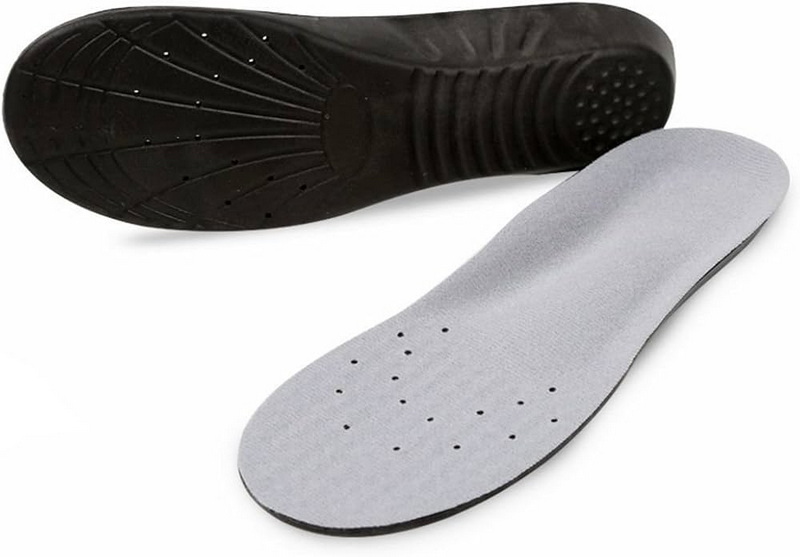
Not every Superfeet insole is designed for home heat molding, and many are intended to maintain a consistent structural shape rather than being reshaped in an oven or with other warmth sources. Customization in these lines comes mainly from contour design, foam layers, and, in some cases, professional fitting systems or personalized fabrication.
Several Superfeet lines use pressure‑sensitive cushioning that gradually conforms to the foot profile during normal wear while the underlying stabilizer cap keeps the arch and heel in a guided position. This approach creates a comfortable, individualized surface fit without changing the structural support geometry.
Many heat‑moldable insoles are designed to tolerate more than one molding cycle, provided the manufacturer's limits on warmth level and exposure time are respected. Excessive or repeated over‑heating can accelerate material fatigue, so re‑molding should always follow brand‑specific recommendations.
Heat‑moldable insoles typically start from a standard base that is softened and shaped to the foot using controlled warmth and body weight. Professional custom systems use scanning and detailed measurements to design and manufacture a unique insole from the ground up, often via advanced additive processes.
Supportive insoles that are not intended for heat molding should be introduced gradually, starting with shorter daily wear periods before moving to full‑day use. Monitoring comfort and making small adjustments to usage time helps the feet adapt to the new support pattern more smoothly.


