
Views: 222 Author: Edvo Publish Time: 2025-10-16 Origin: Site


Content Menu
● Understanding Ankle and Arch Support
● Types of Insoles for Ankle and Arch Support
>> Gel Insoles
>> 3D Molded and Custom-Fit Insoles
● Key Features to Look for in Insoles
>> Breathable and Antimicrobial Surface
● Benefits of Insoles for Ankle and Arch Support
● How to Choose the Right Insole
>> Step 1: Evaluate Your Foot Type
>> Step 2: Assess Your Daily Activities
>> Step 3: Match Shoe Style and Size
>> Step 4: Test Comfort and Fit Duration
● Why Choose Chinese OEM Insole Manufacturers
>> Custom Insole Solutions Offered
● Innovations in Modern Insole Technology
>> Temperature-Regulating Foam
>> Magnetic and Reflexology Designs
>> Shock-Absorbing Architecture
● The OEM Process for Custom Insoles
● Practical Tips for Daily Insole Users
● FAQs
>> 1. What kind of insole is best for ankle support?
>> 2. Can insoles help with ankle pain recovery?
>> 3. How do I know if I need arch support?
>> 4. Are custom insoles worth the cost?
>> 5. How often should I replace my insoles?
Foot discomfort can affect not only your walking experience but also your posture, balance, and long-term joint health. Whether you're an athlete, a retail worker, or someone dealing with chronic pain, insoles designed for ankle and arch support can make a tremendous difference in your comfort and mobility. Choosing the right pair ensures that your feet remain well-aligned, cushioned, and stable throughout the day.
Ankle and arch support insoles are not just accessories—they are essential components in footwear that enhance stability, distribute body weight, and protect ligaments and tendons from unnecessary stress. With advanced materials and ergonomic designs available, it's easier than ever to find a pair perfectly suited to your lifestyle or manufacturing needs.

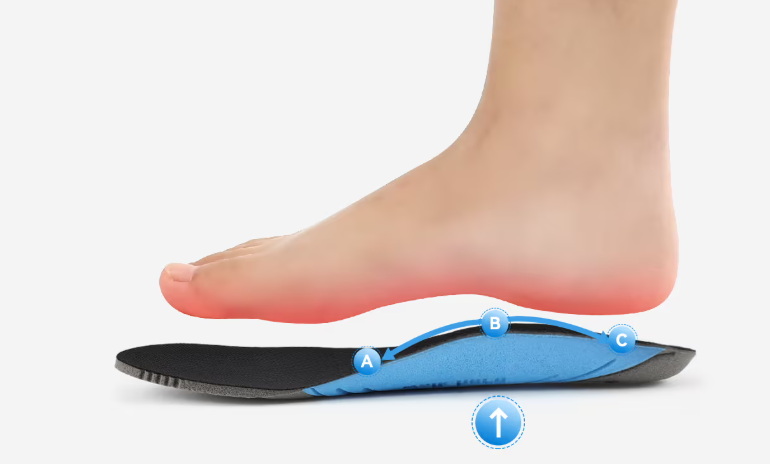
The arch acts as a spring-like structure that absorbs impact as your foot touches the ground. When the arch collapses or is inadequately supported, the pressure shifts to the ankles and knees, leading to fatigue, inflammation, or even misalignment of the spine. Proper arch support preserves the natural curvature of the foot and maintains consistent balance with every step.
The ankle joint connects the foot to the leg and bears the body's weight while permitting movement in multiple directions. A lack of sufficient support increases the risk of rolling or spraining the ankle. Insoles with structured heel cups and reinforced sides can soft-lock the ankle in place, preventing instability during activity.
Orthotic insoles deliver corrective alignment for individuals suffering from biomechanical issues such as overpronation or flat feet. They shape the foot into its natural position through reinforced arches and ergonomic heel cups. These insoles are often prescribed by podiatrists and can dramatically improve joint alignment and walking mechanics.
Gel insoles focus on shock absorption, distributing pressure evenly across the heel and forefoot. Their flexibility makes them ideal for athletes, joggers, and workers in physically demanding professions. The micro-gel structure inside helps diminish heel strikes and reduce fatigue even after extended hours of use.
Memory foam provides contoured comfort that adapts to the shape of your foot. It cradles the heel and midfoot, delivers cloud-like cushioning, and retains shape for consistent support. This type of insole is suitable for general walking, casual wear, or light sports use.
EVA foam insoles combine durability and responsive cushioning. They maintain firmness over time while delivering consistent shock absorption. EVA insoles are favored in sports shoes, hiking boots, and industrial footwear due to their resilience and lightweight structure.
Cork provides a natural, biodegradable option that molds to the feet and resists odor and bacteria. Leather overlays add stability and moisture control, making them perfect for business shoes or formal footwear that doesn't compromise comfort.
Modern insole technology, supported by 3D printing and scanning systems, enables production of perfectly fitted models. These insoles replicate your exact foot contour and improve gait efficiency. For premium brands or professional athletes, custom-fit insoles deliver unmatched precision and comfort.
Look for insoles that match your foot's natural shape. People with flat feet require a high-density arch base for stability, while those with high arches benefit from flexible cushioning that prevents strain.
The heel cup stabilizes the ankle joint and ensures correct foot alignment. A well-shaped heel counter can reduce stress on tendons and minimize rolling, especially for pronation control.
A breathable mesh or antimicrobial top layer prevents odor buildup and allows air circulation, keeping your feet fresh even after prolonged wear. Moisture wicking fabrics improve hygiene and comfort.
Premium insoles often use triple-layer foam construction—combining a supportive base, shock-absorbing mid-layer, and soft comfort top layer. This multilayer design ensures lasting durability and reduces pressure points.
Some universal insoles feature easily customizable outlines so users can cut them to fit any shoe size, from running sneakers to work boots.
- Pain Relief: Insoles alleviate foot, ankle, knee, and lower back pain caused by misalignment.
- Improved Posture: Proper arch support realigns joints and reduces the risk of chronic posture issues.
- Enhanced Stability: Deep heel cups and rigid cores ensure controlled motion during running or walking.
- Extended Shoe Lifespan: Cushioning materials absorb impact energy, protecting both the wearer's feet and the shoe structure.
- Versatile Applications: Suitable for sports, daily walking, hiking, or office use.
Another crucial benefit is enhanced blood circulation. Continuous shock absorption prevents micro injuries and increases comfort for long durations of standing work. For industrial and military applications, reinforced insoles also help reduce fatigue and muscle strain, leading to higher work efficiency.
You can determine your foot type with a wet footprint test. Fully flat marks mean low arches, while curved prints indicate high arches. Choose insole rigidity according to this result for proper balance.
Consider if you spend hours walking on hard surfaces, engage in running, or work in static positions. The higher the impact, the greater the need for shock-absorbing materials like gel or multi-cell EVA.
Ensure the insole contour fits your footwear's shape. Some shoes—like narrow formal designs or wide sports shoes—require specific profile thickness to maintain comfort without altering fit.
A well-fitted insole should feel supportive immediately and remain comfortable after an entire day. If localized pressure points appear, try softer versions or models with adjustable arch pads.
Proper maintenance extends an insole's performance life significantly.
- Remove insoles from shoes regularly to dry and air them.
- Hand wash with mild detergent and warm water; avoid machine washing.
- Keep them away from direct heat or sunlight to prevent warping.
- Store them in a cool, ventilated area.
- Replace worn-out insoles every six to twelve months for continuous support.
For athletic or intensive-use shoes, rotating multiple pairs of insoles helps maintain hygiene and comfort, especially in humid climates.
China has emerged as a world leader in insole production, offering innovative design, high-quality materials, and competitive prices through OEM (Original Equipment Manufacturer) and ODM (Original Design Manufacturer) services.
- Sophisticated molding and cutting precision
- Advanced R&D capability to design ergonomic structures
- Wide variety of raw materials (EVA, PU, TPE, memory foam, cork, gel)
- Customized branding solutions, including logo embossing and packaging
- Rapid prototyping and scalable production for global footwear brands
Many international companies work with Chinese insole factories to produce custom lines that meet the specific needs of their markets, from healthcare and sports to industrial safety products.
Chinese manufacturers now specialize in tailor-made insoles with functions such as:
- Orthopedic correction layers for medical-grade support
- Dual-density construction for firmness and comfort
- Anti-fatigue cushioning for long working hours
- Eco-friendly materials that align with global sustainability trends
By choosing an OEM supplier, brands can deliver professional-grade insoles with customized dimensions, foam hardness, and support levels—all while keeping production costs optimized.
These advanced insoles are embedded with micro-sensors that track foot pressure and gait in real time. Data collected can assist physiotherapists or athletes in improving balance, reducing risk of injuries, and fine-tuning movements.
More factories are transitioning to biodegradable and recycled materials, replacing petroleum-based foams with plant-based resins or bamboo charcoal fabrics that enhance both comfort and sustainability.
Special thermal-reactive foams are designed to maintain a comfortable temperature by absorbing excess heat and releasing it when the foot is cold—ideal for all-season footwear.
Some insoles incorporate magnetic points or reflexology zones believed to stimulate circulation and relieve stress through gentle acupressure.
Advanced insoles feature honeycomb or grid structures that flex naturally under pressure, mimicking biological muscle cushioning. This structure minimizes the impact transmitted through the ankle and knee joints.
For footwear brands seeking private labeling services, understanding the production process increases collaboration efficiency.
1. Consultation & Design: Discuss insole type, target market, and specifications such as thickness, arch height, or cushioning preference.
2. Sampling & Testing: The factory creates prototypes using chosen materials to evaluate comfort, durability, and flexibility.
3. Mass Production: After approval, automated machines mold and bond layers under strict quality control.
4. Branding & Packaging: Logos, labels, and retail packaging are customized per client request.
5. Quality Inspection & Shipping: Every pair undergoes mechanical compression and durability testing before export.
Working closely with an experienced Chinese partner ensures consistency, minimized lead times, and premium craftsmanship throughout each production stage.
- Alternate between multiple pairs of insoles to maintain freshness.
- For athletes, use specialized arch stabilizers during high-impact training.
- Replace socks frequently to enhance moisture management.
- Avoid trimming insoles excessively; keep enough edge support.
- Combine insoles with ankle sleeves or compression socks for improved stability.
A good insole should feel like an extension of your foot, blending naturally into movement without noticeable bulk or slippage.
Choosing the right insole for ankle and arch support can redefine how you move, train, and feel throughout the day. From supportive orthotics for clinical comfort to lightweight EVA designs for dynamic performance, today's market offers countless solutions for every need.
For brands and distributors, partnering with a reliable Chinese OEM manufacturer opens doors to innovation, quality assurance, and cost-efficient customization. With advanced materials, eco-conscious production, and precision engineering, these manufacturers stand ready to supply perfectly fitted comfort to the world.
Healthy feet form the foundation of a healthy life—start with the right support from the ground up.
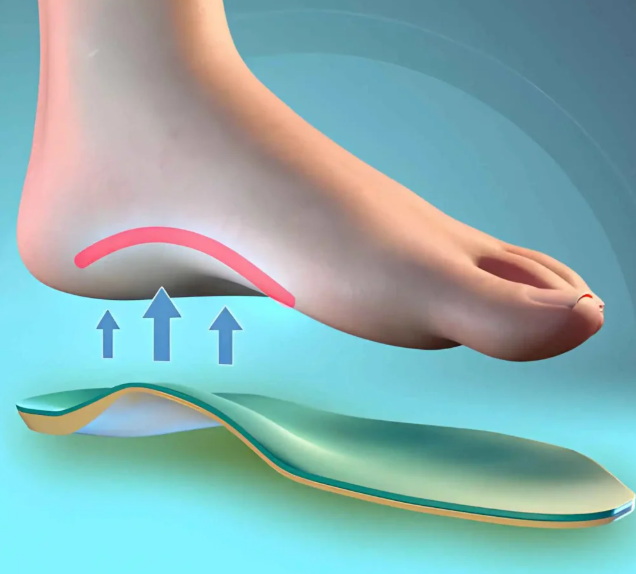
The most effective insoles for ankle support feature deep heel cups, rigid arch cores, and stable edge structures that prevent rolling or pronation during movement.
Yes. Properly supported insoles align the ankle and distribute body weight evenly, reducing stress and accelerating recovery from injuries such as sprains or tendonitis.
If your feet tire quickly, or you experience heel pain or knee strain after long walks, you likely need structured arch support to rebalance your gait.
Custom insoles are beneficial for people with unique foot shapes, medical conditions, or professional athletes. They provide superior comfort, precision fit, and improved performance.
Depending on material quality and usage frequency, insoles should be replaced every 6 to 12 months. Heavy use or visible compression marks indicate it's time for a new pair.


