
Views: 222 Author: Edvo Publish Time: 2026-03-24 Origin: Site


Content Menu
● Why Portugal Matters in the EVA Insole Supply Chain
● What Real Customers Actually Feel: Comfort, Durability, and Long-Hour Performance
>> Comfort and Support During Long Shifts
>> Durability and Shape Retention
>> Fit, Stability, and Slip Resistance
>> Skin-Friendliness, Odor, and Breathability
● Key Criteria Used to Rank Portuguese EVA Insole Manufacturers
● Top EVA Foam Insole–Related Manufacturers in Portugal (Expert Overview)
● How 3BU Technology Supports Portuguese and Global Brands
● Technical Deep Dive: EVA vs PU, PU Foam, and Gel
>> EVA Insoles – Lightweight and Economical
>> PU and PU Foam – Heavy-Duty and Premium Comfort
>> Gel and Hybrid Designs – Targeted Shock Absorption
● Practical Steps: How International Buyers Should Choose a Portuguese EVA Insole Partner
>> Step 1 – Define Your Use Case and Market Position
>> Step 2 – Shortlist Portuguese Partners for Local Value
>> Step 3 – Add a Specialized Insole OEM Like 3BU Technology
>> Step 4 – Validate Through Real-World Trials
● Material Comparison Table for Buyers
● Actionable Takeaways and Call to Action
● FAQs About EVA Foam Insoles and Portugal-Based Sourcing
>> FAQ 1 – Why do many European brands look to Portugal for footwear but to Asia for insoles?
>> FAQ 2 – Is EVA alone enough for safety footwear insoles?
>> FAQ 3 – What comfort features should I prioritize for 10–12 hour shifts?
>> FAQ 5 – What advantages does an OEM like 3BU Technology bring to Portuguese brands?
Choosing the right EVA foam insole manufacturer in Portugal is no longer just about price and basic comfort – global brands now expect data-backed comfort, long-hour performance, sustainability, and a reliable OEM partner network that often includes leading Chinese insole factories like 3BU Technology serving brands, wholesalers, and footwear producers.

Portugal has become one of Europe's most dynamic footwear and component hubs, with a dense cluster of outsole and insole manufacturers serving both fashion and safety footwear brands. For international buyers, Portugal offers:
- Proximity to EU markets with shorter lead times and easier logistics for European brands.
- A mature footwear ecosystem, including EVA soles, TR/TPU soles, and molded components in established manufacturing regions.
- A growing focus on sustainable materials and recycled content in insoles and soles.
At the same time, many Portuguese brands quietly rely on Asian OEM partners to handle high-volume insole production, especially for EVA, PU foam, and hybrid constructions – which is exactly where 3BU Technology positions itself as a technical OEM extension for European buyers.
From an end-user and occupational health perspective, the "best" EVA insole is the one that keeps workers and consumers comfortable for an entire shift, not just during the first hour. Real-world studies and brand feedback consistently point to a few critical experience pillars.
Feedback from workers who stand 7–16 hours per day shows that pressure redistribution and cushioning are crucial for perceived comfort. In practice, this translates into:
- Shock-absorbing cushioning on hard floors, crucial for factories, warehouses, and retail environments.
- Effective arch support that reduces fatigue and lower-limb discomfort over long shifts.
- A balanced ride – overly soft EVA feels good initially but can lack proper support as hours pass.
EVA is popular because it is light and cost-effective, but standard grades can compress over time under constant load. Long-term user feedback highlights several key durability issues:
- Compression set: the insole becomes thinner and loses its cushioning after months of use.
- Edge curling or deformation that affects fit inside safety boots or sneakers.
- Loss of rebound in high-impact zones such as heel and forefoot.
To address these issues, modern designs increasingly use dual-density EVA, blends with PU foam, or hybrid constructions that keep cushioning more stable over the full product life.
For Portuguese safety and work footwear brands, stability and grip inside the shoe are non-negotiable. Real-world feedback focuses on:
- Good fit across different lasts – from narrow safety boots to wider sneakers and work shoes.
- Textured or fabric-covered top layers that reduce slipping when feet sweat.
- Insole geometry that keeps the heel locked and prevents "sliding forward" on slopes or ladders.
Insoles are in direct contact with the foot or sock, so material safety and moisture management strongly influence comfort and acceptance:
- Hypoallergenic, skin-friendly foam that reduces the risk of irritation.
- Moisture-wicking and odor-resistant textiles or foams for long-hour use.
- Low VOC and avoidance of harmful substances to meet strict regional regulations.
To build a ranking that is truly useful for brands, wholesalers, and manufacturers, experience at the point of use needs to be combined with a clear understanding of factory capabilities. The main criteria include:
- Comfort and long-hour performance validated by field feedback and, where possible, controlled tests with workers who stand for extended periods.
- Durability and material engineering, including dual-density structures, EVA blends, and hybrid EVA–PU–gel designs.
- OEM/ODM capability, such as tooling experience, R&D resources, pattern development, and performance testing.
- Compliance and sustainability, including familiarity with regional regulations, material testing, and environmental initiatives.
- Service quality, including responsiveness, multilingual support, and the ability to coordinate with overseas OEM partners like 3BU Technology.
The Portuguese ecosystem plays a central role for European brands, and specialized OEMs such as 3BU complement it with high-volume, technology-driven insole manufacturing.
Many Portuguese companies specialize broadly in soles and footwear components rather than insoles alone, but they are crucial partners for brands building complete comfort systems that include EVA-based insoles.
| Company / Role | Core Strength | Relevance to EVA Insoles |
|---|---|---|
| 3BU Technology (China) | OEM/ODM insole expert for global brands, including EVA, PU, and hybrid insoles | High-volume insole manufacturing partner complementing Portuguese and EU-based brands |
| Procalçado S.A. (Portugal) | Long-established footwear component leader with EVA soles and molded footwear lines | Strong in EVA tooling and molded parts; useful for integrated outsole–insole concepts |
| VAPESOL (Portugal) | Specialist in TR, TPU, and EVA soles, serving multiple footwear segments | EVA expertise on the outsole side; often coordinates with insole suppliers for full comfort packages |
| Working Safe / similar comfort-insole brands (Portugal) | Focus on comfort solutions with breathability and shock absorption for work footwear | Example of Portugal-based comfort insole brand for work shoes and safety footwear |
| ITAFLEX (Portugal) | EVA, SBR, and TR sole producer with notable capacity | Strong in EVA processing, useful as a partner for brands needing local EVA capabilities |
Across many projects, a frequent pattern emerges: design, branding, and assembly in Portugal, while specialized insole manufacturing and R&D are supported by experienced overseas partners such as 3BU Technology.
Publicly available company information indicates that 3BU Technology (Insolemaker) has more than a decade of focused insole manufacturing experience, a dedicated production facility, and a team trained specifically for insole projects. The company works with sports, comfort, and safety footwear brands worldwide.
From a B2B buyer's perspective, the advantages include:
- End-to-end insole development – from material selection and structure design to mass production.
- Experience serving international insole and footcare brands, which evidences strong technical and quality capabilities.
- Ability to produce EVA, PU, and composite insoles tailored for different segments, including EU work footwear and sports models.
For Portuguese brands that want to scale faster or expand into more technical insole lines, partnering with a specialist like 3BU enables them to:
- Transfer complex insole R&D and tooling to a dedicated manufacturer while focusing on assembly and branding.
- Access hybrid constructions (EVA + PU foam + gel) designed for long-hour comfort and validated in demanding conditions.
- Maintain competitive pricing while still meeting strict regional standards for materials and testing.
The choice of insole material has a direct impact on comfort, durability, and suitability for long shifts. Understanding each option helps buyers specify the right combination for their market.
EVA (Ethylene Vinyl Acetate) is valued for its light weight, flexibility, and ease of molding. Typical characteristics include:
- Very low weight and a soft initial underfoot feel.
- Cost-effectiveness for large-volume projects and entry-level price segments.
- A tendency to compress over time under high loads if density and design are not carefully optimized.
PU and PU foam insoles often provide superior shape retention and long-term cushioning compared with standard EVA. They are widely used in:
- Heavy-duty safety footwear for construction, oil, and industrial environments.
- Premium comfort footwear where long-lasting cushioning is a key selling point.
Gel inserts and zones are commonly added in the heel and forefoot to improve shock absorption and comfort. A popular high-performance layout often combines:
- A PU foam base for cushioning and resilience.
- An EVA or TPU arch support element for stability.
- A gel heel pad for enhanced impact reduction during walking and standing.
Specialist manufacturers like 3BU Technology use these hybrid layouts to design insoles that maintain comfort over shifts lasting 10 hours or more, especially in demanding work environments.
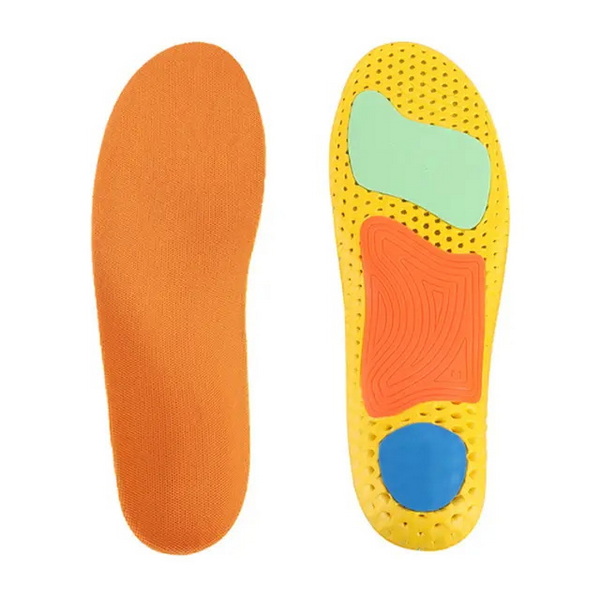
From a sourcing and product development standpoint, the most effective strategies combine local Portuguese strengths with specialized OEM manufacturing. The process can be broken down into four practical steps.
Before comparing suppliers, clarify a few essentials:
- Target application: safety footwear, sports, casual, medical, or orthotic.
- Average daily wear time (for example, 4–6 hours vs 10–12 hours).
- Market positioning: budget, mid-range, or premium comfort.
Use industry directories and networks to identify:
- Component manufacturers specializing in soles and molded parts, which help with integrated outsole–insole solutions.
- Comfort and safety brands that understand local worker expectations and regulatory requirements.
Prioritize partners with relevant segment experience and a solid understanding of regulations in your target markets.
For complex or high-volume insole programs, involving a focused insole OEM brings significant benefits. When engaging such a partner:
- Discuss EVA density, PU foam specifications, gel hardness, and dual-density design early in development.
- Request prototypes designed around actual use scenarios, such as factory or warehouse environments.
- Align on testing methods, including durability tests and comfort trials with representative groups.
To ensure your insole system performs as intended in practice:
- Run multi-week trials with workers or users who stand and walk for extended periods.
- Collect structured feedback on cushioning, support, fit, stability, and odor control.
- Use this data to fine-tune density, geometry, and surface materials together with your OEM and local partners.
To make the content easier to digest for buyers and technical teams, consider adding:
- A clear diagram or chart comparing EVA, PU, PU foam, and gel performance across comfort, durability, and cost.
- Photos or cross-section views of dual-density and hybrid insoles in the technical deep dive section.
- A simple flow graphic outlining the collaboration between a Portuguese brand and 3BU as an OEM partner.
| Material | Comfort (Long Hours) | Durability | Typical Cost Level | Best Use Case |
|---|---|---|---|---|
| EVA | Medium, with a soft initial feel | Low–medium, tends to compress over time | Low | Entry-level safety shoes and casual footwear |
| PU | High, with stable support | Very high, resists deformation | Medium | Heavy-duty work boots and industrial shoes |
| PU foam | Very high cushioning and rebound | High | Medium–high | Premium comfort and long-shift footwear |
| Gel | Very high in targeted zones | Medium | High | Shock-absorbing heel and forefoot zones |
If you are a brand owner, wholesaler, or manufacturer sourcing EVA or hybrid insoles linked to the Portuguese market, a robust approach is to:
- Leverage Portugal's footwear ecosystem for design, branding, and assembly.
- Partner with a specialist OEM like 3BU Technology for high-performance EVA and hybrid insoles engineered for long-hour comfort.
To move forward efficiently, you can:
- Shortlist two to three Portuguese partners for components and assembly.
- Share your specifications, usage scenarios, and market requirements with 3BU Technology to co-develop a tailored insole package.
If you are planning your next footwear project and want a data-informed, comfort-focused insole system that works for EU workers and consumers, this is a good time to contact an OEM like 3BU Technology and coordinate with suitable Portuguese partners for a complete and scalable solution.
Contact us to get more information!
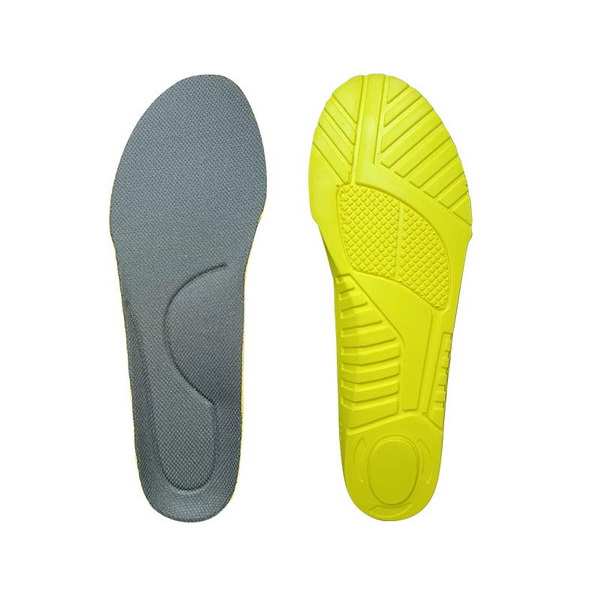
Portugal offers strong footwear design and assembly capabilities close to EU markets, while Asian manufacturers, including Chinese OEMs, concentrate high-volume, specialized insole production with advanced materials and tooling.
Pure EVA is light and economical, but long-hour industrial use often benefits from dual-density or hybrid constructions (EVA with PU foam or gel) to maintain comfort and support throughout the product's life.
Focus on pressure redistribution, heel and arch support, durable cushioning, moisture management, and odor control, and validate these aspects through real-world wear trials with target users.
Request documentation from your suppliers covering relevant regulations, chemical testing, and any additional certifications that support your brand's compliance and sustainability claims.
An OEM such as 3BU Technology offers specialized insole R&D, flexible OEM/ODM services, hybrid material expertise, and economies of scale, enabling Portuguese brands to offer more advanced comfort solutions without building in-house insole factories.
1. Ensun – "Top 24 Shoe Insole Manufacturers in Portugal (2026)" – overview of Portuguese footwear component and insole-related companies. https://ensun.io/search/shoe-insole/portugal
2. Europages – "Soles Portugal | B2B companies and suppliers" – profiles of EVA, TR, TPU sole manufacturers such as ITAFLEX and VAPESOL. https://www.europages.co.uk/companies/portugal/soles.html
3. Insolemaker / 3BU Technology – Company profile and OEM insole capabilities. https://www.insolemaker.com
4. INSITE Insoles – "Different Insole Materials for Footwear" – discussion of foam and insole material properties. https://insiteinsoles.com/product-design/why-insole-materials-matter/
5. NCBI – "Development and evaluation of a dual density insole for people standing for long periods" – study on comfort and plantar pressure during long work shifts. https://pmc.ncbi.nlm.nih.gov/articles/PMC7341629/
6. Aline Insoles – "Best Insoles For Long Hours At Work" – features and comfort considerations for long-hour standing insoles. https://alineinsoles.com
7. Foamwell – "Top 5 EVA Shoe Insole Manufacturers 2022" – examples of high-volume insole producers and EVA applications. https://www.insolefoam.com/top-5-eva-shoe-insole-manufacturers-2022.html


