
Language
Views: 222 Author: Edvo Publish Time: 2025-12-09 Origin: Site


Content Menu
● Understanding Heated Shoe Insoles
● Key Benefits Of Heated Insoles
● Main Types Of Heated Shoe Insoles
● What Makes Heated Insoles “The Best”?
● Popular Features Found In Top Products
● Heated Insoles vs Heated Socks
● How To Choose The Best Heated Insoles For You
● Typical Applications For Heated Insoles
● Care, Maintenance, And Safety
● Comfort And Ergonomic Design
● Battery Technology And Runtime Management
● Smart Control And Connectivity
● Materials, Durability, And Environmental Resistance
● Sustainability And Product Lifecycle
● How A Professional OEM Factory Can Help Your Brand
● FAQ
>> 1. Are heated insoles safe to wear all day?
>> 2. Can heated insoles get wet from snow or sweat?
>> 3. Do heated insoles work with ski or snowboard boots?
>> 4. How long do rechargeable heated insoles usually last per charge?
>> 5. What should be considered when ordering heated insoles from an OEM manufacturer?
Heated insoles are one of the most effective ways to keep feet warm and comfortable during cold seasons, especially for outdoor workers, winter sports lovers, and people with poor circulation. The best options combine even heat distribution, good arch support, reliable batteries, and a slim profile that fits easily into different footwear.
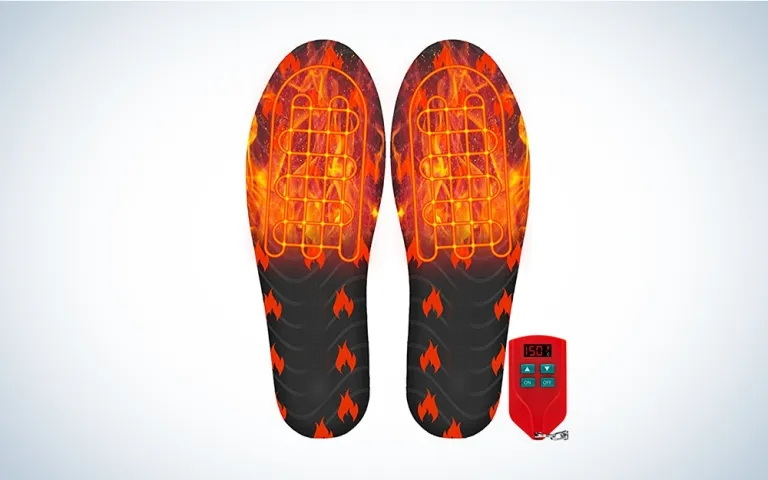
Heated insoles are removable footbeds that integrate a small heating system and a power source to gently warm the bottom of the foot. They sit inside everyday shoes, boots, or sports footwear and are designed to improve comfort without significantly changing the fit.
Modern heated insoles embed fine heating elements under the forefoot or across the full length of the insole to distribute warmth evenly. Many premium models pair with compact rechargeable batteries and sometimes a remote or app so users can adjust the temperature while wearing their shoes.
Heated insoles keep feet warm in low temperatures, which helps reduce numbness and discomfort during long days outside. Consistent warmth can also support better blood circulation in the feet, which is especially useful for people who suffer from chronically cold extremities.
By maintaining a more stable foot temperature, users can stay active longer in winter sports, outdoor work, or daily commuting. In addition, quality insoles add cushioning and arch support, improving overall comfort inside work boots, ski boots, and casual shoes.
Heated insoles generally include two core elements: the insole body that contains the heating system and the compact battery that supplies power. The heating elements convert electrical energy into gentle, evenly distributed warmth beneath the foot.
The battery is usually rechargeable and can be either integrated inside the insole or attached externally on the footwear via small cables. Users can switch between different heat levels using a button on the battery, a handheld remote, or a mobile application, depending on product design.
There are several common categories of heated insoles, each designed for slightly different needs and budgets.
- Rechargeable insoles with built-in batteries
- Rechargeable systems with external battery packs and cables
- Simple warmers that rely on air-activated chemistry
- Smart app-controlled insoles with advanced features
Rechargeable battery insoles are popular for daily use because they offer a good balance between convenience and long-term cost. Simple warmers are easy to use and budget-friendly, while smart models focus on premium user experience and performance tracking.
The best heated shoe insoles focus on comfort, warmth, stability, and breathability so feet remain dry and supported as well as warm. High-performing insoles use long-lasting batteries, thin heating elements, and ergonomic shapes that fit the natural contour of the foot.
Users should be able to trim some models to fit different shoe sizes without damaging the heating system, which makes stocking and selection easier. Premium designs also use materials that resist odors and moisture while preserving cushioning across a full day of walking or standing.
Many leading heated insoles combine multiple temperature settings so users can adapt warmth to changing conditions. Quick warm-up times and long operating duration per charge are now common in top-tier models for skiers, hikers, and outdoor workers.
Some products provide wireless or app-based control, allowing users to change settings without removing footwear or bending down. Advanced designs may also offer innovative charging methods that reduce exposed contacts and simplify daily use.
Both heated insoles and heated socks are used to solve cold-foot problems, but they approach the challenge differently. Heated socks warm the foot from the fabric surrounding it, while insoles focus warmth from the bottom up inside existing footwear.
Heated insoles allow users to keep wearing their preferred winter or performance socks while adding warmth inside the boot. Once installed and trimmed, insoles usually stay in a specific pair of boots, which many skiers and workers find convenient for regular use.
When selecting heated insoles, buyers should first define where and how they will use them. Commuting, construction work, hunting, and skiing each impose different demands.
For long days on the move, lightweight and thin designs that preserve boot volume and prevent pressure points are especially important. Heat duration and control options also matter, since some batteries emphasize maximum runtime while others focus on higher peak warmth. People in wet or snowy environments should prioritize water-resistant materials and well-protected electronics to maintain safety and durability.
- Confirm that the insole length and shape match target footwear and can be trimmed safely if needed.
- Check estimated runtime across temperature levels to match typical use periods such as work shifts or ski sessions.
- Look for breathable top fabrics and supportive midsoles to maintain comfort and reduce foot fatigue.
- Review control options such as on-device switch, remote, or app for convenience in cold, gloved conditions.
- Consider environmental conditions and choose water-resistant or weatherproof designs when exposure to snow or slush is likely.
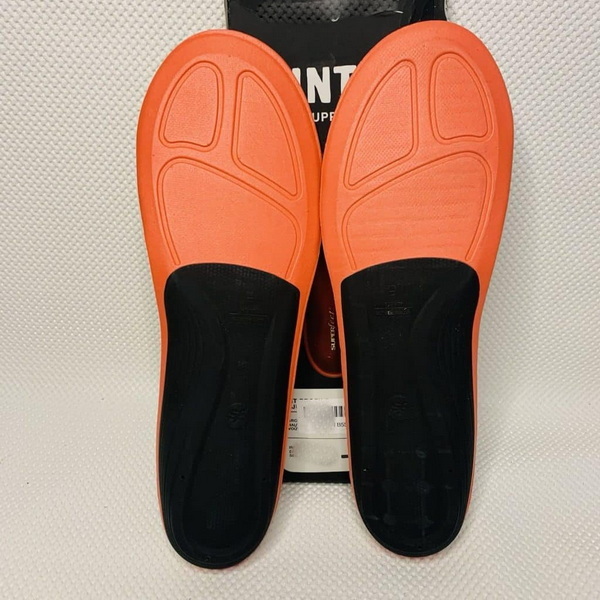
Heated insoles are widely used by skiers and snowboarders who spend long days on cold slopes and want to protect toes from numbness. They are also common among hikers and hunters who stand still for long periods and need consistent warmth without changing footwear style.
Outdoor workers in logistics, construction, or agriculture use heated insoles to reduce cold stress and maintain productivity during winter. Urban commuters, cyclists, and people with circulation issues often rely on them for daily comfort in cold climates.
To keep heated insoles performing well, users should follow the manufacturer's charging and storage guidelines and avoid over-bending the insole near the heating elements. Regularly drying the insoles after exposure to moisture and keeping the charging contacts clean will help extend service life.
Safety depends on using certified batteries, avoiding modification of the electronics, and monitoring skin comfort to prevent excessive localized heat. When not in use for long periods, batteries should be stored with moderate charge in a cool, dry place to slow down aging.
Beyond warmth, comfort and ergonomics determine whether heated insoles truly feel like part of the shoe. A good heated insole follows the natural arch and heel shape so that body weight is distributed across the whole foot instead of concentrated on pressure points.
Cushioning layers should be resilient enough to absorb impact but not so thick that they make footwear feel tight or unstable. For heavy-duty work boots or ski boots, additional heel support and a firm midfoot area can help control pronation and keep the body aligned during walking or riding.
The surface fabric should feel smooth against socks to reduce friction and minimize the risk of blisters. Breathable textiles and moisture-wicking top covers help pull sweat away from the skin, which improves thermal comfort and reduces odor.
Battery quality is one of the most important factors behind a good heated insole. Many modern systems rely on rechargeable lithium-based packs that offer a strong balance between capacity, weight, and size.
Heat output and runtime are closely linked. Higher temperature levels consume more energy and shorten the total active period of the insole. Users who need long operation in very cold weather often benefit from starting with a medium setting to preserve power, then increasing warmth during rest periods or in extreme conditions.
Some setups allow users to carry spare battery packs that can be swapped during the day. This is especially useful for professional workers, hunters, and ski instructors who spend extended time outdoors. Simple charging habits, such as recharging batteries after each day of use, help maintain performance and avoid being left without warmth.
Smart heated insoles with wireless control add a new layer of convenience. Instead of reaching into a boot or pant leg to press a small button, users can adjust heat levels using a handheld remote or mobile application.
App-controlled systems sometimes allow individual control of each foot, which can be helpful when one foot typically feels colder than the other. Some platforms let users set presets, such as a mild commute mode, a powerful warm-up mode, or an energy-saving workday mode.
Connectivity also supports basic diagnostic information. Certain designs show remaining battery level, current temperature setting, or even simple usage time. These details help users avoid running out of power at critical moments and make it easier to plan charging cycles.
The materials used in heated insoles must balance comfort with durability. Foam layers that provide cushioning need to resist compression over time, particularly for users who wear safety boots or heavy outdoor footwear every day.
The top surface is usually made from fabric that resists abrasion from socks while maintaining softness. An effective insole resists pilling and tearing even when used in rugged boots that flex repeatedly. Anti-microbial treatments can further help keep the interior of the shoe fresh by slowing the growth of odor-causing organisms.
Environmental resistance is equally important. Electronics and heating elements must be insulated from moisture that can enter from melted snow, slush, or sweat. High-quality products often seal their components in waterproof or highly water-resistant structures while still allowing the insole to remain somewhat breathable.
Proper fit is crucial for both comfort and safety. Many heated insoles are offered in size ranges that can be trimmed along printed guidelines, allowing users to match their exact shoe size. Trimming should always be done carefully and only in designated zones to avoid damaging the internal heating structure.
The insole should lie flat inside the shoe without folding, curling, or bunching up. Any irregularity in fit may create hot spots or pressure points that become uncomfortable during use. For tightly fitted performance footwear, such as ski boots, it may be necessary to remove the original insole and test the volume with the heated version before trimming.
Brands that offer OEM customization can provide pre-shaped insoles tailored to specific boot models or target markets. This eliminates guesswork for end users and ensures a snug, precise fit that supports both warmth and performance.
As heated insoles become more popular, sustainability considerations grow in importance. Buyers and brands increasingly look for longer product lifecycles, which reduce waste and improve value.
Extended durability, replaceable battery packs, and robust materials all help reduce the frequency of replacement. Careful design can make it easier to repair or refurbish components instead of discarding entire products. Packaging choices and logistics planning can further lower environmental impact for brands that distribute large volumes of heated insoles.
When products reach the end of their life, clear guidance about appropriate disposal or recycling of batteries and electronic parts helps users behave responsibly. Manufacturers that plan for this stage protect both their customers and the environment, while building a stronger brand reputation.
For brands and distributors, working with an experienced insole manufacturer makes it easier to bring tailored heated insole solutions to market. A specialized factory can develop custom shapes, cushioning levels, and heating layouts to match specific footwear categories and performance targets.
OEM partners can integrate private labeling, branded packaging, and certification support so foreign brands, wholesalers, and producers can quickly offer their own heated insole lines with reliable quality. This approach reduces development risk, shortens lead times, and delivers warm, comfortable products that meet regional market needs in winter, outdoor, and workwear segments.
A capable factory can also support sample development, joint testing projects, and iterative improvement based on feedback from local distributors. Over time, this partnership allows brands to refine thickness, support, material selection, and control modes so that each generation of product performs better than the last.
The best heated shoe insoles are those that combine comfortable support, reliable warmth, and user-friendly controls in a slim design that fits naturally into everyday footwear. By paying attention to heating coverage, runtime, materials, sizing, and control options, both individual users and brand buyers can select or develop solutions that keep feet warm, dry, and supported across demanding winter conditions. With the help of a professional OEM insole factory, brands can quickly launch customized heated insole lines that stand out in the market and deliver lasting comfort to their customers.
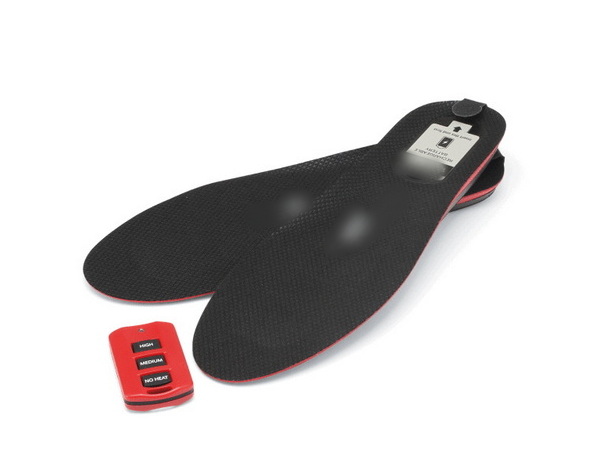
Quality heated insoles are designed to operate at comfortable temperature ranges and include insulation layers that protect the skin from direct contact with heating elements. As long as users follow instructions, avoid damage to the insole, and choose appropriate heat levels, continuous wear is generally acceptable for most people.
Many modern heated insoles use water-resistant fabrics and sealed electronics to handle normal moisture from snow and perspiration inside footwear. They are not usually meant for full immersion, so users should dry footwear thoroughly after use and avoid soaking the insoles directly in water.
Numerous heated insole systems are specifically designed for ski and snowboard boots, offering thin profiles and compatibility with compact battery packs. These products focus on targeted heating near the toes while preserving the boot's fit and performance on the slopes.
Runtime depends on battery capacity and selected heat level, but many rechargeable models are designed to operate for several hours at moderate settings. Users who frequently choose the highest level will see shorter sessions, while those using lower levels often cover a full work shift or ski day with occasional adjustments.
When sourcing from an OEM factory, brands should review available materials, heating technologies, battery options, and certification support to match target markets. It is also important to confirm size ranges, trimming guidelines, packaging requirements, and testing standards for performance, durability, and safety.


