


Content Menu
● Why Nike Uses Foam Insole Technology
● Major Foam Technologies in Nike Footwear
>> Crater Foam
● Popular Nike Shoes Featuring Foam Insoles
>> Lifestyle and Everyday Wear
>> Basketball and Court Sports Shoes
● Key Benefits of Foam Insoles in Nike Footwear
>> 1. Superior Cushioning and Shock Absorption
>> 2. Energy Return for Performance
>> 5. Thermal and Odor Regulation
● Foam Insoles Compared to Traditional Insoles
● Manufacturing Insights: OEM Foam Insole Production
● How Foam Technologies Influence Consumer Experience
● Maintenance and Care for Foam Insoles
● How Consumers Can Identify Foam-Equipped Nike Shoes
● The Future of Foam Insole Innovation
● FAQ
>> 1. What types of foam insole materials does Nike use?
>> 2. Do all Nike shoes come with foam insoles?
>> 3. Can foam insoles be washed or replaced?
>> 4. Are OEM foam insoles as comfortable as branded versions?
>> 5. What is the main advantage of foam insoles over standard insoles?
When it comes to athletic comfort and modern shoe design, few names stand as tall as Nike. The brand has transformed global footwear standards with its continuous pursuit of softness, stability, and energy-efficient technologies. Among Nike's innovations, foam insoles play a crucial role in enhancing comfort and performance, making them a defining feature of many Nike models.
This article will break down which Nike shoes feature foam insoles, the technology behind them, and how these cushioning systems improve user experience. We will also explore foam types, their advantages compared to traditional materials, and what this means for OEM insole manufacturers who supply international footwear brands.
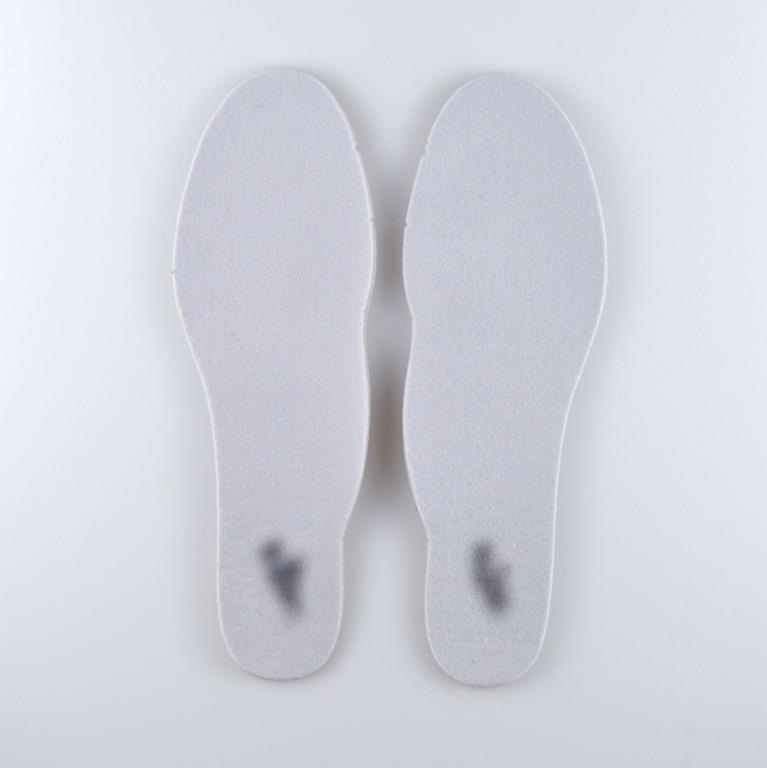
Foam insoles are more than just footbeds — they are engineered layers of cushioning that directly influence stability, posture, and comfort. Made from advanced polymers such as EVA, PU, and memory foam, they provide pressure relief, shock absorption, and an adaptive fit that conforms to the user's unique footprint over time.
Nike has long recognized that athletes and casual users alike seek superior comfort and resilience from their shoes. Foam insoles serve as both a functional cushioning system and a design feature that enhances perceived quality and value. The result is footwear that feels lightweight yet supportive, capable of enduring thousands of steps without deteriorating.
Innovation lies at the heart of Nike's identity. Every foam insole represents years of material experimentation and user feedback. So, why does Nike continue to invest heavily in foam materials rather than simpler textile liners?
- Performance and speed: Foam insoles amplify energy return and responsive cushioning, enabling athletes to move efficiently.
- All-day comfort: Lifestyle users and workers benefit from the plush softness that prevents fatigue during extended wear.
- Biomechanical support: Different foam densities target specific motion patterns, balancing flexibility and control.
- Sustainability: New eco-foams help Nike achieve its “Move to Zero” initiative, reducing carbon footprints and material waste.
- Market differentiation: Consumers associate Nike's foam systems with luxury-grade comfort and innovation, reinforcing brand loyalty.
From marathon runners to everyday fitness enthusiasts, these benefits illustrate how foam insoles contribute to making Nike footwear universally appealing.
Nike doesn't rely on a single type of foam material. Instead, the company tailors its foam compounds to align with sport-specific demands and consumer lifestyles. Below are the most notable types used across Nike's iconic collections.
The Air line remains Nike's most recognizable innovation. While the encapsulated air cushioning steals the spotlight, it's the surrounding foam midsole that provides the necessary support structure. This foam layer absorbs shock, stabilizes movement, and works seamlessly with the pressurized air unit for balanced comfort. Classic models like Air Max 90, Air Force 1, and Air Max 270 demonstrate how air and foam interact to create a legendary underfoot feel.
React Foam is prized for its softness, elasticity, and long-lasting performance. It was engineered from a proprietary TPE (thermoplastic elastomer) blend, balancing bounce and durability. Runners describe it as both plush and energetic — perfect for repetitive motion and endurance. Popular React models include:
- Nike Epic React Flyknit
- Nike React Infinity Run
- Nike React Vision
- Nike Renew Ride
React cushioning is also frequently used in training shoes for people seeking smooth transitions and reliable flexibility.
ZoomX Foam redefines energy return, engineered from Pebax-based material renowned for its ultra-light weight and impressive rebound. Originally developed for elite marathon runners, it offers maximum propulsion with minimum stress on joints. Models like Vaporfly NEXT% and Alphafly NEXT% feature full-length ZoomX foam insoles that provide a spring-like response underfoot. For daily trainers, ZoomX delivers a premium experience unmatched in the running shoe market.
Cushlon and Phylon represent long-standing technologies that contribute to Nike's reputation for consistent cushioning. Phylon is a compression-molded EVA foam delivering firmness and strength, while Cushlon offers a softer, more responsive variant. Shoes like Nike Pegasus, Nike Air Zoom Structure, and Nike Zoom Winflo integrate Cushlon for smoother transitions and everyday comfort. Their versatility makes them staples in running and basketball lines alike.
Crater Foam embodies Nike's sustainability journey. Made from recycled foam chips and rubber grains, this composition yields durability and comfort without sacrificing eco-principles. Featured in collections such as Nike Crater Impact and Space Hippie, this foam symbolizes the fusion of environmental responsibility and material innovation.
Nike's use of foam insoles spans nearly every product category, from performance sneakers to casual streetwear. Below are the core examples that define its versatility.
- Nike ZoomX Vaporfly NEXT% 2: Lightweight ZoomX foam for maximum return with minimal effort.
- Nike React Infinity Run Flyknit 3: React foam combined with a supportive platform to prevent injuries.
- Nike Invincible Run Flyknit: Full ZoomX midsole for plush comfort ideal for recovery days.
- Nike Pegasus 41: Merges React foam with Air cushioning for balanced responsiveness.
These running models highlight Nike's continuous refinement of foam layering to match performance metrics.
- Nike Air Max 270: Dual-density foam support pairs with a visible Air heel for all-day comfort.
- Nike Air Force 1: Traditional foam midsole ensures stability and a signature soft ride.
- Nike Crater Impact: Eco-friendly Crater Foam complements contemporary street style.
- Nike Renew Run: Uses Renew foam, a recycled compound designed for durability and spring.
In lifestyle footwear, foam insoles enhance comfort during walking, travel, and daily chores without compromising on aesthetics.
- Nike LeBron 21: Equipped with Cushlon foam and dual Zoom units for explosive takeoffs.
- Nike KD 17: Lightweight Phylon base ensures shock absorption for agile responses.
- Nike Giannis Immortality: Combines molded foam insoles with stable midsoles for speed and grip control.
Basketball athletes benefit from foam's shock-reducing ability, preventing injuries and supporting repetitive impacts.

Foam insoles create a protective layer between the body and the ground. They absorb repetitive impact forces and reduce foot strain, particularly during long training sessions.
In materials like React and ZoomX, Nike leverages foam's elasticity to return energy back into each stride, translating to faster acceleration and reduced fatigue.
Foam naturally contours to the arch, promoting better posture and even weight distribution, which is essential for reducing knee and ankle pain.
Foam's closed-cell or hybrid structures give strength while keeping shoes light. This balance is crucial for athletes who rely on agility and minimal drag.
Advanced open-cell foam structures allow air circulation, reducing sweating and odor buildup. This provides a fresher wearing experience during extended use.
| Feature | Foam Insoles | Conventional Insoles |
|---|---|---|
| Cushioning | Dynamic and responsive | Limited comfort |
| Durability | Long-lasting and resilient | Quickly compressed |
| Support | Adapts to foot contour | Minimal adaptability |
| Weight | Lightweight and flexible | Often heavier or rigid |
| Cost | Premium-grade | Lower material expense |
This table illustrates why foam technologies dominate high-end sportswear and why consumers consistently associate Nike with top-tier comfort.
For OEM manufacturers supplying international footwear brands, creating insoles that rival Nike's performance requires precision and innovation. The process involves multiple technical steps, from polymer selection to molding and density calibration.
Professionally engineered insoles can include EVA, memory foam, PU, or latex foam, depending on the performance goal. EVA offers lightweight shock absorption, PU provides heavier cushioning, while memory foam gives personalized comfort.
Through CNC cutting, injection molding, or thermoforming, manufacturers create insoles shaped to different shoe categories — running, casual, or industrial use.
Top fabric layers such as mesh or antimicrobial textiles can be laminated onto foam bases. This enhances both hygiene and aesthetics while preventing slippage inside the shoe.
OEM factories often offer foam density customization, allowing clients to specify compression ratios suitable for heavy-duty or lightweight footwear.
As a leading Chinese insole manufacturer, we provide comprehensive OEM and ODM services, ensuring that exported products match global standards in comfort, consistency, and durability. Foam insoles can be standardized for mass production or custom-tailored for brand-specific needs.
The insole may seem invisible, yet it dramatically shapes how a shoe feels and performs. Foam materials influence buyer retention in several measurable ways:
- First impression comfort: Shoppers often judge a shoe the moment they step in. A well-engineered foam insole creates immediate satisfaction.
- Prolonged usability: Foam designs delay fatigue, encouraging longer wearing periods and repeat purchases.
- Heat and odor control: Breathable foam choices keep shoes fresher for longer use cycles.
- Brand trust: Since Nike's foam comfort is recognizable globally, brands that emulate such quality build credibility faster in export markets.
The lesson for private-label footwear owners is clear: investing in foam technology is not just about comfort — it's a business advantage.
Because foam is a performance material, proper care is essential to maintain its longevity.
1. Regular airing: After wearing, remove the insoles to release moisture and prevent bacterial buildup.
2. Gentle cleaning: Use mild soap and water by hand — never machine wash.
3. Sun protection: Avoid direct heat exposure, as foam may warp under high temperatures.
4. Timely replacement: Replace insoles when they lose resilience or appear permanently compressed.
5. Odor management: Sprinkle baking soda or use sterilizing sprays to maintain freshness.
Following these care habits preserves the foam's structure and keeps the shoes feeling fresh and supportive.
Not every shoe directly advertises its insole type, but there are some easy ways to identify foam-equipped models:
- Check product descriptions; keywords like “React,” “ZoomX,” or “Cushlon” indicate foam integration.
- Feel the insole — foam typically feels springy and compresses slightly under hand pressure.
- Observe weight and flexibility; foam-equipped designs often feel balanced and bouncy.
- For lifestyle sneakers, check certification tags that mention sustainable foams or recycled compounds.
Understanding these clues helps consumers select models offering genuine comfort and energy efficiency.
As footwear technology continues evolving, future trends will likely focus on smart foams and eco-driven materials. Researchers are developing insoles that self-adjust to pressure intensity or foot shape, offering dynamic support powered by advanced polymers. Sustainable innovation will also grow, with more brands adopting biodegradable foams or recyclable components.
For manufacturers, such progress presents exciting opportunities. OEM partnerships focusing on performance foam materials will define the next decade of footwear quality. Brands that invest early in such innovations will undoubtedly capture environmentally conscious and comfort-seeking markets alike.
Foam insoles are one of Nike's most transformative innovations, redefining footwear comfort and performance for athletes and everyday users. Whether it's the soft elasticity of React, the spring-loaded propulsion of ZoomX, or the eco-conscious engineering of Crater Foam, these materials illustrate Nike's ability to merge technology, comfort, and sustainability.
For footwear distributors and brand owners worldwide, understanding and utilizing foam insole technology is key to meeting modern consumer standards. As a leading Chinese OEM insole manufacturer, we provide advanced foam solutions suitable for running, training, and lifestyle applications — offering the same cushioning, support, and longevity that global brands value most.
Foam technology is not simply a trend; it's the foundation of the future of footwear.

Nike utilizes React, ZoomX, Cushlon, Phylon, and Crater foams across its product range, each designed for specific performance needs.
Most Nike shoes, especially running and lifestyle models, include foam-based cushioning systems, though some specialized shoes use alternative composite linings.
Yes. Foam insoles can be gently hand-washed and replaced periodically to maintain hygiene and cushioning quality.
With advanced production technology, professional OEM suppliers can achieve comfort and density levels comparable to major brands, ensuring consistent softness and rebound.
Foam insoles provide superior cushioning, better energy return, and longer-lasting support, improving both athletic performance and everyday comfort.


