
Language
Views: 222 Author: Amanda Publish Time: 2025-09-05 Origin: Site


Content Menu
● Understanding Arch Support Insoles
● The Benefits of Arch Support Insoles
>> Pain Relief and Enhanced Comfort
>> Improved Foot Alignment and Stability
>> Prevention of Footwear Wear and Tear
● When Can Arch Support Insoles Be Bad?
>> Discomfort During Adjustment Period
>> Incorrect Fit and Overcorrection
>> Unsuitability for Certain Individuals
>> Quality and Cost Considerations
● Choosing the Right Arch Support Insole
>> Consider Materials and Design
>> Trial and Patient Adjustment
● How Arch Insole Manufacturers Support Global Brands
● Using Arch Insoles Correctly for Best Results
>> Complementary Foot Exercises
● Managing Common Concerns about Arch Insoles
● Frequently Asked Questions (FAQs)
>> 1. Are arch support insoles suitable for everyone?
>> 2. How long does it take to get used to arch insoles?
>> 3. Can arch insoles improve athletic performance?
>> 4. How do I know if my arch insoles are too high?
>> 5. What materials are best for arch insoles?
Arch support insoles have become an essential accessory for many people seeking to improve foot comfort, reduce pain, and enhance overall foot health. As a leading manufacturer specializing in arch insoles, providing OEM services for international brands, this article delves deeply into the topic, answering a critical question: Are arch support insoles bad? The article covers how arch insoles work, their numerous benefits, potential drawbacks, and how to choose and use them properly. The aim is to provide a thorough understanding while promoting informed decisions whether you are a consumer or a business partner.

Arch support insoles are designed to fit inside shoes and support the foot's arch—the curve between the heel and ball of the foot. This support helps maintain proper alignment and distribution of body weight, reducing excessive strain on the feet. Arch insoles come in various designs and materials including foam, gel, EVA, and memory foam, and can be either off-the-shelf or custom-made.
The function of arch insoles goes beyond comfort; they aim to improve biomechanics, mitigating foot problems caused by flat feet, high arches, or overpronation (excessive inward foot roll). Many people use arch insoles to help prevent or manage conditions like plantar fasciitis, heel spurs, and general foot fatigue.
Arch insoles can provide notable relief from foot conditions linked to poor arch support. By supporting the arch, these insoles reduce pressure on the plantar fascia—a thick band of tissue on the sole—easing inflammation and pain. This is especially beneficial for those with plantar fasciitis, a common cause of heel pain.
Proper arch support helps position the foot and ankle correctly during movement. This improved alignment can correct issues such as overpronation or supination, which can lead to foot, knee, or hip pain if left unmanaged. By supporting the arch, insoles help with stability and balance, which is particularly useful for athletes or those engaged in regular physical activity.
Many arch insoles incorporate shock-absorbing materials like gel or foam, which cushion the foot during activities like walking, running, or standing for extended periods. This cushioning protects joints and muscles along the kinetic chain from the repetitive impact, reducing fatigue and soreness.
Wearing arch insoles helps correct gait and foot posture, preventing uneven wear patterns on shoes. This not only extends the life of footwear but also ensures consistent support and comfort.
Though arch insoles offer numerous benefits, they are not without potential pitfalls if used improperly.
It's common to feel discomfort or mild pain when first using arch insoles as the feet and muscles adapt to new support structures. This adjustment period can last from several days to a couple of weeks. During this time, some soreness or tightness might be felt due to changes in foot biomechanics.
Arch insoles that are too rigid, thick, or have an arch height mismatched with the wearer's foot can create pressure points and pain. Overcorrecting the arch may cause problems in foot alignment, leading to muscle fatigue or joint pain in the knees, hips, or lower back.
Not everyone benefits from arch insoles. For people with normal or high arches without pain, adding arch insoles might interfere with natural foot movement, causing discomfort. Without proper evaluation, using arch insoles unnecessarily might lead to more harm than good.
Because arch insoles add volume inside the shoe, they may make the shoes feel tighter or reduce room, especially problematic in narrow or snug footwear. This can affect the fit and overall comfort unless shoe size or style is adjusted accordingly.
There is a wide range of arch insoles available on the market. Low-quality or generic arch insoles might wear out quickly or fail to provide adequate support. Conversely, custom orthotics and high-grade arch insoles often come at a higher cost. Selecting the right insole requires balancing quality, cost, and individual foot needs.
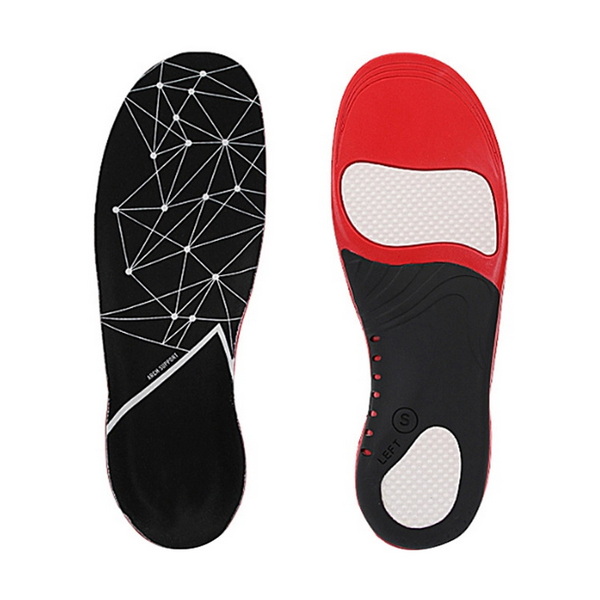
Knowing your foot type—whether low, medium, or high arch—is essential before selecting an arch insole. This can be assessed via a footprint test or professional podiatric evaluation. Flat feet may require firmer support while high arches often benefit from cushioned insoles with moderate arch height.
Consulting a podiatrist or foot care specialist ensures you receive recommendations suited specifically to your foot biomechanics. Custom-made arch insoles, although more expensive, may provide superior comfort and efficacy, especially for complex foot conditions.
Choose arch insoles crafted from durable materials that maintain shape and support. Common materials include EVA foam for shock absorption, gel inserts for targeted cushioning, and memory foam for comfort. The balance of firmness and flexibility is key.
Allow your feet time to adapt. Start by wearing arch insoles for short durations before gradually increasing usage. If pain or discomfort persists beyond a reasonable adaptation period, reassessment or replacement may be necessary.
China has become a major hub for manufacturing arch insoles thanks to technological advances and quality production capabilities. As a professional OEM arch insole manufacturer, the factory offers customized designs, materials, and packaging services for global brand clients. Processes include material selection, molding, durability testing, and compliance with international standards.
The collaboration between manufacturers and brands ensures products meet diverse market needs—helping wholesalers, retailers, and producers offer superior arch insoles that stand out in the competitive market.
Pair arch insoles with shoes that have adequate interior space to accommodate them. Shoes designed for orthotic support or with removable insoles allow easy fitting and better comfort.
Introduce arch insoles progressively into daily wear to minimize fatigue and discomfort. This approach helps muscles and ligaments adapt, reducing the risk of injury.
Insoles support the arch but do not replace the need for foot strengthening exercises. Activities such as toe curls, calf stretches, and balance work improve foot function and complement arch support.
- Do Arch Support Insoles Weaken Feet?
Proper use combined with foot-strengthening exercises prevents muscle weakening. Over-reliance without movement can risk muscle atrophy.
- How Long Should Arch Insoles Be Worn Daily?
Start with 1-2 hours per day, increasing to full-day use as comfort improves.
- When to Replace Arch Insoles?
Replacement is generally every 6 to 12 months, depending on wear and material degradation.
- Can Arch Insoles Improve Athletic Performance?
Yes, by optimizing foot alignment and reducing injury risk, they can aid runners, hikers, and athletes.
- Do All Arch Insoles Fit All Shoes?
No, fit varies with shoe design and size; proper fitting is crucial.
Arch support insoles are highly beneficial for many individuals with foot pain, alignment issues, or those seeking enhanced comfort and stability. They can help alleviate pain, improve biomechanics, and protect joints. However, improperly selected or poorly fitted arch insoles may cause discomfort or worsen problems. It is critical to choose arch insoles based on individual foot types and professional recommendations. OEM arch insole manufacturing plays a vital role in delivering quality, customized products to the global market, ensuring customers and brands alike receive the best solutions.
No, arch support insoles are most beneficial for individuals with flat feet, plantar fasciitis, or biomechanical issues. People with normal arches who do not experience pain might not need them and may find them uncomfortable.
The adjustment period can range from a few days to two weeks. Initially, mild soreness or discomfort is common as the foot adapts to new support.
Yes, by providing better foot stability, reducing overpronation, and cushioning impacts, arch insoles can enhance performance and reduce injury risks in athletes.
Symptoms of insoles being too high include persistent pain, pressure on the arch, or a feeling of digging into the foot. If discomfort lasts beyond the adjustment period, reconsider the fit or seek professional advice.
EVA foam, polyurethane, memory foam, and gel are frequently used materials. The ideal arch insole balances firm support with cushioning, tailored to individual needs.
[1](https://www.upstep.com/a/answers/pain-management/why-do-arch-supports-hurt-my-flat-feet-and-how-to-relieve-the-pain)
[2](https://www.aideastep.com/the-advantages-and-disadvantages-of-arch-supported-insoles/)
[3](https://footmasterinsole.com)
[4](https://runrepeat.com/arch-support-study)
[5](https://my.clevelandclinic.org/health/treatments/orthotics)
[6](https://www.aideastep.com/flat-feet-support-insoles-manufacturer-abc-certified-oem-services-for-clinics-brands/)
[7](https://cfac.net/2022/04/08/what-happens-if-you-have-too-much-arch-support/)
[8](https://www.bannerhealth.com/healthcareblog/better-me/are-over-the-counter-insoles-a-waste-or-worth-it)
[9](https://www.insolefactory.com/arch-support-insoles/)
[10](https://treadlabs.com/blogs/insoles-reach-your-stride/debunking-myths-are-insoles-bad-for-your-feet)
[11](https://www.overlookboots.com/blogs/boots/importance-of-arch-support-in-your-shoes)
[12](https://www.superfeet.com)
[13](https://www.stepforward.com/articles/135-do-arch-supports-work)
[14](https://www.alimed.com/blogs/footwear-insoles-and-inserts/the-importance-of-arch-support-insoles-for-foot-health)
[15](https://www.suscong.com/silicone-insole-with-medial-arch-support/)
[16](https://www.reddit.com/r/explainlikeimfive/comments/vap20a/eli5_are_arch_support_shoes_good_or_bad/)
[17](https://www.forminsoles.com)
[18](https://squatuniversity.com/2022/03/12/should-you-wear-arch-support-the-truth-behind-orthotics/)
[19](https://www.insolefactory.com/firm-arch-support-insoles/)
[20](https://www.youtube.com/watch?v=8--3zzpZNiA)


