
Language
Views: 222 Author: Edvo Publish Time: 2026-03-03 Origin: Site


Content Menu
● Understanding the European Insole Market Landscape
● Why Europe Excels in Insole Manufacturing
>> Key Advantages of European Insole Production
● Leading Shoe Insole Manufacturers And Suppliers in Europe
>> 5. OrthoLite (European Division)
>> 6. Pedag International (Germany)
● Expanding Horizons: OEM and Private Label Partnerships
● Innovation Trends Driving the European Insole Industry
>> Current Innovations Reshaping the Market
● How to Choose the Right Supplier for Your Brand
● Market Outlook and Future Evolution
● FAQ – About Shoe Insole Manufacturers And Suppliers
>> 1. What types of insoles do European manufacturers specialize in?
>> 2. Can I request custom insole materials or branded packaging?
>> 3. How can I ensure product quality before mass production?
>> 4. Are European insoles sustainable?
>> 5. What is the typical lead time for OEM orders?
Europe stands at the forefront of the global footwear accessory industry, with a robust ecosystem of Shoe Insole Manufacturers And Suppliers leading innovation in comfort, ergonomics, and sustainability. Whether for sports performance, orthopedic correction, or everyday wear, European insole producers set high benchmarks for material science and design precision.
For international buyers—especially footwear brands, distributors, and OEM clients—Europe represents reliability, premium craftsmanship, and consistency in production standards. This article explores the most recognized Shoe Insole Manufacturers And Suppliers in Europe, the technologies shaping the industry, and how global brands can establish successful OEM partnerships.

The European insole market has evolved from being a niche accessory segment to a specialized industry that supports health, sports, and lifestyle applications. Modern consumers no longer view insoles as optional add-ons but as essential elements enhancing comfort, posture, and injury prevention.
The demand for insoles in Europe continues to rise owing to the following drivers:
- Growing awareness of foot health and orthopedic well-being.
- Expansion of the athletic shoe market and casual footwear trends.
- Aging populations seeking additional comfort and foot support.
- Strict European Union sustainability and material safety regulations.
Within this context, Shoe Insole Manufacturers And Suppliers are not лише producing inserts—they're creating technological solutions that blend biomechanics with sustainability.
Europe's legacy in shoemaking—spanning centuries—naturally extends to high-performance insole production. What sets Europe apart is not only tradition but also adaptation: modern insole manufacturers integrate medical expertise, digital modeling, and eco-design principles into their product development cycles.
- Advanced Ergonomic Design: Many companies collaborate with orthopedic specialists and sports scientists to develop insoles that promote balance, correct posture, and improve gait efficiency.
- Material Durability and Innovation: Polyurethane, EVA, latex foam, gel, and natural cork are engineered to achieve precise elasticity and cushioning levels.
- Eco-Friendly Standards: With initiatives aligned to REACH, ISO 9001, and global recycling goals, European suppliers prioritize sustainable materials and low-impact production methods.
- OEM and Private Label Expertise: Factories across Germany, Italy, Poland, and France offer both OEM (Original Equipment Manufacturing) and ODM (Original Design Manufacturing) services, supporting global footwear brands in custom product branding and bulk production.
For global footwear companies, these features mean dependable supply chains backed by ethical compliance and technical excellence.
Below are some of the most influential and reputable Shoe Insole Manufacturers And Suppliers shaping the industry's current and future landscape.
Sidas has been a market pioneer since 1975, specializing in custom-fit insoles made through advanced thermoforming and 3D foot scanning. Recognized globally, Sidas collaborates with sports professionals, orthopedic experts, and footwear companies across over 50 countries.
Core Strengths:
- Precision customization for retail, medical, and sports performance.
- Environmentally responsible materials and production.
- Strong OEM capabilities with flexible design services.
Bauerfeind is among Europe's most medically trusted names, producing orthopedic and diabetic insoles with clinical precision. Their research-backed designs focus on pressure distribution, arch stabilization, and postural correction.
Key Advantages:
- Strict medical-grade quality control.
- In-depth product testing validated by healthcare institutions.
- Long-term partnership with healthcare footwear brands.
VIONIC blends fashion aesthetics with podiatric science, offering insoles that merge comfort and visual appeal. Their OEM services are ideal for brand owners seeking to integrate foot health principles into lifestyle footwear lines.
Special Features:
- Patented orthotic arch technology.
- OEM collaboration for branded comfort footwear.
- Distribution in more than 25 countries across Europe and North America.
With over a century in footcare innovation, Scholl represents one of the best-recognized Shoe Insole Manufacturers And Suppliers worldwide. The company's European division focuses on both consumer products and OEM solutions for global partners.
Reputation Built On:
- Long-standing trust and brand recognition.
- Advanced cushioning gels and antibacterial foams.
- Active research in sustainable and recycled polymer materials.
OrthoLite Europe operates as part of the global OrthoLite network supplying comfort foam technology to premium footwear brands such as Adidas, ECCO, and Clarks.
Distinctive Strengths:
- Proprietary open-cell PU foam providing superior breathability.
- Integration of bio-oils and recycled rubber for sustainability.
- Dedicated R&D across multiple EU-based production units.
Pedag International is a family-owned enterprise that combines traditional German craftsmanship with advanced comfort technology. Their insoles range from leather footbeds to corrective orthopedic designs.
Why Pedag Stands Out:
- Handmade excellence and environmental certification.
- Wide international distribution network.
- Trusted by orthopedic specialists and shoe brands alike.
Cocciné has grown rapidly in Eastern Europe, serving as a major supplier of shoe accessories and insoles under both retail and OEM arrangements. The company supplies brands across Europe, Asia, and the Middle East.
Core Advantages:
- Competitive pricing combined with EU compliance.
- Modern material options such as activated carbon and gel latex.
- Capacity to meet custom design requests for private labels.
Known originally for high-end shoe care, Collonil now also produces quality insoles emphasizing natural materials and odor control. Their use of recycled leather and activated charcoal supports eco-conscious brand positioning.
Strengths:
- Combines functionality with premium feel.
- Strong commitment to environmental responsibility.
- Diverse B2B and retail product lines across Europe.
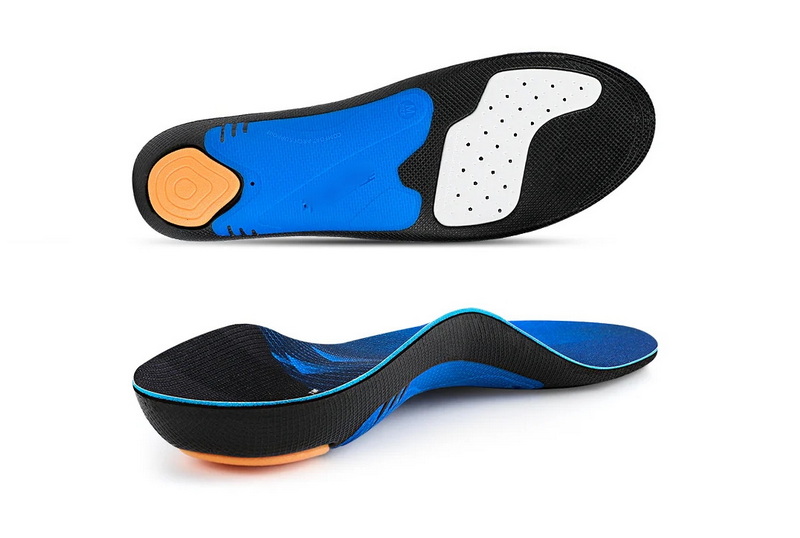
For international buyers, partnering with Shoe Insole Manufacturers And Suppliers in Europe offers a powerful advantage: products that reflect both technological sophistication and consumer trust.
OEM and ODM partnerships can include:
- Tailored footbed design and mold engineering.
- Branded material selection with custom hardness levels.
- Production of insoles in multiple density zones for targeted comfort.
- Private-label packaging and direct export logistics.
Many European suppliers maintain multilingual customer support and product engineering teams, making it easier for global brands to align design concepts with technical requirements. For emerging companies, small MOQ (Minimum Order Quantity) programs also make European production attainable.
Increasingly, global footwear producers combine the design innovation of European factories with the mass-production capabilities of Asian OEM partners. This hybrid model ensures cost efficiency without sacrificing product excellence.
The insole sector in Europe is witnessing breakthroughs in both digital manufacturing and environmental responsibility. Smart technology, additive manufacturing, and circular economy practices have become common strategies among leading Shoe Insole Manufacturers And Suppliers.
- Smart Insoles: Embedded sensors measure pressure points, gait, and energy return—excellent for athletes and medical diagnostics.
- 3D Printing and CAD Modeling: Speeds up prototyping for customized insoles while reducing waste in material cutting.
- Eco-Materials Revolution: Use of natural latex, algae foam, and cork creates biodegradable options with consumer appeal.
- Closed-Loop Recycling: Multiple companies now reprocess production scraps into new foam sheets and insoles, minimizing waste.
- Antibacterial and Moisture-Wicking Layers: Advanced fabrics integrated into insoles enhance hygiene and comfort.
The fusion of technology and environmental ethics reinforces Europe's global reputation for producing the most progressive insoles.
Selecting the right manufacturing partner among Europe's extensive Shoe Insole Manufacturers And Suppliers network requires careful evaluation. Price alone should not dictate choice—factors like technical reliability, communication, and compliance are equally crucial.
Key Considerations:
- Certifications & Audits: Verify compliance with REACH, ISO 13485 (for medical products), and environmental management systems.
- Material Testing: Confirm the safety and durability of foam, adhesives, and lining fabrics.
- Design Flexibility: Assess customization capabilities for different consumer segments (sports, casual, orthopedic).
- Production Capability: Check annual capacity to align with your forecasted demand.
- After-Sales Support: Strong post-production service ensures consistent quality and sustainable partnership.
By vetting suppliers carefully, brands can secure a long-term, mutually beneficial relationship that builds trust and market success.
Industry analysts predict steady growth of the insole market across Europe, with the market expected to expand at a compound annual growth rate (CAGR) of 6% to 8% through 2030. Sports and health-conscious consumers will continue driving demand for technically engineered insoles.
Future opportunities include:
- Integration of AI foot analysis for fully personalized insoles.
- Growth of direct-to-consumer (DTC) brands partnering with OEM producers.
- Emergence of recyclable insoles meeting circular economy mandates.
- Rapid digitalization of factory workflows and e-commerce enablement.
Europe's well-regulated environment ensures that new entrants and established players maintain transparency and sustainability while competing on quality innovation.
Europe continues to lead the global market for Shoe Insole Manufacturers And Suppliers, setting the standard for scientific innovation, craftsmanship, and environmental responsibility. From Germany's precision medical designs to Italy's fashion-forward insoles and France's customizable ergonomics, European producers embody excellence at every stage—from concept design to finished product.
For international partners, aligning with a European supplier opens doors to established expertise, regulatory compliance, and advanced product engineering. Whether you are launching a new footwear brand or expanding your private label collection, partnering with qualified European insole factories ensures comfort, quality, and credibility in every step your customers take.
Contact us to get more information!
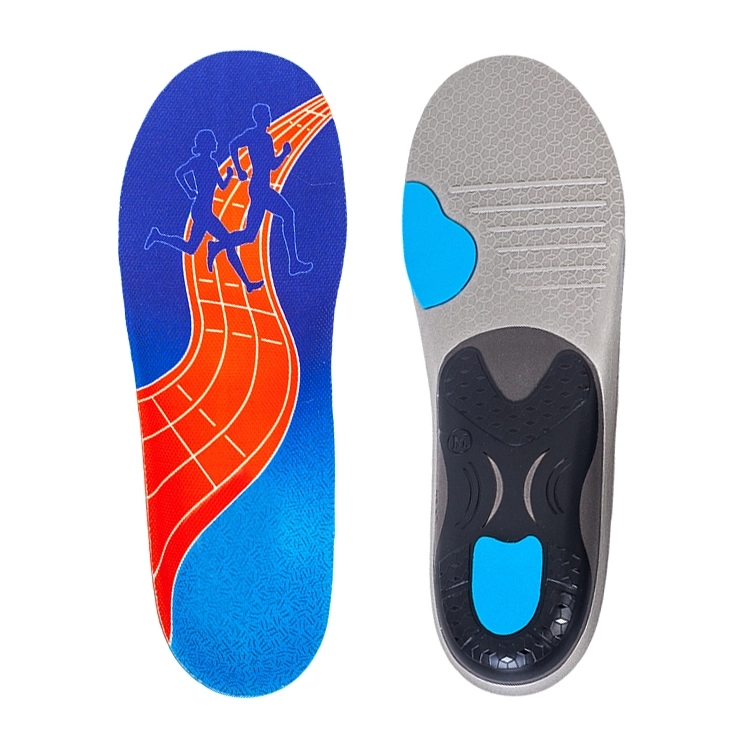
European Shoe Insole Manufacturers And Suppliers produce insoles for diverse needs, including sports performance, orthopedic correction, everyday comfort, and fashion footwear, using materials like EVA, PU foam, cork, and memory foam.
Yes. Most manufacturers provide full OEM and ODM services, allowing choices in foam density, top linings, and customized logos or private-label packaging based on your brand's requirements.
Quality assurance can be validated through sample inspections, third-party laboratory testing, and factory audits that confirm certifications, durability metrics, and production consistency.
Many European suppliers lead in eco-focused design, using bio-based foams, recyclable components, and carbon-reduction manufacturing practices aligned with EU sustainability standards.
Lead time varies by complexity and volume but generally ranges from 30 to 60 days. Prototype and sampling stages may require an additional two to three weeks.


