
Views: 222 Author: Amanda Publish Time: 2025-08-31 Origin: Site


Content Menu
>> Types of Insoles and Their Uses
● Are Shoe Insoles FSA Eligible?
>> Medical Conditions That Qualify Insoles for FSA
>> What Insoles Are Not FSA Eligible?
>> Health Benefits of Orthotic Shoe Insoles
● How to Know If Your Shoe Insole Is FSA Eligible?
>> Buying Shoe Insoles with FSA Funds
● Choosing the Right Shoe Insole
● The Process of Getting Custom Orthotic Insoles
>> Benefits of Custom Orthotic Insoles
● Maintenance and Replacement of Shoe Insoles
● How Shoe Insoles Improve Overall Health
● FAQ
>> 1. Are all shoe insoles covered by an FSA?
>> 2. Can I buy shoe insoles over the counter with my FSA card?
>> 3. How often should I replace my shoe insoles?
>> 4. Are custom orthotic insoles FSA eligible?
>> 5. Do I need a doctor's prescription to buy FSA-eligible shoe insoles?
Shoe insoles are a common accessory many people use for comfort, support, and pain relief. But when it comes to health savings options like Flexible Spending Accounts (FSA), many wonder if shoe insoles qualify as eligible expenses. This article explores everything about shoe insoles and their eligibility for FSAs, the medical benefits they offer, how to choose the right insoles, and tips for buying them using FSA funds. Alongside each informative section, references to relevant visual content and videos can greatly enhance understanding. By the end, readers will have a detailed knowledge of how shoe insoles can be both a health solution and an FSA-eligible purchase.

Shoe insoles, also referred to as shoe inserts, are removable or built-in pads placed inside footwear to provide additional cushioning, support, and alignment for the feet. They come in many types, including over-the-counter, custom-made, orthotic, gel, foam, and orthopedic varieties. While some insoles are designed for general comfort or athletic performance, others are medically designed to treat specific foot conditions.
- Comfort Insoles: Provide extra padding for everyday shoe wear, ideal for those who need additional softness without medical necessity.
- Orthotic Insoles: Custom or pre-made inserts designed to correct foot mechanics and offer therapeutic benefits. They are often recommended by doctors or podiatrists.
- Heel Cups and Cushions: Targeted support to reduce heel pain or treat heel spurs, offering relief in specific foot zones.
- Diabetic Insoles: Specially constructed to reduce pressure and provide protection to sensitive feet for people with diabetes, helping to prevent ulcers and complications.
- Sports Insoles: Engineered to enhance performance and help prevent injuries in athletic activities by offering shock absorption and foot stability.
Videos explaining the different shoe insole types and their specific benefits can help make these distinctions clearer and illustrate how each type functions.
Yes, shoe insoles can be FSA eligible, but this depends largely on their medical purpose. According to IRS guidelines and the SIGIS Eligible Product List, insoles qualify for Flexible Spending Account reimbursement when they are used specifically to treat or alleviate medical conditions such as plantar fasciitis, overpronation, arthritis, or other forms of foot pain.
- Plantar Fasciitis: Pain and inflammation in the plantar fascia ligament on the bottom of the foot.
- Flat Feet or Fallen Arches: Lack of natural arch leading to foot strain.
- Overpronation: Excessive inward foot roll causing misalignment.
- Heel Spurs and Heel Pain: Bony growths or chronic heel discomfort.
- Arthritis in the Feet: Joint inflammation causing pain and stiffness.
- Metatarsalgia: Pain in the ball of the foot affecting gait.
To be eligible, the product must be marketed or prescribed for orthopedic or therapeutic use rather than for casual comfort or cosmetic reasons.
- Insoles marketed only for comfort or fashion with no medical claim.
- Insoles intended primarily for athletic or sports performance enhancement without a medical condition.
- Insoles with massaging features or scents.
- General-purpose cushioned pads without orthopedic use.
Many retailers label and market shoe insoles as FSA eligible or not, helping buyers discern which products can be paid for with FSA funds.
Orthotic insoles are specially designed to improve foot health by addressing biomechanical issues. Wearing the right orthotic insoles can have significant benefits beyond just foot comfort.
1. Pain Relief: Orthotic insoles help reduce pain caused by plantar fasciitis, arthritis, heel spurs, and other foot ailments by supporting the foot's natural arches and distributing pressure evenly.
2. Improved Foot Alignment: Correct foot posture helps to realign knees, hips, and lower back, reducing strain and preventing related body pain.
3. Enhanced Mobility: Providing necessary support helps individuals stand, walk, or run longer with less fatigue and discomfort.
4. Injury Prevention: Orthotic insoles reduce the risk of stress fractures, tendonitis, and joint problems by stabilizing foot motion and cushioning impact.
5. Diabetic Foot Care: Protects sensitive diabetic feet from pressure ulcers and injuries by providing proper cushioning and support.
Orthotic insoles are not only a comfort accessory but a vital tool for managing chronic pain and improving life quality for many individuals.
Valid FSA shoe insoles generally share these characteristics:
- Clearly labeled as “orthotic,” “therapeutic,” or “medical support.”
- Designed to treat a medically recognized foot condition.
- Prescribed by a healthcare provider or clearly marketed for orthopedic use.
- Not sold only for lifestyle, fashion, or general comfort.
- Use your FSA card to purchase insoles at pharmacies, medical supply stores, or approved online retailers that list FSA-eligible products.
- Keep all receipts and any doctor's prescriptions as proof for reimbursement or tax documentation.
- Review product descriptions carefully to ensure eligibility.
- Consult your FSA plan administrator if unsure about coverage before purchase.
Pharmacies such as CVS and specialty medical sites typically maintain curated selections of FSA-eligible shoe insoles, simplifying the buying process.
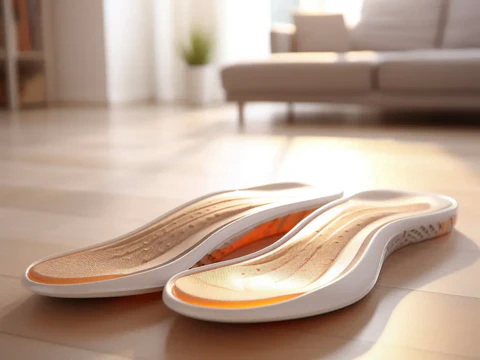
Selecting the appropriate insole depends on foot structure, medical condition, and shoe type.
- Arch Type: Low, normal, or high arch requires different support types to optimize balance and comfort.
- Condition-Specific Features: Insoles with extra cushioning in the heel or arch supports for fallen arches.
- Material and Durability: Options range from soft gel and foam for cushioning to firmer orthotic materials for correction.
- Footwear Type: Insoles vary based on the shoe style such as athletic, casual, or dress shoes.
- Custom vs. Over-the-Counter: Custom orthotics offer tailored correction at a higher price but are ideal for severe cases; over-the-counter insoles are less expensive but less precise.
Professional foot assessments using pressure mapping or gait analysis can greatly assist in choosing the ideal shoe insole.
Custom orthotics start with a professional evaluation by a podiatrist or foot specialist. This process often includes foot scans or molds to capture precise shapes and pressure points.
- Perfectly tailored to the unique structure of the wearer's foot.
- Provide exact correction for biomechanical imbalances.
- Offer long-term relief from chronic foot pain and improved gait mechanics.
- Can prevent further deterioration of joint and foot conditions.
- May be recommended as part of a comprehensive treatment plan.
This personalized approach ensures the most effective support and comfort.
Proper care and timely replacement of insoles ensure their effectiveness remains high.
- Regularly clean insoles following manufacturer instructions to prevent odor and bacteria build-up.
- Dry insoles completely before reusing.
- Rotate insoles among different pairs of shoes to extend lifespan.
- Check periodically for signs of wear, compression, or loss of support.
- Typically, orthotic insoles need replacement every 6 to 24 months depending on usage and materials.
- Continued discomfort or visible wear suggests it is time for new insoles.
- Regular follow-up with a healthcare provider can help maintain optimal foot health.
The health of the feet is directly connected to the body's overall well-being. Misalignment or poor foot mechanics can lead to problems affecting knees, hips, back, and posture.
- Alleviate Chronic Pain Elsewhere: Proper foot support can reduce strain on joints higher up the kinetic chain.
- Improve Balance and Stability: Critical for preventing falls especially in older adults or those with mobility challenges.
- Support Active Lifestyles: Safe, supported foot movement enables more exercise and daily activity without pain.
Using shoe insoles designed with health in mind addresses these wide-ranging effects, highlighting their value beyond simple comfort.
Shoe insoles are eligible for Flexible Spending Account (FSA) reimbursement when designed for orthopedic or therapeutic use to treat specific medical foot conditions. Insoles purchased solely for comfort, fashion, or athletic performance do not qualify. Orthotic insoles serve a critical role in pain relief, improved alignment, injury prevention, and enhancing mobility. Understanding how to select, buy, and maintain FSA-eligible shoe insoles empowers individuals to take charge of their foot health smartly and effectively. Using FSA funds for these medically necessary devices not only alleviates foot discomfort but supports overall well-being.

No, only shoe insoles designed and marketed for treating medical conditions such as plantar fasciitis, arthritis, or foot pain are FSA eligible. Comfort or fashion insoles are not covered.
Yes, but they must meet the medical eligibility criteria. Look for labels like "orthotic," "therapeutic," or ask your healthcare provider for a prescription.
Orthotic insoles typically last 6 months to 2 years depending on usage and material quality. Regular inspection for wear is recommended.
Yes, custom orthotics prescribed by a healthcare provider for medical reasons are eligible for FSA reimbursement.
In some cases, yes, especially for custom orthotics. For pre-made orthopedic insoles labeled for medical use, a prescription may not always be required but can help with reimbursement.
[1](https://buyfsa.com/blogs/fsa-hsa-eligibility-list/are-shoe-insoles-and-inserts-fsa-hsa-eligible)
[2](https://www.cigna.com/individuals-families/member-guide/eligible-expenses)
[3](https://boynerclinic.com/how-orthotic-insoles-can-transform-your-foot-health/)
[4](https://www.cvs.com/shop/personal-care/foot-care/shoe-inserts-insoles/q/true/fs)
[5](https://shopwealthcare.com)
[6](https://www.sidas.com/blogs/news/5-good-reasons-to-wear-insoles-in-my-shoes)
[7](https://fsastore.com/fsa-eligibility-list/i/insoles)
[8](https://fsastore.com/fsa-eligibility-list/m/medical-equipment)
[9](https://www.alimed.com/blogs/footwear-insoles-and-inserts/the-importance-of-shoe-insoles-for-foot-health)
[10](https://fsastore.com/fsa-eligibility-list/o/orthopedic-shoe-inserts)
[11](https://fsastore.com/fsa-eligibility-list)
[12](https://thefootpractice.com/orthotic-insoles/)
[13](https://powerstep.com/pages/hsa-fsa-eligible-orthotics-by-powerstep)
[14](https://shophomemed.com/collections/fsa-eligible-medical-equipment-lmn-products-shop-home-med)
[15](https://www.bannerhealth.com/healthcareblog/better-me/are-over-the-counter-insoles-a-waste-or-worth-it)
[16](https://www.drscholls.com/collections/fsa-hsa-eligible)
[17](https://misterminit.eu/en/blog/why-insoles-are-good-for-your-health-and-your-shoes)
[18](https://www.upstep.com/a/blog/fsa-eligible-buy-custom-orthotics-with-your-fsa-funds)
[19](https://pmc.ncbi.nlm.nih.gov/articles/PMC10079510/)
[20](https://hsastore.com/learning-center/articles/learn-do-dr-scholls-inserts-qualify-for-an-fsa-or-hsa)


