
Language
Views: 222 Author: Edvo Publish Time: 2025-12-20 Origin: Site


Content Menu
● Understanding the Composition of Shoe Insoles
>> Common Materials Found in Shoe Insoles
● Why Machine Washing Can Be Risky
>> Damage to Foam and Structural Integrity
>> Breakdown of Adhesives and Coatings
>> Bacterial Growth From Incomplete Drying
● Proper Cleaning Techniques for Shoe Insoles
>> Step 1: Take Out the Insoles
>> Step 2: Brush Away Surface Dirt
>> Step 3: Prepare a Gentle Cleaning Solution
>> Step 4: Spot Clean with a Cloth or Brush
● When Are Machine Washes Acceptable?
>> Tips for Safe Machine Washing
● How OEM Manufacturers Create Washable Insoles
>> Key Manufacturing Innovations
● How to Maintain Insoles Without Frequent Washing
● When to Replace Your Insoles
>> Signs That It's Time to Replace
● Environmental Considerations: Sustainable Cleaning and Disposal
● Professional Insights: Why OEM Expertise Matters
● Myths About Machine Washing Insoles
● The Future of Washable Insole Technology
● FAQ
>> 1. Can I wash all types of insoles in a machine?
>> 2. How can I remove strong odors from insoles?
>> 3. Should I use detergent when washing insoles?
>> 4. Can I dry insoles with a dryer or under sunlight?
>> 5. How long will a pair of insoles typically last?
Shoe insoles are one of the most overlooked yet essential components of any pair of shoes. They provide support, cushioning, and moisture control, allowing you to remain comfortable during work, sports, or daily activities. However, as insoles continuously absorb sweat, dirt, and odor, the question inevitably arises: Are shoe insoles machine washable?
The answer to this question depends largely on the material, construction, and manufacturer's recommendations. Washing insoles incorrectly can shorten their lifespan or destroy their shape, but proper care can keep them fresh and functional for months. This article explores when and how shoe insoles can be machine washed, alternative cleaning methods, and key maintenance tips to extend their durability.
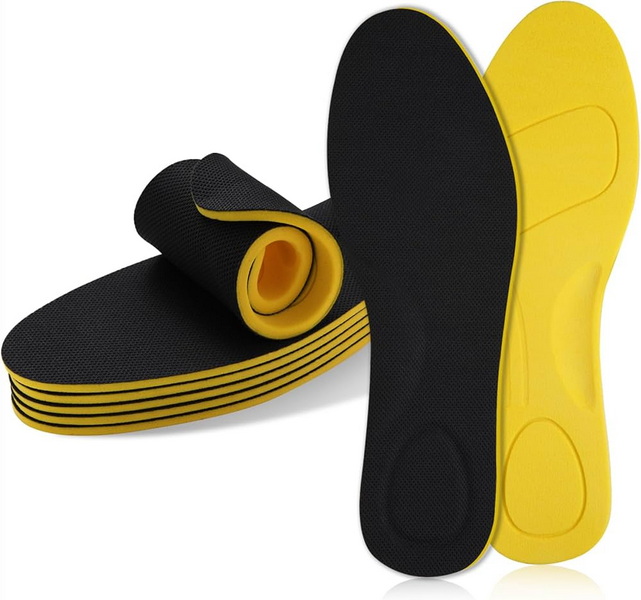
Not all insoles are created equal. To determine the right cleaning method, it's crucial to understand what your insoles are made of. Each material has unique characteristics that influence how it reacts to moisture, heat, and movement inside a washing machine.
- EVA (Ethylene-Vinyl Acetate) Foam: Commonly used in athletic and casual footwear for lightweight cushioning. Although it offers softness and shock absorption, prolonged exposure to water or detergent can weaken its cellular structure.
- PU (Polyurethane) Foam: Found in premium insoles due to its resilience. It tolerates moisture better than EVA but may still deform when machine washed repeatedly.
- Gel: Designed to enhance comfort and absorb impact, gel-based insoles often include sealed liquid chambers that can rupture if twisted or pressed aggressively in a washing cycle.
- Memory Foam: Known for personalized comfort, memory foam molds to the foot's contours, but it absorbs water like a sponge and takes a long time to dry carefully.
- Leather: A natural, breathable material that resists wear but requires special care. Leather insoles should never be machine washed, as water can harden or crack the surface.
- Orthopedic or Custom Insoles: These medical-grade products often contain rigid inserts or microelectronic sensors, making them unsuitable for submersion or machine agitation.
Understanding material composition allows users to choose the safest cleaning method and helps footwear brands develop washable designs that meet modern hygiene standards.
Although machine washing seems like a quick solution, it may cause more harm than good, especially for insoles not specifically designed to withstand the stress of an automatic wash cycle.
Most insoles rely on carefully balanced layers of foam, gel, or fabric. Machine washing subjects them to heat, friction, and spinning forces that can compress or tear the structure. Once cushioning flattens or warps, it loses its original support function.
Adhesives that hold layers together can dissolve or weaken when soaked in detergent. Similarly, antibacterial coatings may wash off, reducing the insole's odor-control and hygiene features.
Even after washing, moisture can remain trapped inside dense or multilayered insoles. If not fully dried, this damp environment becomes a breeding ground for bacteria and mold, leading to unpleasant odors.
Gel or hard insoles can also damage the washing machine drum or trap small fragments, potentially causing wear or operational issues.
For these reasons, most professional insole manufacturers recommend hand cleaning instead of machine washing, unless the product label states otherwise.
Manual cleaning is the safest and most effective way to preserve your insoles while maintaining hygiene. It allows you to control the amount of water, pressure, and cleaning solution used.
Always remove insoles from your shoes before starting. Cleaning them inside the shoes traps moisture and can damage the footwear lining.
Use a soft-bristle brush or dry cloth to remove loose debris, dust, and lint from both sides of the insole. This step ensures cleaning agents penetrate evenly later.
Mix a small amount of mild detergent, dish soap, or antibacterial body wash with warm water. Avoid bleach or alcohol, as these may damage coatings or adhesives.
Dip a clean cloth or soft brush into the solution and gently scrub the top surface where most dirt accumulates. Apply extra care to the heel and toe zones, as these collect the most sweat.
Use a damp cloth to remove detergent residue. Then press a towel gently over the surface to absorb excess water.
Place the insoles in a ventilated, shaded area. Avoid direct sunlight, dryers, or heaters, since high heat can cause deformation or cracking. Allow several hours for full drying before reinserting them into your shoes.
Following these manual steps ensures that your insoles stay clean without compromising comfort or longevity.
While the general recommendation is to hand wash insoles, certain models can safely go through a washing machine if handled with care. These are typically synthetic or mesh-based performance insoles built with durable bonds and waterproof materials.
- Always use cold water and a gentle cycle.
- Place insoles inside a laundry mesh bag to minimize friction.
- Add a small amount of mild detergent; skip bleach and fabric softener.
- Wash separately from heavy items to avoid bending or cracking.
- After washing, air dry completely—never tumble dry.
Washing should be done sparingly. Even with washable types, repeated machine cleaning will eventually weaken materials and adhesives.
Modern OEM insole manufacturers are continuously innovating to meet global hygiene and convenience demands. As consumers seek easier cleaning solutions, producers apply advanced materials and structural designs to make insoles more washable and resilient.
- Closed-cell Foam Technology: Unlike traditional open-cell foams, closed-cell variants repel water, preventing deep absorption and accelerating drying.
- Antimicrobial Treatments: These coatings protect insoles from bacterial and fungal growth, extending freshness between washes.
- High-Bond Adhesion Methods: Industrial adhesives maintain durability through multiple cleaning cycles.
- Thermo-Fused Fabric Layers: Heat-bonded surfaces resist delamination and maintain structural balance after washing.
- Quick-Dry Mesh Covers: Breathable fabrics promote ventilation and reduce odor accumulation.
With these technologies, OEM producers are helping global footwear brands develop washable insole lines that meet both performance and hygiene standards for active lifestyles.
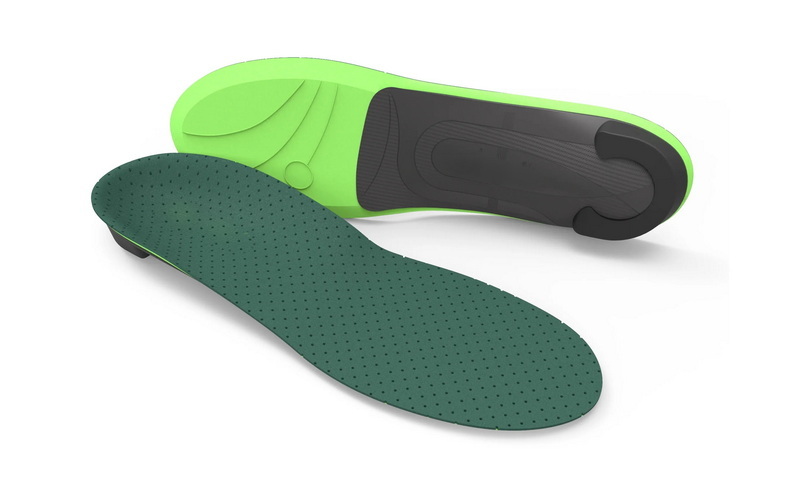
Keeping your insoles clean doesn't always require water. Preventive care significantly reduces the need for deep cleaning.
After wearing your shoes, remove the insoles to let them air out. This simple step helps evaporate trapped moisture and reduces odor formation.
Antibacterial sprays, shoe deodorant powders, or natural baking soda can maintain freshness between washes. Sprinkle or spray lightly, then shake off any residue before next use.
If possible, rotate between different pairs of shoes. This gives insoles ample time to dry completely and extend their usable life.
Socks made from cotton blends or moisture-wicking fibers minimize sweat buildup, which helps keep insoles dry and odor-free.
Keep footwear in a cool, ventilated place. Avoid sealed boxes or humid environments that trap moisture and promote microbial growth.
Implementing these daily routines lowers the need for washing and preserves your insoles' comfort and structure over time.
Even with responsible care, insoles wear down naturally. Understanding when to replace them helps sustain comfort and support.
- Flattened Cushioning: Once the foam no longer bounces back, it can't absorb impact effectively.
- Persistent Odor: If smells linger after multiple cleanings, bacteria may be embedded deep inside.
- Visible Damage: Cracks, worn fabric, or separation between layers indicate structural fatigue.
- Reduced Comfort or Support: Uneven pressure on your feet signals that the insole has lost balance.
- Slipping Inside Shoes: Poor fit or shape distortion means it's time for new ones.
For most users, replacing insoles every six to twelve months is ideal. Professionals who stand for long hours or athletes engaged in heavy activity may need replacements sooner.
As sustainability becomes a major concern, cleaning and disposing of insoles responsibly also matter. Machine washing consumes electricity and water, while frequent replacements contribute to waste. To minimize environmental impact:
- Hand wash efficiently. Use minimal water and biodegradable soap.
- Avoid unnecessary washing. Use deodorizing methods instead when possible.
- Recycle whenever available. Some manufacturers offer take-back programs for used insoles that are recycled into new foam materials.
- Choose eco-friendly insoles. Look for brands using natural latex foam, bamboo fiber, or recycled fabrics.
Through responsible use and care, both consumers and manufacturers can help reduce the environmental footprint of footwear products.
Partnering with an experienced OEM insole manufacturer gives brands a competitive edge in developing washable, long-lasting products. Advanced research in materials science and production allows suppliers to engineer insoles optimized for different markets — from athletic footwear to work boots and medical applications.
- Material Customization: Tailoring foam density, hardness, and resilience to specific footwear needs.
- Moisture and Odor Management: Integrating antibacterial agents or breathable technologies to improve hygiene.
- Branding Flexibility: Support for custom logos, packaging, and private label designs.
- Compliance with International Standards: Certified materials ensure safety, comfort, and durability.
With growing global demand for performance footwear, having a reliable manufacturer capable of designing partially washable or fully washable insoles can enhance a brand's value proposition significantly.
There are many misconceptions about how to clean shoe insoles effectively. Let's clear up some common myths:
1. All insoles can be washed the same way.
False — each material reacts differently to moisture and detergent. Always check the care label.
2. Machine washing removes all odors.
Machine washing may only mask odor temporarily if bacteria remain trapped inside the foam. Proper airing and deodorizing are necessary.
3. Drying insoles in sunlight makes them fresh.
Direct sunlight can cause fading, cracking, or shrinking. Air drying in the shade is safer.
4. Washing makes old insoles like new.
Cleaning helps maintain freshness but doesn't restore lost cushioning or structural support.
Understanding these myths helps consumers and distributors provide accurate product care instructions.
The footwear industry continues to innovate in response to consumer needs for convenience and hygiene. Future trends in washable insoles are likely to include:
- Smart materials that resist bacteria without harsh chemicals.
- 3D-printed structures optimized for airflow and water resistance.
- Self-cleaning coatings activated by light or motion.
- Recyclable insoles made from sustainable bio-based polymers.
- Hybrid designs combining washable surfaces with replaceable comfort cores.
As international OEM suppliers adopt these innovations, brands can offer advanced features that differentiate their products in competitive markets.
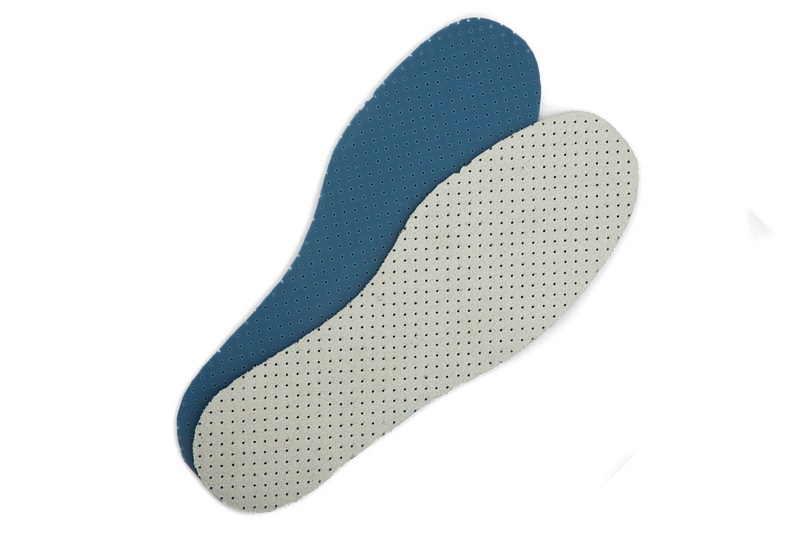
So, are shoe insoles machine washable? The short answer: sometimes, but only with the right materials and precautions. Most insoles are better cleaned by hand with mild soap and water, ensuring they retain shape, structure, and comfort. While washable models are becoming more common, overuse of machine cycles can still degrade performance.
For footwear brands, investing in washable, antimicrobial, and durable insole designs through qualified OEM manufacturers can improve customer satisfaction and long-term product value. For consumers, applying proper cleaning and maintenance habits guarantees fresher shoes, healthier feet, and more comfort in every step.
No. Only certain synthetic or mesh-based insoles are suitable for machine washing. Always check the care label to see if your insoles are labeled “machine washable.”
Sprinkle baking soda or cornstarch on the surface overnight, then brush it off. For stubborn odors, use a disinfectant spray or soak in a mild vinegar-water solution before rinsing.
Yes, but only a small amount of mild detergent. Avoid harsh chemicals such as bleach or alcohol-based cleaners that can damage foam and adhesives.
No. High heat or direct sunlight can warp the foam and cause deformation. Instead, let insoles air dry naturally in a cool, ventilated space.
Depending on use and quality, insoles last from six months to a year. Frequent washing or exposure to moisture may shorten their lifespan.


