
Language
Views: 222 Author: Edvo Publish Time: 2025-12-26 Origin: Site


Content Menu
● Why the Dryer Is Harmful for Most Shoe Insoles
>> Heat Breaks Down Material Integrity
>> Glues and Adhesives Lose Strength
>> Warping Alters Fit Precision
>> Tumbling Adds Mechanical Stress
● Understanding Insole Materials and Their Heat Sensitivity
● The Correct Way to Dry Shoe Insoles Safely
>> Step 2: Remove Excess Moisture
>> Step 3: Air Dry with Natural Circulation
>> Step 4: Use Absorbent Fillers for Faster Results
>> Step 5: Allow Complete Drying Time
>> Step 6: Add Light Fragrance or Deodorizer
● Why Moisture Management Matters
>> Skin Irritation and Infections
>> Decreased Insole Durability
● Tips on Extending Insole Lifespan
● Environmentally Friendly Drying and Care Methods
● Professional OEM Insole Production and Material Expertise
● Common Drying Mistakes to Avoid
● Odor Control and Hygiene Maintenance
● Industrial Perspective: Why Drying Safety Matters for Footwear Brands
● FAQs About Drying Shoe Insoles
>> 1. Can I use a hair dryer to dry my insoles?
>> 2. How long do insoles take to air dry completely?
>> 3. Can I wash insoles in a washing machine?
>> 4. What happens if I wear damp insoles?
>> 5. When should I replace my insoles?
When it comes to keeping shoes clean, odor-free, and comfortable, shoe insoles are an essential yet often overlooked component. Whether made from memory foam, gel, or specialized orthopedic materials, insoles play a critical role in foot comfort and hygiene. However, after washing your shoe insoles, you may ask a practical question: Can I put shoe insoles in the dryer?
The short answer is no — most insoles should not be placed in a conventional clothes dryer. The combination of heat and tumbling can lead to warping, shrinkage, or melting, depending on the material. Instead, there are safer, more effective ways to clean and dry insoles without damaging their shape or structure.
This article explores exactly why dryers can harm your insoles, how different materials react to heat, and provides expert maintenance advice for keeping your insoles in excellent condition for longer. Our insights also come from years of manufacturing experience as a leading OEM insole producer in China, helping global brands develop durable, high-performance footwear components.
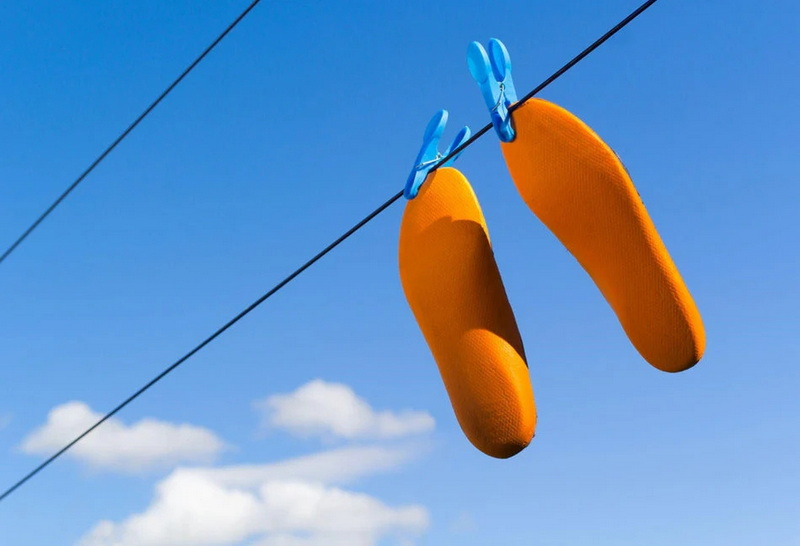
At first glance, drying insoles in a machine dryer seems like a convenient idea. You wash them, toss them in with your clothes, and let heat do the job. But what appears easy can quickly turn into a costly mistake.
Most dryers use temperatures between 50°C and 70°C, which can severely compromise foam-based and gel-based insoles. Common materials like memory foam or EVA foam rely on microscopic air pockets that give cushioning and rebound. When exposed to heat, these air pockets collapse, leading to flattened, uncomfortable insoles that can no longer support your feet properly.
In many insoles, multiple layers are held together using heat-sensitive adhesives. High dryer temperatures can cause these bonding agents to melt or weaken, leading to peeling fabric tops or misaligned inserts. Over time, this can make the insole uneven and potentially unusable.
A warped insole no longer fits the shoe contour correctly. Once the base layer changes shape, it can cause friction, discomfort, or even blisters. More importantly, distorted insoles will alter your walking balance and may affect posture alignment during physical activities like running or hiking.
It's not just heat that's damaging. The constant tumbling inside a dryer creates intense physical friction. Insoles repeatedly hit the metal drum, which can crack gel pads, separate stitching, or deform arch supports. Even a “no heat” or “air fluff” setting might still degrade insoles over time due to the physical churning.
Not all insoles are the same. Each type has different manufacturing technology and materials, and these differences determine how they respond to heat exposure.
| Insole Material | Reaction to Dryer Heat | Typical Problem |
|---|---|---|
| Memory Foam | Very sensitive | Loses shape, becomes hard or lumpy |
| EVA Foam | Sensitive | Shrinks, deforms easily |
| Gel Inserts | Sensitive | Melts or leaks |
| Latex Foam | Moderate sensitivity | Hardens, loses bounce |
| Leather Insoles | High sensitivity | Cracks or curls at edges |
| Fabric/Cotton Insoles | Moderate tolerance | May shrink slightly |
| Orthopedic Insoles (thermoplastic) | Very sensitive | Warping and structural breakdown |
For premium or orthopedic insoles, especially those designed by podiatrists or medical specialists, dryers are never recommended. Heat can destroy their precision design meant to support specific foot shapes or medical conditions.
Instead of using a dryer, follow a low-risk air-drying approach that protects your insoles and extends their lifespan.
Always begin by using mild soap and cold or lukewarm water. Avoid strong detergents, bleach, or alcohol-based cleaners that can damage coatings or adhesives. Use a soft cloth or sponge to scrub both top and bottom surfaces — especially areas exposed to sweat and bacteria.
After washing, place the insole on a dry towel and gently press down to absorb water. Do not twist, wring, or squeeze forcefully, as that can bend the material and weaken its shape.
Lay the insoles flat in a shaded, cool area. Direct sunlight should be avoided because UV exposure can harden foam and fade fabric. Good ventilation is key — an open window or a quiet fan nearby works great.
If you want to accelerate the process, place insoles near newspaper or moisture absorbers like silica gel packets. These materials pull water from the environment, helping insoles dry evenly from both sides without heat damage.
Depending on room humidity, drying may take 12 to 24 hours. Never reinstall wet insoles into shoes — this traps moisture, leading to odor and bacterial growth.
Once completely dry, you can lightly sprinkle baking soda or use a natural shoe deodorizer spray to keep them fresh. Many brands also sell natural essential oil sprays designed for footwear use.
Continual moisture inside your shoes can create multiple issues that go beyond mere discomfort. When insoles stay damp, they become an ideal breeding ground for bacteria and fungi.
Bacteria and fungi thrive in warm, dark, and moist environments — exactly the conditions inside closed shoes after exercise or rainy weather. These microorganisms feed on foot sweat and dead skin cells, producing foul odors that can linger even after washing.
Neglecting proper drying and cleaning can cause conditions like athlete's foot, yeast infections, or toenail fungus. Constant exposure to a humid environment weakens the skin barrier, leading to irritation and itching.
Waterlogged insoles often degrade faster than dry ones. The increased moisture reduces structural resilience and accelerates the breakdown of foam or adhesives. Over a few months, insoles that are not properly dried can lose half their cushioning capacity.
High-quality insoles can last several months or even a year if maintained properly. Here are some proven methods to make them last longer:
- Clean regularly: Wash or wipe your insoles every few weeks, especially in warm seasons.
- Alternate pairs: Keep two sets of insoles and switch them daily. One set can fully dry while the other is being worn.
- Avoid excessive water: Instead of full soaking, spot clean or wipe with a damp cloth whenever possible.
- Store properly: Keep in a dry, shaded place away from heaters or sunlight.
- Inspect for damage: Check for cracks, peeling fabric, or uneven support and replace them if worn out.
- Use antimicrobial sprays: Regularly disinfecting insoles helps prevent bacteria buildup, keeping them cleaner between washes.
Following these steps keeps your insoles supportive, clean, and odor-free — maintaining the same comfort level as when they were new.
For eco-conscious consumers and manufacturers, sustainable care practices are becoming essential. Instead of using electric dryers, consider these low-impact methods:
An open window or shaded balcony provides steady airflow without consuming energy. This reduces your carbon footprint while protecting delicate insole materials.
If you frequently encounter wet conditions, choose insoles made from quick-drying, breathable textiles. These materials wick away moisture naturally without heat assistance.
Once insoles are no longer functional, don't simply discard them. Many foam-based insoles can be recycled into padding materials or repurposed for craft use. Sustainable disposal supports environmental responsibility.
As a leading insole manufacturer in China, our company provides OEM and ODM services for global footwear brands, wholesalers, and factory distributors. Over the years, we've worked closely with sports brands, orthopedic product developers, and fashion labels to design high-performing insoles for various footwear categories.
- Memory foam insoles for running and lifestyle shoes.
- Gel cushioning designs for shock absorption.
- PU and EVA insoles for industrial and outdoor footwear.
- Eco-friendly and biodegradable materials that align with modern sustainability standards.
- Orthopedic custom insoles developed with ergonomic mold precision.
Our production integrates advanced molding techniques, precise cutting machinery, and strict quality control systems. Each batch goes through compression testing, heat resistance evaluation, and material fatigue simulation to ensure durability and comfort under real-world conditions.
We help clients tailor insoles to their brand identity:
- Custom logo printing or embossing.
- Unique color and texture finishes.
- Personalized packaging and labeling options.
- Flexible batch sizes for large or small orders.
Through consistent production and strict quality assurance, we maintain long-term partnerships with buyers worldwide who seek reliable insole solutions that meet their exact business specifications.
Even when air drying, many people make small but impactful mistakes. Avoid the following to keep insoles safe and functional:
- Placing insoles on radiators or heaters: Intense local heat can harden foam or cause rubber layers to melt.
- Using ovens or microwaves: These methods can be extremely dangerous and destroy the product instantly.
- Leaving in damp shoes overnight: That traps moisture and slows drying further, increasing odor.
- Stacking insoles on top of each other: Always leave space between pairs to allow airflow.
- Scrubbing too harshly: Rough scrubbing tears the top fabric and reduces lifespan.
Drying is not just about removing moisture—it's about preserving structure, flexibility, and comfort for continued use.
Beyond cleaning and drying, consistent odor management is crucial. Here's how to maintain freshness without using dryers or chemical agents:
- Use natural deodorizers: Baking soda, activated charcoal bags, or cedar wood shoe inserts absorb odors naturally.
- Rotate insoles: Give each pair time to air out after a long day's use.
- Keep shoes ventilated: Store footwear in breathable pouches rather than sealed plastic boxes.
- Foot hygiene: Clean feet regularly and wear absorbent socks made from cotton or bamboo fibers to minimize sweat accumulation.
Clean and dry insoles contribute not only to foot comfort but also to overall shoe hygiene, extending the life of your footwear as a whole.
For footwear companies, maintaining insole integrity is as critical as the outer shoe construction. A single production flaw or post-purchase care issue can affect the brand's reputation.
When brands educate consumers about proper care—like avoiding machine drying—they reduce product returns and warranty claims. OEM manufacturers, therefore, play a key role in designing insoles that withstand daily wear while still performing after washing and drying cycles.
Shoe brands that include care instructions emphasizing “Do Not Tumble Dry” not only protect product quality but also build a professional image of precision and responsibility. Partnering with an experienced OEM such as ours ensures that each insole is engineered with heat resistance testing and consumer education in mind.
While it may seem harmless to toss your shoe insoles into a dryer for quick drying, it is not recommended. High temperatures and mechanical tumbling can cause deformation, loss of cushioning, adhesive failure, and reduced insole lifespan. The safest and most effective method is air drying in a well-ventilated environment, away from direct sunlight or heat sources.
Proper cleaning and drying not only protect your investment but also safeguard your foot health. Whether you are washing foam, gel, or leather insoles, patience and gentle care will preserve both comfort and functionality. For footwear brands and manufacturers, understanding and educating consumers about insole care practices enhances customer satisfaction and brand reliability.
As specialists in insole OEM manufacturing, we combine advanced materials with precision production to help global brands deliver comfort, durability, and performance with every step.
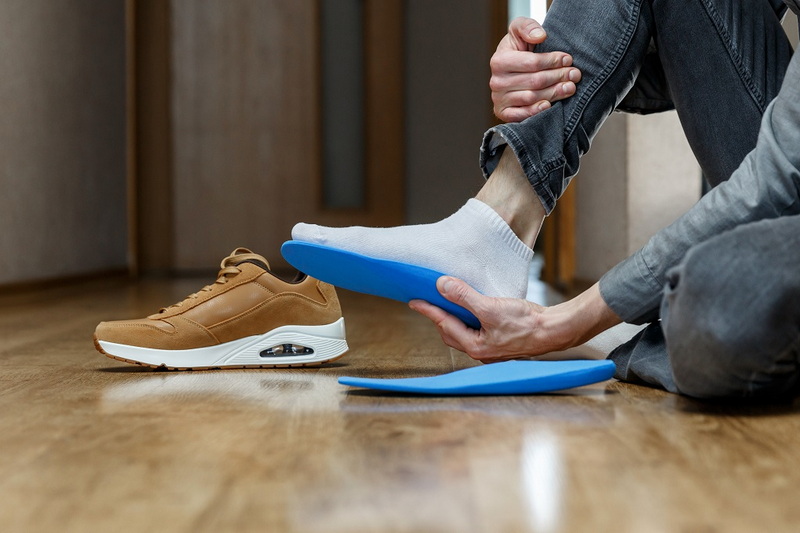
You can use a hair dryer on a low-heat or cool setting, but avoid direct heat from close distance. Move the air stream around instead of holding it still to prevent hot spots.
Typically, they take 12 to 24 hours, depending on temperature and humidity. To speed up the process, leave them near a fan or wrap them with a dry towel every few hours.
Some fabric or sports insoles labeled “machine washable” can be cleaned that way. However, always use cold water, gentle detergent, and air dry afterward — never a machine dryer.
Wearing damp insoles traps moisture against your feet, increasing the risk of bad odor, blisters, or fungal infections. Always ensure they are fully dry before wearing them again.
Most insoles should be replaced every three to six months, or sooner if you notice loss of cushioning, cracks, or unpleasant odor that doesn't wash away. Active lifestyles or daily sports use may require more frequent replacement.


