
Language
Views: 222 Author: Edvo Publish Time: 2025-12-26 Origin: Site


Content Menu
● Understanding the Purpose of Insoles
● Why Some People Choose to Wear Shoes without Insoles
>> 1. Adjusting Tightness and Fit
>> 2. Replacing Standard Insoles with Custom Ones
>> 3. Minimalist and Barefoot Preferences
>> 4. Reducing Heat or Moisture in Hot Climates
>> 5. Specific Applications and Professions
● What Happens to Your Feet without Insoles
>> Increased Pressure on Heel and Forefoot
>> Greater Friction and Blister Formation
● Can You Train Your Feet to Go without Insoles?
● When It's Generally Safe to Go without Insoles
● Long-Term Risks of Removing Insoles
>> Odor Retention and Hygiene Issues
● Material Science Behind Modern Insoles
● Creating Custom Insoles through OEM Manufacturing
● Key Signs You Should Not Remove Insoles
● How to Replace or Upgrade Your Insoles Instead
● Balancing Comfort, Design, and Functionality
● Future Trends in Insole Technology
● FAQ
>> 1. Can wearing shoes without insoles cause pain?
>> 2. How do I know if my shoes are designed to be worn without insoles?
>> 3. Can I add custom insoles after removing the originals?
>> 4. Does removing insoles make shoes bigger?
>> 5. Are there shoes that never require insoles?
Wearing shoes without insoles is a question that many people encounter when trying to find the perfect balance between comfort, performance, and foot health. Some wearers remove insoles to make room for thicker socks or to create a minimalist feel. Others believe it offers a “barefoot-like” experience that strengthens feet naturally. Yet, podiatrists and shoe designers often warn against this practice, emphasizing that shoe insoles play a crucial role in supporting proper alignment and cushioning the body during motion.
So, can you actually wear shoes without insoles? The answer isn't a simple yes or no—it depends on your footwear design, personal health, and activity level. Let's explore the real impact of removing insoles and what you should consider before doing so.
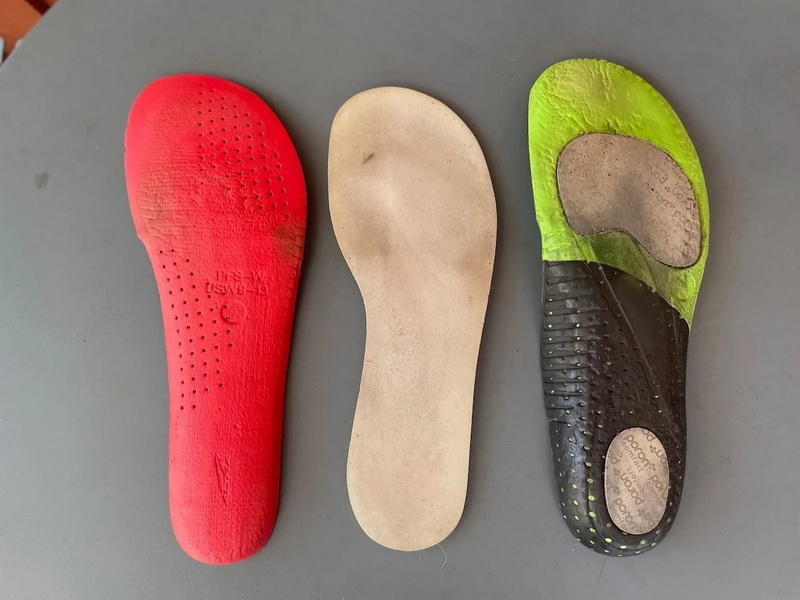
Insoles, also known as footbeds or inner soles, are designed to do more than just add comfort. They're a key part of a shoe's structure, bridging the connection between your feet and the sole unit that makes contact with the ground.
They serve several critical functions:
- Cushioning impact: Absorbing shock with every step reduces fatigue and improves endurance.
- Correcting alignment: Supporting the arches and stabilizing heel position helps prevent overpronation or supination.
- Improving fit: Insoles adjust internal shoe volume, ensuring a snug and secure feel.
- Moisture management: Quality insoles often include breathable materials to minimize sweat build-up.
Modern insoles are made from materials such as EVA foam, memory foam, latex, or gel components, each selected for specific performance characteristics. They can either be removable or permanently integrated depending on shoe type and price point.
For manufacturers and OEM producers, designing an insole involves balancing durability, density, and comfort. A well-crafted insole improves not only wearing experience but also the perceived value of the shoe.
There are different motivations for removing insoles, and many depend on individual foot structure or lifestyle needs.
In some cases, shoes may feel overly tight due to thick insoles. Removing them slightly increases internal space—helpful for those with wider feet or specific orthotic requirements.
Many customers prefer replacing the factory insole with orthopedic or milled insoles tailored for medical or sport-specific needs. This ensures better arch support and pressure distribution.
A growing number of runners and natural foot enthusiasts believe less cushioning promotes a stronger, more responsive stride. They see insole-free shoes as closer to natural walking, improving sensory feedback and muscle response.
In warm or humid regions, insoles can trap heat. Removing them sometimes improves ventilation, although this may shorten the shoe's lifespan if not properly maintained.
Certain job environments—like healthcare or workshops—require quick-drying or washable shoes. In these cases, working without traditional insoles simplifies cleaning and drying.
While all these reasons have some merit, users should understand that the absence of insoles shifts the load distribution across the feet and may affect comfort over time.
Shoes are engineered as complete systems, and insoles dramatically affect foot mechanics. Removing them alters how pressure and movement are absorbed through the sole. Here are the key effects:
Without the cushion of an insole, forces from walking or running travel directly into bones and ligaments. The heel, which strikes the ground first, suffers the most impact. Extended use can lead to heel pain, metatarsalgia, and even stress inflammation.
Most insoles are contoured to support the medial arch. Without this structure, the foot collapses more easily inward (overpronation), stressing tendons and joints. Flat-footed individuals may experience fatigue faster, while those with high arches risk instability.
Bare shoe interiors are less forgiving to motion, causing additional friction and heat build-up. The lining materials may not be as soft as an insole top layer, increasing the likelihood of skin irritation and blisters.
Removing insoles can subtly tilt your natural posture. The change in foot alignment transfers up through the knees and hips, possibly affecting long-term musculoskeletal balance, especially if your shoes aren't designed for use without insoles.
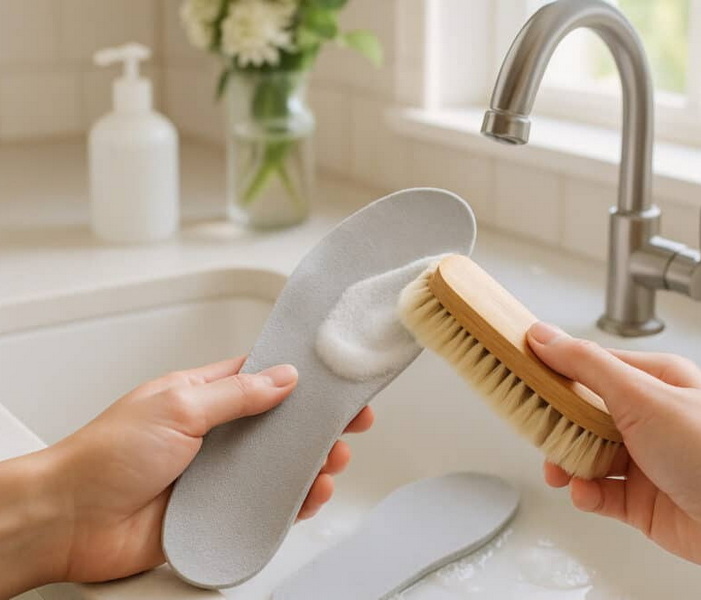
Some people believe that consistent practice in minimal or insole-free footwear strengthens foot muscles, tendon flexibility, and proprioception. There is some truth in that, but adaptation must happen gradually.
Transitioning overnight from cushioned support to bare interiors may cause stress or injury. To safely train your feet:
- Start by using minimalist shoes for short walks.
- Progressively increase duration each week.
- Focus on strengthening foot arches through targeted exercises like toe spreads, towel curls, or balance drills.
The human foot contains more than 100 muscles, tendons, and ligaments. Strengthening them improves mobility, but the process must balance natural foot freedom with proper protection.
There are specific circumstances where skipping insoles doesn't pose much risk—especially when the shoe is engineered for it.
- Minimalist running shoes: Designed to simulate barefoot motion while still providing grip and surface protection.
- Sandals and flip-flops: Naturally lack insoles due to open structure.
- Water shoes: Made from quick-drying materials and integrated cushioning layers.
- House slippers: Often meant for short-term wear, where extra support isn't critical.
As long as your shoes are structured with built-in midsole comfort, wearing them without insoles for short durations should not cause long-term harm.
Although removing insoles offers temporary relief or space, prolonged wearing introduces potential drawbacks.
Without the extra cushioning layer, feet absorb more vibration during walking. Over time, this constant stress causes muscle fatigue, joint pain, and in severe cases, plantar fasciitis.
Insoles absorb moisture and protect the shoe's inner layer. Removing them exposes internal fabrics to wear and odor build-up, degrading lining materials faster. This is a major concern for leather or textile-based shoes.
Shoes designed with insole contours depend on those shapes to hold your foot in position. Without them, stability and support diminish, especially during quick lateral movement or uneven ground contact.
Insoles are often made with antibacterial coatings or replaceable materials. Once removed, sweat has fewer places to absorb, which can create persistent odor over time.
While these problems may not appear immediately, consistent use without insoles magnifies their effect, especially for daily wearers.
Understanding how insoles are built reveals why removing them significantly changes shoe performance. Shoe manufacturers use advanced materials engineered for comfort, energy return, and breathability.
Common types include:
- EVA foam (Ethylene Vinyl Acetate): Lightweight and shock-absorbing, found in most casual and athletic shoes.
- PU foam (Polyurethane): Offers resilience and durability, ideal for long-distance walking shoes.
- Gel insoles: Excellent for targeted cushioning, common in running footwear and medical inserts.
- Cork insoles: Natural and breathable, used in eco-friendly or orthopedic shoes.
- Memory foam: Conforms to foot shape, enhancing comfort with personalized pressure relief.
Each material contributes differently. When removed, you lose not only softness but engineered balance between firmness and support.
As a leading insole manufacturer based in China, our factory collaborates with international footwear brands, wholesalers, and private label companies to produce tailor-made insole solutions.
We design and manufacture insoles for:
- Sports footwear: Lightweight EVA or TPU insoles that provide bounce-back and impact control.
- Orthopedic shoes: Medical-grade arch-correcting insoles with antibacterial materials.
- Casual and fashion shoes: Comfortable memory foam ranges for lifestyle applications.
- Safety and industrial shoes: Anti-static, puncture-resistant designs meeting global standards.
- Eco-conscious brands: Recyclable or biodegradable insole materials using cork or bamboo fibers.
OEM customization allows brands to control material selection, design shape, logo placement, and performance testing standards. Our R&D team also supports clients with prototype sampling, compression tests, and ergonomic simulations to achieve the best comfort ratio.
For global footwear producers, choosing the right OEM partner ensures product consistency, shorter lead times, and adaptable production scalability across multiple markets.
Even if you feel tempted to skip the insole for “extra space,” look out for warnings that indicate you should keep them intact:
- Persistent heel pain or soreness after walking.
- Shoes feeling slippery or unstable inside.
- Redness or burn marks on your soles.
- Noticeable gap between foot arch and shoe curve.
- Visible signs of material wear inside the shoe base.
If you experience any of these symptoms, reinsert the insoles or replace them with customized alternatives.
If standard insoles feel uncomfortable, replacement is a better solution than removal. Here's how to do it effectively:
1. Identify the purpose — comfort, sports performance, medical alignment, or odor control.
2. Measure shoe size precisely before buying aftermarket insoles; trimming may be necessary.
3. Consider foot arch type: flat, neutral, or high. Misalignment between arch support and foot type can create more problems.
4. Choose breathable and washable materials for hygiene maintenance.
5. Gradually adapt: give your feet a few days to adjust to the new cushioning and alignment.
This method maintains the protective benefits of insoles without losing space or flexibility.
Ultimately, insoles serve as a bridge between design comfort and healthy movement. Every element of a shoe—from outsole thickness to insole density—works together to support biomechanics. Removing this link alters everything.
In footwear design, ergonomics matter as much as aesthetics. A lightweight running shoe can still provide powerful impact absorption if it maintains proper insole composition. Conversely, even luxury leather shoes may cause fatigue if stripped of adequate inner cushioning.
That's why footwear OEM professionals carefully tune hardness, compression rate, and heel curvature in insole design, achieving precise harmony between comfort, durability, and performance.
The global footwear market is evolving as consumers demand personalized comfort. Smart insoles equipped with sensors or Bluetooth connectivity now monitor gait, posture, and calorie burn. Recyclable materials, bio-based foams, and modular insoles are becoming mainstream.
Sustainability also plays a growing role. Many brands request biodegradable or low-emission production processes for insoles. As one of the leading exporters, our factory integrates eco-material sourcing and energy-efficient molding to help brands meet global green certifications.
In the future, insole customization will go beyond size—it will reflect digital foot data, sports activity analysis, and sustainable lifestyle preferences.
So, can you wear shoes without insoles? Yes, but with awareness. While short-term or specific use may not cause harm, removing insoles entirely alters foot alignment, comfort, and shoe integrity. Insoles protect your feet from repetitive pressure, maintain cushion balance, and enhance posture.
If your goal is comfort or performance, consider investing in customized or OEM-designed insoles rather than skipping them altogether. Healthy feet are foundational to everyday comfort and long-term mobility—don't compromise them for temporary adjustments.

Yes. Without cushioning and arch support, pressure builds on the heel and forefoot, leading to soreness, fatigue, or plantar fasciitis.
Check the manufacturer's details. Minimalist or barefoot-style shoes include integrated midsole cushioning that replaces standard insoles.
Absolutely. Many users replace factory inserts with orthopedic, memory foam, or performance insoles customized for support and alignment.
Yes, slightly. It expands interior space, which might help for wide feet but may reduce stability for narrower feet.
Yes. Certain water shoes, sandals, or built-in support running shoes are intentionally produced without removable insoles.


