
Language
Views: 222 Author: Edvo Publish Time: 2026-01-01 Origin: Site


Content Menu
● How Insoles Function to Improve Fit
● Advantages of Using Insoles in Shoes That Are Too Big
>> 1. Improved Fit and Stability
>> 3. Support for Proper Foot Alignment
● Types of Insoles to Fix Oversized Shoes
>> 1. Full-Length Cushion Insoles
>> 4. Half Insoles (Forefoot Inserts)
>> 5. Adjustable Layered Insoles
● Materials Commonly Used in OEM Insole Production
● OEM Customization and Branding Opportunities
● Industry Trends and Market Insights
● Practical Tips for Consumers and Retailers
● Common Mistakes When Using Insoles
● When Insoles Aren't Enough: Alternative Fixes
● The Role of Insoles in Foot Health
● FAQ
>> 1. How much can insoles reduce shoe size?
>> 2. What is the best insole for large shoes?
>> 3. Can I use insoles in all types of shoes?
>> 4. Do insoles need replacement?
>> 5. Are custom OEM insoles worth the investment for brands?
Wearing shoes that are too big may not seem like a serious problem at first, but over time, it can cause a variety of issues ranging from general discomfort to foot injuries. Oversized shoes allow excessive movement inside the shoe, which leads to blisters, unstable footing, and inefficient posture. Whether due to sizing inconsistencies between brands, design variations, or online ordering errors, oversized shoes are more common than people realize.
Fortunately, one of the simplest and most effective solutions to this problem is using shoe insoles. Insoles are designed to improve both comfort and fit, making them a practical adjustment for shoes that are slightly too large. For retailers and footwear brands, high-quality insoles also represent an opportunity to add value and satisfy customers seeking enhanced comfort and personalized fit.
This article explores how insoles can help adjust shoe sizes, the different types available, their benefits, and how OEM manufacturers can provide tailored solutions for global markets.
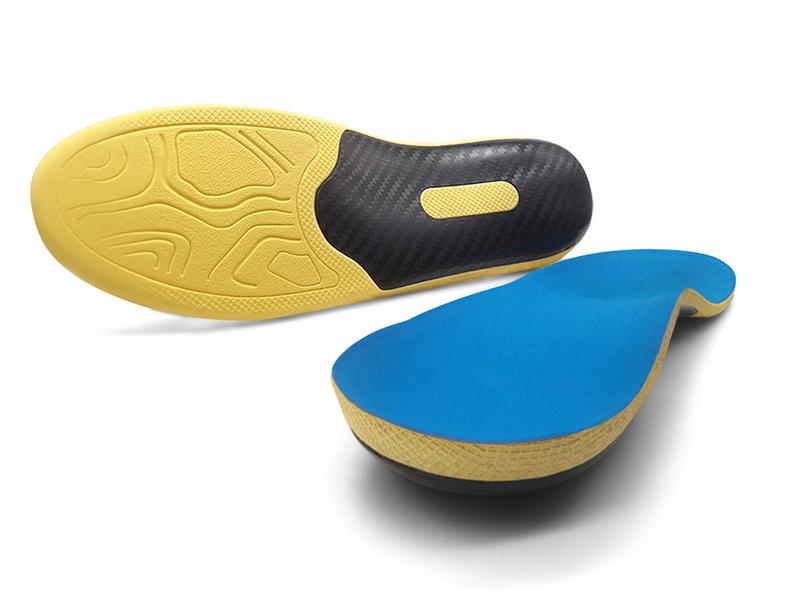
Insoles are removable inserts that create a layer of cushioning and structure between the foot and the shoe sole. When a shoe is slightly too big, an insole occupies the extra space inside it, helping your foot stay secure and supported. Some insoles are designed primarily for comfort, while others focus on orthopedic alignment or athletic performance.
The ability of an insole to reduce internal shoe volume makes it a preferred choice for handling minor size mismatches — typically up to half or one full size. In addition, modern insole technologies enhance breathability, moisture absorption, and odor resistance, making them an essential comfort accessory rather than a temporary fix.
For manufacturers, developing insoles that fit various footwear categories, from fashion to sports, allows for broader customer appeal and improved customer loyalty.
Using insoles delivers clear benefits for consumers, retailers, and footwear manufacturers alike.
Insoles ensure the shoe fits snugly without your foot slipping forward. This added stability prevents potential ankle twists and reduces the need for constant readjustment while walking.
Quality insoles provide cushioning that absorbs shock from every step, reducing stress on the feet, ankles, and knees. For bigger shoes, they fill the gap and allow users to maintain natural walking motion.
Arch support insoles improve foot posture, which benefits the entire musculoskeletal system. They help prevent common problems like plantar fasciitis and back pain often caused by improper foot alignment.
Without a firm fit, feet tend to slide inside oversized shoes, creating friction that leads to blisters. Insoles hold the foot in place, minimizing irritation even during extended wear.
Shoes that fit improperly wear out faster because pressure isn't evenly distributed. Insoles correct that imbalance, allowing shoes to maintain their shape and internal structure for longer.
Many modern insoles include anti-bacterial properties and moisture-wicking materials. They keep the shoe interior fresher and more hygienic — a crucial selling point for consumers in warmer climates or high-activity users.
For footwear manufacturers, these functional and health-related advantages enable differentiation in competitive markets, particularly in Europe and North America where comfort features are highly valued.
Choosing the right insole depends on several factors such as how large the shoe is, the intended use, and the wearer's comfort preferences. Below are the most effective insole types used to correct oversized shoes.
Full-length insoles cover the entire bottom of the shoe, making them the most comprehensive solution for shoes up to one size too big. They provide uniform density from heel to toe and are suitable for both daily and athletic footwear. Cushion materials like EVA, PU, or memory foam offer optimal resilience and foot molding capabilities.
These insoles support the natural shape of the arch to promote alignment and balance. When used in shoes that are slightly larger, they stabilize the midfoot area while improving posture and comfort, particularly for individuals with flat feet or high arches.
Heel-based inserts or cups address slipping in the back of the shoe. They slightly elevate the heel, reducing excess vertical space. Silicone, gel, or TPU versions are commonly used in walking shoes, sneakers, and boots that lack rear grip.
These smaller insoles fit only in the front part of the shoe and are especially suitable for women's heels or dress shoes where forward slipping commonly occurs. They help secure the toes, providing cushioning and preventing pointed shoe discomfort.
Adjustable insoles feature removable layers that can be stacked or detached to change thickness. This flexibility makes them ideal for customers who own multiple shoe styles or prefer personalized fit settings.
For customers dealing with specific conditions like pronation, flat feet, or high arches, orthopedic insoles offer targeted correction. They not only improve fit but also contribute to long-term foot health, a growing demand segment in professional and medical footwear categories.
Choosing the right material is key for achieving durability, comfort, and cost-effectiveness. Each material type serves a unique function in adjusting oversized footwear while improving user experience.
- EVA (Ethylene Vinyl Acetate): Lightweight, shock-absorbing, and economical—ideal for everyday shoes, sports, and occupational footwear.
- PU (Polyurethane): Dense yet resilient, PU insoles retain shape longer and are frequently used in premium brands.
- Memory Foam: Provides adaptive comfort by shaping itself to the wearer's foot contour, reducing pressure points.
- Gel: Excellent for high-impact absorption; often used in running or lifestyle shoes.
- Latex: Soft, breathable, and natural — providing comfort for casual and formal shoe styles.
- Leather: Offers luxury appeal and natural breathability, popular among formal dress shoe brands.
A combination of these materials often produces hybrid insoles capable of balancing performance, cost, and design aesthetics. OEM manufacturers can integrate different layers — for instance, memory foam upper with PU base — to achieve both softness and resilience.
For global footwear suppliers, customizable insole solutions have become a key competitive advantage. OEM manufacturers in China are leading this innovation by providing scalable production, design variation, and branding flexibility.
Some of the main OEM customization capabilities include:
- Size and Thickness Adjustments: Fine-tune thickness to achieve precise size correction for different shoe models.
- Tailored Density Options: Adjust hardness or softness depending on activity type — walking, running, or professional wear.
- Custom Branding and Packaging: Private label services allow logos, patterns, and color blending to align with brand identity.
- Eco-Friendly Alternatives: Use of recyclable foams or plant-derived biodegradable materials to meet sustainability requirements.
- Mass Production with Quality Control: Automated machinery ensures consistent density, cut precision, and defect-free results.
By utilizing OEM customization, brands and distributors can effectively target niche markets like orthopedic, fashion, or eco-friendly consumers while maintaining consistent quality and comfort.
The demand for custom insoles is growing globally due to rising health awareness and the popularity of online shopping. Consumers often experience fit variations among different manufacturers, making insoles a practical solution.
Key market insights include:
- Growing Focus on Comfort Technology: Brands are adding specialized insoles as standard components to increase perceived value.
- Health-Oriented Consumer Shift: Foot support and posture correction are major purchase drivers, especially in Western markets.
- Sustainability Integration: Eco-friendly insoles made from recycled or renewable materials are trending among leading shoe manufacturers.
- E-commerce Expansion: Online shoe sales drive return issues caused by sizing errors — providing opportunities for insole upselling as a corrective accessory.
OEM suppliers who align with these global trends can establish themselves as trusted B2B partners for international footwear companies.
Implementing insoles to make large shoes fit better involves more than slipping them inside. To maximize comfort and durability, follow these best practices:
1. Accurately Measure the Gap: Before choosing an insole, determine the space in your shoe by testing with socks or measuring by hand.
2. Use Complementary Accessories: Combine insoles with heel grips or toe pads when more coverage is needed.
3. Trim Edges Carefully: Many insoles feature trim lines for a precise fit. Always follow the shoe's silhouette for best results.
4. Opt for Breathable Options: Choose moisture-wicking materials to avoid sweating and discomfort, especially in closed shoes.
5. Replace Regularly: For those wearing shoes daily, replace insoles every six to nine months for consistent support.
6. Match Insoles to Activity: Use sports-performance designs for athletic shoes and comfort styles for casual or office footwear.
Retailers can increase customer loyalty by offering free fitting consultations or educational content explaining how to choose the best insole type.
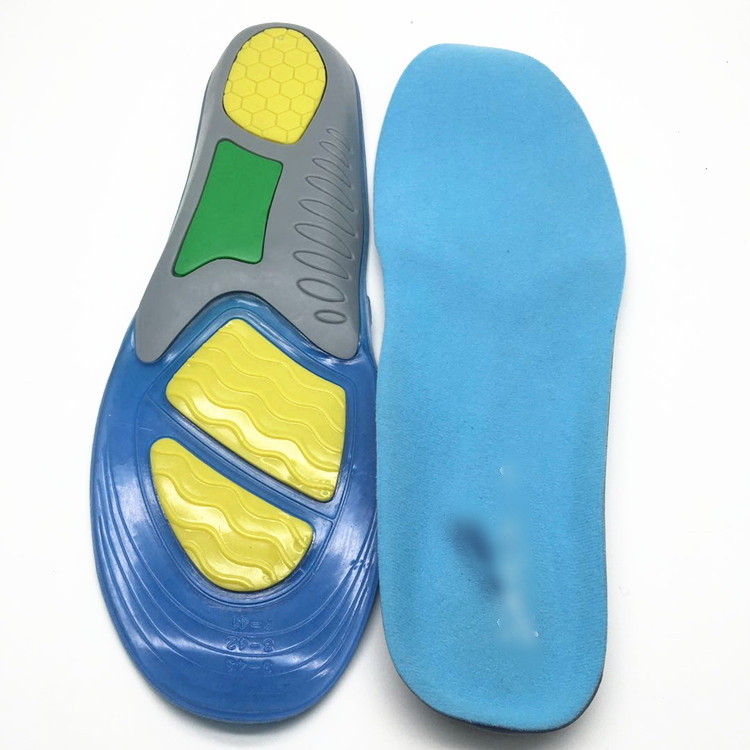
In spite of their simplicity, many users misunderstand how insoles should be used. Avoiding these mistakes ensures maximum comfort and performance:
- Selecting insoles that are too thick, leading to tightness instead of comfort.
- Ignoring the original shoe design, causing imbalance or uneven pressure.
- Using low-quality foam options that compress quickly and lose shape.
- Overlapping multiple insoles, which disrupts foot alignment.
- Neglecting hygiene and replacement schedules.
Proper guidance from retailers or manufacturers can help customers choose the right products and avoid dissatisfaction.
Sometimes, shoes are simply too large for insoles alone to correct. In such cases, users can combine or replace insoles with other shoe-fit accessories:
- Heel Liners: Add grip to the heel area and reduce backward slipping.
- Tongue Pads: Attach to the inner tongue to minimize space near the instep.
- Toe Inserts: Cushion front areas and prevent sliding forward.
- Thicker Socks: Offer temporary volume increase for loose-fitting casual shoes.
Even when these alternatives are used, pairing them with properly designed insoles still provides the highest overall comfort and protection.
Beyond solving size problems, insoles play a larger role in maintaining foot health. Prolonged use of ill-fitting shoes — even by half a size — can affect body alignment over time. Proper insoles help distribute weight evenly and absorb impact during movement, protecting joints and ligaments.
Many podiatrists recommend supportive insoles to individuals who stand for long periods, athletes, and those recovering from minor foot injuries. For these individuals, insoles are not just accessories — they are tools for daily comfort and prevention.
From a manufacturing perspective, integrating ergonomics and biomedical design principles enhances a brand's authenticity and positions companies at the forefront of the comfort footwear industry.
Insoles are a simple yet transformative solution for shoes that are too big. They provide immediate comfort enhancements while preventing long-term alignment issues caused by poor fit. By filling interior gaps and stabilizing the foot, insoles ensure each step feels balanced, confident, and supported.
For consumers, they are cost-effective tools to turn an ill-fitting pair of shoes into a comfortable daily choice. For brands, wholesalers, and OEM factories, they represent strategic opportunities to expand product lines and deliver superior value. Whether crafted from EVA, PU, or advanced hybrid materials, insoles help every shoe achieve its best possible fit, extending both comfort and lifespan.
High-quality insoles are no longer just supplementary products — they are core components of footwear innovation, connecting design, health, and sustainability.
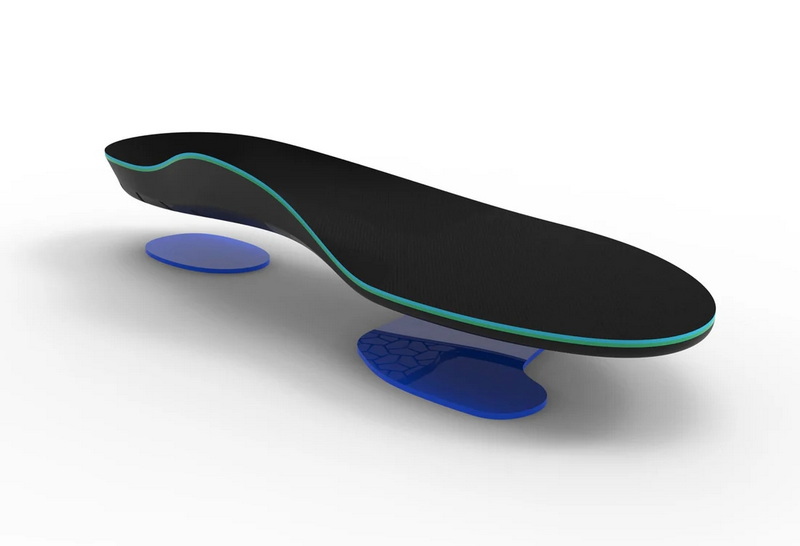
Insoles can effectively make a shoe about half to one size smaller by filling internal gaps and stabilizing the foot. Combining them with inserts like heel pads achieves even more precise adjustment.
Full-length memory foam or EVA insoles are recommended because they provide both cushioning and structural support without making the shoe overly tight.
Yes. Insoles can be used in sports shoes, formal footwear, boots, and casual sneakers. However, trimming and thickness selection are important for maintaining comfort.
Yes. Regular replacement every six to twelve months helps maintain full cushioning and hygiene, especially for frequently worn shoes or high-activity users.
Absolutely. OEM customization allows brands to deliver targeted comfort solutions, align designs with brand identity, and increase customer satisfaction through better product fit.


