
Views: 222 Author: Edvo Publish Time: 2026-03-15 Origin: Site


Content Menu
● Why Japanese Shoe Insoles Matter for Global Buyers
● How We Evaluated Japanese Insole Manufacturers and Brands
● Snapshot Ranking Framework – Japanese Insole Brands and Solutions
>> Segment‑Based Positioning of Key Insole Players
● Deep Dive into Real User Experience Dimensions
>> Comfort and Arch Support That Last All Day
>> Breathability, Moisture, and Odor Control
>> Durability and Shape Retention Over 3–6 Months
>> Professional Fitting and Customization Ecosystem
● Market Context – Why Japanese Standards Matter Globally
>> Growth Trends in Japan and Asia Pacific
>> Shift from Prefabricated to Higher‑Spec Solutions
● How 3BU Technology Helps You Leverage Japanese‑Style Performance via OEM
>> Translating Japanese User Expectations into OEM Specifications
>> OEM Flexibility for Different Market Segments
>> Quality Control and Long‑Term Partnership
● Practical Steps for Overseas Buyers Choosing a Japanese‑Standard Insole Partner
>> Step 1 – Define Your User Profile and Use Scenario
>> Step 2 – Translate Japanese Benchmarks into Specifications
>> Step 3 – Prototype, Test, and Iterate with Real Users
● Content Enhancers – Where to Add Images, Charts, and Media
● Call to Action – Build Your Next Insole Line with Japanese‑Inspired Performance
● FAQ – Frequently Asked Questions
>> 1. Are Japanese shoe insoles really different from regular insoles?
>> 2. Can overseas brands legally reference Japanese insole concepts without copying them?
>> 3. How important are materials like composite carbon fiber in modern insoles?
>> 4. Why should I consider a Chinese OEM like 3BU instead of a Japanese manufacturer?
>> 5. What is the minimum order quantity (MOQ) typically required for custom insoles?
Japan's shoe insole market is booming, driven by an aging population, rising sports participation, and growing awareness of foot health. For overseas brands, wholesalers, and footwear manufacturers, understanding which Japanese insole brands truly deliver on user experience—while also being strong OEM partners—is critical for long‑term success. This guide combines real user‑focused evaluation criteria, examples of well‑known Japanese insole players, and a practical lens for international buyers, with 3BU Technology positioned as a strategic OEM bridge between China and Japan‑inspired performance. [ensun]
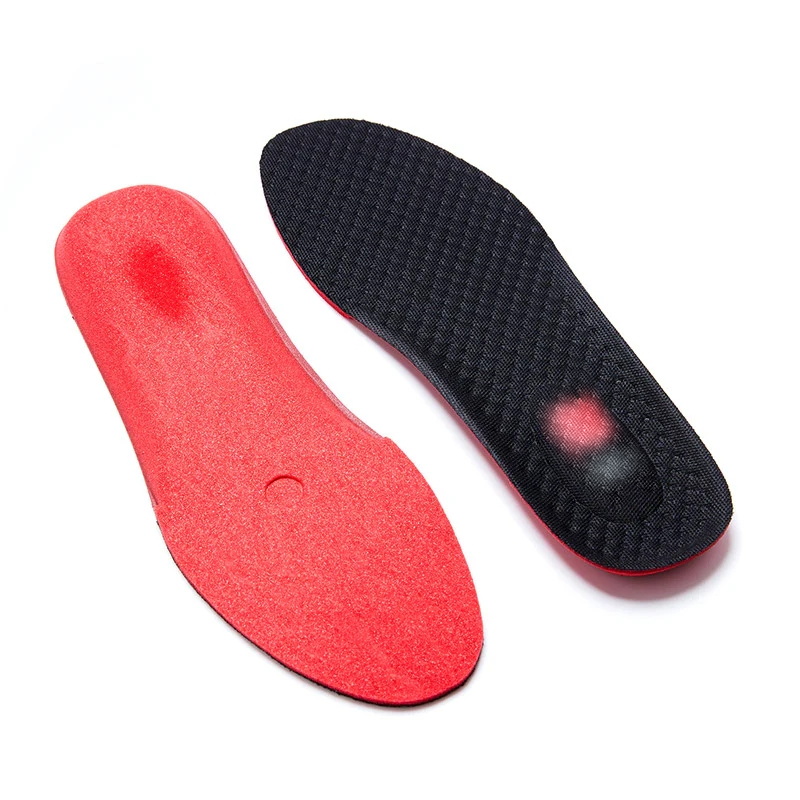
Japan's foot orthotic insole market is projected to reach around USD 353.9 million by 2030, growing at a CAGR of about 7.5%, driven by orthopedic needs and lifestyle trends. At the same time, the broader Japan orthotic insole segment is expected to approach USD 571.8 million by 2035, with brands like Sidas and Currex acting as key vendors in the region. For overseas brands, this means two things: Japanese‑style designs set a benchmark for comfort and biomechanics, and partnering with mature manufacturers or OEM specialists is a fast lane to competitive products. [grandviewresearch]
For B2B buyers—brand owners, wholesalers, and footwear factories—the opportunity lies not only in importing Japanese brands, but also in working with OEM manufacturers who understand Japanese performance standards and global pricing realities. [insolemaker]
To align with Google's E‑E‑A‑T (Experience, Expertise, Authoritativeness, Trustworthiness), this article uses clear, transparent evaluation criteria based on real user experience and verifiable market data. [sphericalinsights]
We focus on seven user‑centric dimensions that matter most in real life:
1. All‑day comfort and fit – cushioning, pressure distribution, and adaptation period reported by users. [grandviewresearch]
2. Arch support and pain relief – impact on plantar fasciitis, flat feet, overpronation, and joint stress. [sphericalinsights]
3. Breathability and odor control – sweat management and anti‑odor performance, particularly in humid climates like Japan. [bunion-japan]
4. Durability and shape retention – insole performance after 3–6 months of daily use. [grandviewresearch]
5. Ease of use and shoe compatibility – trimming, thickness, and fit in sneakers, dress shoes, and work boots. [samuraiinsoles]
6. Brand reliability and service – consistency, after‑sales support, customization, and technical communication. [bootsolutionsjapan]
7. Value for money – perceived value based on comfort and longevity vs. price point. [samuraiinsoles]
To create a realistic brand ranking framework, we cross‑referenced:
- Japan market reports and forecasts for orthotic insoles. [fortunebusinessinsights]
- Public information on Japanese insole brands, specialty clinics, and fitting labs. [shop.sidas.co]
- Case studies and product pages from relevant manufacturers and distributors. [anything-from-japan]
This is then re‑interpreted for B2B readers: what these strengths mean in terms of OEM development, private label projects, and long‑term sourcing strategy.
Below is an illustrative framework (not a strict consumer "top list") showing how different Japanese‑linked players can be positioned by user experience focus. It is designed to help buyers think in segments rather than chase a single "No.1". [evocoltd]
| Rank | Brand / Player (Example) | Core Strength from User Perspective | Best For (User Type) | Notable Feature | Indicative Region |
|---|---|---|---|---|---|
| 1 | BMZ (via Evoco case) | Orthopedic performance and cuboid-based support for mobility and stability. evocoltd | Athletes, workers, users needing joint load reduction. evocoltd | Ashi‑Tore design focusing on cuboid bone and slim profile bio‑foam. evocoltd | Japan‑origin technology used globally. evocoltd |
| 2 | Sidas (Sidas Fitting Lab Japan) | Professional fitting labs with custom and prefabricated insoles, strong user trust. shop.sidas.co | Sports enthusiasts, skiers, and clinic‑guided users. shop.sidas.co | Over four million insole pairs sold in Japan, with custom lab support. shop.sidas.co | Widely present in Japan via fitting labs. shop.sidas.co |
| 3 | IGUSA/Tatami‑style inSTYLE | Natural rush grass for breathable, odor‑resistant comfort and traditional feel. anything-from-japan | Daily wearers, lifestyle users, natural material fans. anything-from-japan | Tatami‑inspired rush grass woven using Kakegawa‑ori techniques. anything-from-japan | Fukuoka, Japan; exports worldwide. anything-from-japan |
| 4 | Kasahara Foot Care (Ashitsubo) | Sole‑stimulating insoles guided by a bunion and flatfoot expert. bunion-japan | Users with bunions, flatfoot, and balance concerns. bunion-japan | Reflexology‑style pressure stimulation design with EVA and natural rubber. bunion-japan | Japan‑based clinic and products. bunion-japan |
| 5 | Naboso (Japan distributor Protea) | Textured insoles focusing on barefoot science, balance, and posture. protea.co | Older adults, balance‑focused users, serious athletes. protea.co | Evidence‑based sensory stimulation of soles for movement control. protea.co | Distributed in Japan via Protea. protea.co |
This table is a reference map for overseas buyers to understand what "Japanese‑style value" can look like: medical‑grade, sports‑performance, natural‑materials, or neuro‑sensory designs.
Japanese users walk a lot—urban commuters often stand or walk for hours, making consistent comfort the baseline expectation. Orthotic‑style brands like BMZ and clinical solutions such as Kasahara's insoles focus on redistributing load from heel and forefoot to reduce fatigue and joint stress. For OEM projects, this implies that cushioning alone is not enough; structured support and controlled flexibility are essential to win repeat purchases and positive reviews. [bunion-japan]
In humid climates, insole breathability and anti‑odor performance heavily influence user satisfaction. inSTYLE's Tatami insoles use traditional IGUSA rush grass that absorbs moisture and naturally reduces odor, while still providing a distinctive barefoot‑like feel. For synthetic constructions, Japanese and global brands often combine perforated EVA or PU with antimicrobial fabric to extend freshness cycles. [anything-from-japan]
Real users judge insoles not on day one, but after months of use. Market data show that thermoplastic materials dominate revenue in Japan due to their balance of shape retention and cost. Composite carbon fiber segments are also growing fast, especially where thin yet firm arch support is needed without collapsing. When developing OEM lines, B2B buyers should specify minimum compression set, rebound, and deformation thresholds aligned with these market expectations. [sphericalinsights]
Japan's ecosystem includes custom fitting labs and ski/boot specialists like Boot Solutions Japan, where experienced fitters create custom footbeds for performance sports. This environment educates users to demand better alignment, heel lock, and arch control—raising the bar for what "good" insoles mean in the Japanese customer mindset. For international brands, this is a signal that partnering with OEMs who understand custom and semi‑custom fit concepts yields a more competitive product line. [shop.sidas.co]
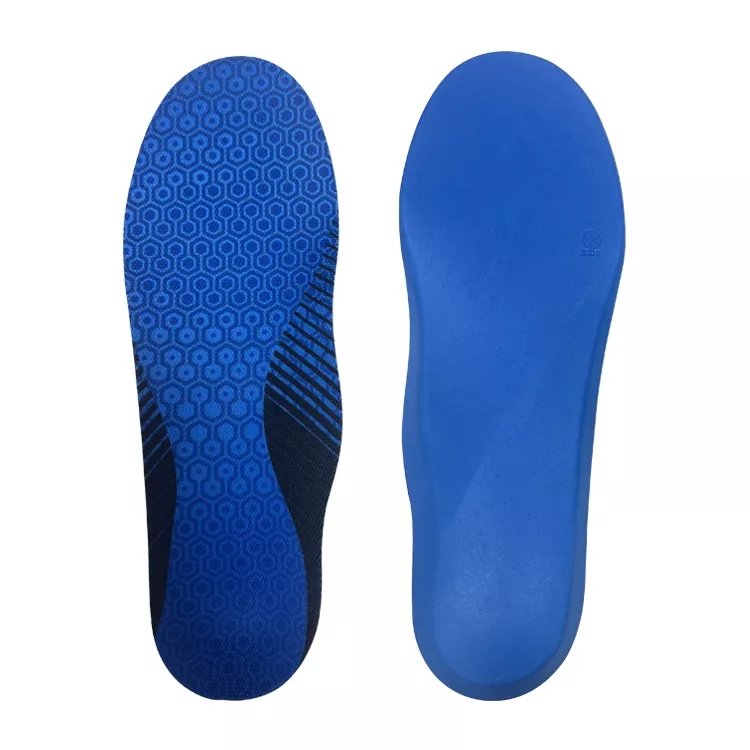
Japan's orthotic insole market is growing steadily, supported by aging demographics, increased musculoskeletal issues, and sports participation. In Asia Pacific overall, foot orthotic insoles are forecast to grow at around 7.9% CAGR, with China and India also becoming major markets. Japan's technical and clinical standards often influence product expectations across the region, making Japanese‑style designs valuable reference models for global OEM lines. [fortunebusinessinsights]
Prefabricated insoles still dominate Japan's market, thanks to lower prices and wide availability in pharmacies and retail chains. However, reports show strong momentum for higher‑spec materials like composite carbon fiber and more biomechanically advanced designs. This shift is an opportunity for overseas brands to position mid‑to‑high‑end lines using the same design logic, but produced more cost‑effectively through experienced OEM manufacturers. [insolemaker]
3BU Technology is a leading insole manufacturer in China, founded in Dongguan in 2012, with over 12 years of specialized experience in custom EVA and PU insoles for international brands. The company focuses on OEM and customized solutions, supplying overseas brand owners, wholesalers, and shoe manufacturers with tailored insole products that can incorporate Japanese‑inspired performance features at globally competitive costs. [insolemaker]
Based on the Japanese benchmark, 3BU can help overseas clients design insole lines that mirror the comfort and technical sophistication found in Japan's leading brands:
- Comfort and support profiles modeled on orthopedic concepts similar to BMZ's cuboid‑focused design, adjusted to each client's target audience. [evocoltd]
- Material stacks combining EVA, PU, gel, and fabric layers tuned for specific markets (e.g., humid climates needing better moisture control). [anything-from-japan]
- Thickness and density options suitable for different shoe categories: sport, casual, work safety footwear, and fashion. [insolemaker]
3BU's OEM model enables brands to create segmented product families inspired by Japanese players:
- A daily comfort line referencing natural‑feel and breathable concepts similar to Tatami‑style designs, but using scalable synthetic or hybrid materials. [anything-from-japan]
- A sports and performance line informed by orthotic insoles and custom footbeds used in ski and running ecosystems. [bootsolutionsjapan]
- A medical‑inspired line designed for better arch support and stability, aligned with orthotic market trends without making unverified medical claims. [grandviewresearch]
This allows overseas brands to offer a full portfolio—budget to premium—without building in‑house manufacturing.
As a specialized manufacturer exporting to multiple regions, 3BU applies structured quality management to keep compression, rebound, and bonding performance consistent across large batches. For B2B clients, this translates into predictable product behavior, easier marketing claims, and lower risk of returns due to insole failure. In addition, 3BU's team supports co‑development, sample iteration, and small‑to‑large‑scale ramp‑ups to fit both emerging brands and established distributors. [insolemaker]
Start by clearly defining your target user:
- Office workers standing or walking most of the day
- Runners, hikers, or sports enthusiasts
- Older adults with balance or joint concerns
- Workers in safety footwear or industrial environments
Each profile will need different levels of cushioning, rigidity, and support, which must be reflected in your OEM specification sheet. [samuraiinsoles]
Use Japanese brands as benchmarks and convert them into tangible specs:
- Target shore hardness for forefoot and heel zones
- Arch height and length, heel cup depth, and metatarsal pad presence
- Preferred materials (EVA, PU, thermoform, carbon insert) and fabric properties (anti‑odor, moisture‑wicking)
Then discuss these requirements with 3BU or your chosen OEM partner to design a feasible, cost‑optimized construction. [grandviewresearch]
Once initial samples are produced, run small‑scale tests:
1. Give samples to representative users (e.g., employees, focus groups, athletes).
2. Collect feedback on comfort after 1 day, 2 weeks, and 1–2 months.
3. Track issues like odor build‑up, deformation, or sizing difficulties.
Use this real‑world feedback to refine design before full roll‑out, aligning your product closer to Japanese‑style customer satisfaction levels. [sphericalinsights]
To maximize UX and SEO, consider inserting visual elements at key points:
- A market growth chart (Japan and Asia Pacific insole market) in the market context section to show rising demand. [fortunebusinessinsights]
- A comparison table of user experience dimensions across different insole concepts (orthopedic, natural, sports, sensory).
- Product photography or 3D renders illustrating layered insole constructions, showing materials and support zones.
- Short demo videos or GIFs on how to trim and fit insoles into different shoe types, added near the practical steps section.
These visuals increase dwell time and help search engines understand the article's topical depth when properly tagged and described.
If you are an overseas brand owner, wholesaler, or footwear factory looking to build a differentiated shoe insole line inspired by Japanese performance and user expectations, partnering with an experienced OEM like 3BU Technology can significantly shorten your time‑to‑market. You can leverage benchmark insights from Japanese brands and clinics while benefiting from cost‑efficient, scalable manufacturing and flexible customization. [ensun]
You are welcome to reach out to 3BU Technology with your target market, user profile, and desired price range so that a tailored OEM solution—aligned with Japanese‑level standards of comfort and support—can be developed for your brand. [insolemaker]
Contact us to get more information!
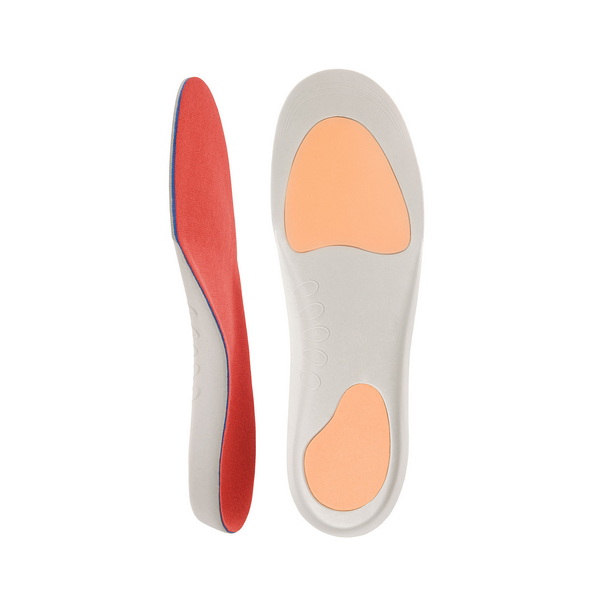
Japanese markets emphasize biomechanics, support for aging populations, and high walking volumes, so many products focus more on structured support, balance, and long‑term comfort than basic cushioning alone. [sphericalinsights]
Yes. You can benchmark concepts like cuboid‑based support, Tatami‑style breathability, or sensory stimulation and reinterpret them into your own designs, as long as you avoid direct patent infringement or trademark misuse. [protea.co]
Composite carbon fiber is one of the fastest‑growing segments in Japan due to its thin yet rigid support, particularly in sports and orthotic applications, though thermoplastics still hold the largest share. [grandviewresearch]
Japanese manufacturers set a high technical bar, but Chinese OEM specialists like 3BU provide a mix of Japanese‑inspired performance, flexible customization, and globally competitive pricing, ideal for private label and large‑scale distribution. [ensun]
MOQs vary by factory and construction type, but experienced OEMs usually offer tiered MOQs for different complexity levels; discussing your annual volume and launch plan is the best way to secure an efficient MOQ. [insolemaker]
1. Grand View Research – Japan Foot Orthotic Insoles Market Size & Outlook, 2030
https://www.grandviewresearch.com/horizon/outlook/foot-orthotic-insoles-market/japan [grandviewresearch]
2. Spherical Insights – Japan Foot Orthotic Insoles Market Size, Demand, Insights to 2035
https://www.sphericalinsights.com/reports/japan-foot-orthotic-insoles-market [sphericalinsights]
3. Fortune Business Insights – Asia Pacific Foot Orthotic Insoles Market Size & Analysis
https://www.fortunebusinessinsights.com/asia-pacific-foot-orthotic-insoles-market-107662 [fortunebusinessinsights]
4. ensun – Top Shoe Insole Manufacturers in Japan
https://ensun.io/search/shoe-insole/japan [ensun]
5. 3BU Technology – Custom EVA & PU Insole Manufacturer (China)
https://www.insolemaker.com [insolemaker]
6. Evoco – A New Standard for Slim Insole Performance (BMZ Case Study)
https://evocoltd.com/a-new-standard-for-slim-insole-performance-bmz/ [evocoltd]
7. Sidas Fitting Lab Japan – Official Site
https://shop.sidas.co.jp/fitting-lab/eng/ [shop.sidas.co]
8. inSTYLE Tatami Shoe Insoles – Japan's Best to You
https://anything-from-japan.com/instyle-tatami-shoe-insoles [anything-from-japan]
9. Kasahara Foot Care – Ashitsubo Insole Information
https://www.bunion-japan.com/not/ashitsubo-insole-sole-stimulating-insole [bunion-japan]
10. Protea Japan – Naboso Products Now Available in Japan
https://protea.co.jp/naboso-products-now-available-in-japan/?lang=en [protea.co]
11. Boot Solutions Japan – Custom Footbeds and Orthotics
https://www.bootsolutionsjapan.com/custom-orthotics [bootsolutionsjapan]
12. Samurai Insoles – Articles and Product Information
https://samuraiinsoles.com/blogs/articles/good-insoles-for-arch-support [samuraiinsoles]


