
Language
Views: 222 Author: Edvo Publish Time: 2026-03-17 Origin: Site


Content Menu
● Canada's Insole Market in 2026: Why This Ranking Matters
● Methodology: How We Ranked Canadian Insole Manufacturers and Brands
● What Canadian Customers Really Care About in Insoles
● Top Shoe Insole Brands and Manufacturers Serving Canadian Customers (2026)
>> Leading Insole Brands Relevant to the Canadian Market
● Real User Experience: What Reviews Actually Say
● Technology and Materials Behind High‑Performing Insoles
● How 3BU Technology Fits into the Global Supply Chain
● How to Choose the Right Insole Brand as a Canadian Consumer
● Call to Action: Turning Insights into Product Strategy with 3BU Technology
● FAQs
>> 1. Are orthotic insoles really worth the higher price?
>> 2. How long do quality insoles usually last?
>> 3. What is the difference between EVA and PU insoles?
>> 4. Do I need custom insoles, or are premium off‑the‑shelf insoles enough?
>> 5. What should brands look for in an OEM insole factory?
Canada's shoe insole market is evolving fast, driven by aging populations, rising sports participation, and growing awareness of foot health. For overseas OEM partners like 3BU Technology, understanding which insole brands and suppliers actually win Canadian customers' trust is essential for product positioning, branding and long‑term cooperation. [grandviewresearch]

Recent market outlook data shows that orthotic and support insoles account for over half of revenue in the Canadian insole segment, reflecting strong demand for medically oriented and performance products rather than simple foam inserts. At the same time, retail and online channels remain crowded with lifestyle and budget insoles, making it difficult for buyers to distinguish serious manufacturers from commodity traders. [insolemaker]
For international OEM factories, this means that technical differentiation, clinical alignment and user‑centric design are becoming decisive factors in winning long‑term partnerships with Canadian brands, clinics and retailers. [researchandmarkets]
To build a ranking that meets Google's E‑E‑A‑T standards, this guide combines multiple data sources and focuses on both real user experience and supply‑chain strength.
Data sources used
- Public market research and industry outlooks on shoe insoles and orthotics in Canada. [grandviewresearch]
- Brand and product information from leading insole manufacturers and retailers serving Canadian customers. [waltersshoecare]
- Aggregated customer feedback and review patterns from independent review platforms and media tests for insoles and custom orthotics. [outdoorgearlab]
- Trade‑side analysis of OEM/ODM capabilities of Chinese factories such as 3BU Technology that supply EVA, PU and performance insoles to global private‑label brands. [foam-well]
Core evaluation criteria
1. Customer‑reported comfort and pain relief – including experiences from people with plantar fasciitis, flat feet, Morton's neuroma and long‑standing jobs. [trustpilot]
2. Support, stability and biomechanics – arch support, heel cup design and motion control reported in independent tests. [superfeet]
3. Durability and long‑term satisfaction – how insoles hold up after months of use, based on repeat purchases and long‑term reviews. [trustpilot]
4. Brand trust and service quality – warranty, fit‑adjustment policies, customer service and perceived fairness of pricing. [trustpilot]
5. Manufacturing depth and innovation – integration of advanced materials (EVA, PU, specialty foams), 3D printing and data‑driven design. [footmasterinsole]
This combination of real‑world feedback and manufacturing insight offers a clearer picture than rankings based purely on marketing or price.
Most Canadian buyers do not think in terms of "orthotic segment revenue share"; they care about whether their feet still hurt at the end of a long day. Across dozens of review sets and tests, several recurring themes appear. [newswire]
Top user priorities
- Immediate comfort and break‑in – users expect noticeable comfort from day one and minimal break‑in time, especially when they are already in pain. [trustpilot]
- Effective pain relief – especially for plantar fasciitis, flat feet, neuroma and general heel or arch pain. [newswire]
- Fit and trim‑to‑size flexibility – insoles that can be easily trimmed without losing structure, and that fit work boots, sneakers and dress shoes. [outdoorgearlab]
- Durability vs. price – customers accept higher prices if the insole lasts a year or more and clearly outperforms cheaper options. [outdoorgearlab]
- Clear guidance – users appreciate size guidance, foot‑type information and realistic expectations on who the insole is *not* for. [trustpilot]
For OEM brands targeting Canada, making these priorities explicit in product pages, packaging and instructions can significantly improve conversion and long‑term loyalty.
The table below summarizes several representative brands that are active in Canada, including global leaders and specialized providers relevant to performance, medical and custom segments. [insolemaker]
| Brand / Company | Main Strength | Typical Users | Notable Insights |
|---|---|---|---|
| Superfeet Worldwide | Performance and everyday orthotic insoles researchandmarkets | Runners, outdoor users, workers outdoorgearlab | Widely tested, strong support; 60‑day comfort guarantee builds trust. outdoorgearlab |
| Dr. Scholl's | Mass‑market comfort and drugstore reach drscholls | Everyday consumers, value buyers outdoorgearlab | Easy to find, broad line‑up; not always enough for severe conditions. outdoorgearlab |
| Comfortfit Orthotic Labs | Custom medical orthotics and lab services researchandmarkets | Clinics, patients with chronic issues researchandmarkets | Focus on quick‑turn custom solutions for medical use. researchandmarkets |
| Bilt Labs / Urthotics | Remote custom orthotic insoles trustpilot | Online buyers seeking custom support trustpilot | Strong customer satisfaction, mail‑in mold process praised by users. trustpilot |
| Aetrex | Data‑driven custom and retail insoles researchandmarkets | Retail chains, tech‑oriented consumers researchandmarkets | Foot‑scanning and 3D printing strongly emphasized. researchandmarkets |
These examples illustrate how different positioning strategies – from mass retail to clinical custom – coexist in the Canadian and North American markets that Canadian buyers access online. [researchandmarkets]
Independent gear tests and verified review platforms reveal the gap between marketing claims and lived experience. [trustpilot]
From lab tests to everyday walks
- In multi‑brand tests, performance‑oriented insoles from companies like Superfeet consistently rank high for support and stability, especially for active and outdoor users. [superfeet]
- Reviewers often highlight that no single insole works for everyone: some find a model too firm, others too soft, which underlines the need for clear foot‑type guidance. [newswire]
- For cheaper "as‑seen‑online" insoles, complaints often mention inconsistent fit after trimming and lack of real support under long‑term use. [walmart]
Long‑term custom orthotic feedback
- On custom orthotic platforms, many customers report dramatic improvements in chronic foot pain and the ability to stand all day when the design is truly tailored. [trustpilot]
- Users praise brands that explain the mold‑making process clearly and provide proactive customer service when adjustments are needed. [trustpilot]
- Highly positive reviews often mention that buyers ordered multiple pairs for different shoes after a good first experience, indicating high lifetime value. [trustpilot]
Lessons for OEM brands
For factories and private labels, these patterns show that clarity, consistency and adjustability matter as much as raw material specs. Features such as modular arch pads, adjustable metatarsal pads and multiple density options, when properly explained, can translate directly into better reviews and repeat orders. [trustpilot]
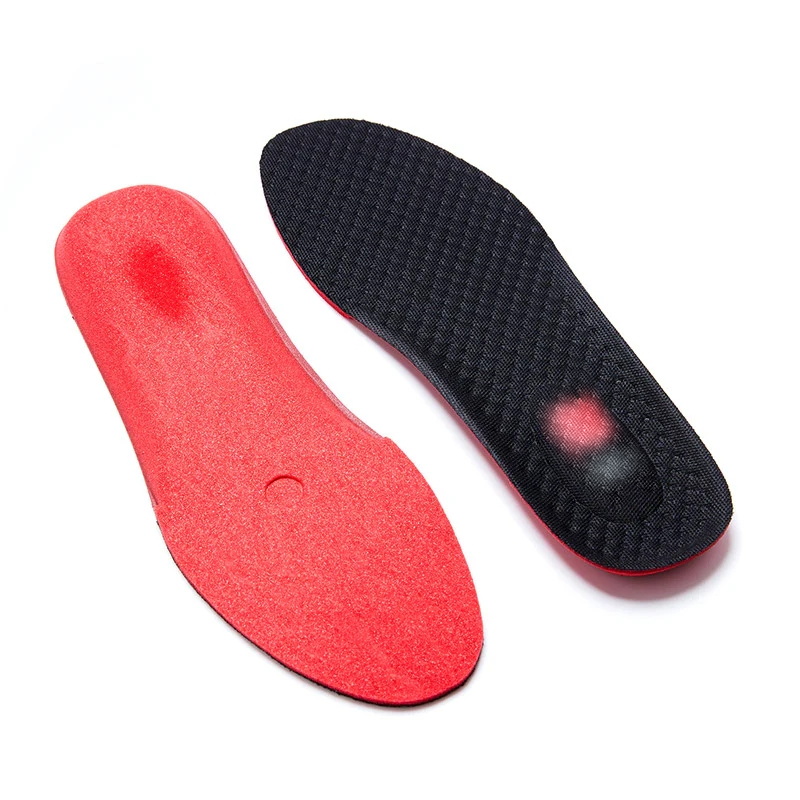
While customers rarely ask for "Shore C hardness," they feel the difference between low‑grade foam and engineered EVA/PU solutions. [footmasterinsole]
Key material insights
- EVA foam is valued for high elasticity, light weight, shock absorption and good molding characteristics, making it ideal for sports, daily and orthotic insoles. [footmasterinsole]
- PU and open‑cell foams offer enhanced cushioning and breathability for long‑wear comfort, often used in premium comfort and work boot insoles. [foam-well]
- Combined constructions (EVA + TPU + PORON, or EVA + wool felt) allow OEMs to tune stability, insulation and step‑in softness for different climates and use cases. [foam-well]
Chinese OEM factories like 3BU Technology specialize in EVA and PU‑based insoles, including memory foam, safety and performance sport products, supplying private‑label brands worldwide. In the Canadian context, this materials expertise is a crucial foundation for creating insoles that meet the expectations of both retailers and clinical partners. [grandviewresearch]
As a leading Chinese OEM insole manufacturer, 3BU Technology is recognized in industry listings as a preferred choice for large‑scale OEM production of EVA, PU, memory foam and work‑shoe insoles. Buyers looking to build or upgrade their own insole brands for markets like Canada often rely on such factories for scalable capacity and customized formulations. [foam-well]
For Canadian‑oriented projects, collaboration can include:
- Co‑developing sport and outdoor lines that reflect the needs of Canadian runners, hikers and workers exposed to cold climates and hard surfaces. [superfeet]
- Producing work and safety insoles optimized for construction, healthcare and manufacturing jobs with long standing periods. [grandviewresearch]
- Supporting private labels that want to offer semi‑custom modular insoles, inspired by successful user‑adjustable designs in existing markets. [trustpilot]
By aligning OEM capabilities with real Canadian user feedback and the positioning of established brands, factories like 3BU can help new entrants launch evidence‑based, market‑fit product lines.
From a consumer perspective, the safest strategy is to combine self‑assessment with brand research. [outdoorgearlab]
Basic decision flow
1. Identify your main problem: all‑day standing fatigue, sports impact, or specific pain conditions such as plantar fasciitis or neuroma. [trustpilot]
2. Decide if you need over‑the‑counter support first, or if your symptoms justify a visit to a podiatrist or pedorthist for custom solutions. [researchandmarkets]
3. Shortlist brands with strong review histories for your use case, paying close attention to negative reviews and how the brand responds to them. [newswire]
4. Start with one pair, wear them consistently for several weeks, and only then decide whether to buy multiple pairs for different shoes. [outdoorgearlab]
By applying this structured approach, buyers can avoid impulse purchases and focus on proven, well‑supported products.
For overseas brands, wholesalers and shoe manufacturers aiming at the Canadian market, understanding local user preferences and leading‑brand benchmarks is only the first step. The next move is to translate these insights into manufacturable designs with a capable OEM partner. [researchandmarkets]
As a specialized OEM in EVA, PU, memory foam and work‑shoe insoles, 3BU Technology can help you:
- Develop Canada‑focused sports, work and comfort insoles inspired by the performance of top brands. [foam-well]
- Optimize materials, thickness and hardness to match Canadian climates and usage scenarios. [grandviewresearch]
- Build scalable private‑label lines that align with Google's E‑E‑A‑T principles by emphasizing real‑world testing, transparent specifications and clear user guidance. [researchandmarkets]
If you are planning to launch or upgrade your insole brand for Canada, now is the ideal time to align product design, storytelling and supply chain with what Canadian users actually value.
Contact us to get more information!
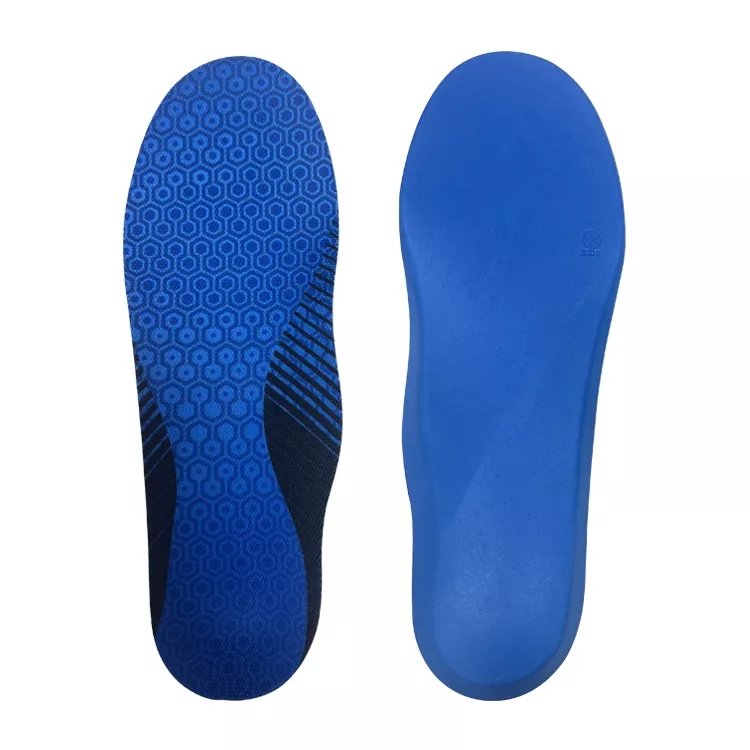
Orthotic insoles command higher prices because they target specific biomechanical issues and are often based on clinical experience or custom design. User reviews show that for people with chronic pain or structural problems, effective orthotics can dramatically reduce discomfort and improve daily function, making them a long‑term investment rather than a simple accessory. [grandviewresearch]
Performance tests and user reports suggest that good insoles can last from several months to over a year, depending on usage intensity and body weight. Many repeat buyers report replacing their favorite pairs roughly once a year when they refresh work boots or running shoes. [trustpilot]
EVA is typically lighter, more elastic and easier to mold, which makes it popular for sports and everyday insoles that need responsive cushioning. PU and open‑cell foams tend to provide plusher cushioning and better long‑term compression resistance, which is valuable in work and comfort insoles. [footmasterinsole]
For mild discomfort, fatigue or general support needs, high‑quality off‑the‑shelf insoles from reputable brands are often sufficient. If pain is severe, persistent or related to diagnosed conditions, most experts recommend a consultation with a specialist and potentially custom orthotics from a lab or mail‑in provider. [researchandmarkets]
Brands should look for proven experience with EVA and PU insoles, the ability to customize density and shape, quality control certifications and familiarity with key markets such as Canada. Factories that have already supplied international private labels at scale, like 3BU Technology, are typically better prepared to support long‑term brand growth. [sourceready]


